
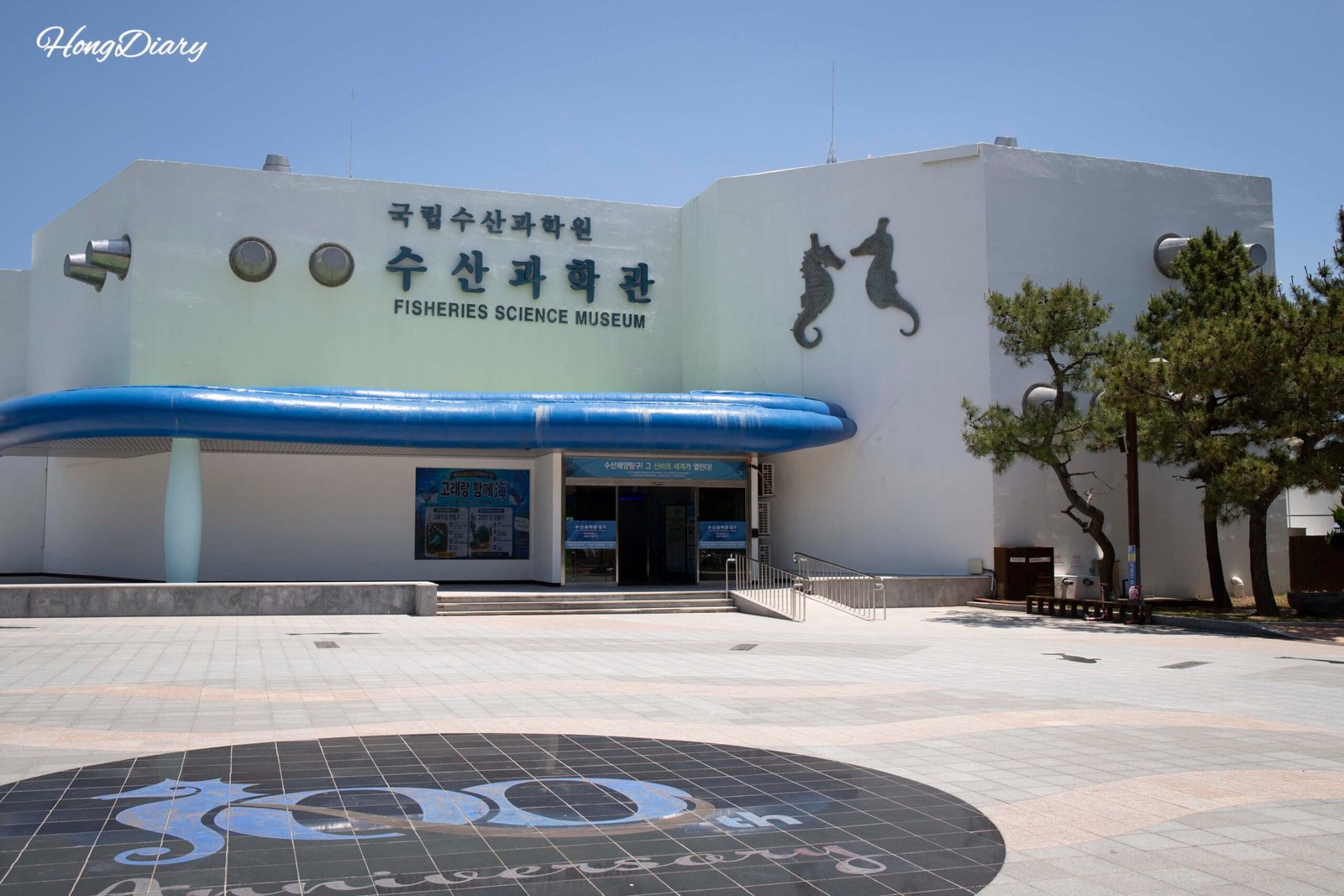
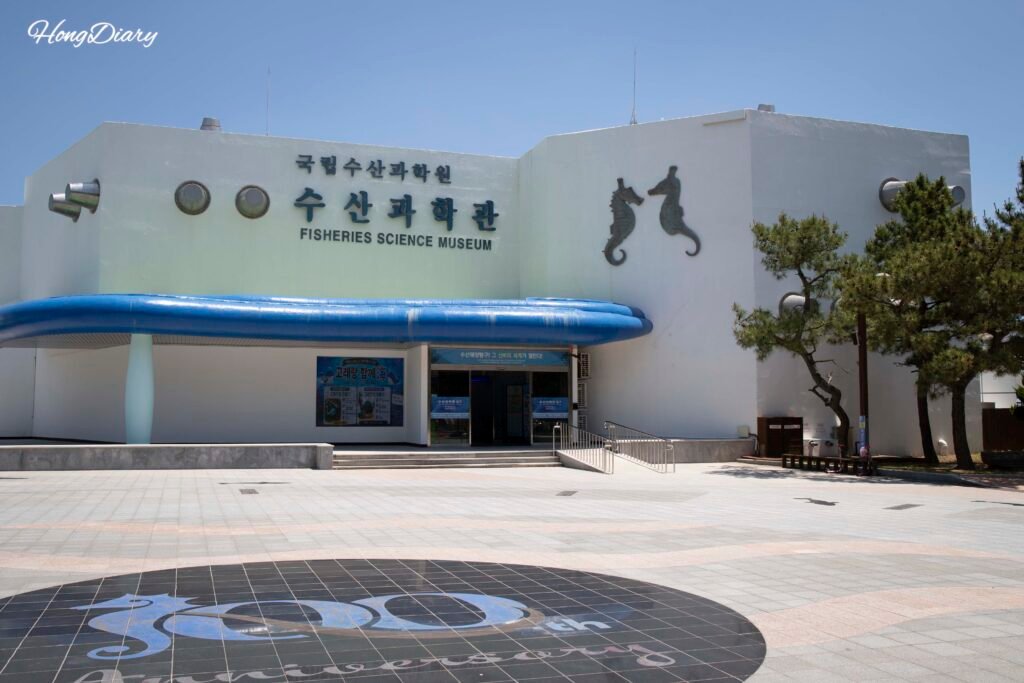
I was already planning to visit Haedong Yonggungsa Temple when I remembered the Fisheries Science Museum Busan was right next door. I’d been meaning to go for a while, so I figured this was the day. When I arrived, a group of kindergarteners were on a class trip — a good sign for any free attraction on a weekday morning.
The Fisheries Science Museum in Busan’s Gijang district is a hands-on exhibition space covering marine life, the fishing industry, and ocean ecosystems. Admission and parking are both free, and there’s enough to fill a solid two hours, especially if you’re visiting with kids.
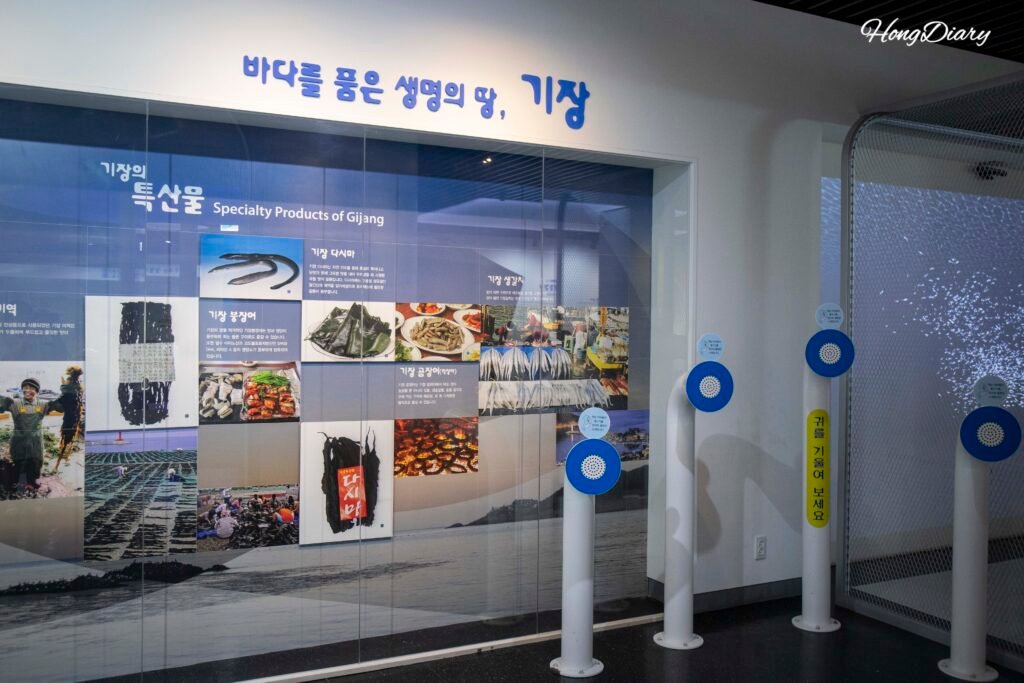
Table of Contents
At a Glance
| Detail | Info |
|---|---|
| Address | 216 Gijanghaean-ro, Gijang-eup, Gijang-gun, Busan |
| Hours | 09:00 – 18:00 (last entry 17:30) |
| Closed | Every Monday; Lunar New Year and Chuseok holidays |
| Admission | Free |
| Parking | Free (self-managed lot; may be unavailable during events or construction) |
What Makes This Museum Worth Visiting
Originally opened in 1997, it was Korea’s first fisheries-focused science institute — sometimes called Busan Marine Science Museum locally. It sits within the National Institute of Fisheries Science campus, which sounds formal, but the museum itself is relaxed and easy to navigate.
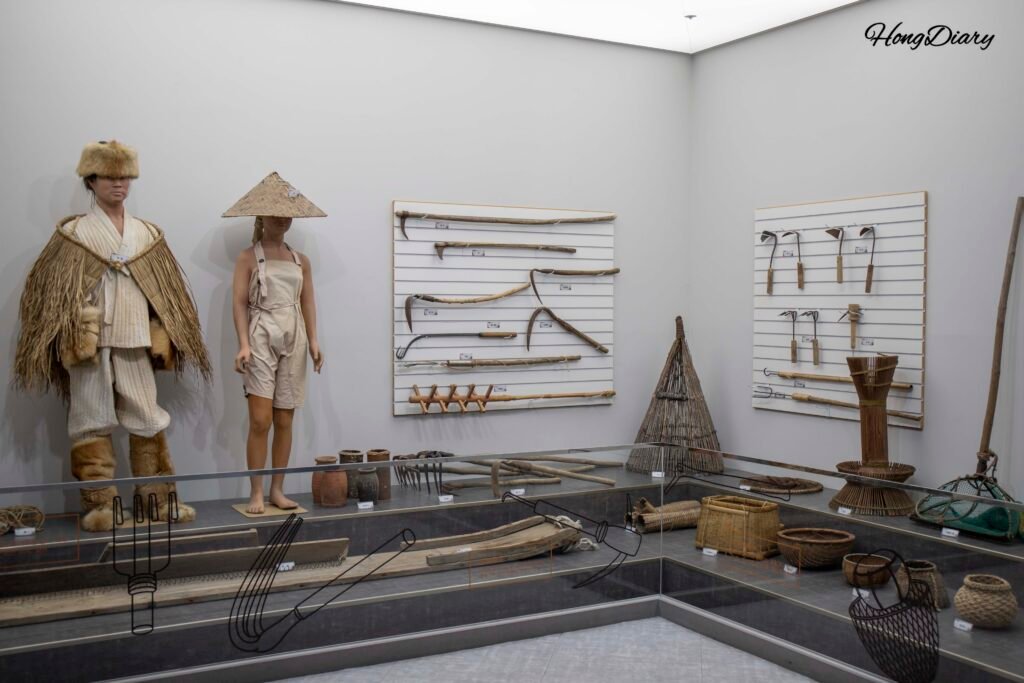
What sets it apart from a typical aquarium or natural history exhibit is the focus on the connection between people and the sea. How does fishing actually work? Where does the seafood on your plate come from? What does Korean fishing look like today versus a hundred years ago? The exhibits answer those questions in a way that’s accessible without feeling simplified — I found myself reading more panels than I expected to.
Inside the Museum: What to See
The Whale Skeleton Right inside the entrance is a full-sized whale skeleton — and it’s not a replica. It’s the actual bones, and the scale of it stops you in your tracks. This alone is worth the trip out.
Permanent Exhibition Hall (15 Themes) Spread across 15 topics, the main exhibition covers marine resources, aquaculture, the fishing industry, ocean environments, and the future of fisheries. The flow between exhibits is natural, and QR codes throughout link to YouTube explainer videos for deeper dives on specific topics.
One section I didn’t expect to find: a dedicated Dokdo corner covering the island’s surrounding marine life, ecosystem, and a live feed of the island itself. It’s a small but genuinely interesting addition.
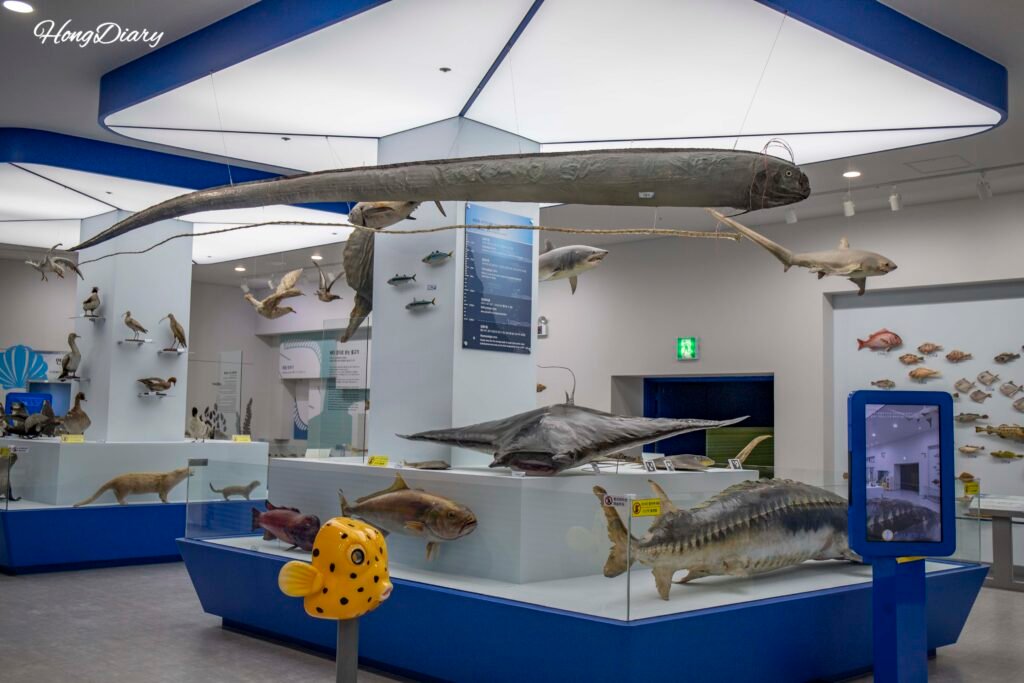
Aquarium and Specimen Room Live sea creatures are on display in the aquarium section alongside preserved specimens of various fish and marine animals. In particular, the specimen room has an old-school natural history feel — taxidermied fish, shells, and marine animals displayed alongside one another. Kids tend to slow down here.
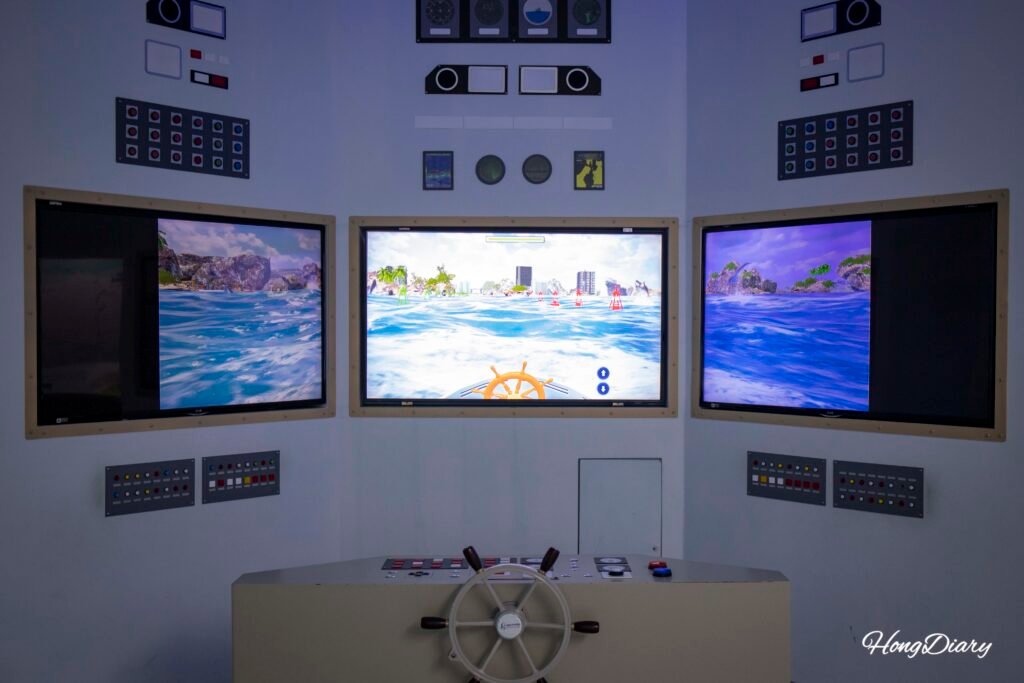
Fishing Vessel Experience There’s a hands-on boat simulation area where visitors can experience what it’s like to operate a fishing vessel. It’s a highlight for younger visitors and adds some physical engagement to what is otherwise a walk-through exhibition.
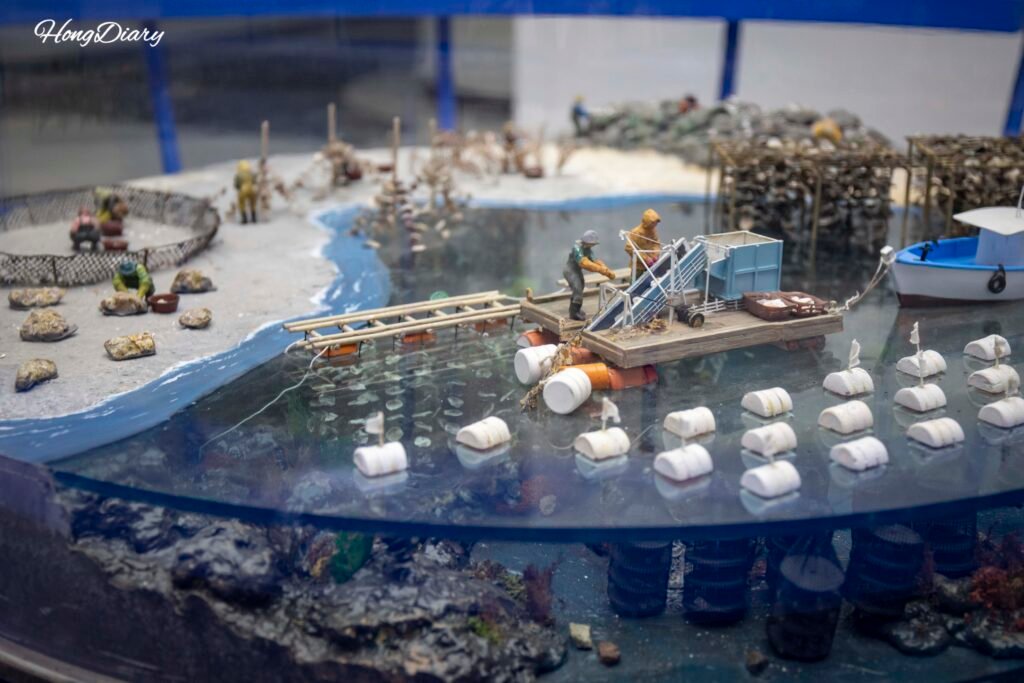
Miniature Display A detailed miniature exhibit shows fishing villages, boats, and coastal scenes in small scale. Craftsmanship is surprisingly detailed and gives a different perspective on the exhibition themes.
Educational Programs
Structured programs run for school groups year-round, with individual and family spots opening up during school holiday periods.
| Audience | Program Content | Fee (per person) |
|---|---|---|
| Preschool | Marine creature handling (clams, crabs, sharks) | ₩5,000 (~$3.33 USD) |
| Elementary | Fish observation, marine life classification, ecosystem learning | ₩7,000 (~$4.67 USD) |
| Middle / High School | Dissection lab, marine science career exploration | ₩8,000–15,000 (~$5.33–10 USD) |
| Families | Seasonal family programs | Varies by program |
Group bookings are the default, but individual and family spots open up during school vacation periods. Worth checking the schedule before your visit if you have kids in tow.
Outdoor Terrace and Rest Area
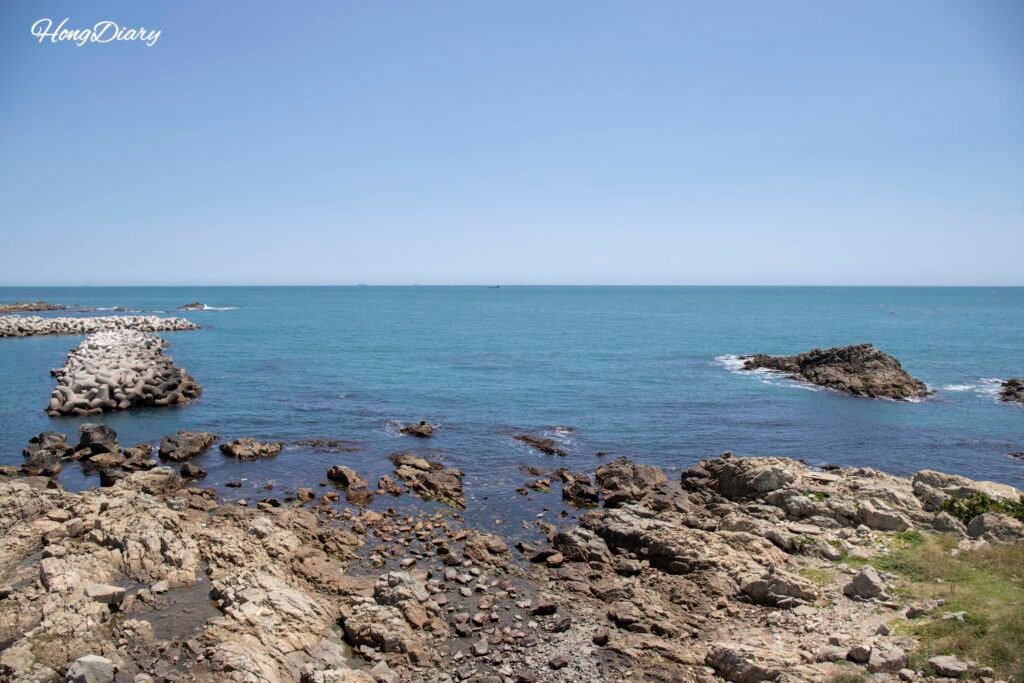
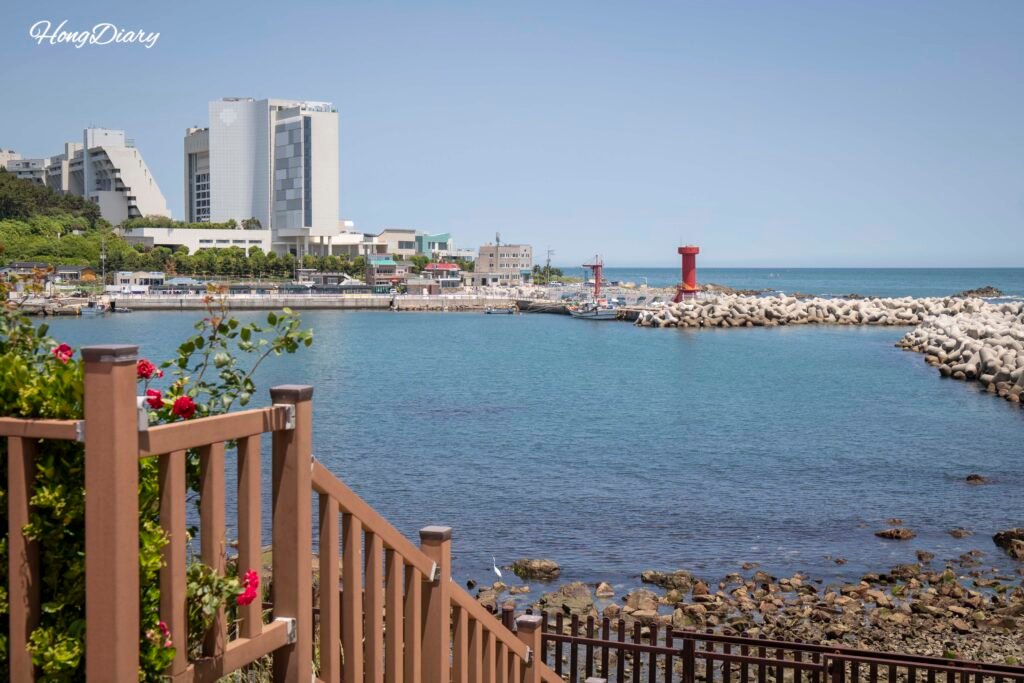
Midway through the exhibition, a path leads out to an outdoor terrace overlooking the sea. I had caught a glimpse of the coastline from the entrance, but the view from up here was noticeably better — the full stretch of Gijang’s coastline opens up, and on a clear day it’s a genuinely good spot to pause.
After finishing the main exhibition, there’s a café and rest area at the back of the building. It has ocean-facing windows, a nursing room, and a children’s play area. After walking through the exhibition, it’s a good place to sit down before heading to the next stop.
Getting There
From Osiria Station (Dong-hae Line) — closest option Get off at Osiria Station, take Bus 1001 from the station bus stop, and get off at the Yonggungsa / National Fisheries Science Institute stop (about 4 minutes). From there it’s a 450-meter walk, roughly 6 minutes on foot.
From Busan Station Take Express Bus 1001 from the bus stop in front of Busan Station Plaza (Exit 6 of the subway station). Get off at the Yonggungsa / National Fisheries Science Institute stop — about 1 hour 20 minutes. Then walk 450 meters.
From Haeundae Take Bus 100 from the bus stop at Exit 7 of Haeundae Subway Station. Get off at the Yonggungsa / National Fisheries Science Institute stop — about 35 minutes. Then walk 450 meters.
Tabara Bus If you’re planning to visit multiple Gijang attractions in one day, the Tabara Bus covers Haedong Yonggungsa, the Fisheries Science Museum, and other major spots in the area at regular city bus fares. Details on routes and schedules are in the Haedong Yonggungsa guide.
Nearby Attractions
Being in Gijang makes it easy to combine with several other nearby spots. All travel times below are by car.
| Attraction | Drive Time | Notes |
|---|---|---|
| Haedong Yonggungsa Temple | ~3 min | Busan’s iconic seaside temple, about 1.3 km away (20 min walk) |
| Lotte World Busan | ~5 min | Theme park with rides and parades |
| Skyline Luge Busan | ~3 min | Luge track suitable for all ages |
| National Busan Science Museum | ~5 min | Another free science museum, child-focused |
| Lotte Premium Outlets (East Busan) | ~5 min | Shopping, dining, kids’ facilities |
It pairs most naturally with Haedong Yonggungsa — they’re close enough to walk between, and I found the contrast between a coastal temple and a marine science exhibition made for an interesting half-day that covered very different ground. Add Lotte World or the Luge and you have a full day in Gijang without much driving at all.
Is the Fisheries Science Museum Worth Visiting?
For a free attraction, the quality of the exhibits is higher than you might expect. The content works for adults who are genuinely curious about marine science, and the live animals, hands-on boat experience, and specimen displays give younger visitors enough variety to stay engaged. The ocean views — both from the terrace and the rest area — are a bonus that most indoor museums can’t offer.
If you’re already planning to visit Haedong Yonggungsa, the Fisheries Science Museum Busan is a natural add-on that takes the trip from a temple visit to a proper half-day out.
Is the Fisheries Science Museum in Busan free?
Yes, both admission and parking are free. No reservation is required to visit the general exhibition. The only costs are for the optional educational programs, which range from ₩5,000 to ₩15,000 (~$3.33–10 USD) per person depending on the program type and age group.
What are the opening hours and which days is it closed?
The museum is open 09:00 to 18:00, with last entry at 17:30. It is closed every Monday and during Lunar New Year and Chuseok holiday periods. If Monday falls on a public holiday, the museum opens as normal on that day.
How do I get to the Fisheries Science Museum from central Busan?
From Haeundae, take Bus 100 from Exit 7 of Haeundae Subway Station and get off at the Yonggungsa / National Fisheries Science Institute stop — about 35 minutes. From Busan Station, take Express Bus 1001 from the plaza bus stop — about 1 hour 20 minutes. The closest transit option is Osiria Station on the Dong-hae Line, from which Bus 1001 reaches the stop in about 4 minutes. All routes end with a 450-meter walk to the museum entrance.
Is the Fisheries Science Museum good for children?
Yes, it’s one of the better free family attractions in the Gijang area. The live aquarium, the whale skeleton, the fishing vessel simulation, and the hands-on specimen displays give children plenty to engage with. Structured educational programs are available for preschool through high school age groups, with family programs running during school holiday periods.
Can I visit the Fisheries Science Museum and Haedong Yonggungsa on the same day?
Easily. The two are about 1.3 kilometers apart — walkable in around 20 minutes along the coast, or a 3-minute drive. Most visitors combine them as a half-day itinerary. The Tabara Bus also covers both stops, making it convenient if you’re coming from elsewhere in Busan without a car.
What is the whale skeleton at the entrance?
It’s a real whale skeleton — not a model — displayed at full scale in the museum’s entrance hall. It’s one of the more memorable things to see at the museum, particularly for first-time visitors and children, and sets the tone for the marine theme that runs through the rest of the exhibition.
Are there facilities for families with young children?
Yes. The museum has a nursing room and a children’s play area located in the rest space at the back of the building, which also has ocean-facing windows and a café area. Parking is free, and the museum grounds are stroller-accessible.