
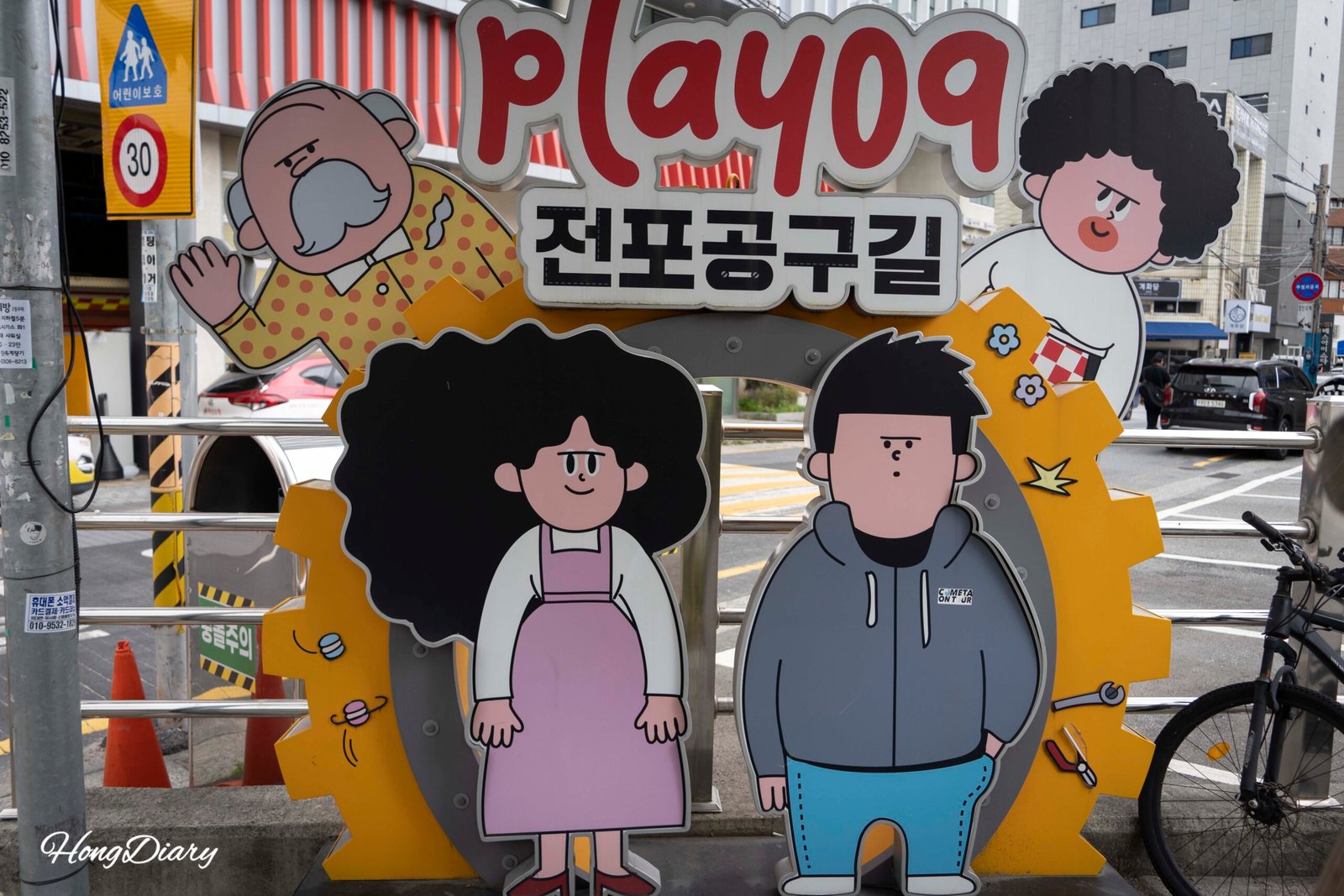
Most people who visit the Seomyeon area in Busan have heard of Jeonpo Cafe Street. Fewer know about the alley running parallel to it — Jeonpo Tool Street Busan, also called Jeollidangil — which tells a different and arguably more interesting story. In 2017, the New York Times named Jeonpo Cafe Street one of 52 places worth visiting that year, the only Korean destination on the list. But the quieter, rougher-edged alley just next to it is what keeps bringing people back.
Jeonpo Tool Street Busan sits in Busanjin District, Seomyeon, South Korea — a few minutes’ walk from Seomyeon Station or Jeonpo Station on Busan Metro Line 2. It is the kind of place that does not announce itself.
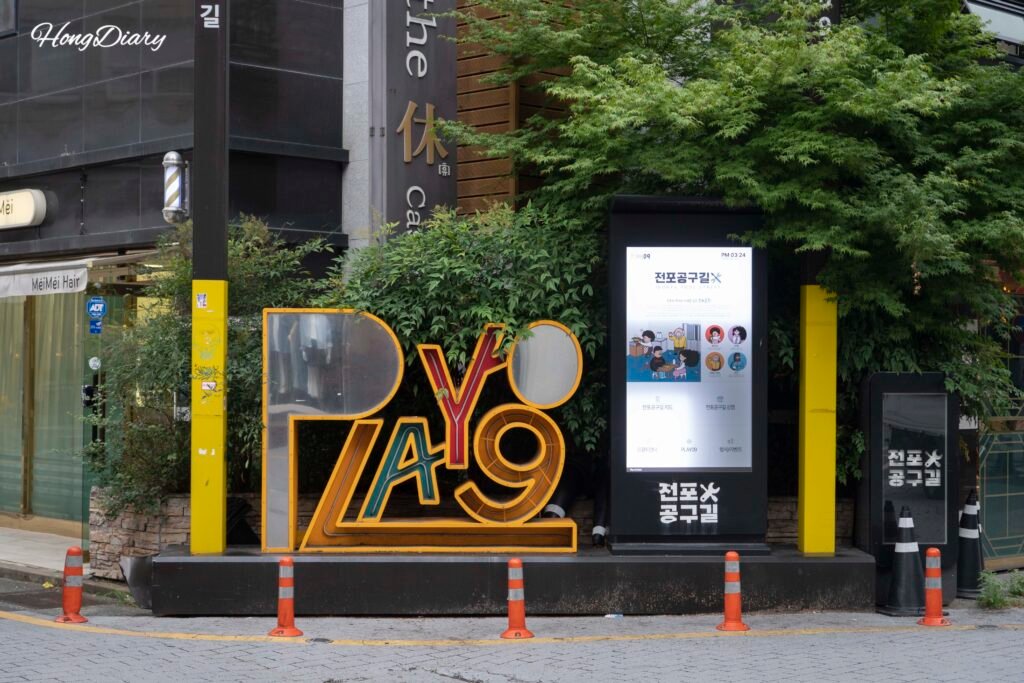
Table of Contents
Basic Info
| Detail | Info |
|---|---|
| Address | 20 Seojeon-ro 37beon-gil, Busanjin-gu, Busan |
| Nearest Station | Seomyeon Station Exit 8, Line 1 or 2 (450m / approx. 6 min walk) |
| Also accessible from | Jeonpo Station Exit 7, Line 2 (600m / approx. 10 min walk) |
| Character | Retro hardware alley turned indie cafe and shop district |
How It Started
In the 1960s and 70s, this area was dense with hardware and tool shops — over 500 of them at its peak, supplying the city’s construction and manufacturing industries. By the 1980s, as factories moved out toward the Sasang industrial district, the shops began to close. The alley grew quieter. For a while, it was close to forgotten.
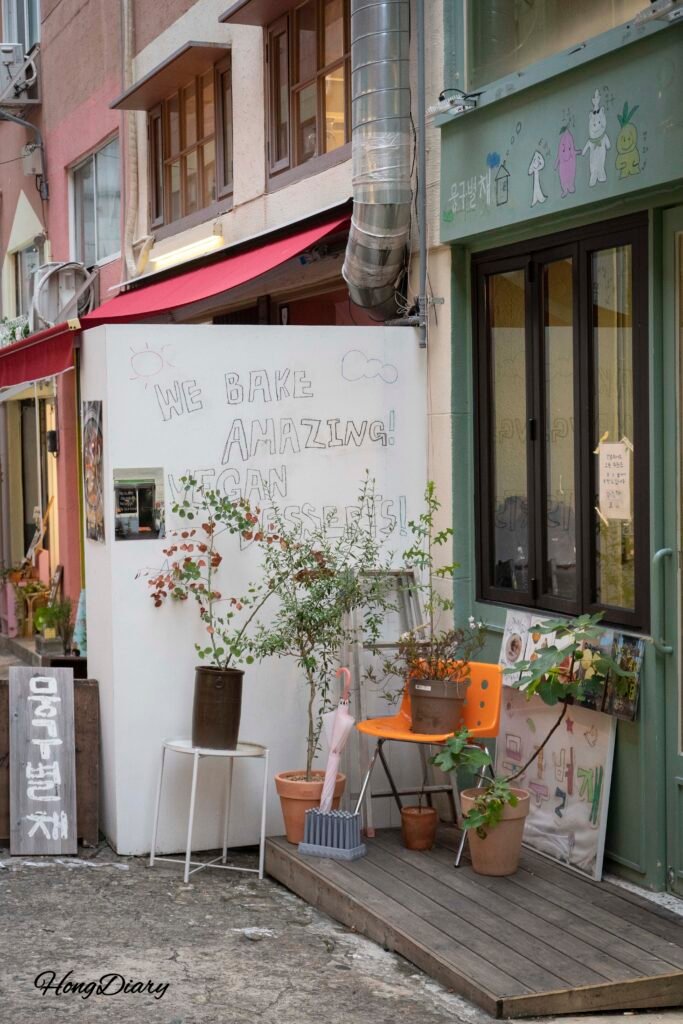
The change, when it came, was not planned. Around 2009, young baristas and small business owners started moving in. The rent was low. The old shop interiors were raw and interesting. One by one, cafes opened inside converted hardware stores — worn shelving, concrete floors, whatever character the original space had left behind. Word spread slowly, then faster.
What followed was not a top-down redevelopment but the opposite: small businesses took root first, and the city’s urban regeneration programs followed later, building around what had already started growing. That order of events matters. It is why Jeonpo Tool Street still feels like a real place rather than something manufactured to feel like one.
What It Looks Like Now
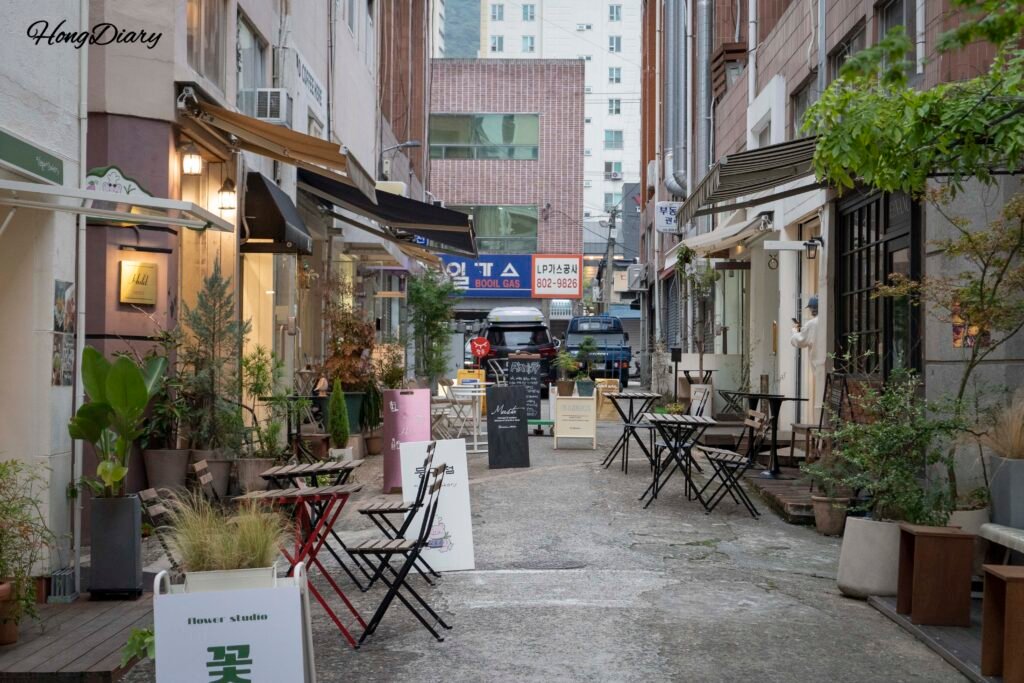
The alley today is narrow and slightly uneven underfoot. Old tool shops still operate alongside cafes, vintage clothing stores, small galleries, craft workshops, photo studios, and restaurants. The coexistence is genuine — a hardware merchant next to a specialty coffee bar next to a vintage record shop is not a design choice, it is just how the street developed.
The visual contrast is part of what makes walking here interesting. Rusted signage and corrugated shutters share a wall with hand-lettered menus and carefully arranged window displays. Neither side looks like it is performing for the other.
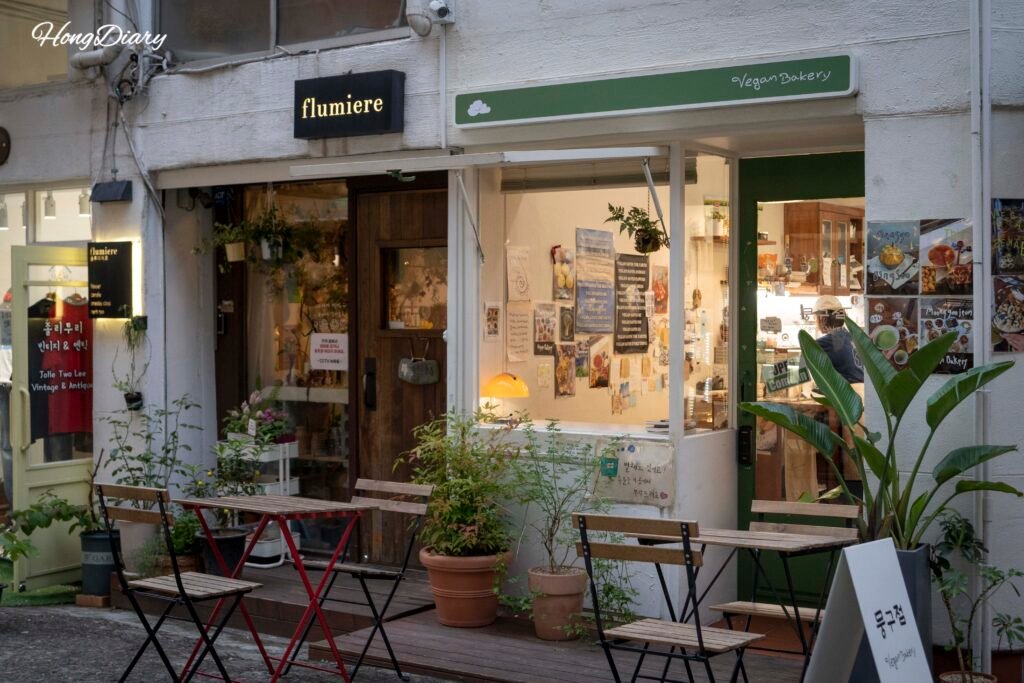
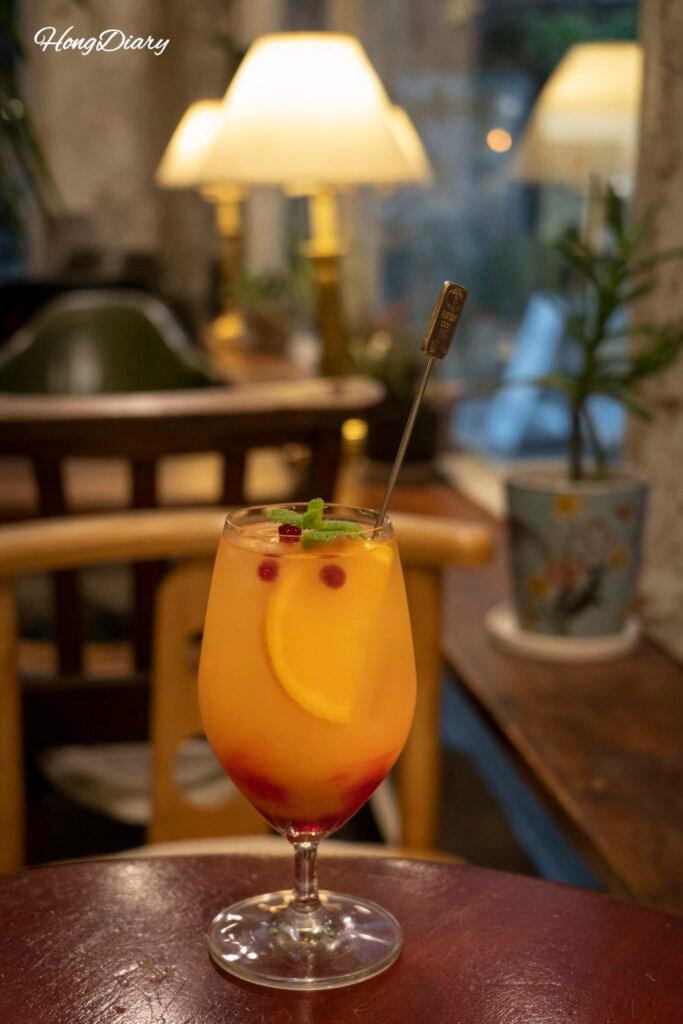
During the day, the alleys reward slow movement. There is no single anchor attraction — the point is to find the place that is exactly your thing, the one you would not have found if you had been following a list. I spent an afternoon drifting through, had an early dinner somewhere, came back when the light was going, and found a cafe I had noticed earlier. Inside, the dim warmth of it felt completely different from the same room a few hours before.
That is the thing about Jeonpo Tool Street at different times of day. The daytime version, with all its detail visible, and the evening version, lit differently and quieter, are genuinely two separate experiences worth having.
Jeonpo Tool Street and Jeonpo Cafe Street Together
The two areas are separated by a single road and about two minutes on foot, but the atmospheres are distinct. Jeonpo Cafe Street feels more like a shopping zone; Jeonpo Tool Street is more like a coffee street — less curated, more lived-in. Most visitors to the neighborhood do both, which makes sense. They complement each other rather than compete.
If you are planning a day around Seomyeon, a natural route is to start on Jeonpo Tool Street in the late afternoon, walk through to Jeonpo Cafe Street, eat somewhere along the way, and come back to whichever spot caught your eye earlier in the day.
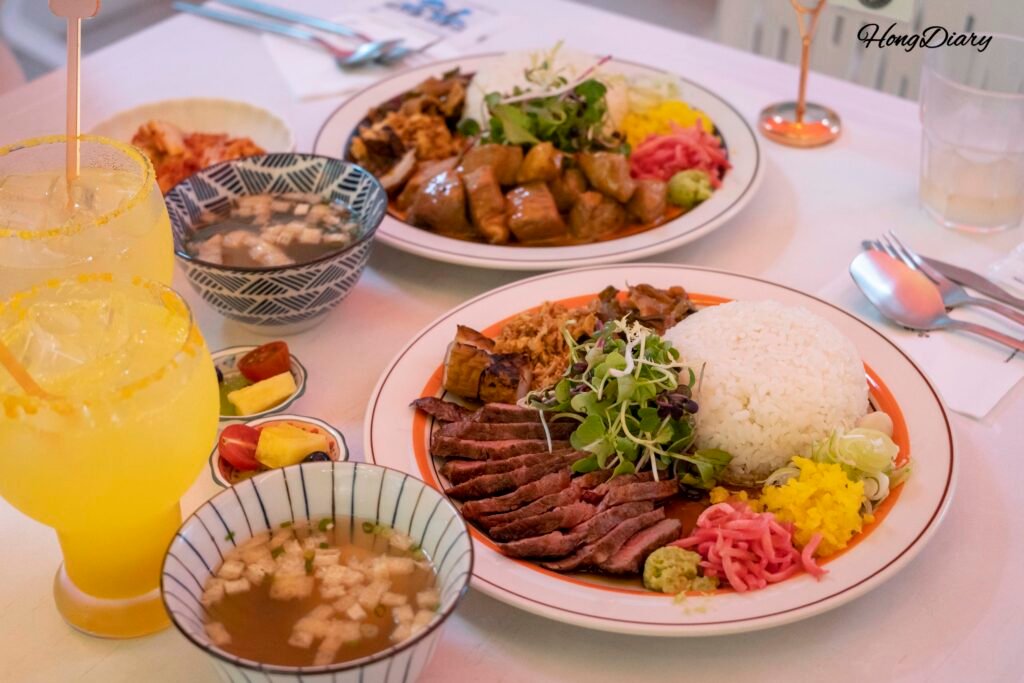
While you are in the area, Yeonhwa Dupbab is about 4 minutes on foot — a fusion Korean rice bowl place where the chicken genuinely surprised me more than the beef, with a kiosk that handles orders in English and Japanese. Details here.
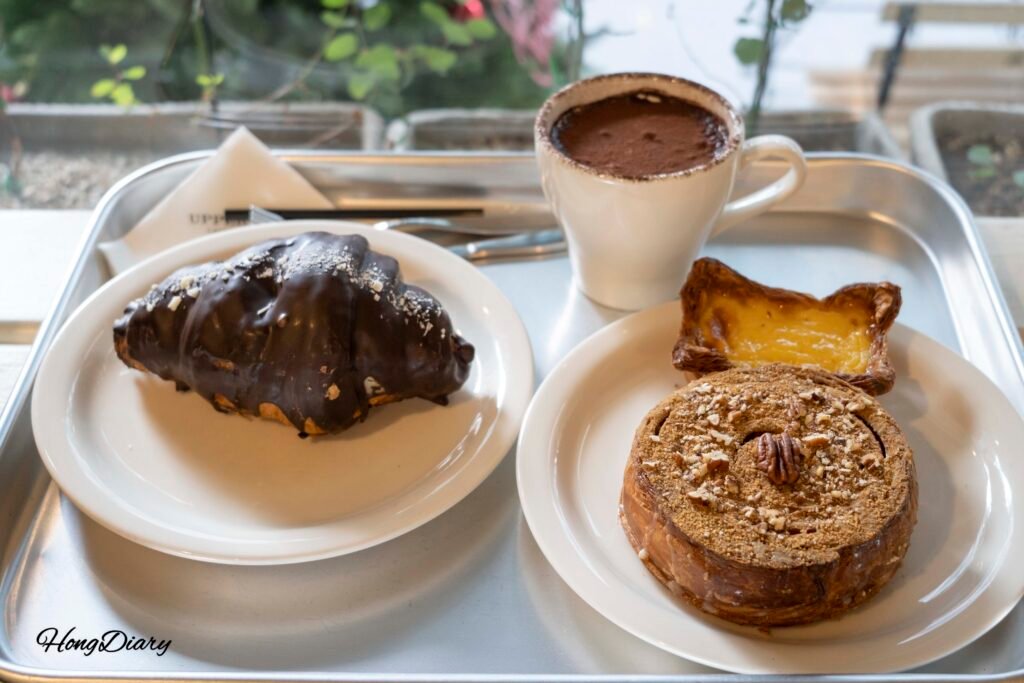
And if you want a pastry stop on Jeonpo Cafe Street itself, Upper East Bakery does croissants and egg tarts worth a detour. Full review here.
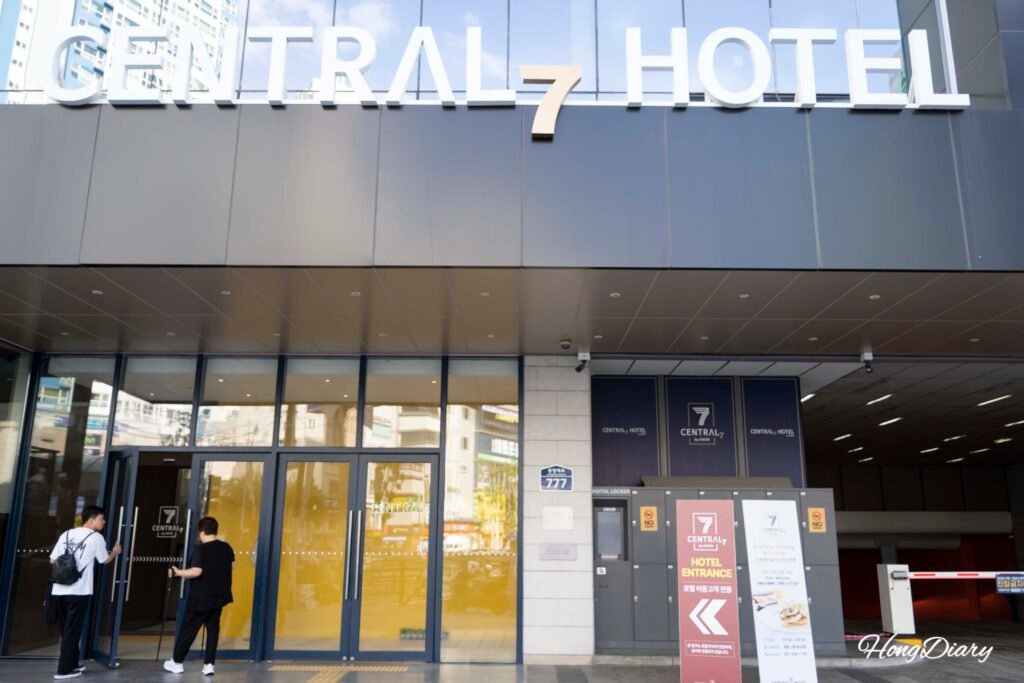
For accommodation, Central Seven Hotel is about a kilometer away and well-placed for getting around the city on Line 2. You can browse options here.
What to Expect
There is no admission, no fixed route, and no best time in the usual sense — though late afternoon into evening gives you both the daytime and the lit-up version in a single visit. The alley is walkable in an hour if you move quickly, or an entire afternoon if you do not.
Jeonpo Tool Street Busan is the kind of place that works best when you are not trying to tick it off a list. It is a neighborhood that changed because people chose to be there, and it shows. That is a harder thing to manufacture than a good cafe, and it is the reason the alley still feels like it belongs to the people in it.
What is Jeonpo Tool Street in Busan?
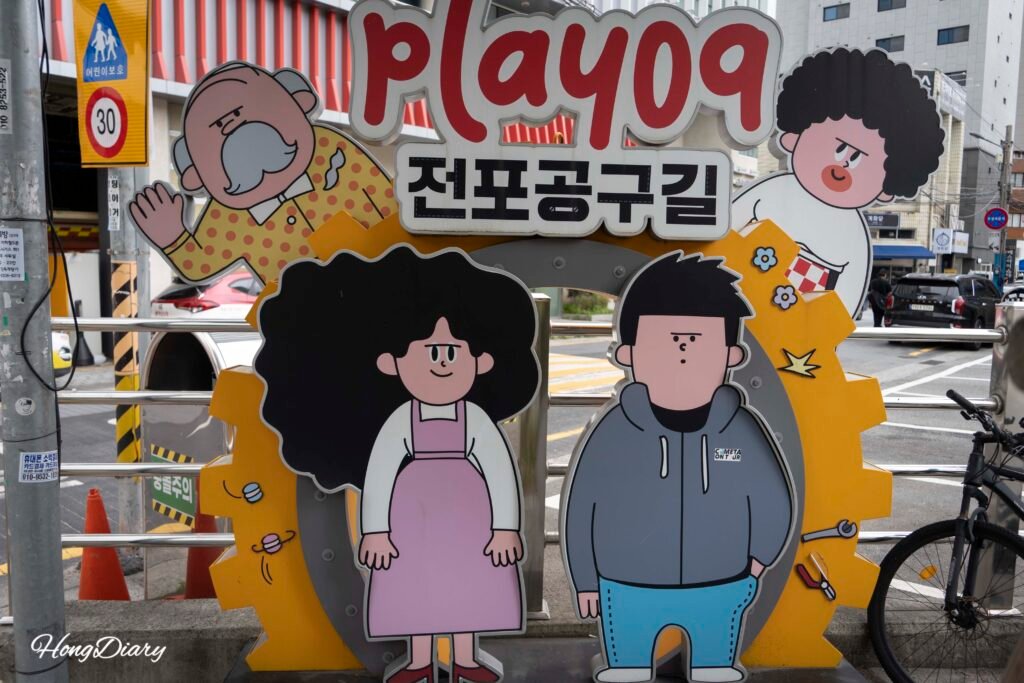
Jeonpo Tool Street (also called Jeollidangil or Jeonpogonggu-gil) is a narrow alley district in Busanjin, Seomyeon, Busan, South Korea. It was originally a dense hardware and tool shop district from the 1960s and 70s. Starting around 2009, young business owners began converting the old shop spaces into indie cafes, vintage stores, craft workshops and small restaurants. Today old tool shops and contemporary businesses operate side by side, giving the area a distinct retro-meets-current atmosphere.
Where is Jeonpo Tool Street and how do I get there?
The address is 20 Seojeon-ro 37beon-gil, Busanjin-gu, Busan. The nearest station is Seomyeon Station Exit 8 on Busan Metro Line 1 or 2 — about 450 meters or a 6-minute walk. You can also reach it from Jeonpo Station Exit 7 on Line 2, about 600 meters or a 10-minute walk.
What is the difference between Jeonpo Tool Street and Jeonpo Cafe Street?
Jeonpo Cafe Street is the better-known area — selected by the New York Times as one of 52 places to visit in 2017, and more polished and curated in feel. Jeonpo Tool Street runs parallel to it, one road away, and has a rougher, more local atmosphere. Old hardware shops still operate alongside cafes and shops. The two areas complement each other and most visitors do both on the same trip.
What can I do on Jeonpo Tool Street Busan?
The main draw is walking and exploring — there is no single anchor attraction. You will find indie cafes, vintage clothing stores, craft workshops, photo studios, small restaurants and the occasional working hardware shop. The street rewards slow movement and wandering rather than a fixed checklist. Both the daytime and evening versions of the alley are worth experiencing, as the atmosphere changes considerably after dark.
When is the best time to visit Jeonpo Tool Street Busan?
Late afternoon into evening gives you both experiences in one visit — the daytime detail and texture, and the evening atmosphere when the shops light up. Weekdays tend to be calmer. The alley takes about an hour at a quick pace or a full afternoon if you stop along the way.
Is Jeonpo Tool Street good for solo travelers?
Yes. It is an easy area to explore alone, with no pressure to buy or book anything. Many of the cafes along the street have solo-friendly seating. The wandering, find-what-you-like nature of the place suits independent visitors well.
What is nearby Jeonpo Tool Street worth combining with a visit?
Jeonpo Cafe Street is a two-minute walk and a natural pairing. Yeonhwa Dupbab, a fusion Korean rice bowl restaurant with English and Japanese kiosk ordering, is about ten minutes on foot. Upper East Bakery on Jeonpo Cafe Street does croissants and egg tarts worth stopping for. Central Seven Hotel is about a kilometer away and well-placed for getting around Busan on Metro Line 2.