
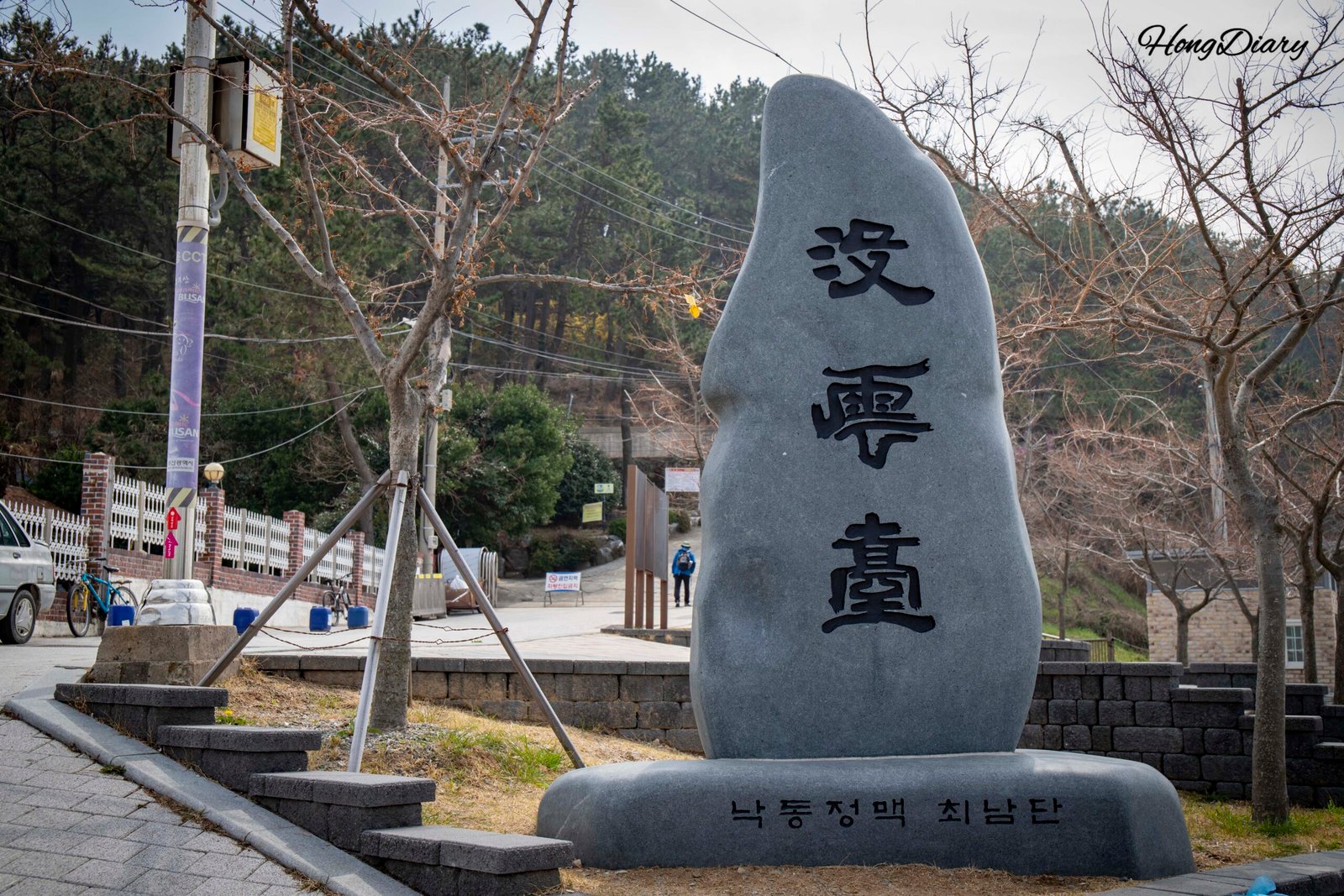
Most visitors to Busan head straight for Haeundae or Gwangalli and never make it to the western side of the city. I almost didn’t either. But at the far end of Dadaepo Beach, past the tidal flats where kids chase crabs and the reed fields where newlyweds pose for photos, there’s a forested headland called Molundae that leads to some of the most quietly beautiful coastline I’ve found anywhere in Korea. No crowds, no entrance fee, just pine forest, rocky cliffs, and a pair of hidden beaches where you might be the only person sitting. The Molundae Trail turned a routine beach visit into the highlight of my trip.
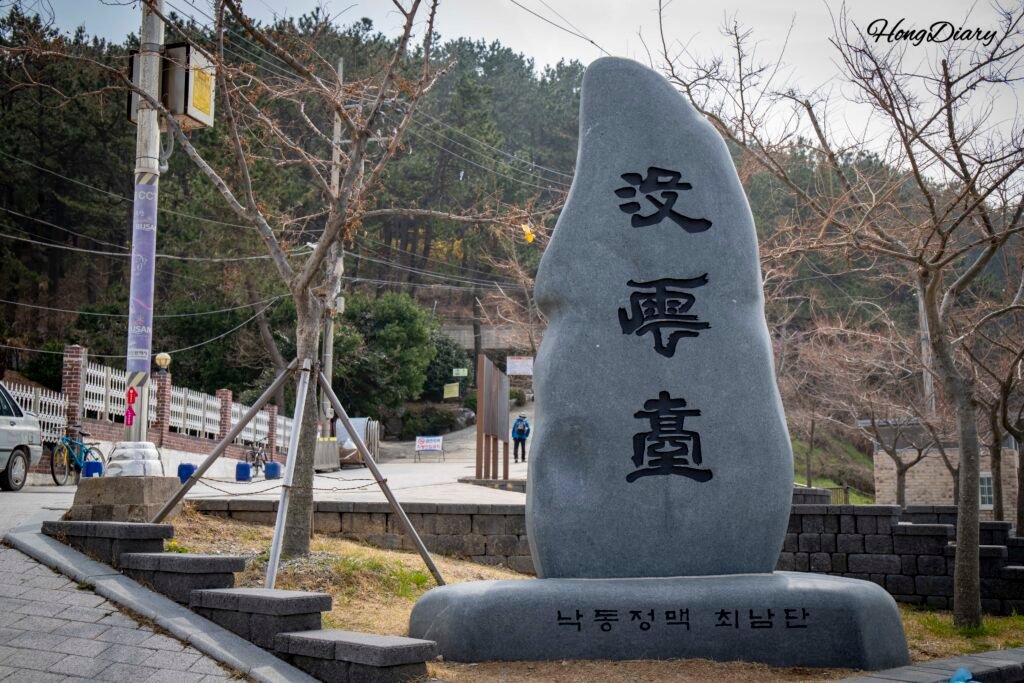
Molundae sits at the southwestern tip of Busan, in the Saha-gu district. It’s a peninsula that juts out into the sea at the left end of Dadaepo Beach, where the Nakdong River empties into the ocean. Until the 16th century, it was actually a separate island — sediment carried downstream by the Nakdong gradually built a sandbar that connected it to the mainland, forming what geographers call a tied island. The name Molundae translates roughly to “a platform lost in clouds,” because the sea currents around this point generate heavy fog that frequently hides the headland from view. The area served as a military zone until 1997, which is why the forest and coastline remain so well-preserved — decades of restricted access kept development out. It’s designated as Busan Monument No. 27. Despite being reachable by subway in under an hour from Busan Station or Gimhae Airport, the trail sees a fraction of the foot traffic that Igidae or Taejongdae draws. Most of the people I passed on the path were local retirees on their afternoon walk.
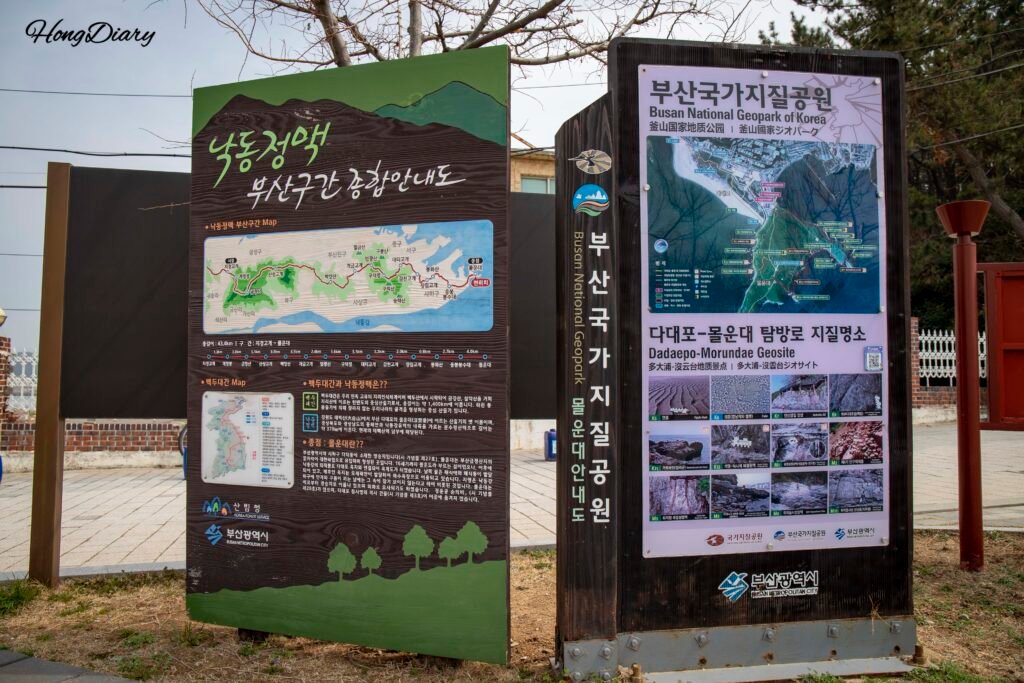
Table of Contents
Quick Info
| Detail | Info |
|---|---|
| Location | Molundae Park, San 144, Dadae-dong, Saha-gu, Busan |
| Hours | Apr–Sep: 5:00 AM – 8:00 PM / Oct–Mar: 6:00 AM – 6:00 PM |
| Admission | Free |
| Time Needed | Approx. 2 hours |
| Nearest Subway | Dadaepo Beach Station (Line 1), Exit 4 — approx. 480 m (10 min walk) |
| Parking | Available at entrance — ₩200 per 10 min ($0.13 USD / €0.11 EUR), or ₩4,700 ($3.10 USD / €2.70 EUR) for a full day |
| Difficulty | Easy to moderate (one steep entrance slope, then mostly flat) |
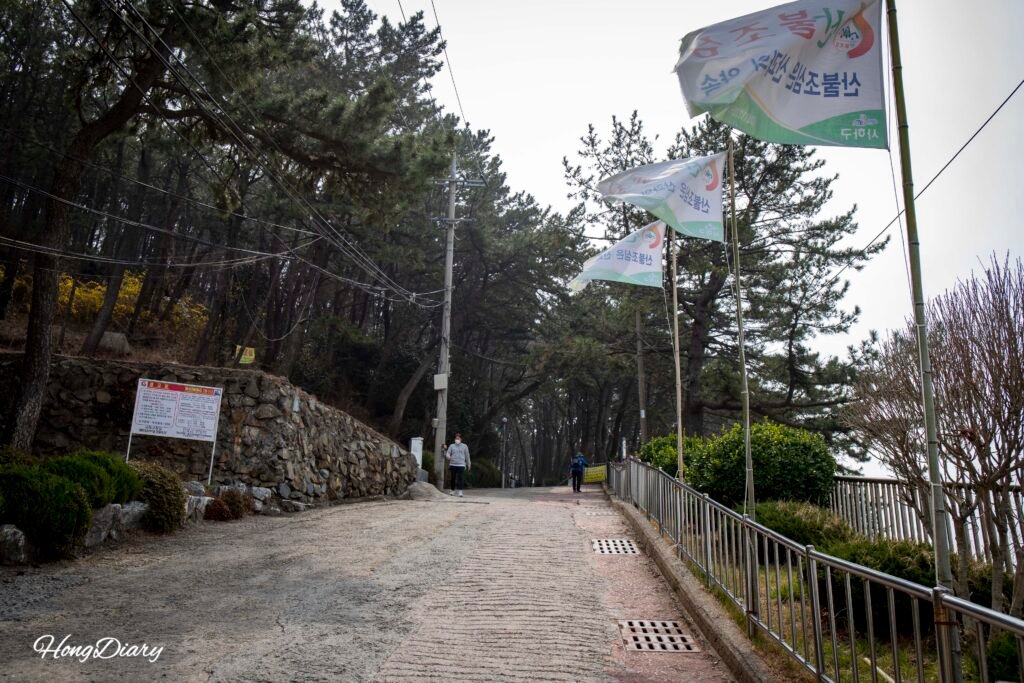
The Walk: Pine Forest and a Joseon-Era Relic
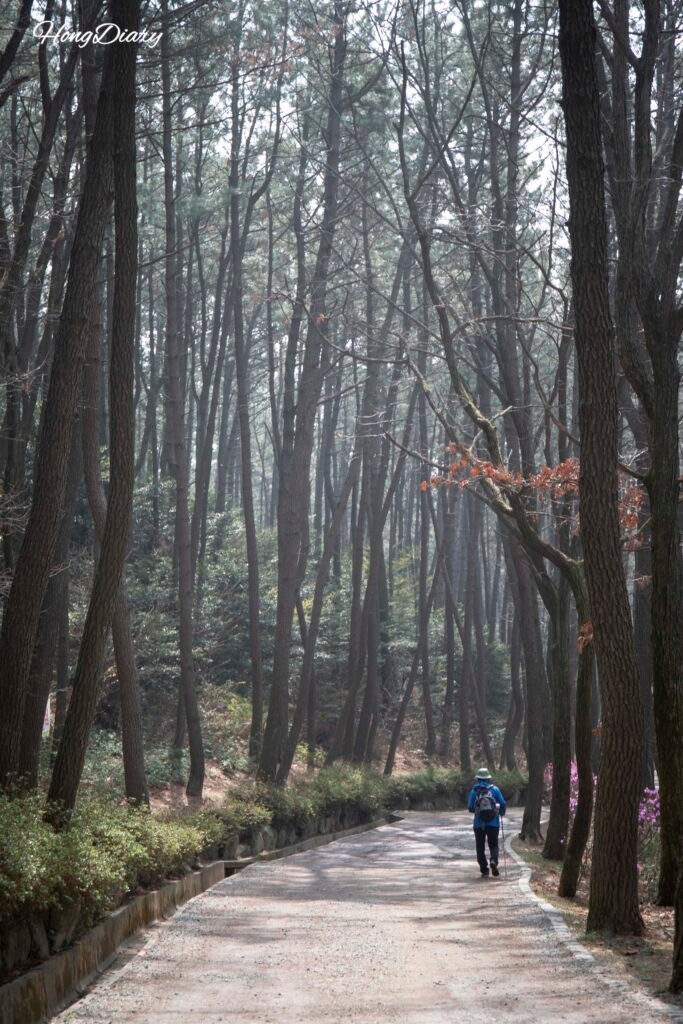
The entrance has a noticeable uphill slope that catches you off guard, but once you clear it, the path levels out into a flat, shaded walk through dense black pine forest. These trees — called gomsol in Korean, also known as sea pines — have been growing here for decades, thriving in the salty coastal air.
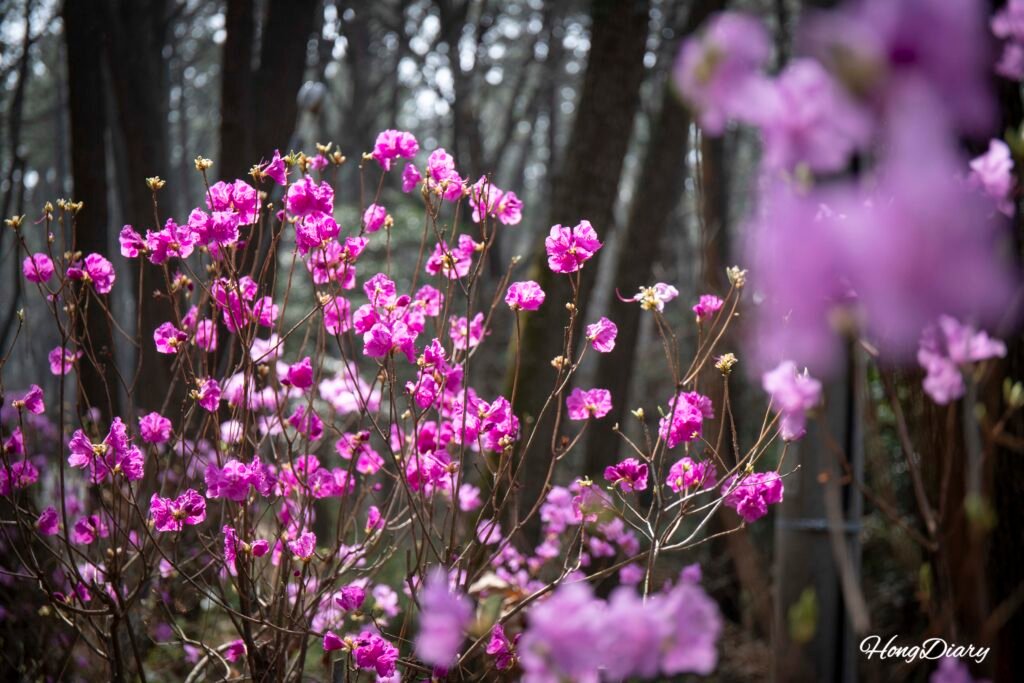
Their twisted trunks and dark bark form a canopy overhead that blocks most of the sunlight, making the walk comfortable even on a warm day. If you visit in spring, azaleas line the trail in bright pink clusters, adding color to the otherwise deep green surroundings.
About ten minutes in, you reach the Dadaejin Dongheon, a Joseon-era government building that once served as the local magistrate’s office. It’s the only surviving structure from the Dadaejin Fortress, designated as Busan Tangible Cultural Property No. 3. Today only the pillars and roof remain, giving it the look of an open pavilion. It’s a brief stop — worth pausing to read the signage, but not a destination in itself.
At the Dongheon, the trail forks. To the left, a path leads toward the observatory and the main coastal viewpoints. To the right, a steeper route climbs toward Hwasondae, a rockier area at the eastern tip that’s closer to a proper hike than a walk. I took the left fork this time — the observatory route is the more scenic and accessible option, and it leads directly to the part of Molundae that made the whole trip worth it.
The Hidden Beaches
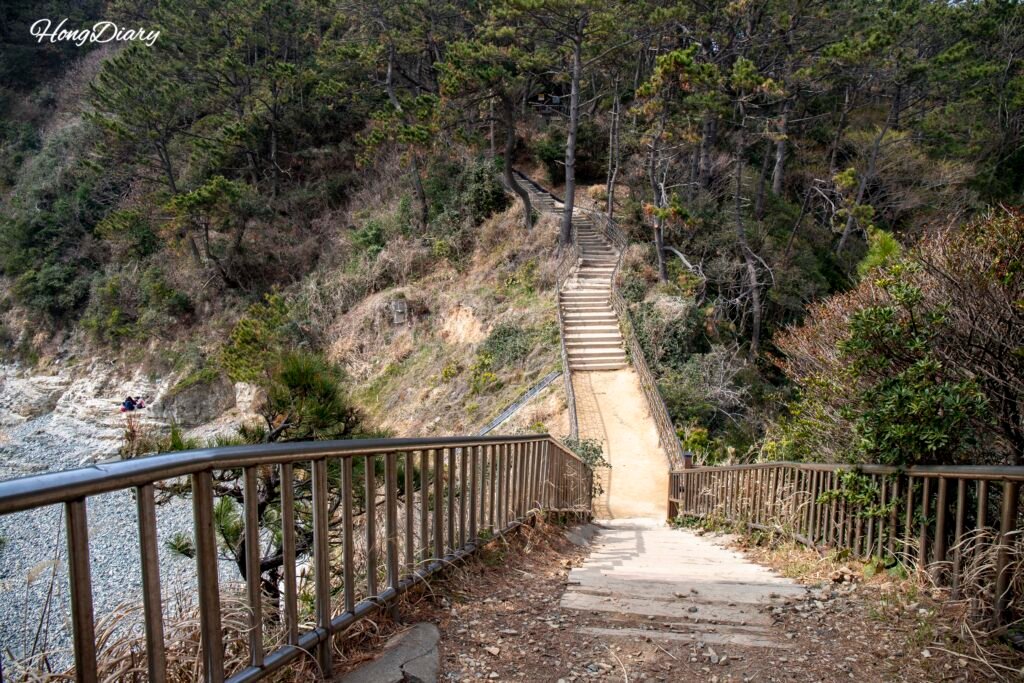
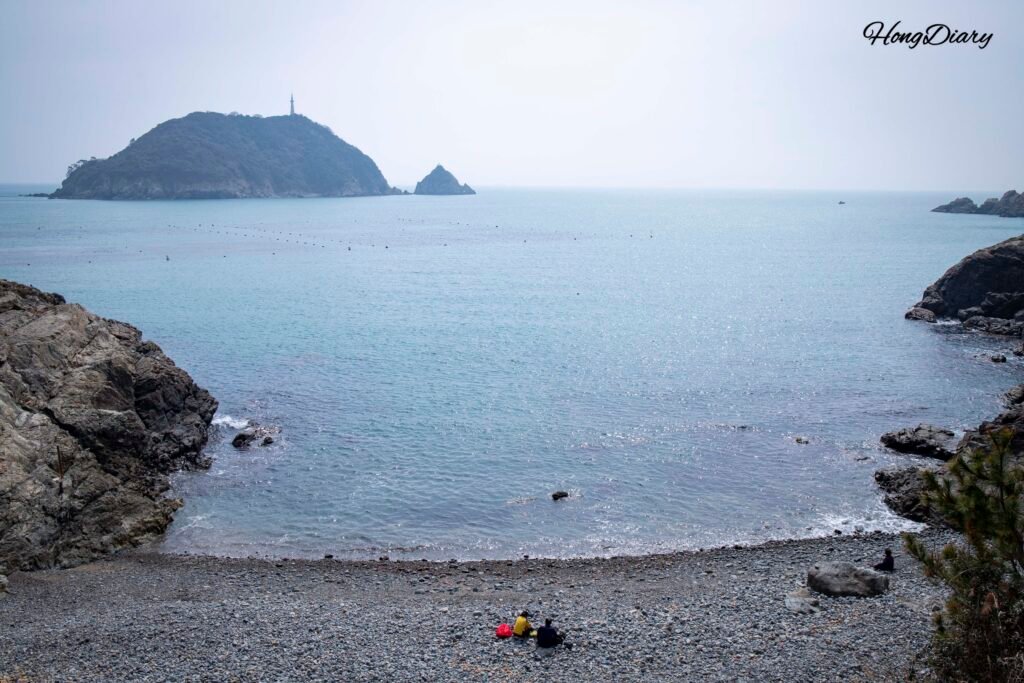
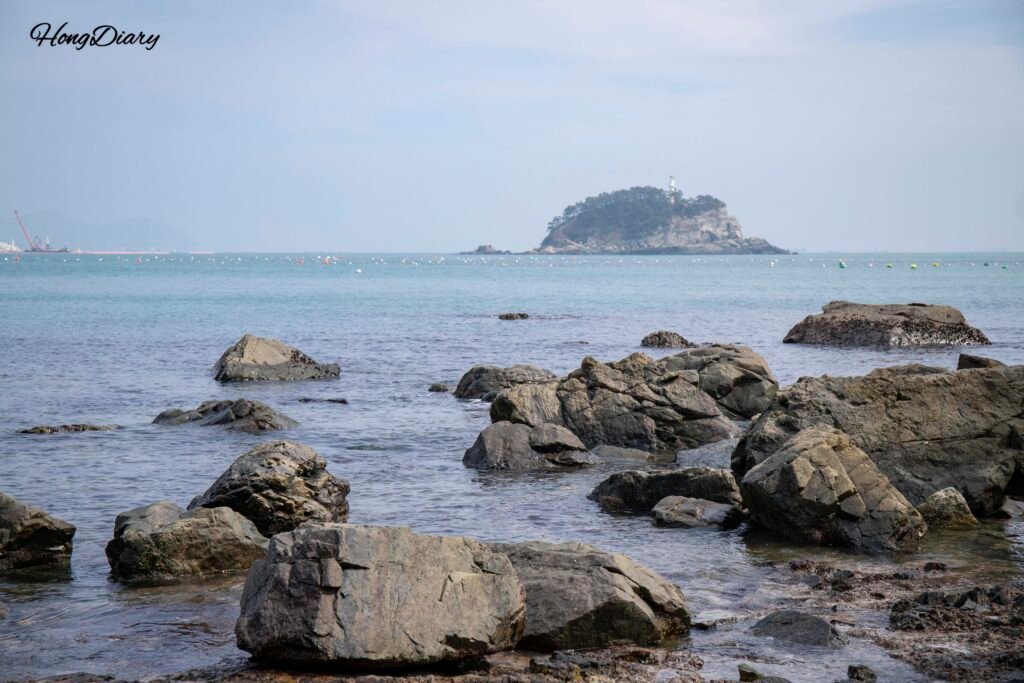
This is why you come to Molundae. A set of stairs descends from the main trail toward the shore, and at the bottom, the coastline splits into two beaches — a sandy stretch on one side and a pebble beach on the other. Neither is large, but both feel completely removed from the Dadaepo Beach crowds just a few hundred meters away.
The pebble beach sits between rocky outcrops and sea-worn cliffs, framed by the same black pines that line the trail above. The water was clear enough to see the bottom, and the only sounds were waves hitting stone and wind moving through the trees. I sat on one of the flat rocks for a while, doing nothing in particular, and it struck me that this didn’t feel like Busan at all — more like a stretch of undiscovered coastline on a smaller island somewhere.
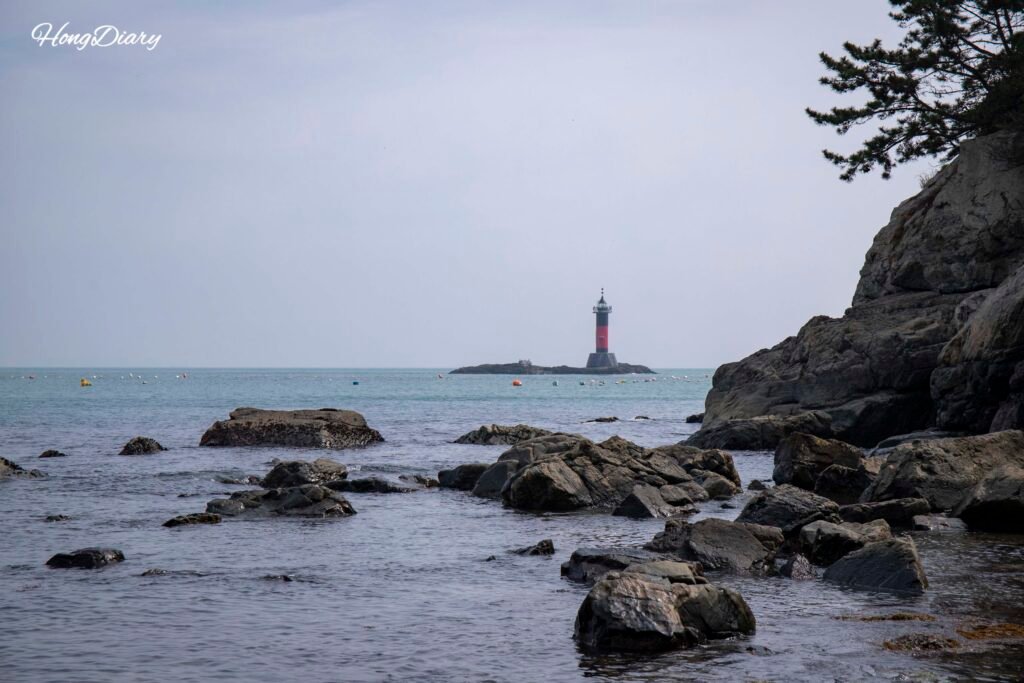
On the opposite side, the beach faces away from direct sunlight in the afternoon, which made the sky and sea appear sharper and more vivid. A few people had already settled under the pine shade, resting quietly. The cliff formations along the waterline — layered rock smoothed by tides — added a rugged texture that photographed well from almost any angle, especially with the small lighthouse visible in the distance.
For a city beach area, the water quality surprised me. The combination of Nakdong River currents and the relatively untouched environment seemed to keep it noticeably cleaner than the main swimming beaches.
Practical Tips
The trail is well-maintained but there are a few things worth knowing before you go.
| Tip | Detail |
|---|---|
| Footwear | Regular sneakers work fine for the observatory route. Hiking shoes recommended for the Hwasondae fork. |
| Water | No vending machines on the trail. Bring your own. |
| Sunset timing | Dadaepo Beach (adjacent) is famous for its sunset. Time your visit for late afternoon to catch both the trail and the golden hour. |
| Spring bonus | Azaleas bloom along the trail, usually mid-April. Worth timing if you can. |
| Hwasondae option | The right fork at the Dongheon leads to Hwasondae, a rockier path for more experienced walkers. More demanding but offers views toward Taejongdae across the water. |
| Restricted area | The path toward Jeongungongsunui-bi is closed to civilians — stick to the observatory or Hwasondae routes. |
Final Thoughts on the Molundae Trail
The Molundae Trail isn’t the kind of attraction that shows up on Busan highlight reels. There’s no skywalk, no cable car, no Instagram-famous viewpoint with a branded photo zone. What it offers instead is something harder to find: a quiet coastal walk through dense pine forest that opens onto hidden beaches where you can sit and listen to waves without competing for space. The fact that it’s free, accessible by subway, and rarely crowded makes it one of the most underrated spots in the city.
If you’re visiting Dadaepo for the sunset — and you should — add an extra two hours for the Molundae Trail beforehand. The combination of forest, cliffs, and empty beaches followed by one of Busan’s best sunsets is a full afternoon that costs nothing but time.
Since Molundae is on Line 1, it’s also easy to connect with other stops on the same subway line that most tourists skip.
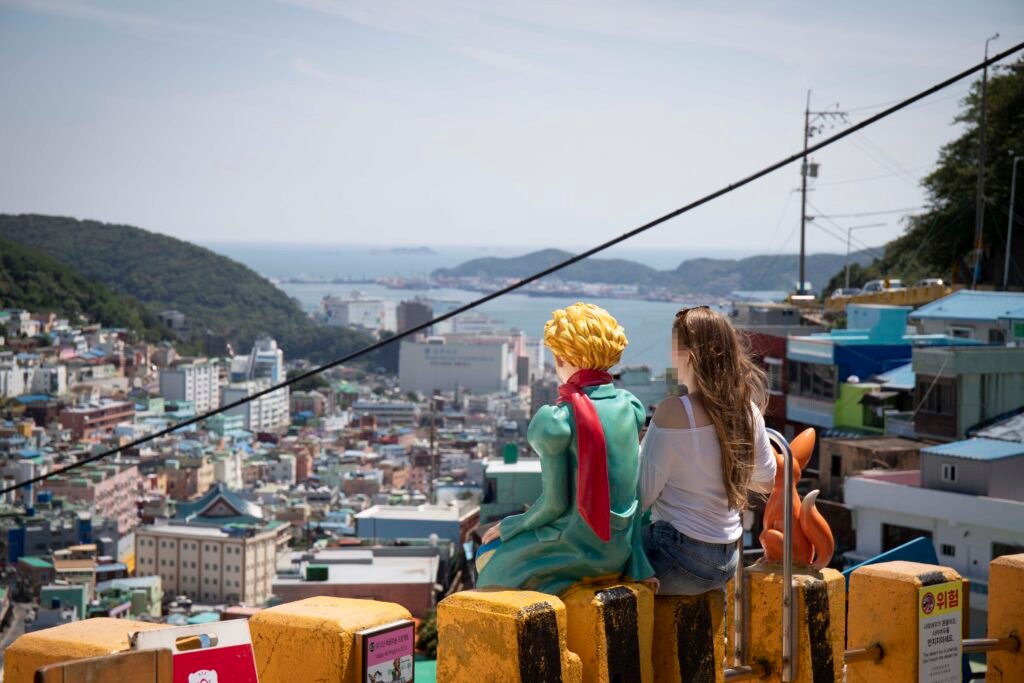
Gamcheon Culture Village is just a few stations north — a hillside neighborhood of pastel-colored houses and street art that’s become one of Busan’s most photogenic walks.
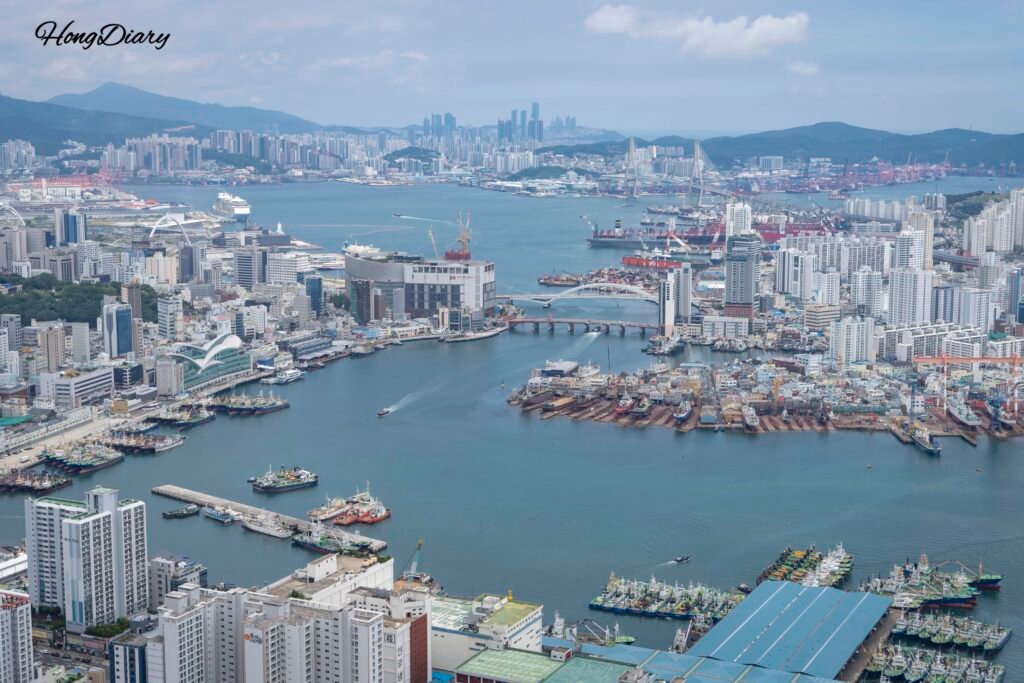
And from Gamcheon, you can reach Cheonmasan Observatory, a newer panoramic viewpoint that gives you a sweeping look at the city from a completely different angle.
String all three together and you’ve got a full day on Busan’s underexplored western side — the Molundae Trail as your anchor, no Haeundae required.
Frequently Asked Questions
How do I get to Molundae Trail in Busan?
Take Busan Metro Line 1 to Dadaepo Beach Station and use Exit 4. The entrance to Molundae Park is approximately 480 meters away, about a 10-minute walk. Follow the path past Dadaepo Beach toward the left end of the shoreline to reach the trailhead.
How long does the Molundae Trail take?
A round trip on the observatory route takes approximately 2 hours at a relaxed pace. If you add the Hwasondae fork (the rockier eastern route), expect closer to 3 hours. The trail is not long in distance, but the beaches at the bottom invite you to stay a while.
Is the Molundae Trail difficult?
The entrance has a steep uphill slope, but after that the path is mostly flat and shaded. The observatory route is manageable for most fitness levels, including older visitors. The Hwasondae fork is steeper and rockier, closer to a moderate hike than a casual walk.
Is there an entrance fee for Molundae?
No. Admission to Molundae Park is completely free. If you’re driving, parking is available at the entrance for ₩200 per 10 minutes ($0.13 USD / €0.11 EUR), or ₩4,700 ($3.10 USD / €2.70 EUR) for a full day.
What are the opening hours for Molundae Park?
April through September: 5:00 AM to 8:00 PM. October through March: 6:00 AM to 6:00 PM. Plan to arrive with enough time to complete the walk before closing, especially in winter when the park closes at 6 PM.
Can I see the sunset from Molundae?
Molundae itself is a forested headland, so sunset views from the trail are limited. However, Dadaepo Beach — directly adjacent — is one of Busan’s most famous sunset spots. The best approach is to walk the Molundae Trail in the afternoon and head back to Dadaepo Beach in time for golden hour.
When is the best time to visit the Molundae Trail?
Spring (mid-April) is ideal for the azalea blooms along the trail. Autumn offers comfortable temperatures and clear skies. Summer is hot but the pine canopy provides shade. Late afternoon visits in any season let you combine the trail with a Dadaepo Beach sunset.