
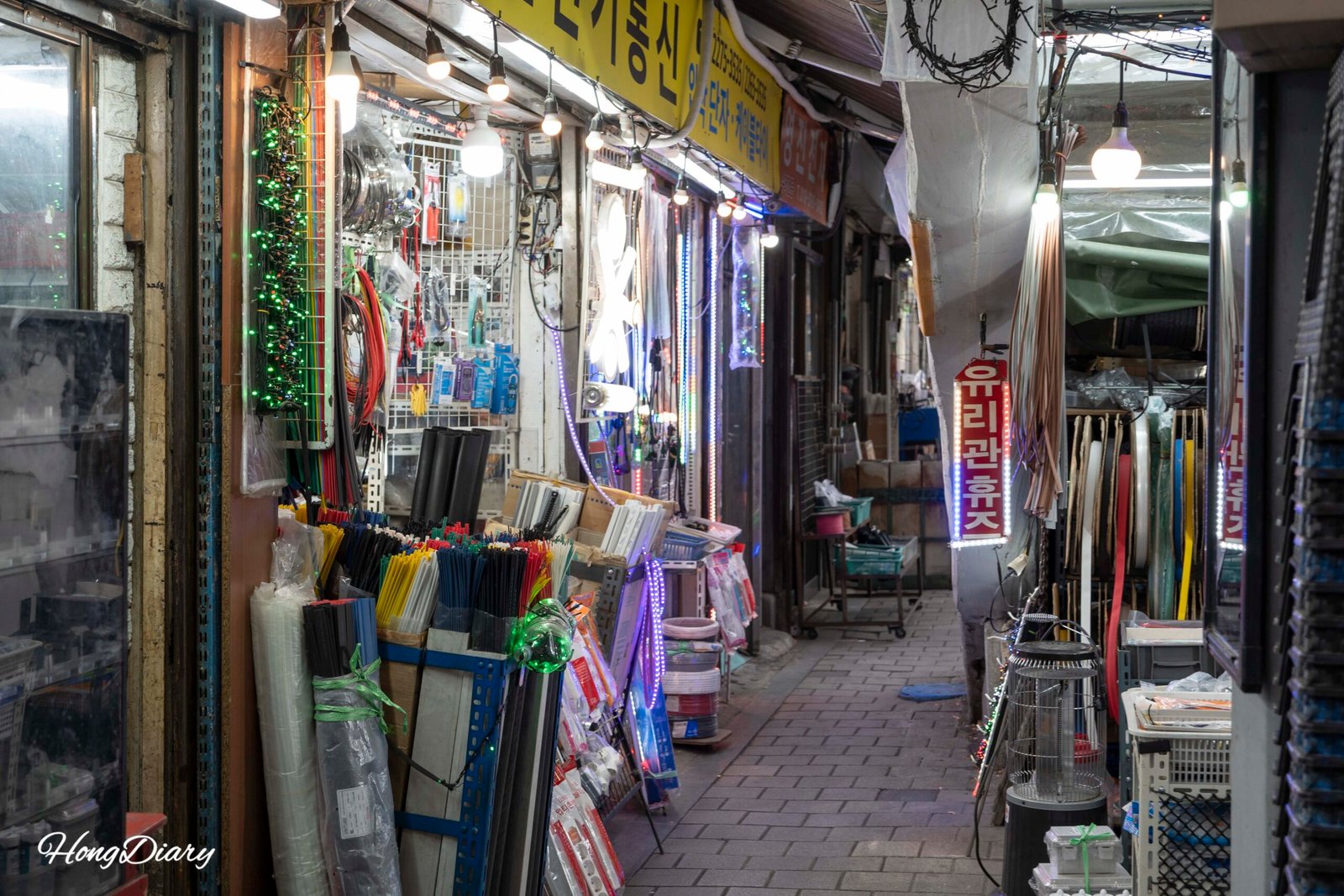
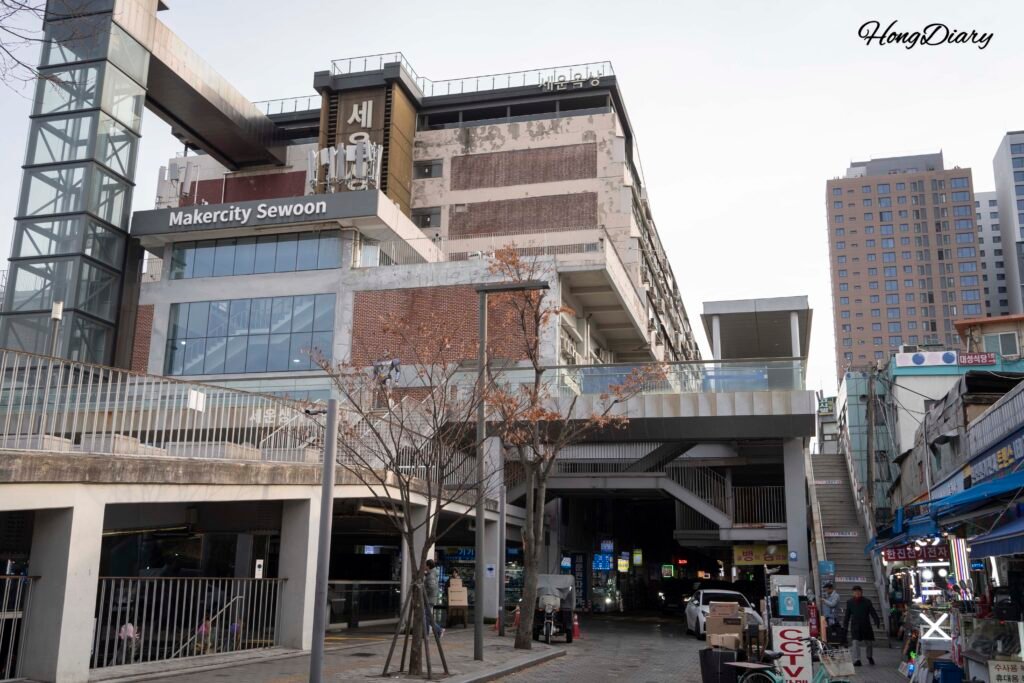
Sewoon Sangga is a 1960s mixed-use complex in Jongno, Seoul, sitting between Jongno 3-ga and Euljiro 4-ga stations. Built in 1968 as Korea’s first multipurpose building, it originally functioned as an electronics and hardware market. Today it operates as both — the original shops are still there, now mixed with cafes, exhibition spaces, a rooftop garden, and a bookstore. The building gained wider recognition as Geumga Plaza in the Korean drama Vincenzo (2021), which brought a new wave of visitors. It is free to enter and open Monday to Saturday from 09:00 to 19:00. Sundays and public holidays are closed, though individual shop hours may vary.
I ended up at Sewoon Sangga by chance — I had some time to spare near Jongno 3-ga and was looking for something nearby. A few photos online caught my attention, and once I found the building I ended up spending more time than expected just wandering through it.
Table of Contents
Sewoon Sangga and the Retro Atmosphere of Jongno
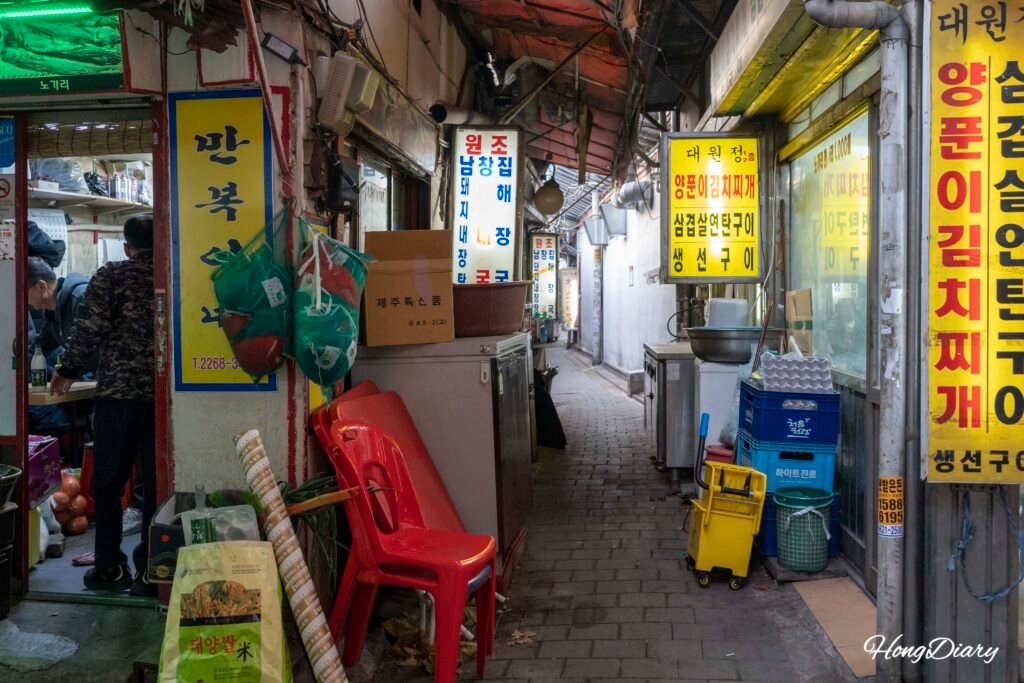
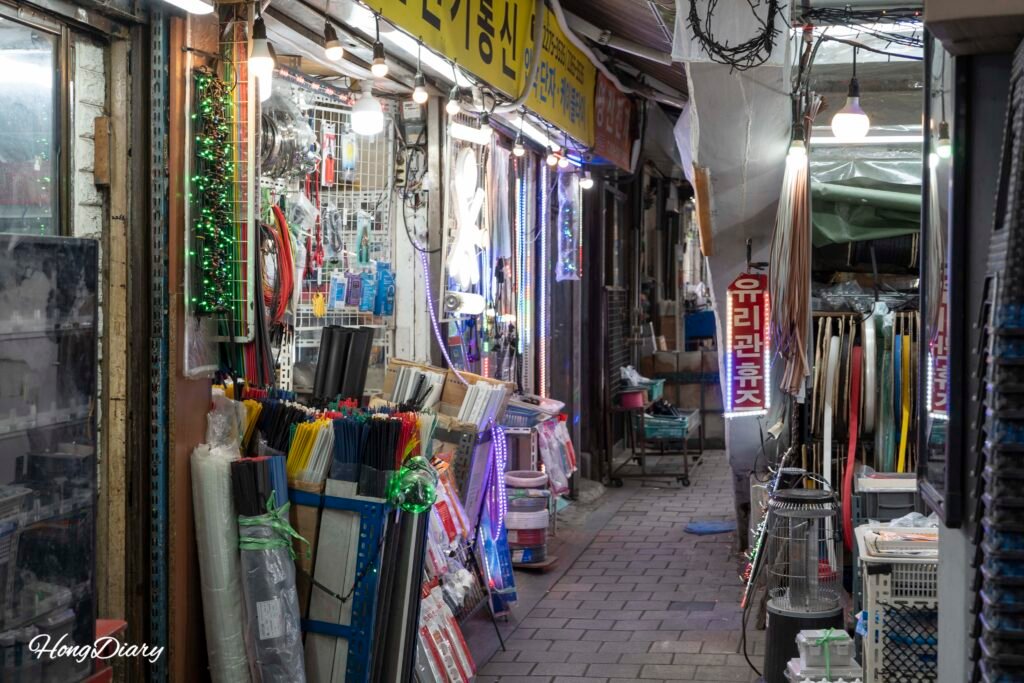
The area around Jongno 3-ga still has a character that is hard to find in other parts of Seoul. Walking toward Sewoon Sangga, the streets are lined with small shops and businesses that have been there for decades. The narrow alleyways feel lived-in rather than staged, and the whole neighborhood moves at a different pace from the more polished districts nearby.
Sewoon Sangga itself arrives with a strong first impression. The building has the weight of the 1960s in its concrete structure, and the mix of old electronics shops and newer creative spaces inside gives it a character that is genuinely different from other places to visit in Seoul. It is not a tourist attraction in the conventional sense — there is no set route, no entrance fee, and no particular thing you have to do.
What to See and Do at Sewoon Sangga
The floors are organized roughly as follows:
| Floor | Contents |
|---|---|
| 1F | Electronics distribution shops, Sewoon Square, Sewoon Hall, Jungbu Government Office Site Exhibition |
| 2F | Home appliance wholesale shops, Sewoon Collaboration Support Center offices |
| 3F | Electrical and electronic parts shops, Book Lounge, museum, information desk |
| 4F | Electronics repair shops |
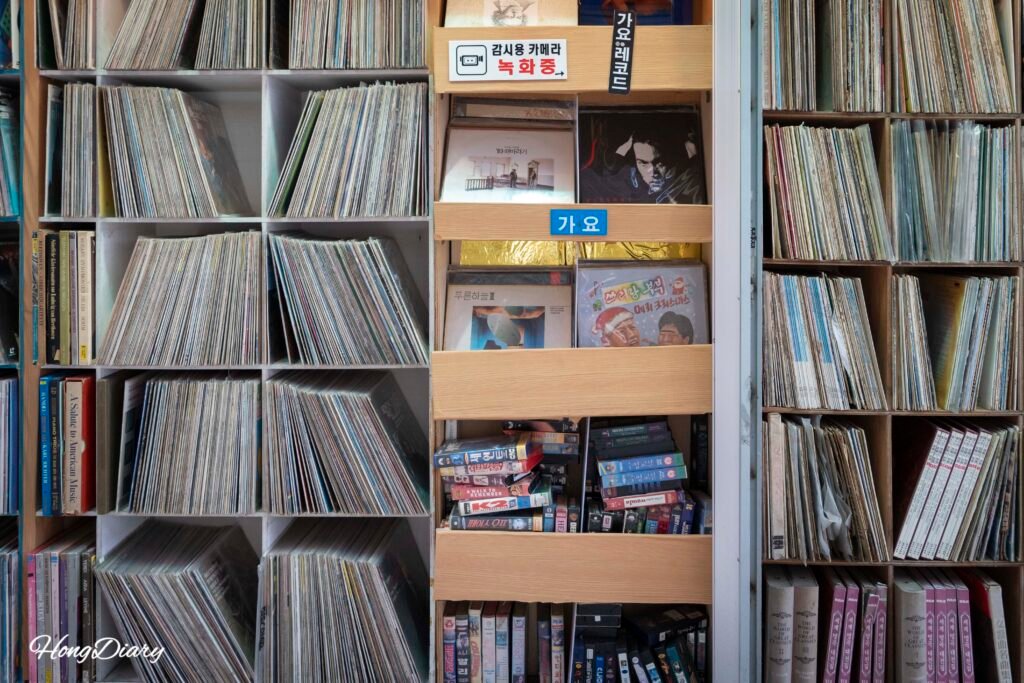
The original electronics and hardware shops still occupy most of the commercial space, and they continue to operate. Walking through the corridors you will pass repair shops, component dealers, and tool vendors that have been here for years. The current generation of makers and small manufacturers still relies on this place for parts and services.
In between these older businesses, newer spaces have been added without displacing them. There is a bookstore and a lounge area on the third floor, exhibition spaces at various points, and photo spots throughout the building. None of this feels forced — the newer additions sit alongside the older shops naturally.
The rooftop is one of the main draws. From up there, Namsan Tower, Cheonggyecheon Stream, Jongmyo Shrine, and the wider Jongno skyline are all visible. The view stretches across a wide section of central Seoul, and on a clear day you can see as far as Namsan Tower. The rooftop is also worth visiting after dark for the city lights.
There is no required sequence for visiting. The experience here comes from moving through the building at your own pace — taking a staircase up, doubling back down a different corridor, stopping when something catches your attention. It is one of those places where the time passes without you noticing.
Getting There and Practical Information
Access Information
| Item | Details |
|---|---|
| Address | 160, Cheonggyecheon-ro, Jung-gu, Seoul |
| Nearest Station | Euljiro 4-ga Station (Lines 2 and 5), Exit 3 — 300m walk (about 5 min) |
| Also accessible from | Jongno 3-ga Station (Lines 1, 3, 5), Exit 12 |
| Admission | Free |
Opening Hours
| Day | Hours |
|---|---|
| Monday – Saturday | 09:00 – 19:00 |
| Sunday and public holidays | Closed |
Note: Individual shop hours within the building may differ from the above.
Nearby
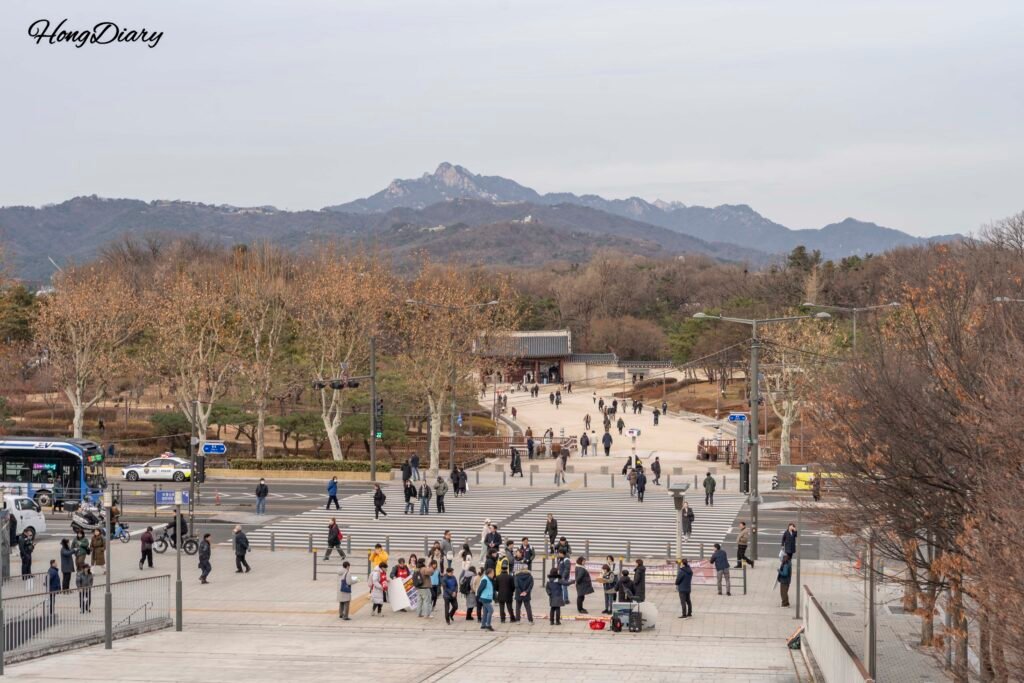
Sewoon Sangga sits at a useful point in central Seoul. Jongmyo Shrine and Cheonggyecheon Stream are both directly adjacent. Ikseon-dong Hanok Village is within walking distance to the north, and the Euljiro alley area — known for its retro cafes and bars — is a short walk to the south. The building connects naturally into a broader Jongno or retro Seoul itinerary.
What are Sewoon Sangga’s opening hours and is there an admission fee?
Admission is free. The building is open Monday to Saturday from 09:00 to 19:00. It is closed on Sundays and public holidays. Individual shops within the building may keep different hours, so it is worth checking if you are visiting for a specific store. The address is 160, Cheonggyecheon-ro, Jung-gu, Seoul.
How do I get to Sewoon Sangga by public transit?
The most direct access is from Euljiro 4-ga Station on Lines 2 and 5 — use Exit 3 and walk about 300 meters (approximately 5 minutes). It is also accessible from Jongno 3-ga Station on Lines 1, 3, and 5 via Exit 12. Both stations put you close to the building from different directions, so either works depending on where you are coming from.
Is Sewoon Sangga really the Vincenzo filming location?
Yes. Sewoon Sangga appeared as Geumga Plaza in the Korean drama Vincenzo (2021), which brought a significant number of visitors to the building. The exterior and interior corridors used in the drama are part of the actual building that visitors can walk through today.
What is there to do at Sewoon Sangga?
There is no set route or specific activity required. The building has original electronics and hardware shops on most floors, alongside a bookstore and lounge on the third floor, exhibition spaces, and photo spots throughout. The rooftop offers panoramic views of central Seoul including Namsan Tower, Jongmyo Shrine, and Cheonggyecheon Stream. The main experience is wandering through the building at your own pace and taking in the mix of old and new. Most visits take between one and two hours.
What makes Sewoon Sangga different from other things to do in Jongno?
The combination of a functioning 1960s electronics market and a regenerated cultural space in the same building is genuinely unusual. Unlike most redeveloped spaces in Seoul where the original use has been replaced, Sewoon Sangga still operates as an electronics and hardware district while hosting newer spaces alongside. The neighborhood surrounding the building also retains its older character — the streets leading to Sewoon Sangga have a lived-in quality that is increasingly rare in central Seoul.
Is Sewoon Sangga good for photography?
Yes. The building has a number of photo spots throughout the corridors and floors, and the rooftop view of central Seoul is one of the better elevated viewpoints available without paying an admission fee. The mix of old signage, original shop fronts, and newer design elements throughout the building also makes for varied photography. Evening visits are worth considering for the city lights from the rooftop.
How does Sewoon Sangga fit into a broader Seoul itinerary?
Sewoon Sangga connects well with several nearby areas. Ikseon-dong Hanok Village is within walking distance to the north. Jongmyo Shrine and Cheonggyecheon Stream are directly adjacent. The Euljiro alley area, known for its retro cafes and bars, is a short walk to the south. The author followed the visit with a walk to Ikseon-dong, which is a comfortable distance on foot. Together these areas make for a natural retro Seoul half-day or full-day itinerary centered on Jongno.