
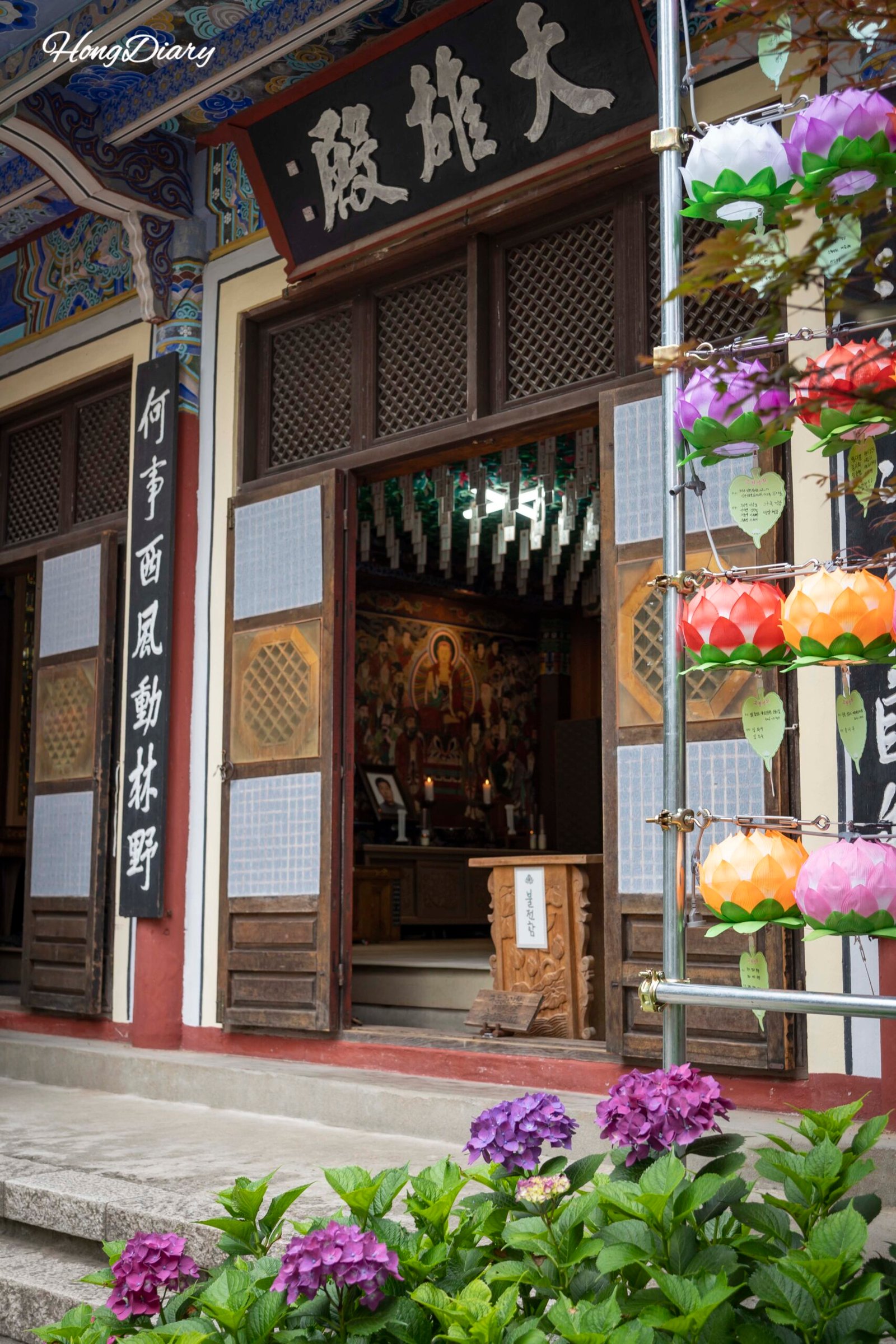
Most people who visit Taejongdae in Busan come for the coastal cliffs and the sea views. Taejongsa Temple Busan — a small Buddhist temple sitting inside the park — tends to be a quieter discovery. I walked in without expecting much, and left with a clearer sense of why people keep coming back.
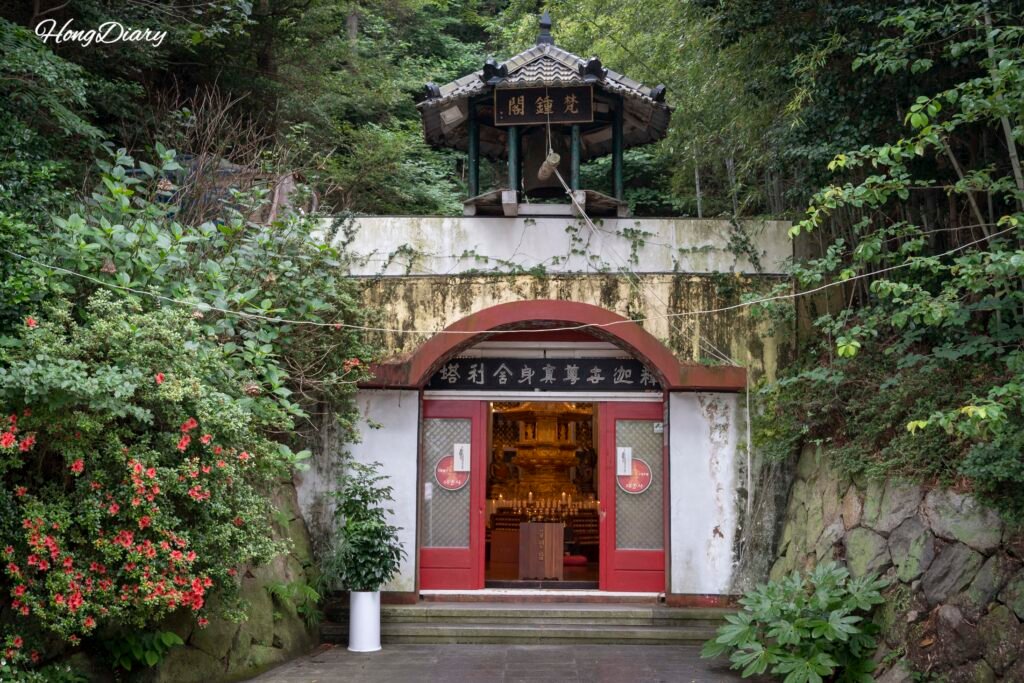
The temple is compact and unpretentious. What makes it worth visiting isn’t the architecture or the religious significance — it’s the atmosphere, the forest surroundings, and the fact that a single monk has spent over 40 years patiently cultivating the grounds into what they are today. In summer, when the hydrangeas bloom across the hillside, the temple takes on a different character entirely.
Taejongsa Temple is a Buddhist temple located inside Taejongdae Resort Park, Yeongdo-gu, Busan, established in 1976, open year-round with free admission.
| Info | Detail |
|---|---|
| Address | 119 Jeonmang-ro, Yeongdo-gu, Busan |
| Admission | Free |
| Hours (Summer) | 04:00 – 24:00 |
| Hours | Open year-round (no closing days) |
| Parking | Taejongdae Public Parking Lot (paid) — approx. 15–20 min walk to temple |
| By Danubi Train | Get off at Taejongsa stop — approx. 3 min walk to temple |
Table of Contents
Getting There
There are two starting points that make the most sense depending on where you’re staying.
| Departure | Route | Time |
|---|---|---|
| Busan Station(train) | Bus 101 from Busan Station Square bus stop → 23 stops → get off at Taejongdae / Taejongdae Oncheon stop | Approx. 30 min |
| Nampo-dong | Bus 8 from the stop in front of Busan General Tourism Information Center → 23 stops → get off at Taejongdae / Taejongdae Oncheon stop | Approx. 30 min |
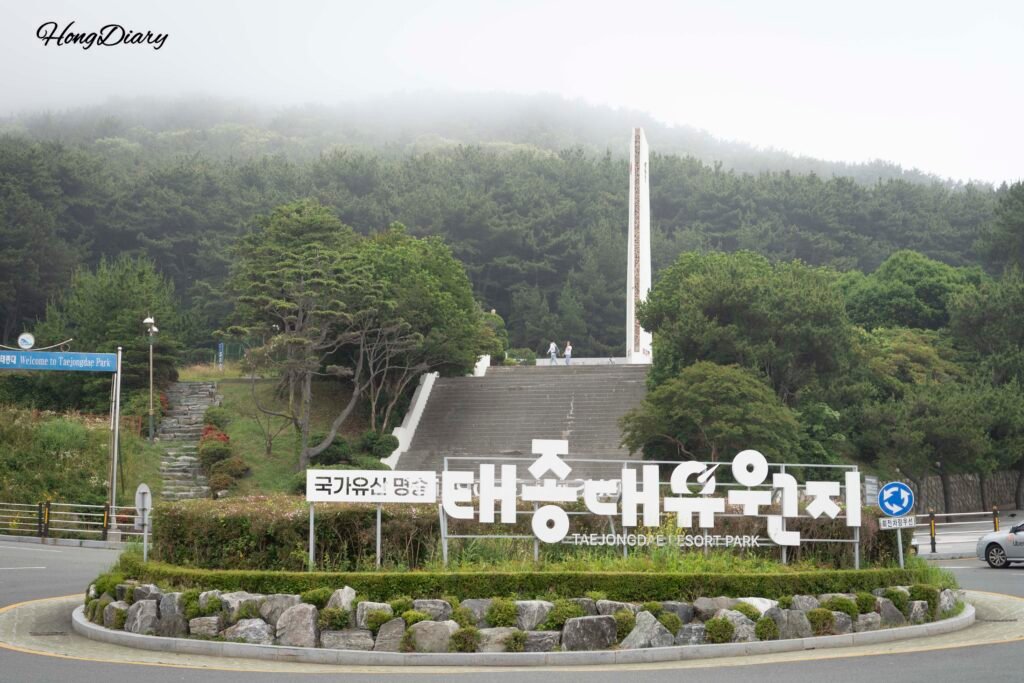
From the Taejongdae bus stop, you can either walk to Taejongsa Temple (about 1.4 km, roughly 30 minutes) or take the Danubi Train from the entrance of Taejongdae Resort Park. If you’re driving, Taejongdae Public Parking Lot is available near the entrance — from there it’s about 15 to 20 minutes on foot to the temple.
Walk or Danubi Train?
Both options work. The choice mostly comes down to how much energy you have.
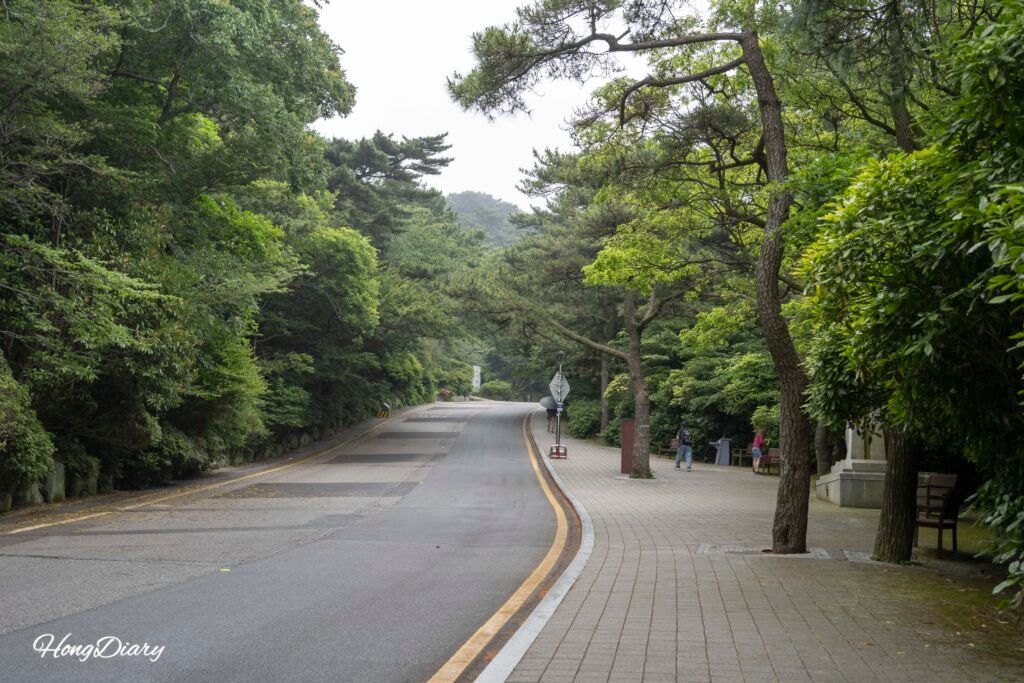
Walking: The trail from the Taejongdae entrance to Taejongsa is about 1 km along a well-maintained forest path with a gentle incline. It takes around 30 minutes and is genuinely pleasant — shaded, quiet, and easy going. I walked, and didn’t regret it. The path turns left from the main Taejongdae entrance.
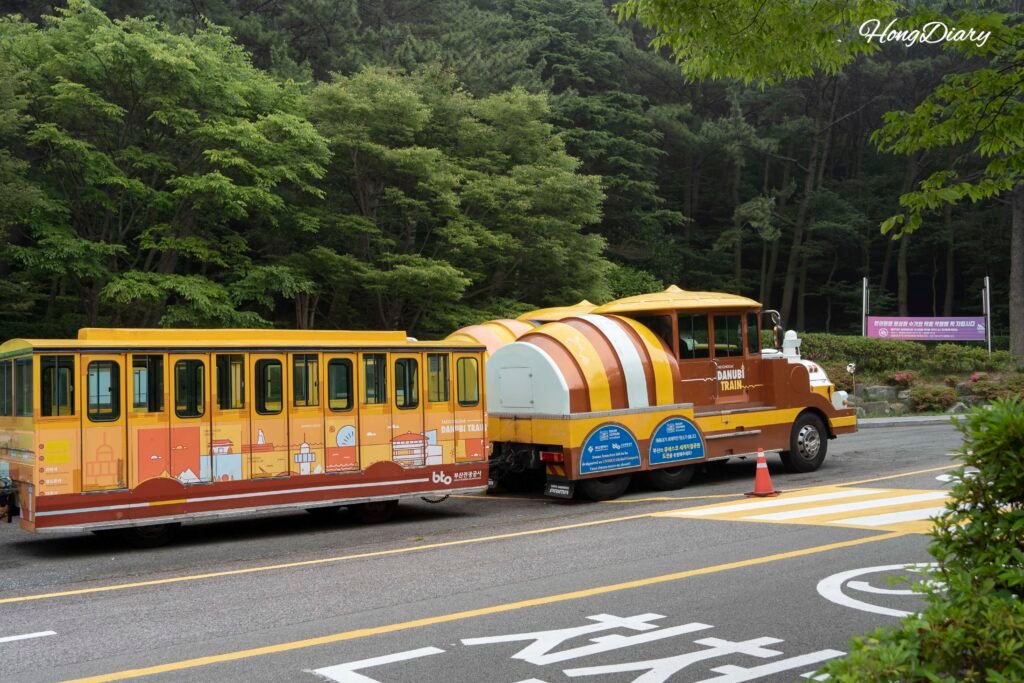
Danubi Train: A small sightseeing train that loops through Taejongdae Resort Park, stopping at the observatory, the lighthouse, and Taejongsa. It’s a good option if you want to see more of the park in one visit without walking the full route. Tickets are available at the unmanned or staffed booth near the entrance, and there are lockers available nearby.
| Danubi Train | Fare |
|---|---|
| Round trip (loop) | KRW 4,000 (approx. USD 2.65) |
| One way | KRW 2,000 (approx. USD 1.35) |
| Youth | KRW 2,000 (approx. USD 1.35) |
| Child (24 months – elementary school) | KRW 1,500 (approx. USD 1.00) |
Route: Plaza → Observatory → Lighthouse → Taejongsa → Plaza
About Taejongsa Temple
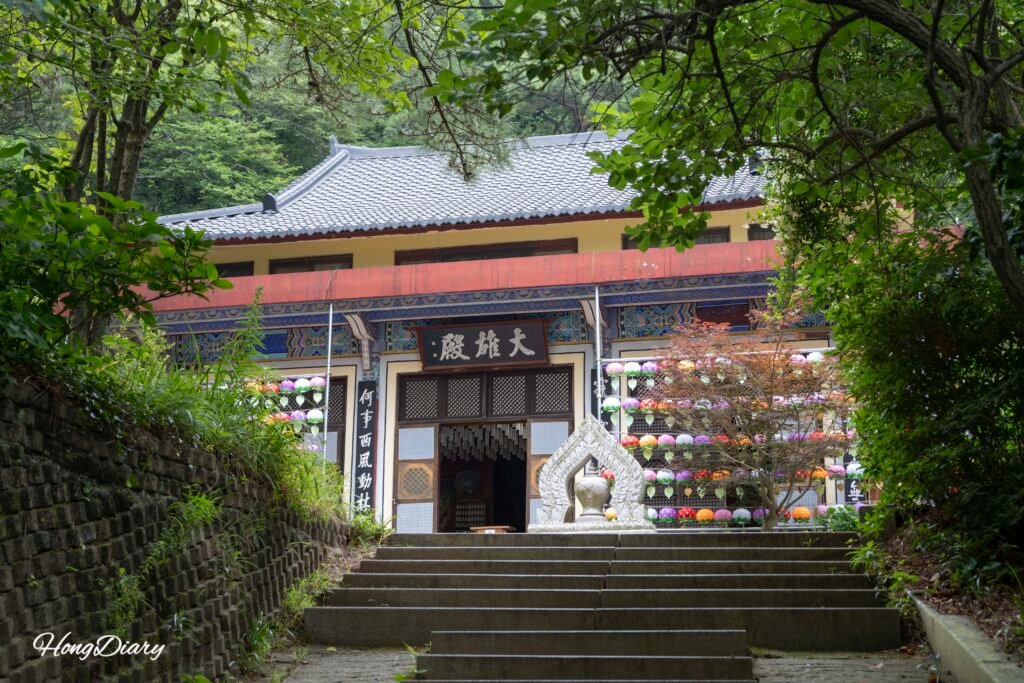
Taejongsa was established in 1976 and sits at the end of Yeongdo island, inside the boundaries of Taejongdae Resort Park. It’s a small temple — not one of Busan’s larger or more historically significant ones — but it has a quality that’s harder to define: it feels like it belongs exactly where it is.
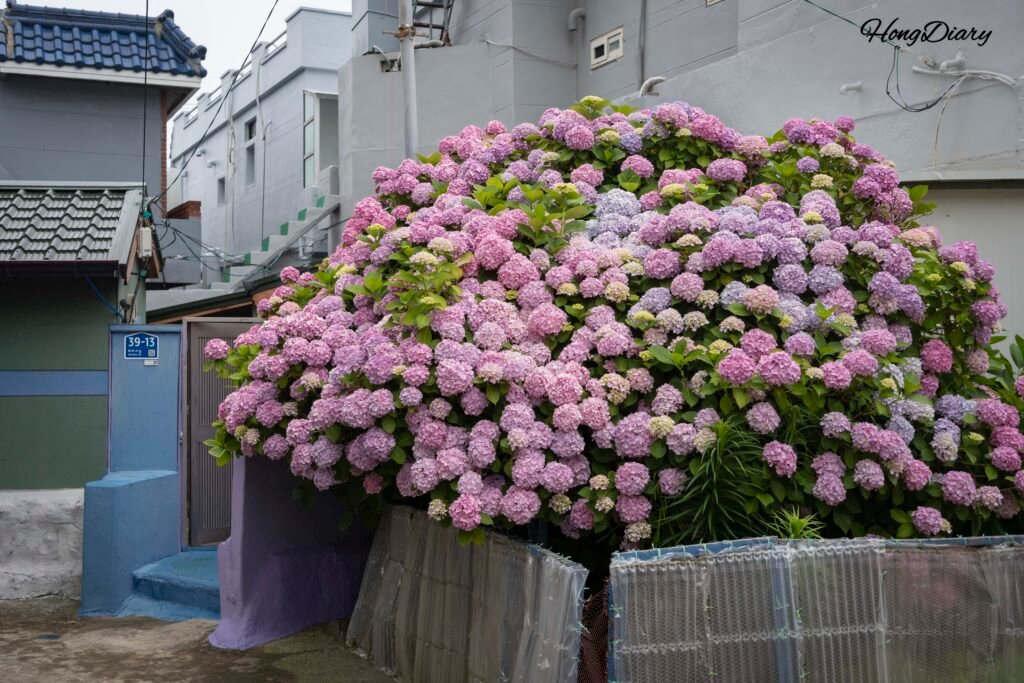
What sets Taejongsa apart is its garden. Over 40 years, the head monk collected plants and flowers from locations across Korea and abroad, planting them across the temple grounds one by one. What started as a personal practice of cultivation has grown into a hydrangea colony of over 30 varieties — and something that now draws visitors from across the country every summer.
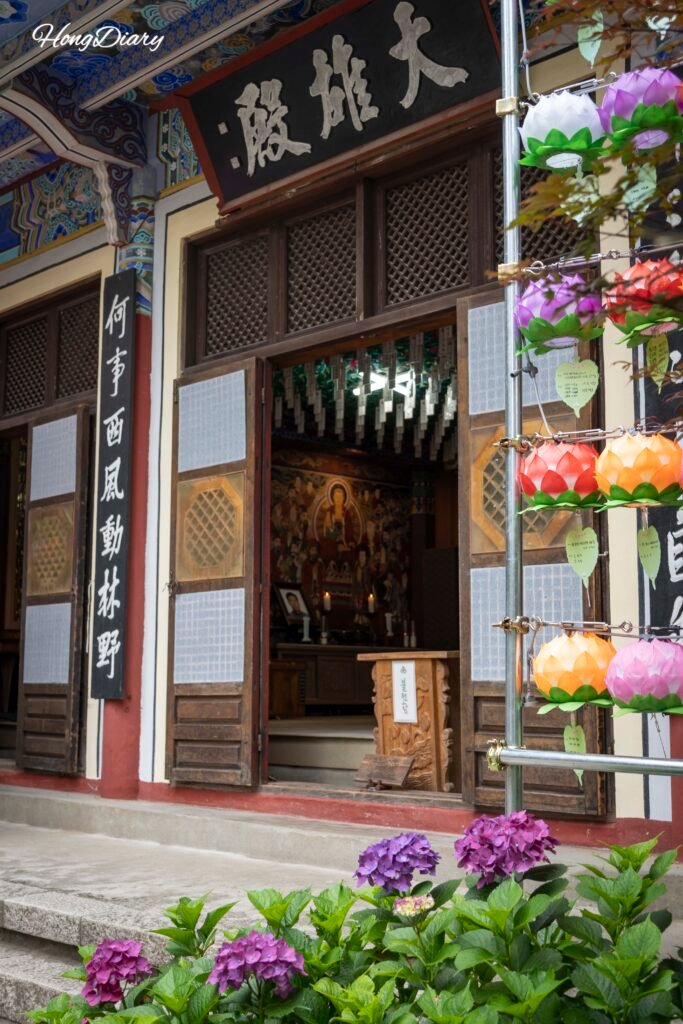
The temple buildings themselves — the main hall and the shrine structures — sit quietly among the trees and flowers, giving the whole space a quality that’s quiet and unhurried.
The Hydrangeas — Taejongsa’s Seasonal Secret
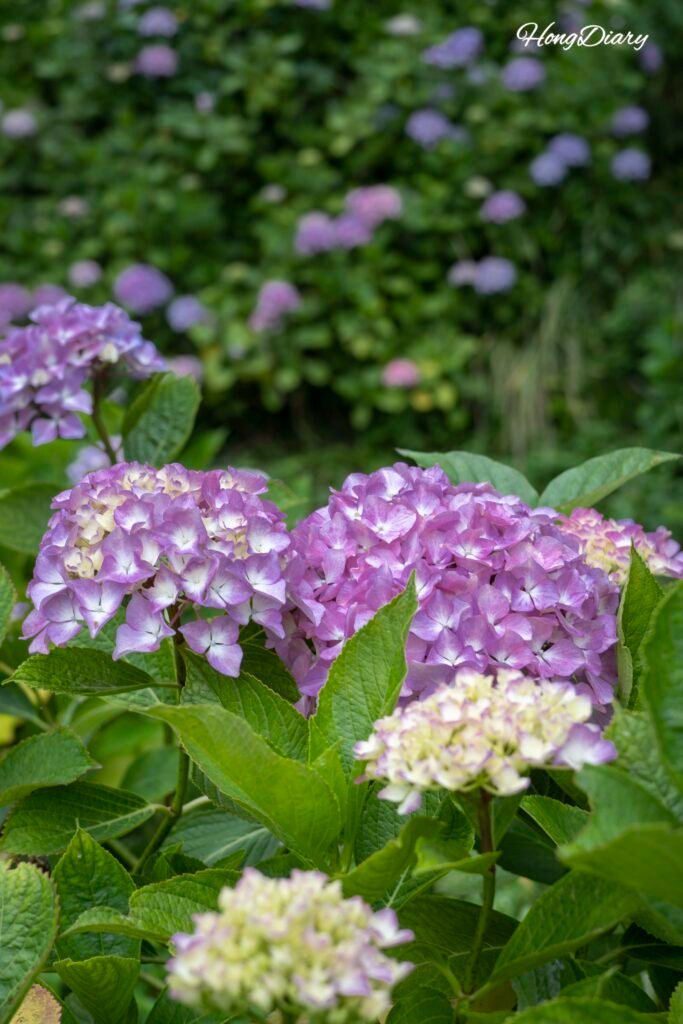
The hydrangeas at Taejongsa bloom each year in June and July, and this is when the temple draws the biggest crowds. What’s unusual isn’t just the quantity — over 30 varieties growing across the hillside — but the range of colors in one place.
Hydrangeas change color depending on the acidity of the soil: more acidic soil produces blue flowers, more alkaline soil produces red or pink. At Taejongsa, both conditions exist across different parts of the grounds, which means the flowers shift from white to pale green to blue to purple as you move through the space. Early in the season the flowers start white with a hint of green; over the weeks they deepen into blue and eventually purple.
I visited just before the official festival period, which meant smaller crowds but also some flowers still opening — especially near the main hall, where most were still budding. If you want the most complete bloom, the festival window (usually early-to-mid July) is worth targeting. If you want the same flowers with fewer people, arriving a week or two before the festival opens is a reasonable trade-off.
One practical note: Yeongdo island is humid. In summer, even light rain feels like a mist and the air is noticeably heavier than central Busan. Dress accordingly.
2026 Hydrangea Festival
The 2026 Hydrangea Flower Cultural Festival (16th edition) runs from July 4 to July 12, 2026, at Taejongsa Temple grounds and the Sports Park within Taejongdae. Admission is free. The opening ceremony is scheduled for July 4 at 16:00.
Events across the nine days include busking performances, photo zones, a hydrangea photo exhibition, experience booths, a flea market, and food trucks.
What Else Is Nearby
Taejongsa sits inside Taejongdae Resort Park, so the park’s other attractions — the coastal observatory and Yeongdo Lighthouse — are easy to combine into the same visit.
For a broader Yeongdo day, Ganggangyi Art Village is about 30 minutes from Taejongsa by bus. It’s a waterfront neighborhood with murals, narrow alleys, and sea views — the kind of place that’s easy to spend a couple of hours walking through with a camera. Full guide to Ganggangyi Art Village here
If you’re planning an overnight stay in Yeongdo, Lyrical Hotel is located about 30 minutes from Taejongsa and makes a good base for exploring the island. It’s a small boutique hotel near Hari Harbour with a cinema room, a bathtub, and a quiet neighbourhood feel. Lyrical Hotel Busan Yeongdo — full review and booking
If you decide to stay, booking through this link supports the site: Reserve Lyrical Hotel here
Final Thoughts
Taejongsa Temple Busan is a small temple inside a well-known park, with free admission and an easy walk from the entrance. The reason to go is the atmosphere — quiet, wooded, and shaped by decades of patient cultivation. In summer, the hydrangeas make that atmosphere even harder to leave. But the temple is worth visiting any time of year.
If you’re spending a day in Yeongdo, this is worth building the itinerary around.
Where is Taejongsa Temple in Busan?
Taejongsa Temple is located inside Taejongdae Resort Park at 119 Jeonmang-ro, Yeongdo-gu, Busan. It sits at the far end of Yeongdo island, within the park boundaries. In summer, the temple is open from 04:00 to 24:00, giving visitors a wide window for timing their visit. From the park entrance, it’s about 1 km on foot (roughly 30 minutes) or reachable by the Danubi Train — get off at the Taejongsa stop and it’s about 3 minutes on foot.
Is there an admission fee for Taejongsa Temple?
No. Taejongsa Temple is free to enter and open year-round with no closing days. The Taejongdae Resort Park itself is also free to enter. The only cost is if you choose to take the Danubi Train (KRW 4,000 / approx. USD 2.65 for a round trip).
How do I get to Taejongsa Temple from Busan Station?
From Busan Station, take Bus 101 from the bus stop at Busan Station Square. After 23 stops, get off at the Taejongdae or Taejongdae Oncheon bus stop. From there, walk approximately 1.4 km (about 30 minutes) to Taejongsa Temple, or take the Danubi Train from the park entrance. Total journey time is approximately 30 minutes by bus. If you’re driving, Taejongdae Public Parking Lot is available — from the parking lot it’s about 15 to 20 minutes on foot to the temple, or 3 minutes from the Taejongsa stop if you take the Danubi Train.
What is the Danubi Train and how much does it cost?
The Danubi Train is a small sightseeing train that loops through Taejongdae Resort Park, stopping at the observatory, the lighthouse, and Taejongsa Temple before returning to the plaza. A round trip (full loop) costs KRW 4,000 (approx. USD 2.65). A one-way ticket costs KRW 2,000 (approx. USD 1.35). Tickets can be purchased at the staffed or unmanned booth near the park entrance. Lockers are available nearby.
When is the best time to visit Taejongsa Temple for the hydrangeas?
The hydrangeas at Taejongsa bloom each year in June and July. The official Hydrangea Festival typically runs in early-to-mid July, which is when the flowers are at their fullest and the grounds are most crowded. Visiting a week or two before the festival opens means fewer crowds but some flowers still budding. The temple is worth visiting year-round even outside hydrangea season.
What is the 2026 Hydrangea Festival at Taejongsa?
The 2026 Hydrangea Flower Cultural Festival (16th edition) runs from July 4 to July 12, 2026, at Taejongsa Temple grounds and the Sports Park within Taejongdae. The opening ceremony is on July 4 at 16:00. Events include busking performances, photo zones, a hydrangea photo exhibition, experience booths, a flea market, and food trucks. Admission is free.
Why does Taejongsa have so many different colored hydrangeas?
Over 40 years, the head monk of Taejongsa collected hydrangea plants from locations across Korea and abroad, eventually cultivating over 30 varieties across the temple grounds. Hydrangea color is affected by soil acidity — more acidic soil produces blue flowers, while more alkaline soil produces pink or red. Because different parts of the Taejongsa grounds have different soil conditions, the flowers range from white to blue to purple, all in the same space.