
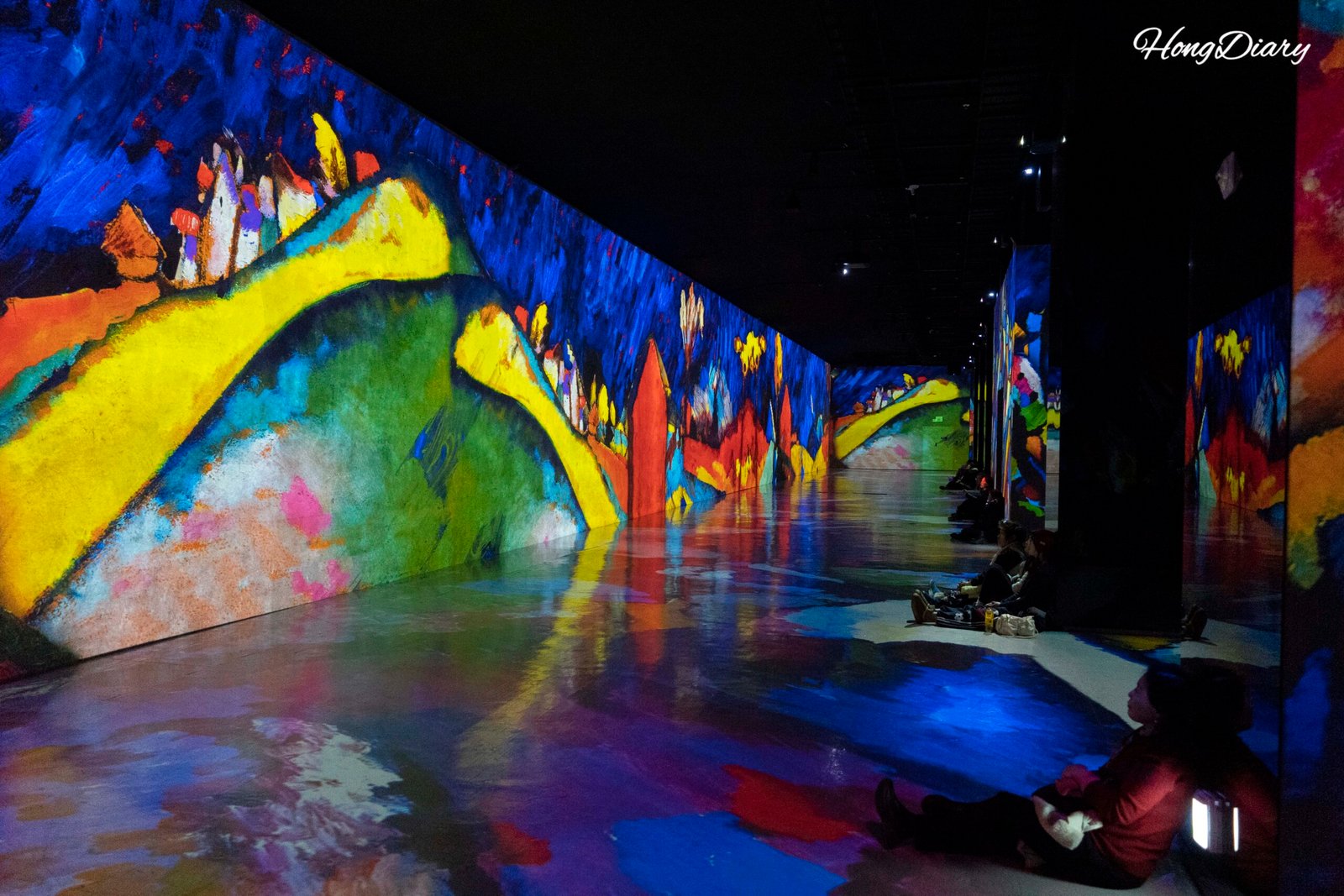
I’d seen enough photos of Bunker des Lumières online to feel like I already knew what to expect. That’s usually when a place surprises you. Walking in, the thick concrete walls absorbed the outside world completely — no sound, no light, no weather — and for the next hour or so, the walls, floor, and pillars around me were the exhibition.
Bunker des Lumieres Jeju is an immersive media art space in Seongsan, Seogwipo, housed inside a former state communications bunker built into a volcanic hillside.
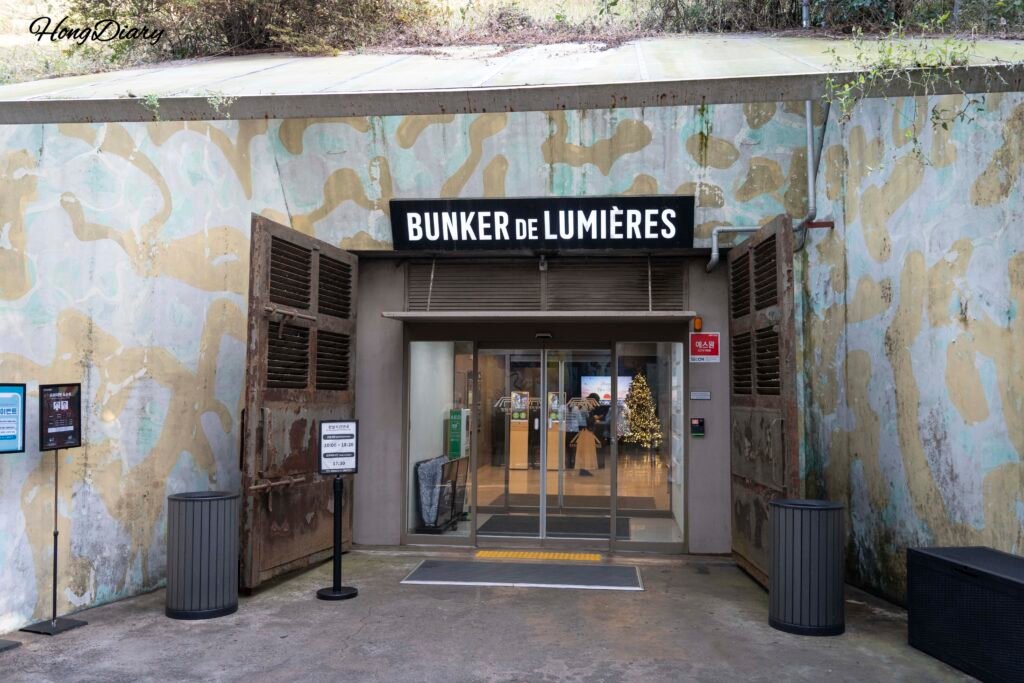
What makes it genuinely different from other art exhibitions is the space itself: a 3,000m² underground structure with walls thick enough to have been designed for wartime use, now entirely given over to high-resolution projection mapping set to music. The result is something between a concert, a gallery, and a sensory experience you don’t quite have a word for.
Table of Contents
Location and Access
| Detail | Info |
|---|---|
| Address | 89-17 Seoil-ro 1168beon-gil, Seongsan-eup, Seogwipo-si, Jeju |
| Hours | Daily 10:00 – 18:20 (last entry 17:30) |
| Parking | Free — overflow lot at Goseong-ri 2500-10 if main lot is full |
| Pets | Allowed |
By bus from Jeju International Airport: Take bus 810-1 or 111 from the airport to Daecheon Transfer Stop (Sehwa direction), then transfer to bus 211 or 212 toward Goseong-ri Jangman-i Mountain Stop, then walk approximately 950 meters (about 15 minutes).
By bus from Jeju Coastal Ferry Terminal: Take bus 465 to Munyehoe-gwan Stop, transfer to bus 211, ride to Goseong-ri Jangman-i Mountain Stop, then walk approximately 950 meters (about 15 minutes).
For up-to-date bus schedules, check the Jeju Bus Information System at bus.jeju.go.kr.
Admission
| Visitor | Age (birth year) | Price (KRW) | Price (USD) |
|---|---|---|---|
| Adult | Born 1962–2007 | ₩19,000 | approx. $12.67 |
| Teen | Born 2008–2013 | ₩14,000 | approx. $9.33 |
| Child | Born 2014–2022 | ₩11,000 | approx. $7.33 |
| Under 36 months | — | Free | — |
Buying tickets in advance online is worth doing — discounts are available and it’s one less thing to sort out on arrival. You can check current ticket prices and availability here.
What Was Once a Bunker
The history of this place is part of what makes it worth visiting. Bunker des Lumières was originally built as a national telecommunications facility — a hardened concrete structure designed to withstand external shock and maintain government communications in a crisis. For years it sat unused and unknown to the public, embedded into the hillside and camouflaged by the landscape above it.
When it was eventually sold and converted, the same qualities that made it a useful bunker turned out to be ideal for an immersive art space: the thick walls block all outside light and sound, the internal temperature stays naturally consistent (which means cool in the warmer months and warm when it’s cold outside), and the sheer scale of the interior — walls, pillars, floor — creates a canvas that most conventional venues simply can’t offer.
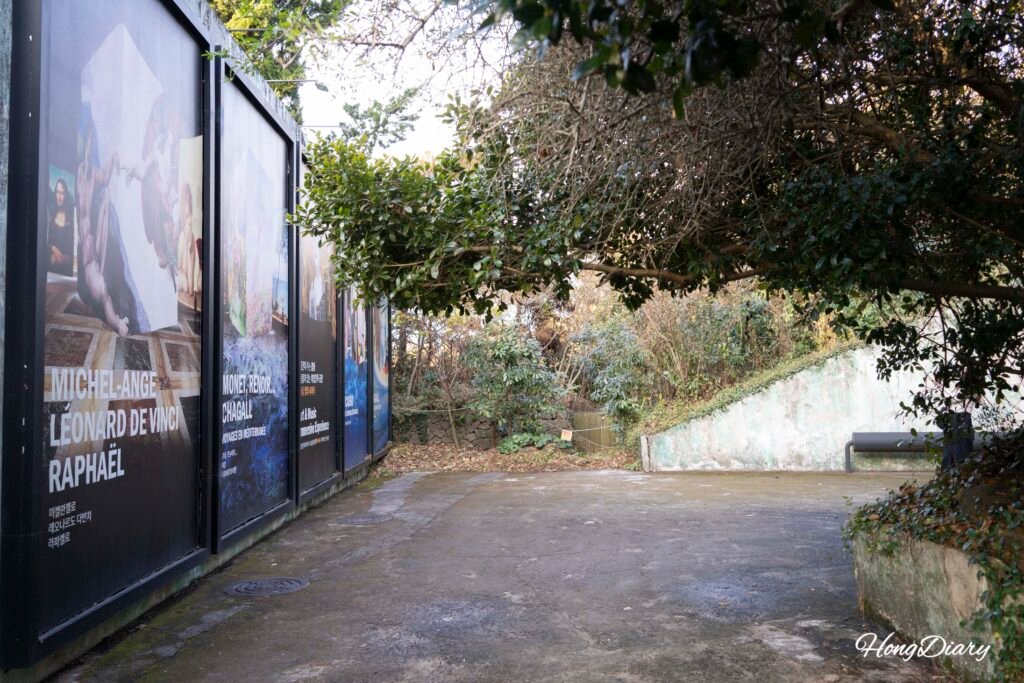
The path leading in has its own atmosphere. The approach through the trees before you reach the entrance feels a bit like walking into something hidden, which isn’t far from the truth.
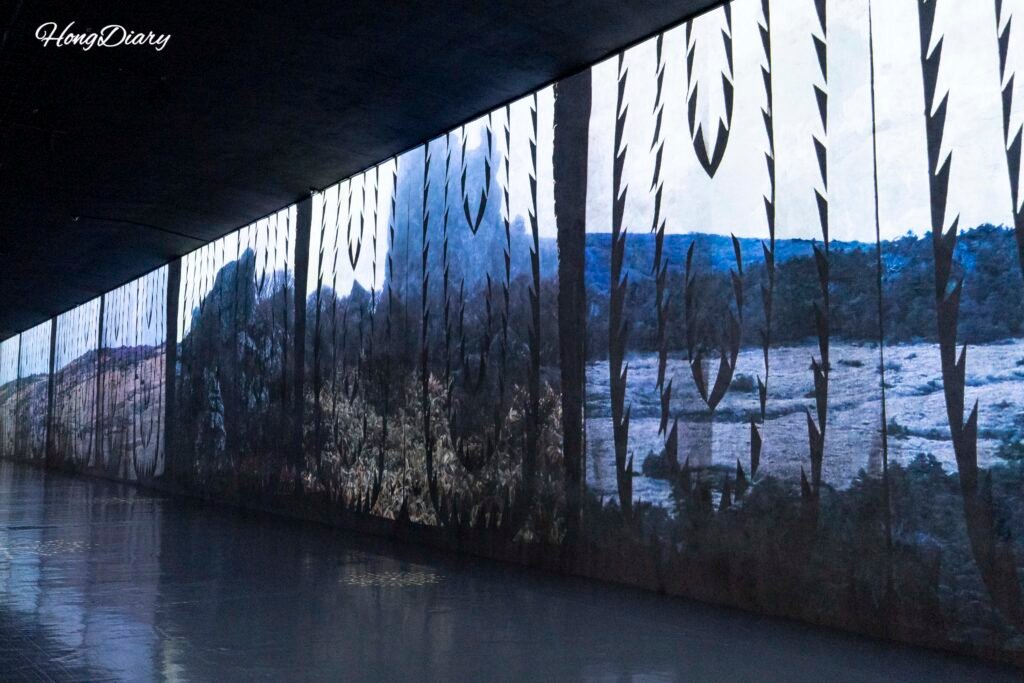
Inside the Exhibition
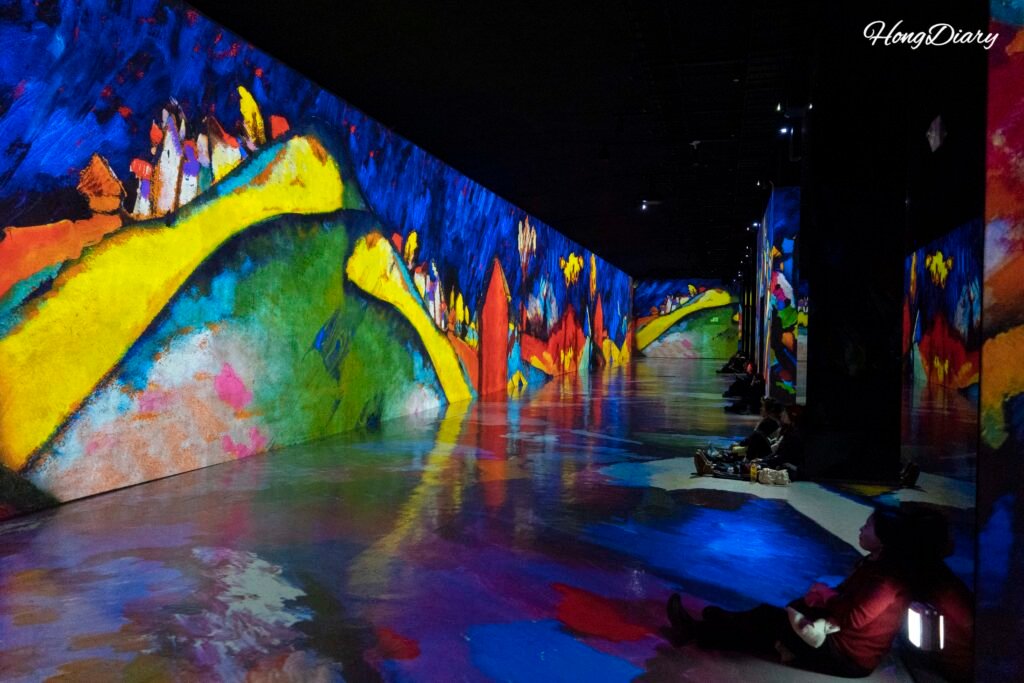
The format at Bunker des Lumières is projection mapping at full scale — not on a single screen or wall, but across every surface of the space simultaneously. The images move, shift, and flow to music, and the effect of standing inside it (or sitting on the floor, which plenty of visitors do) is genuinely different from looking at artwork on a wall.
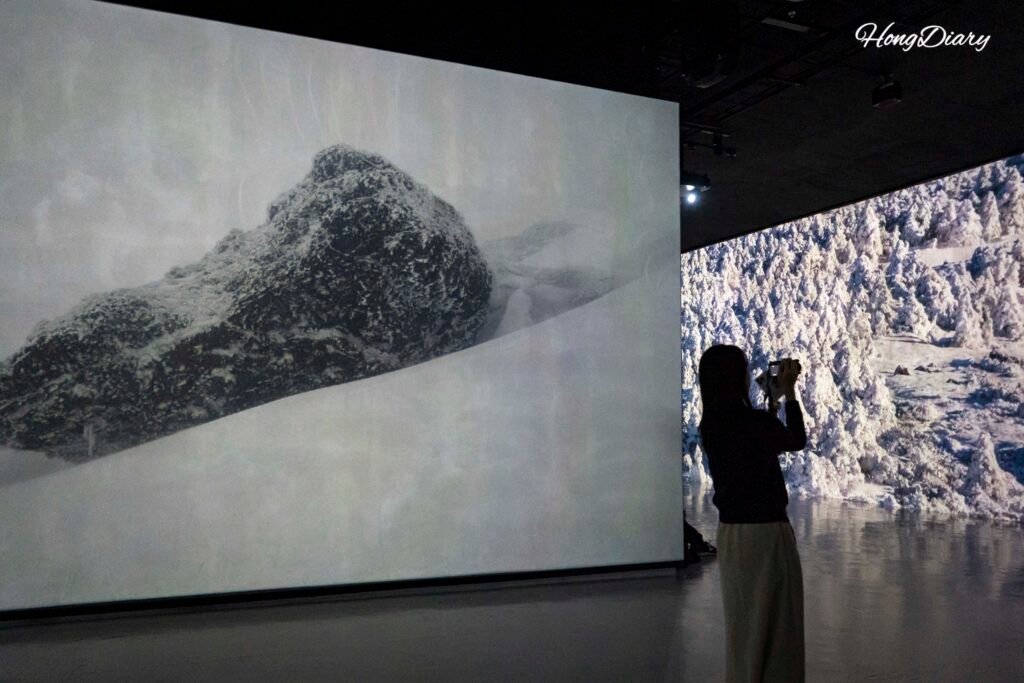
There’s no fixed route. You move through the space at your own pace, find a spot that works for you, and watch. When one piece ends, another begins. The combination of scale, music, and the physical quality of the concrete space makes it absorbing in a way that’s hard to describe without experiencing it.
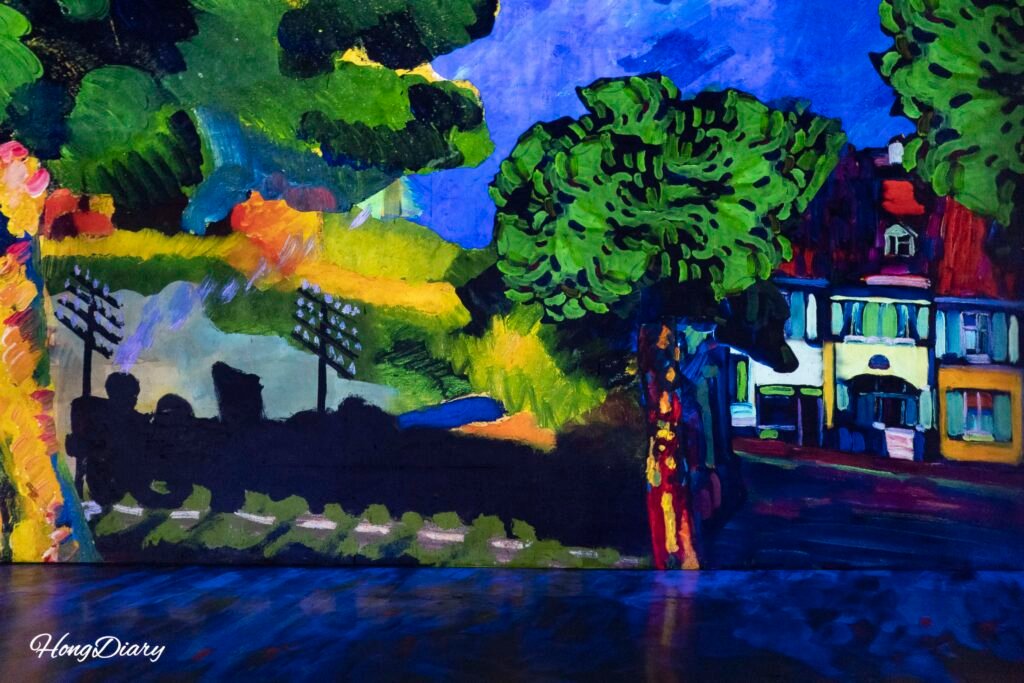
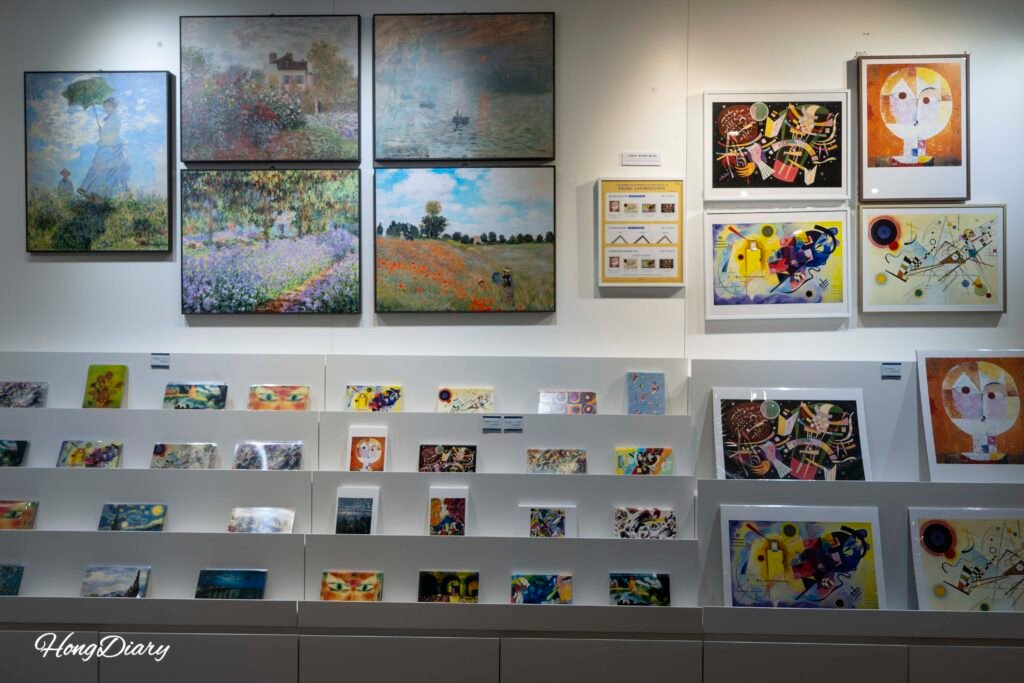
During my visit the exhibition featured Kandinsky — abstract forms and color fields expanding across the walls in ways that made more visual sense at this scale than they ever do in a frame. The exhibitions rotate, and by the time you read this the featured artists will likely have changed. Right now the space is showing works by Van Gogh and Gauguin alongside newer additions — but checking the current programme before you go is always worth it. The official website is deslumieres.co.kr/bunker.
One practical detail: instead of a paper guide, there’s a QR code at the entrance that pulls up exhibition information on your phone. Cleaner, more detailed, and nothing to carry around.
Tips for Visiting
The space works in any weather — that’s part of the point. If Jeju’s weather turns on you while you’re planning a day around Seongsan Ilchulbong or the coastal paths nearby, Bunker des Lumières is a natural pivot that doesn’t feel like a compromise. It’s the kind of indoor experience that earns its place on the itinerary regardless of conditions.
Bring a jacket if you tend to run cold. The internal temperature is consistent, but on a warm day the transition from outside to inside can feel sharp.
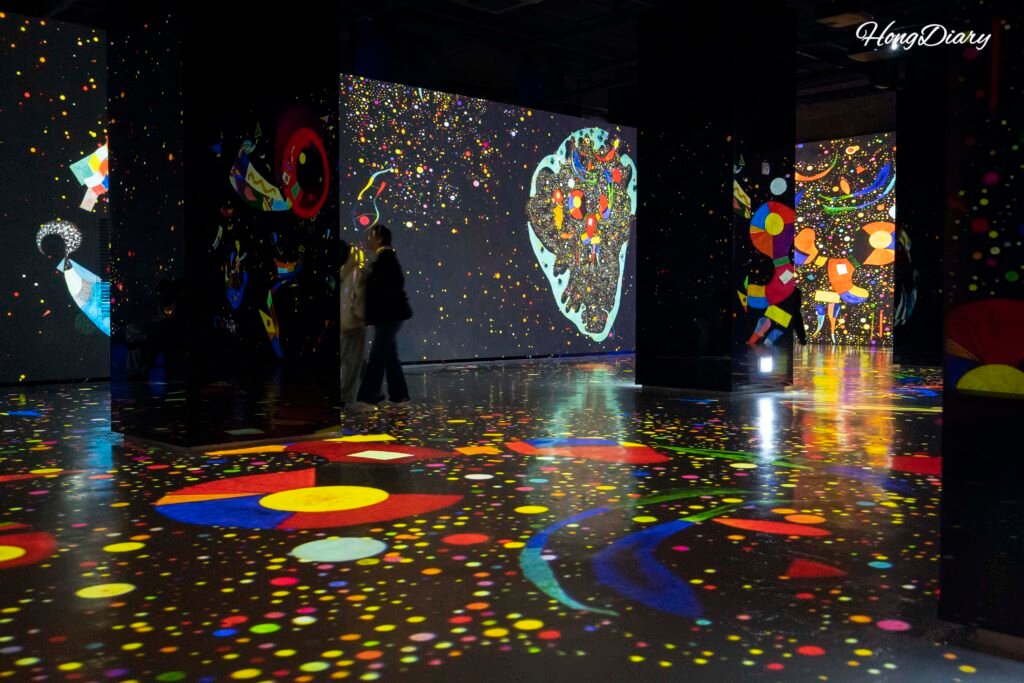
Photography is open and the space rewards it. The projections create constantly changing light and color, and almost any angle produces something worth keeping. You don’t need to work particularly hard for a good photo here.
The parking area at the main entrance is free and reasonably sized. If it’s full, there’s an overflow lot nearby at Goseong-ri 2500-10. The walking path from the lot to the entrance is part of the experience — shaded, quiet, and noticeably different from most tourist approach roads in Jeju.
Getting Around Jeju
Bunker des Lumières is located in Seongsan, on the eastern side of Jeju. Getting here by public transport is possible, but Jeju’s bus network runs on long intervals and the connections require patience. Most visitors to this part of the island find that having a car makes the day significantly more flexible — especially if you’re combining the bunker with Seongsan Ilchulbong, Seopjikoji, or the coastal roads nearby.
If you haven’t sorted transport yet, renting a car in Jeju is worth considering early — availability in peak season fills up faster than most people expect.
After the Exhibition
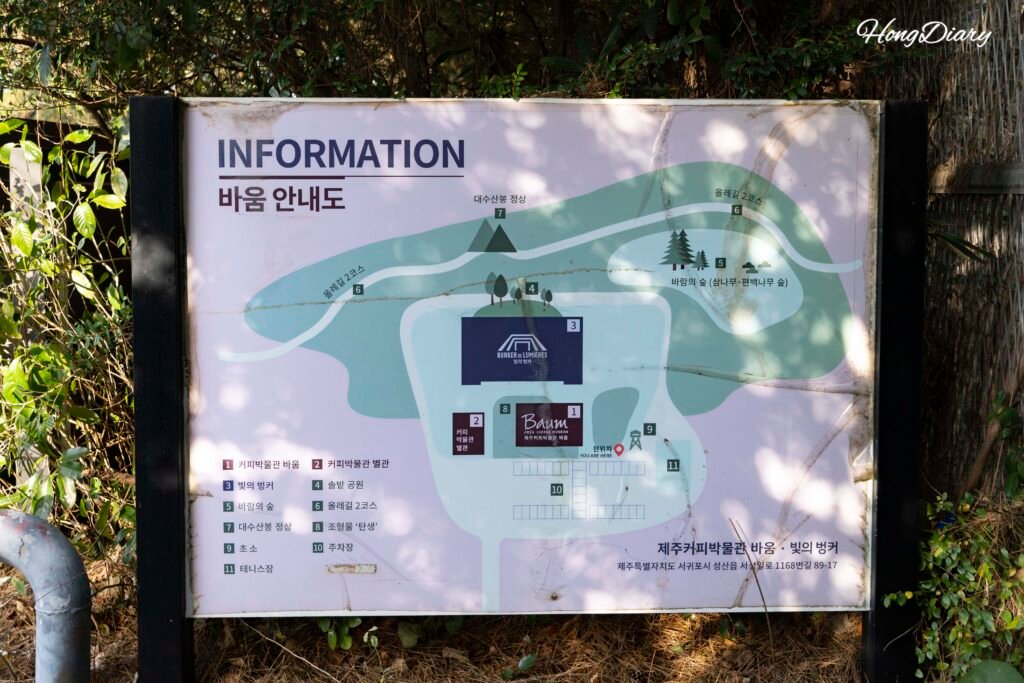
The coffee museum next door to Bunker des Lumières is an easy add-on if you want to extend the visit. The grounds include a walkway that connects the two, and the combination makes for a natural half-day without needing to get back in the car between stops.
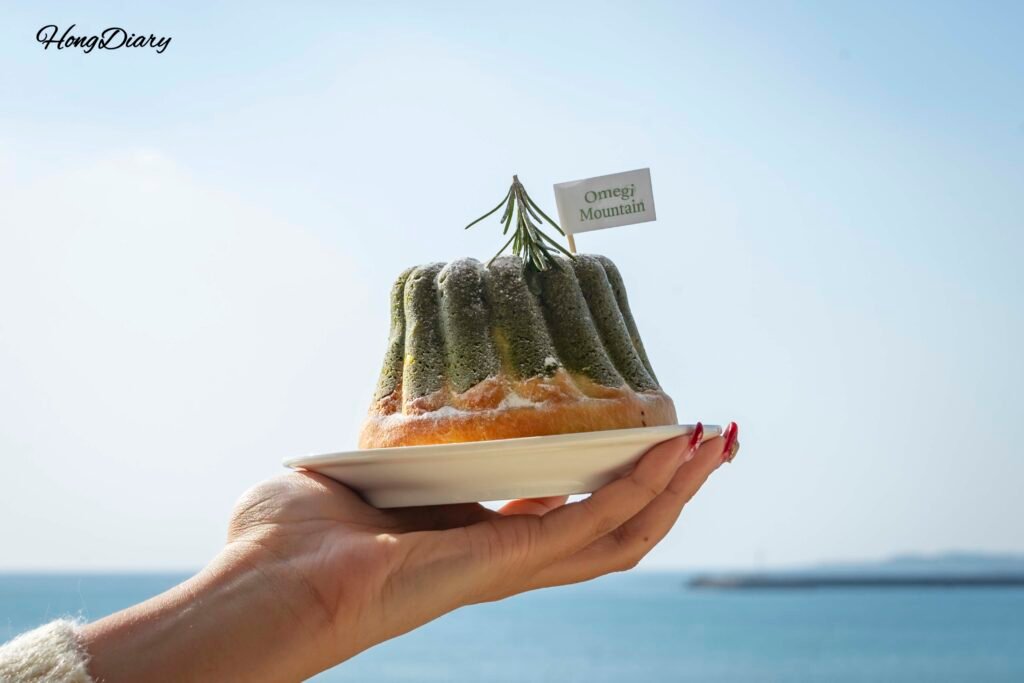
If you’re heading toward Seopjikoji afterward — about ten minutes by car — Seogwipean Bakery is a large cafe with views of the coast and distinctly Jeju-style breads that’s worth building into the route. It’s the kind of stop that rounds out the afternoon rather than interrupting it.
Final Thoughts
Bunker des Lumières Jeju is one of those places that earns its reputation. The concept of immersive media art is familiar enough by now that it’s easy to arrive with measured expectations — and the space still manages to exceed them, mostly because the bunker itself is doing work that a purpose-built venue couldn’t replicate.
It works on a clear day and it works in the rain. It works if you’re traveling with kids and it works if you’re traveling alone. The combination of history, scale, and the quality of the projection work makes Bunker des Lumieres Jeju one of the more memorable things you can do on the island — and that’s not a short list.
Where is Bunker des Lumieres located in Jeju?
Bunker des Lumières is at 89-17 Seoil-ro 1168beon-gil, Seongsan-eup, Seogwipo-si, Jeju — in the Seongsan area on the eastern side of the island, near Seongsan Ilchulbong and Seopjikoji.
What are the opening hours for Bunker des Lumieres Jeju?
The space is open daily from 10:00 to 18:20, with last entry at 17:30. Hours may vary by season, so checking the official website at deslumieres.co.kr/bunker before visiting is recommended.
How much does admission cost at Bunker des Lumieres Jeju?
Adults (born 1962–2007) pay ₩19,000 (approx. $12.67 USD). Teens (born 2008–2013) pay ₩14,000 (approx. $9.33 USD). Children (born 2014–2022) pay ₩11,000 (approx. $7.33 USD). Children under 36 months enter free. Discounted tickets are available for advance online purchase.
Is Bunker des Lumieres Jeju good for rainy days?
Yes — it’s one of Jeju’s best options for bad weather days. The bunker is entirely indoors with a naturally stable internal temperature. If outdoor plans around Seongsan or the eastern coast get washed out, the bunker is a natural alternative that doesn’t feel like a fallback.
Is photography allowed inside Bunker des Lumieres Jeju?
Photography is freely allowed throughout the exhibition. The projection mapping creates constantly changing light and color across all surfaces, and almost any angle produces a good photo without much effort.
How do I get to Bunker des Lumieres Jeju by public transport?
From Jeju International Airport, take bus 810-1 or 111 to Daecheon Transfer Stop, transfer to bus 211 or 212, and alight at Goseong-ri Jangman-i Mountain Stop — then walk approximately 950 meters (about 15 minutes). From the Jeju Coastal Ferry Terminal, take bus 465 to Munyehoe-gwan Stop, transfer to bus 211 to the same stop, and walk the same distance. Check current schedules at bus.jeju.go.kr.
Is there parking at Bunker des Lumieres Jeju?
Free parking is available at the main entrance. If the main lot is full, an overflow lot is available at Goseong-ri 2500-10, Seongsan-eup, Seogwipo-si.