
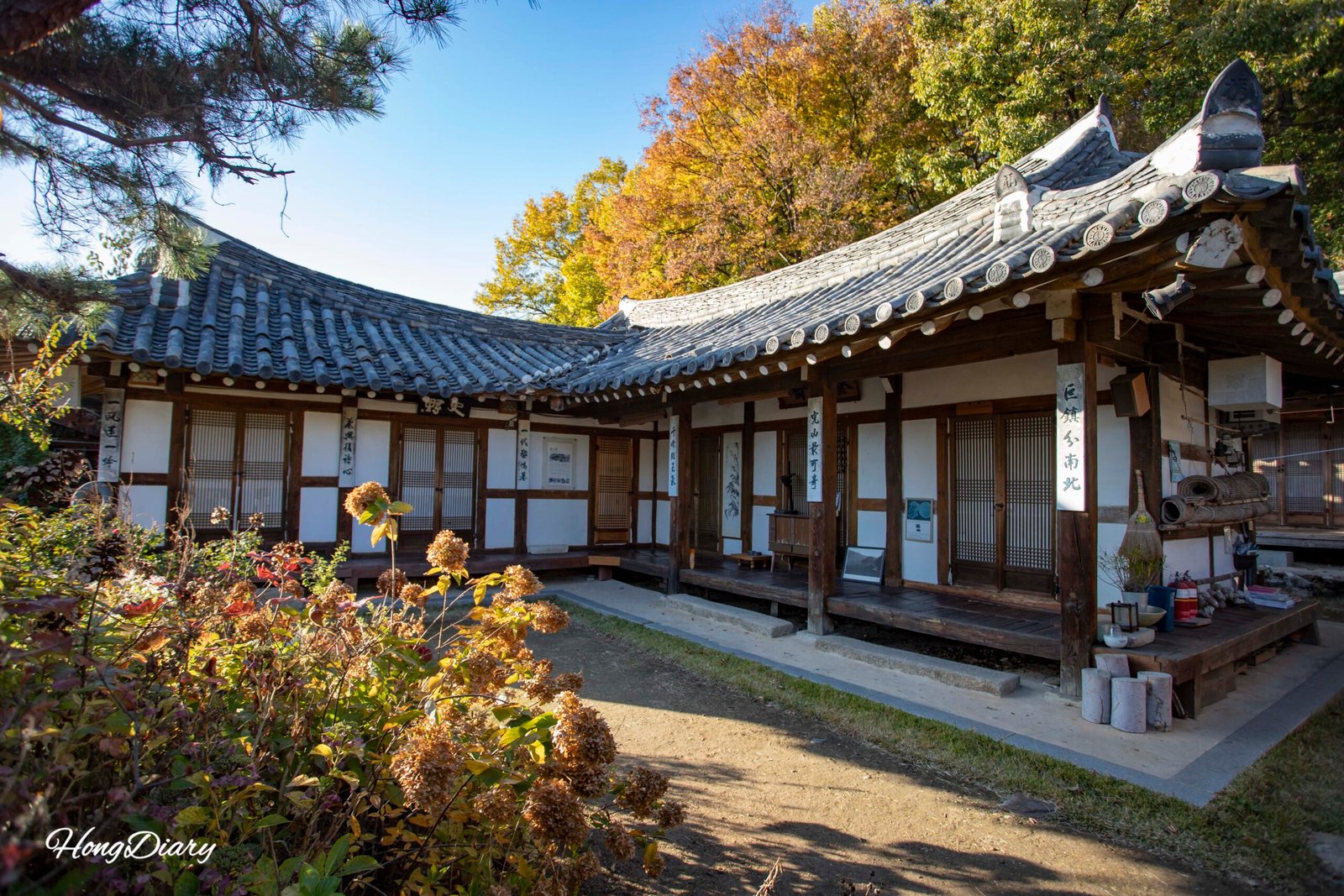
I’d been curious about hanok stays for a while — the idea of sleeping inside a traditional Korean wooden house, on a heated floor, with a courtyard outside the sliding door. When I planned a three-day trip to Jeonju, I decided to make it happen. Not just for a night in any hanok guesthouse, but in one with actual history behind it.
Yangsajae turned out to be exactly that kind of place.
Table of Contents
What Is a Hanok — and Why Jeonju?
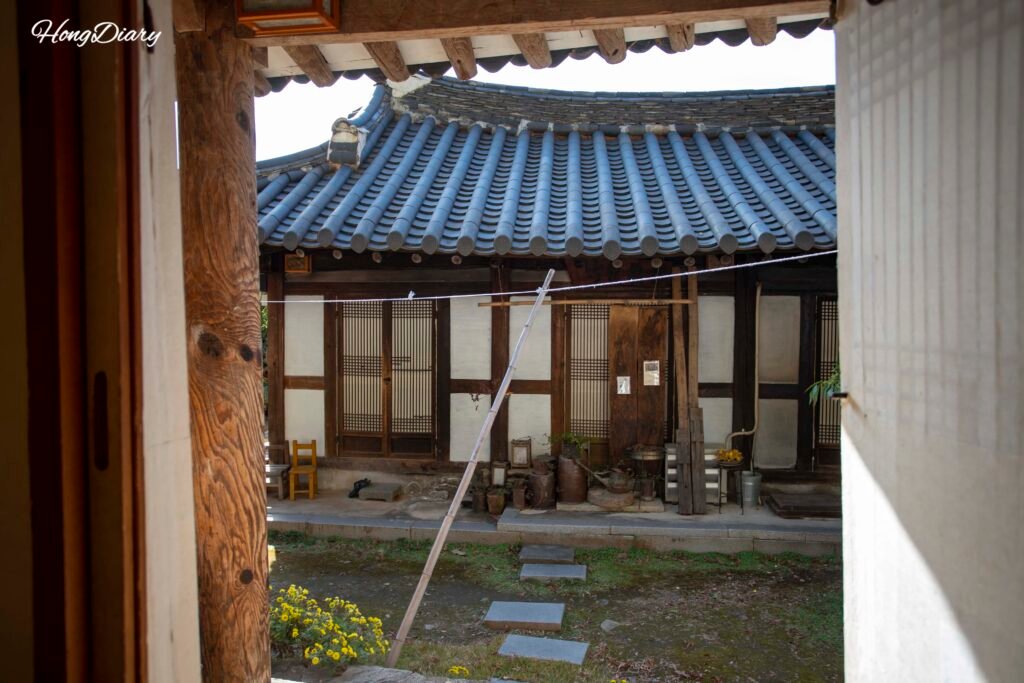
A hanok is a traditional Korean house, typically built with natural materials — wood, stone, clay tiles — designed to work with the seasons rather than against them. The curved rooflines, the ondol underfloor heating system that kept generations of Koreans warm through cold winters: all of it reflects a way of building that developed over centuries.
Jeonju is where this architecture is most concentrated and most intact. The Hanok Village here holds over 700 traditional houses in a single district, making it unlike anywhere else in South Korea. Most visitors come for the day. Staying overnight changes the experience entirely — the village after the tour groups leave, in the quiet of the evening, is something different from what you see in daylight.
About Yangsajae
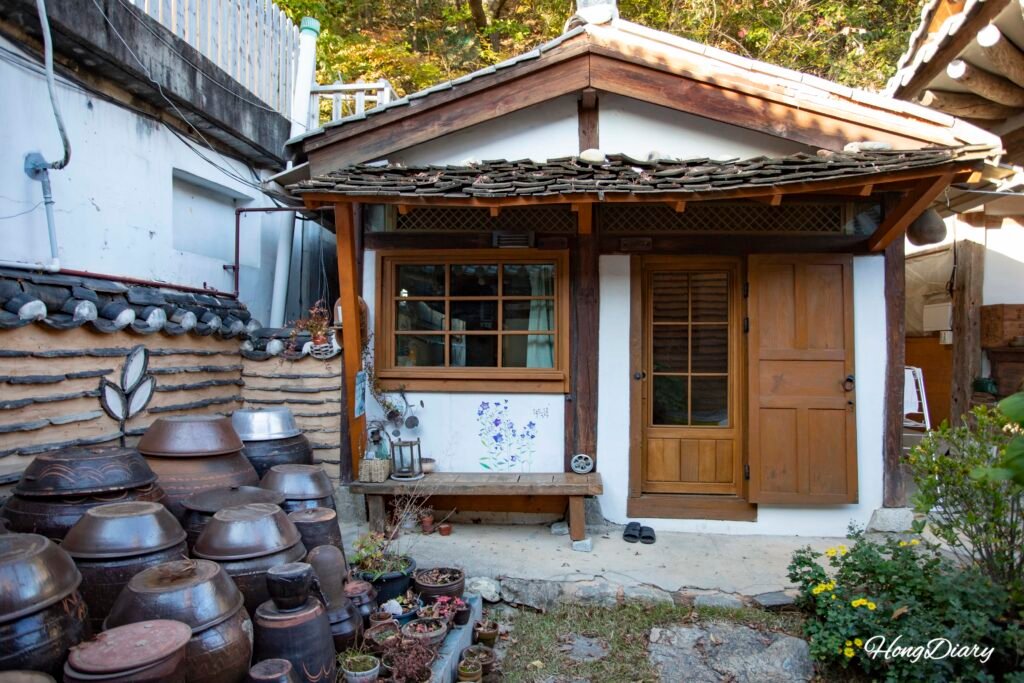
Yangsajae has a longer history than most guesthouses in the village. It originally served as an educational annex to Jeonju Hyanggyo — the local Confucian school — where students prepared for national examinations during the Joseon Dynasty. The building eventually fell into private use and was renovated in 1980 when the original structure had aged beyond repair. The renovation used the original timber where possible, and a second building at the rear was constructed from the same materials.
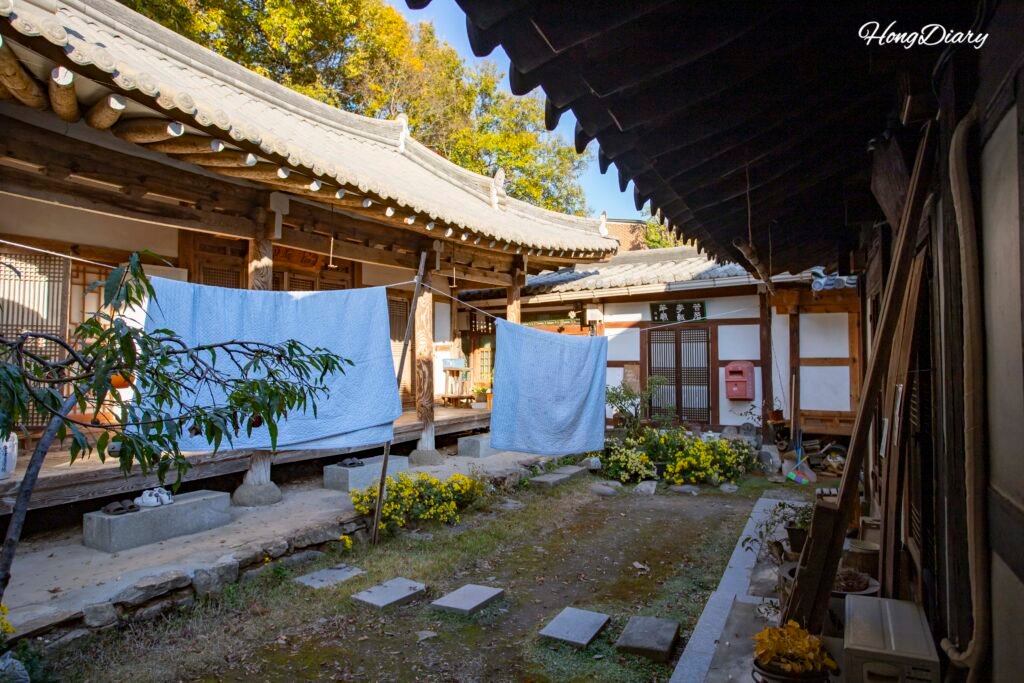
The property remained a private residence until 2002, when the current management team restored it as close to the original form as possible and opened it as a cultural guesthouse. It holds Korea Tourism Organization quality certification — one of the markers I looked for when choosing where to stay.
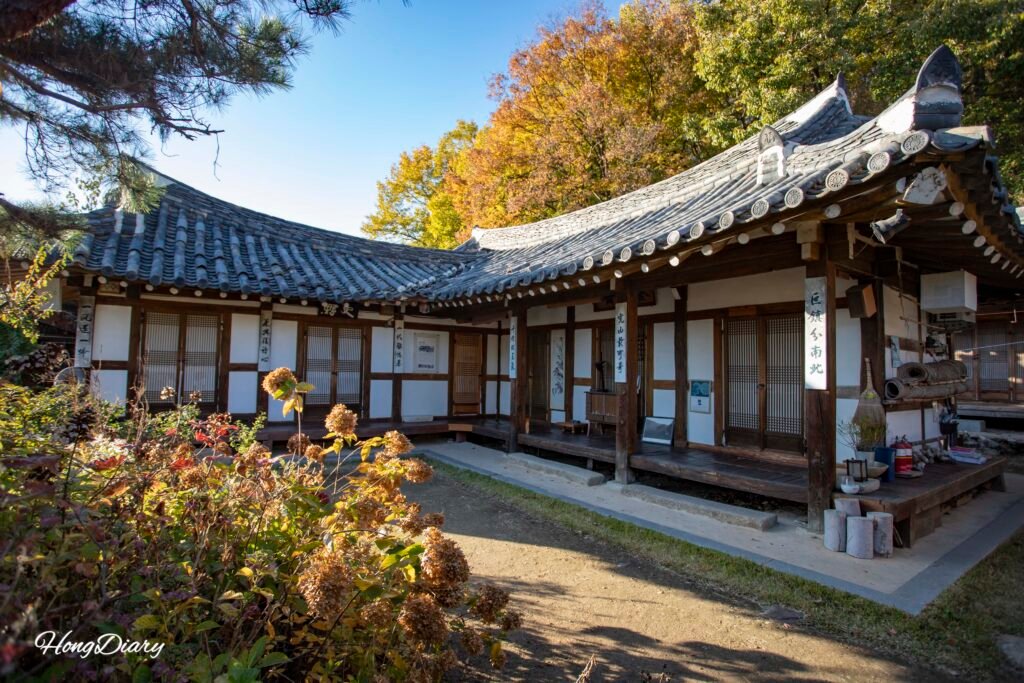
The gate — heavy wood, traditional latch — closes with a sound loud enough to announce anyone arriving. Walking through into the courtyard, the main building comes into full view. The L-shaped hanok structure, the wooden eaves, the stone path: it looked exactly like what I’d been hoping for.
Location and Access
| Detail | Info |
|---|---|
| Address | 58 Gyodong, Wansangu, Jeonju-si, Jeollabuk-do |
| Phone | 063-282-4959 |
| Check-in / Check-out | 15:00 / 10:00 |
| Breakfast | Free, served at 08:30 |
| Parking | Not available |
| Bathroom | Private, en suite |
By public transport:
| Route | Details |
|---|---|
| From Jeonju Station (KTX) | Walk 350m to Cheotmajunggil bus stop → Bus 119 or 501 → 14 stops (approx. 20 min) → Jeondong Cathedral / Hanok Village stop → Walk 800m (approx. 12 min) |
| From Jeonju Intercity Bus Terminal | Walk 100m to terminal bus stop → Bus 999 → 6 stops (approx. 10 min) → Jeondong Cathedral / Hanok Village stop → Walk 800m (approx. 12 min) |
| From Seoul (KTX) | Seoul Station → Jeonju Station, approx. 2 hours, ₩34,600 (approx. $23.07 USD) one way |
The Rooms
Yangsajae offers two room types for couples:
| Room Type | Description |
|---|---|
| Bunhap Room | Traditional folding panel doors that can be opened to connect two spaces into one larger area |
| Geudeul Room | Standard ondol room — sleeping on a heated floor, the most traditional Korean sleeping arrangement |
| Family Room | Separate newer structure on the property, not inside the original hanok buildings |
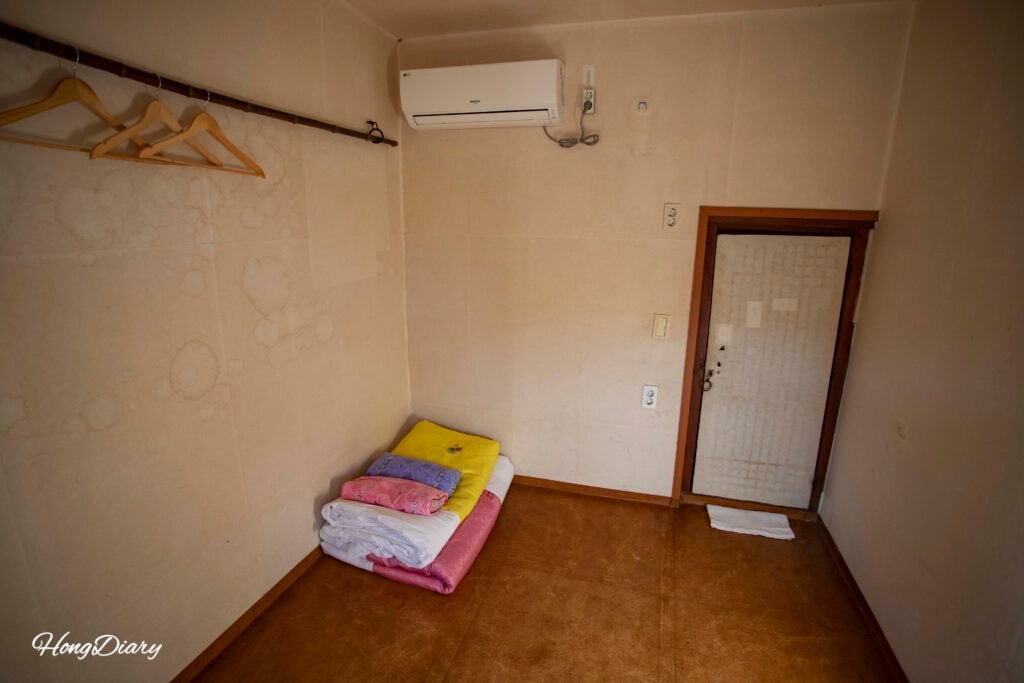
I stayed in the geudeul room. A few things worth knowing before you book:
| Feature | What to Know |
|---|---|
| Room size | Small — this is the nature of historic hanok architecture, not an oversight |
| Furniture | Minimal — no wardrobe, dresser, or vanity table |
| Sound insulation | Limited, as in most traditional hanok buildings |
| Temperature control | Centrally managed, not adjustable from inside the room |
| Amenities | Towels and shampoo provided — bring anything else you need |
| Bathroom | Modernized and clean, with proper shower — low ceiling at entrance reflects original building height |
I asked at check-in to have the heat turned up a little, and it was noticeably warmer when I returned later that evening. The temperature control detail is worth knowing in advance.
If the historic atmosphere is what you’re looking for, the double rooms in the main buildings are the better choice over the family room, which is a newer separate structure.
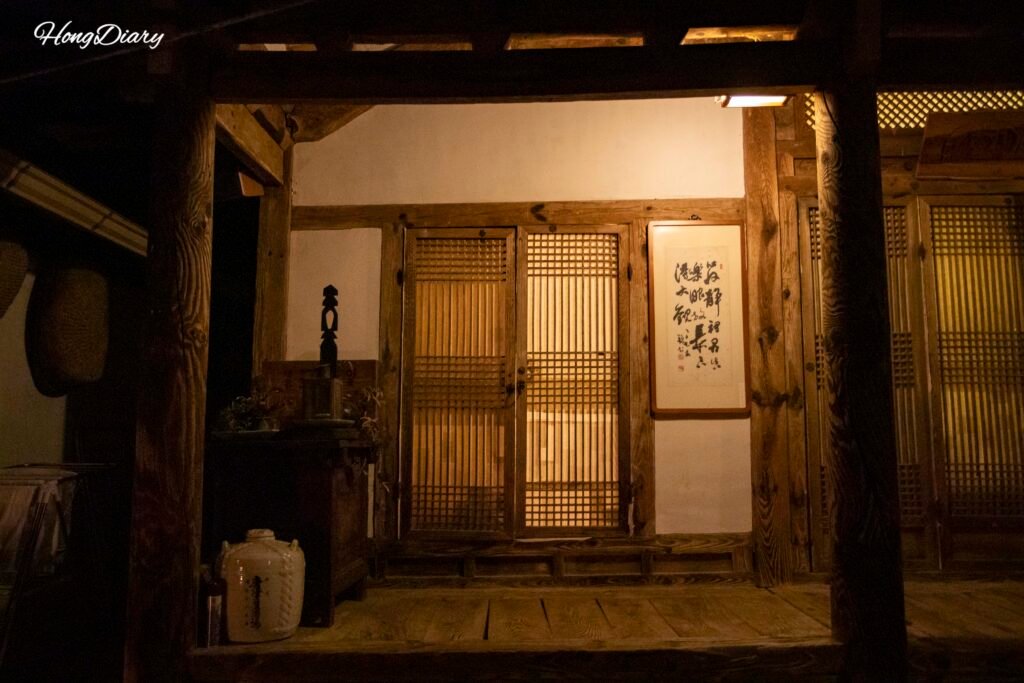
The Courtyard and the Evening
One of the things I’d imagined about a hanok stay — lying on a warm floor with the sliding door cracked open to see the courtyard outside — turned out to be exactly how the evening went. The property was quiet on a weekday, which meant the courtyard felt entirely private.
When I came back to Yangsajae after walking the village at night — the hanok lit from inside, wooden beams visible in the dark — it was one of those moments that felt worth the trip on its own.
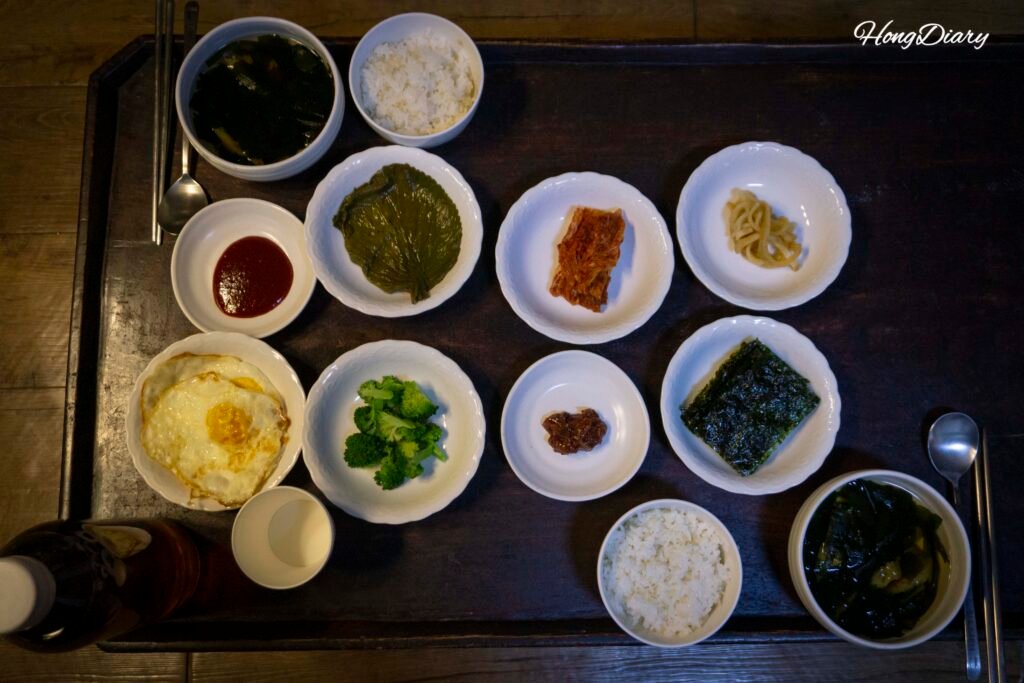
Breakfast
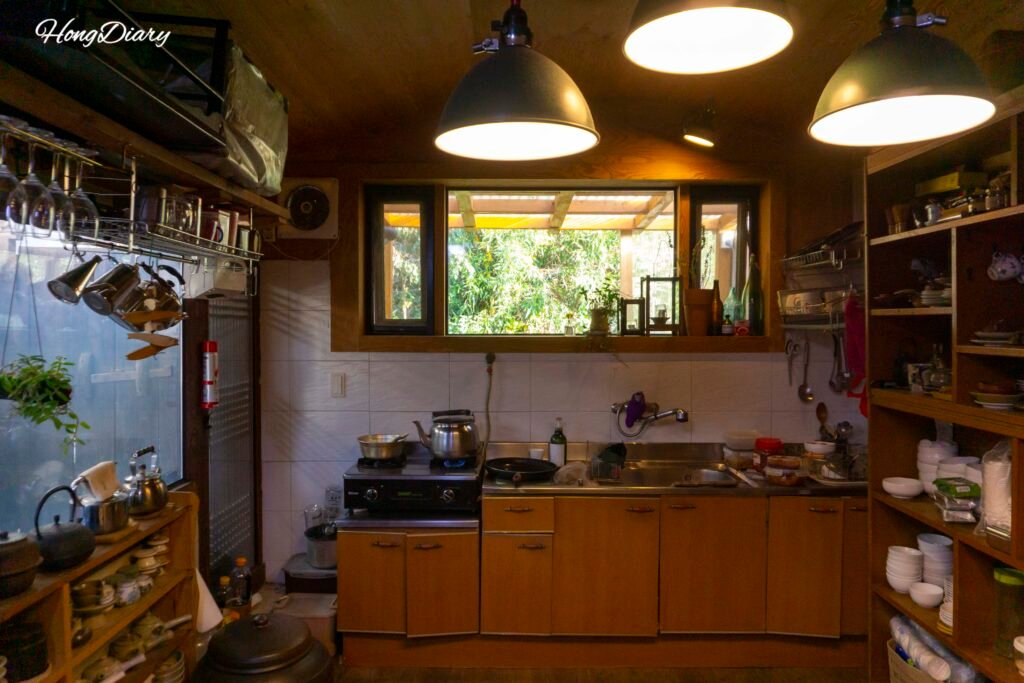
Free breakfast is included with the stay and served in the kitchen building on the property. It’s a home-style Korean spread — rice, soup, kimchi, small side dishes — simple but genuinely filling. It was the kind of breakfast that doesn’t photograph dramatically but feels exactly right after a night in a traditional guesthouse. The kimchi and the fermented squid side dish in particular were good enough that I finished a full bowl of rice, which is unusual for me at breakfast.
Breakfast is served at 8:30 AM. Plan around it if you want to make use of it.
What to Expect — Honest Notes
Yangsajae is the kind of place that rewards the right expectations. The history is real, the atmosphere is genuine, and the free breakfast is a legitimate plus. The management is attentive — they walked me through the area at check-in and pointed out things worth seeing nearby.
The trade-offs are also real: small rooms, limited amenities, no parking, no in-room temperature control. These are features of historic hanok architecture, not oversights. If you understand that going in, the stay is satisfying in a way that a modern hotel room isn’t.
I stayed at another hanok guesthouse during the same trip, and comparing the two is inevitable. Yangsajae has more history and more character in its bones — the original building, the courtyard, the gate. The other property was newer and more polished in its conveniences. Depending on what you’re looking for, either could be the better fit. For the experience of sleeping in a space that has actual centuries behind it, Yangsajae is the one.
If you’re ready to book, you can check availability and current rates here.
A Note on Jeonju
Jeonju is one of the best places in South Korea to experience traditional Korean culture directly — not as a reconstruction, but as a living city where the architecture, the food, and the pace are genuinely different from Seoul. The hanok village, the Confucian school, the street food, the bibimbap (Jeonju is its origin city) — a day isn’t enough. One or two nights gives the trip a completely different character, especially once the daytime crowds thin out and the village settles into something quieter.
Where is Yangsajae located in Jeonju?
Yangsajae is at 58 Gyodong, Wansangu, Jeonju-si, in the Jeonju Hanok Village area. From the Jeondong Cathedral / Hanok Village bus stop, it’s about an 800-meter walk (roughly 12 minutes). The nearest landmarks are Jeonju Hyanggyo (the Confucian school), which the property was historically connected to.
What are the check-in and check-out times at Yangsajae?
Check-in is at 15:00 and check-out is at 10:00. Breakfast is served at 8:30 AM and is included free with the stay.
What types of rooms are available at Yangsajae?
For couples, there are two room types: the bunhap room (with traditional folding panel doors that can connect two spaces) and the geudeul room (a standard ondol floor-heating room). A family room is also available, though it is in a newer separate structure rather than inside the original hanok buildings.
Is there parking at Yangsajae?
No, Yangsajae does not have parking. The surrounding streets in the Hanok Village area are narrow and parking is limited throughout the district. Arriving by public transport or taxi is recommended.
What is ondol and what is it like to sleep on a heated floor?
Ondol is a traditional Korean underfloor heating system that warms the floor from below using hot water pipes or, in older systems, flues from a fire. The floor stays warm through the night, and most guests sleep directly on bedding laid on the floor. It takes a little adjustment if you’ve only slept in beds, but the warmth is comfortable, particularly in cooler weather. Note that temperature at Yangsajae is controlled centrally, not from inside the room.
Does Yangsajae include breakfast?
Yes. A free home-style Korean breakfast is included with every stay. It typically includes rice, soup, kimchi, and small side dishes, and is served at 8:30 AM in the kitchen building on the property.
How do I get to Yangsajae from Seoul?
From Seoul Station, take the KTX to Jeonju Station — the journey takes approximately 2 hours and costs around ₩34,600 (approx. $23.07 USD) one way. From Jeonju Station, take bus 119 or 501 for 14 stops (about 20 minutes) to the Jeondong Cathedral / Hanok Village stop, then walk approximately 800 meters (about 12 minutes) to Yangsajae.