
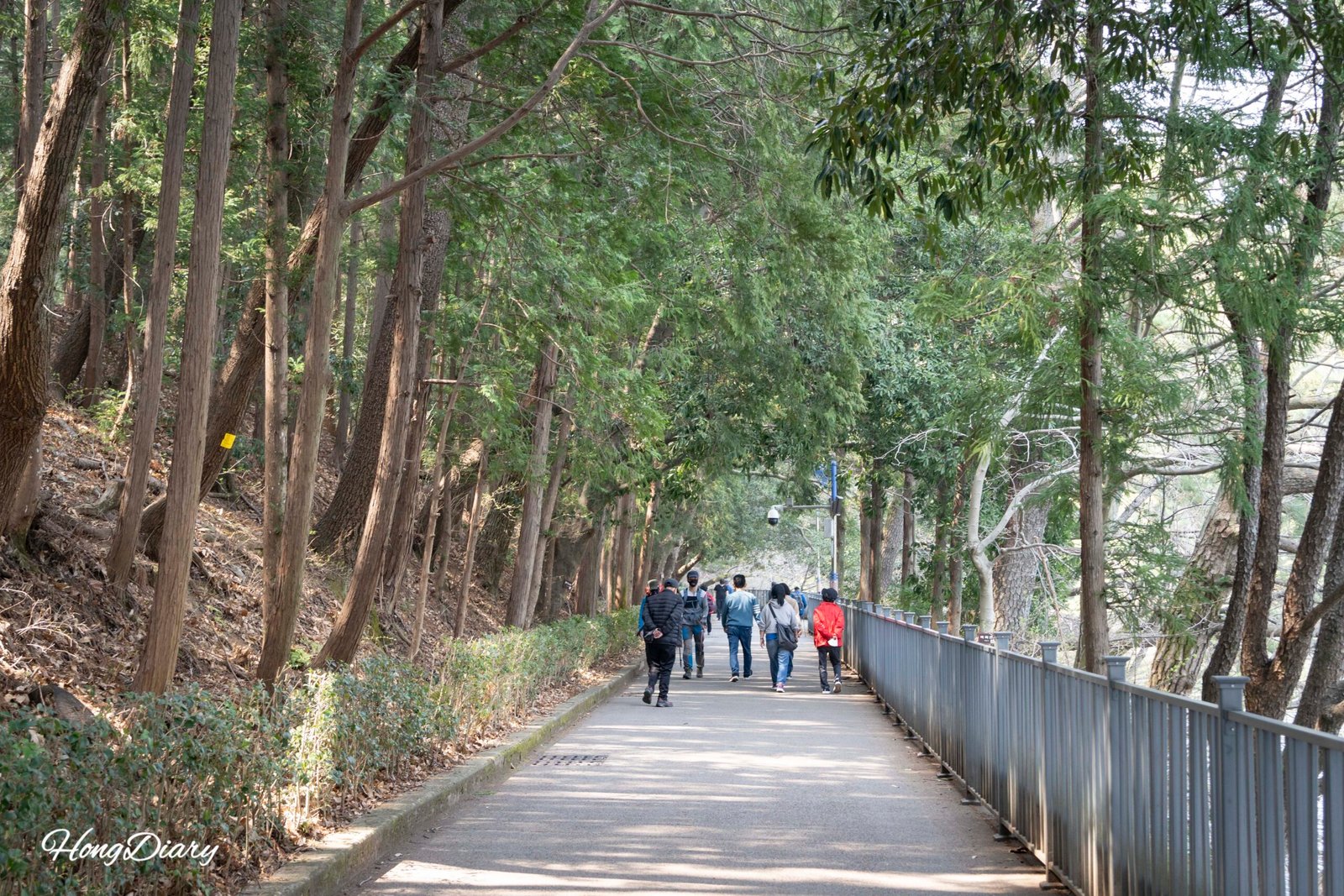
The weather was too good to waste indoors this weekend, so I went looking for somewhere close to home that wouldn’t turn into a full-day production. That’s how I ended up back at Busan Children’s Grand Park in Choeup, a place I hadn’t visited with my own family in years.
Most people who think of a “big city park” in Busan jump straight to Busan Citizens Park, and fair enough, it’s the one that gets all the attention. But this park has actually been around since 1971, tucked into Busanjin-gu and only a short ride from Seomyeon, Busan’s central business and shopping district. It’s less polished than the newer one across town, but that’s part of what makes it feel like an actual neighborhood spot rather than a tourist checklist item, with a proper forest, a reservoir, and enough open shade to make a lazy afternoon here feel effortless.
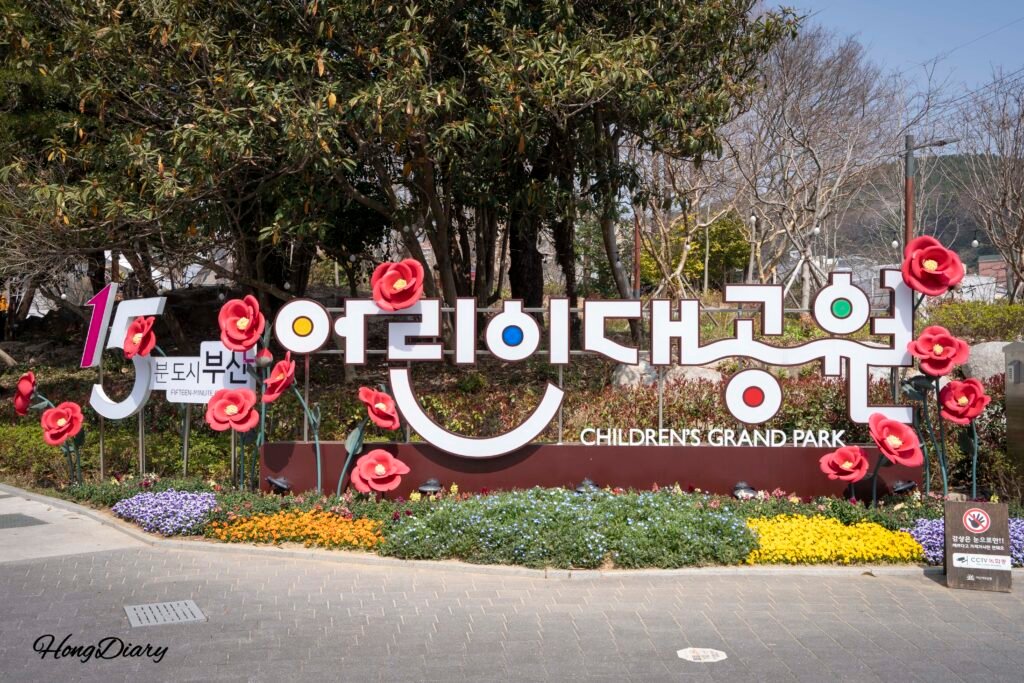
Quick Facts Before You Go
| Info | Details |
|---|---|
| Address | 295 Saessak-ro, Busanjin-gu, Busan |
| Admission | Free |
| Hours | Open 24 hours, no closed days |
| Parking (by car) | ₩300 (approx. $0.22 USD) per 10 minutes, plus ₩1,800 (approx. $1.32 USD) per additional hour — card payment only, no cash |
| By bus | From Busan Station Plaza, take bus No. 81 for about 22 stops (roughly 35 minutes), get off at Eorini Daegongwon stop, then walk about 150m (2 minutes) |
Getting In Without the Weekend Parking Panic
I’ll admit I drove over expecting to circle the block a few times. It was a Saturday afternoon, prime time for families, and I figured the lot would already be full. It wasn’t — a spot opened up almost immediately, and the road leading in from the entrance connects smoothly enough that parking here felt a lot less stressful than I’d braced for.
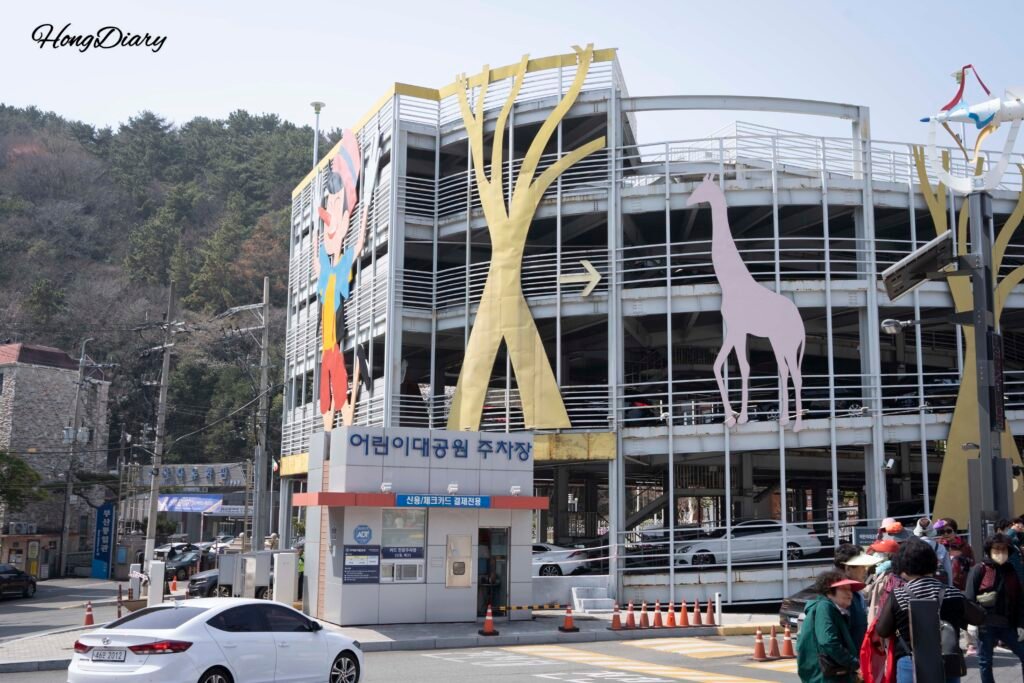
Just keep the fee structure above in mind before you head out — and remember, the lot only takes cards, so don’t count on paying with cash.
The Trail That Actually Made Me Recommend This Place
It had been long enough since my last visit that I’d genuinely forgotten the layout, so I checked the map posted near the entrance before heading in. The park circles around a reservoir at its center, and right past the meeting square, the path splits into two directions — most visitors go straight ahead, though looping around from the other side gets you to the same place eventually.
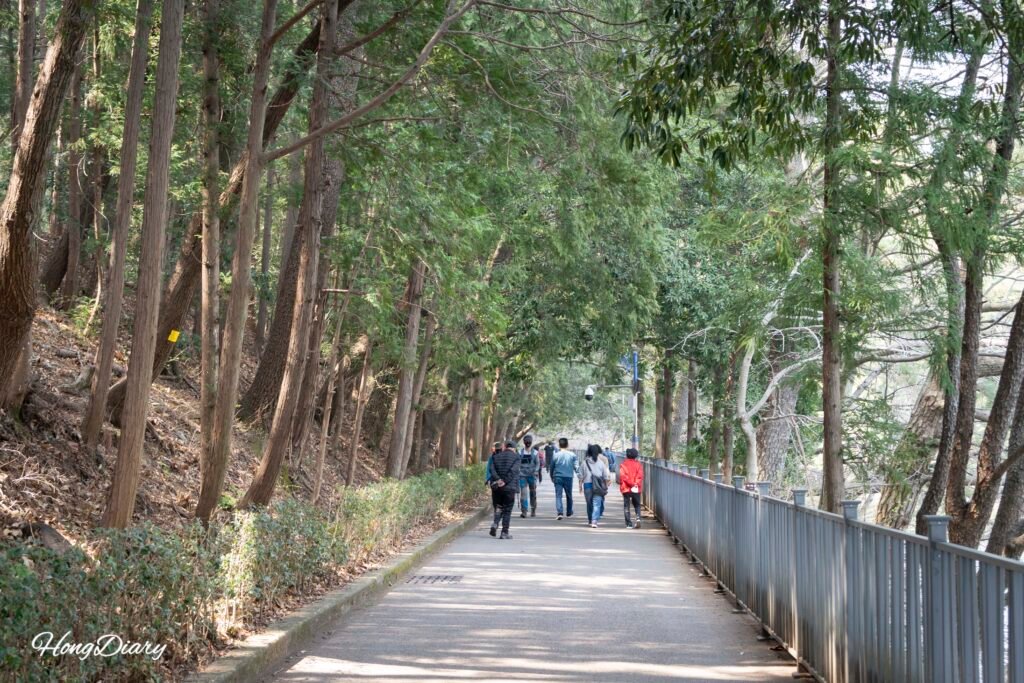
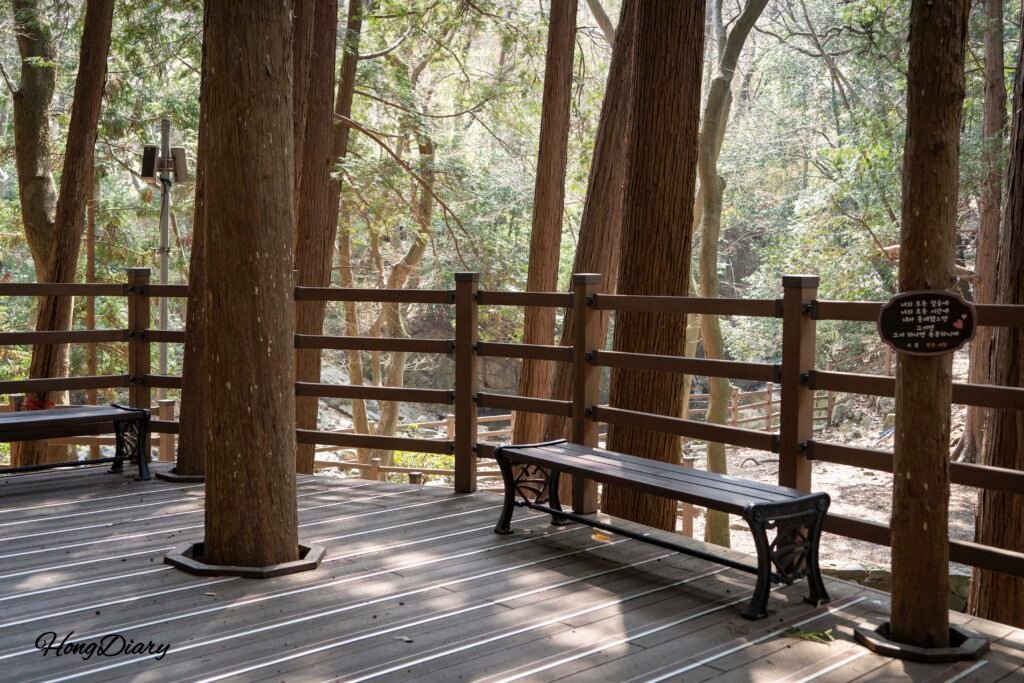
Heading straight up leads to Nokdam-gil, a gently sloped deck trail that winds through the forest. This is the part of the park I keep coming back to mentally, because someone clearly designed it with more than just hikers in mind.
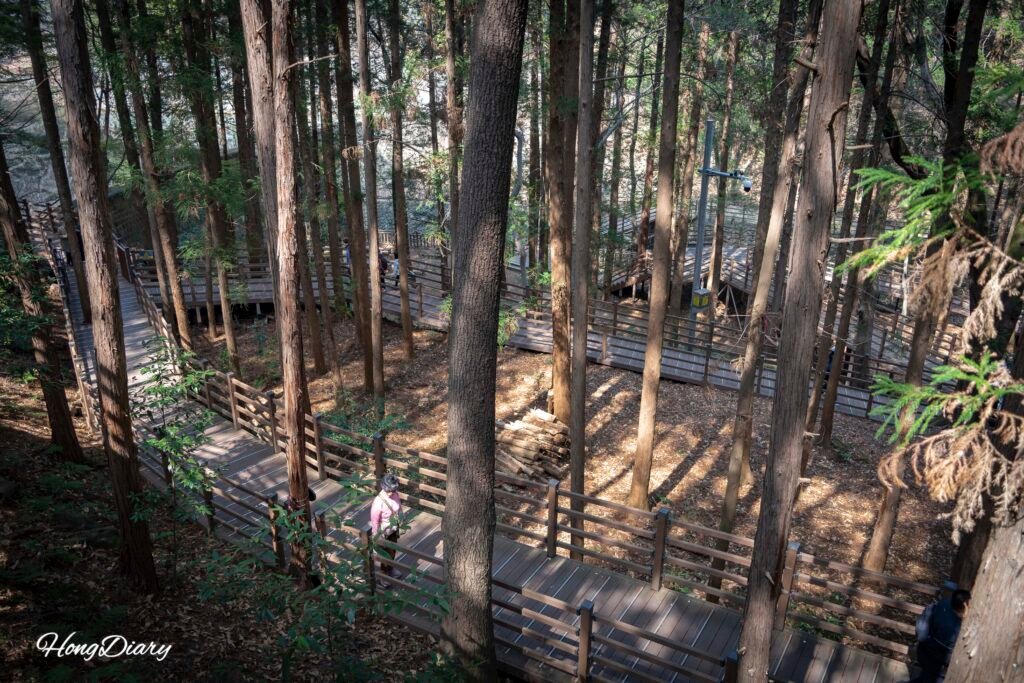
The incline is graded easily enough for strollers and wheelchairs to move through without a struggle, and it showed — plenty of parents were pushing prams up the slope, and a fair number of older visitors were out walking at their own pace. If you’re in more of a hurry, there are stairs cut in as a shortcut at a few points, so you’re never stuck behind the slow lane if you don’t want to be.
What struck me most wasn’t really the scenery — it was just how quiet and unhurried the whole stretch felt. No souvenir stands, no crowds funneling toward a photo spot, just trees and clean air doing their job.
Seongjigok Reservoir: The Park’s Actual Centerpiece
Keep following the trail and you’ll reach Seongjigok Reservoir, a large man-made lake sitting almost dead center in the park. It was originally built to store water for daily use, and today it’s simply the park’s quiet core — a loop path runs along the water, easy enough for a casual walk, with the forest reflected on the surface on calmer days.
You’ll spot ducks and carp drifting near the edges, which kids tend to enjoy pointing out, and there are benches scattered along the way if you just want to sit for a while. Further in, there’s a grassy area where several families had laid out mats and were clearly planning to stay a while — between that, a small snack stand selling simple things like cup noodles and odeng, and a playground nearby, it’s an easy setup for anyone looking to turn this into a proper picnic afternoon rather than just a walk-through.
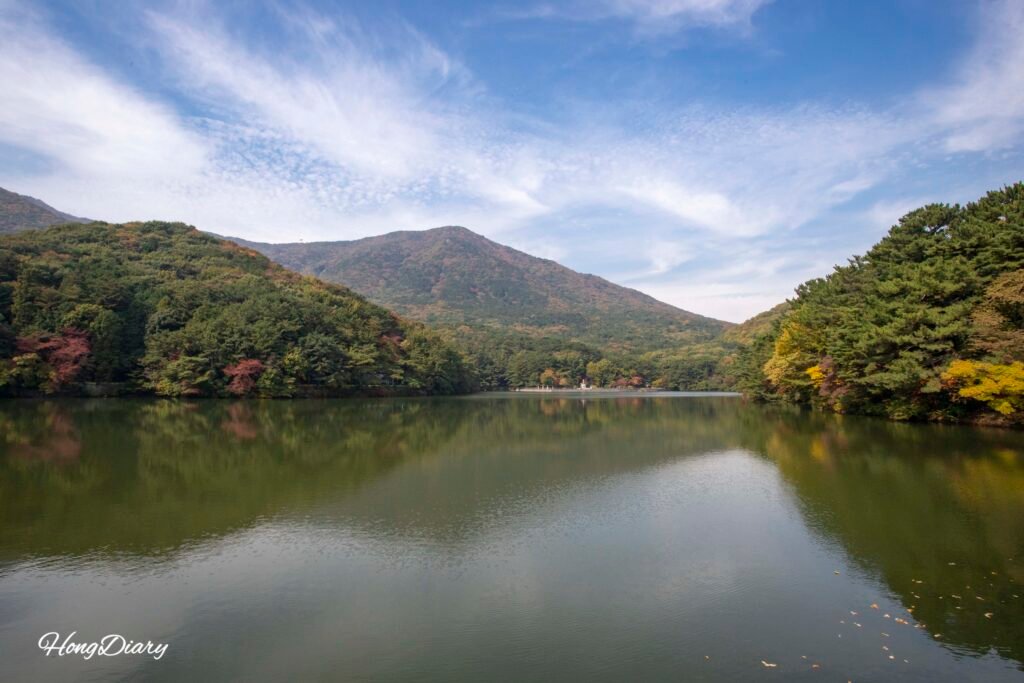
If I’m being honest, this place doesn’t try to impress you the way some of Busan’s newer, more manicured green spaces do — there’s no elaborate landscaping or Instagram-bait installation waiting around the corner. It’s a plainer kind of park, and depending on what you’re after, that’s either a letdown or exactly the point.
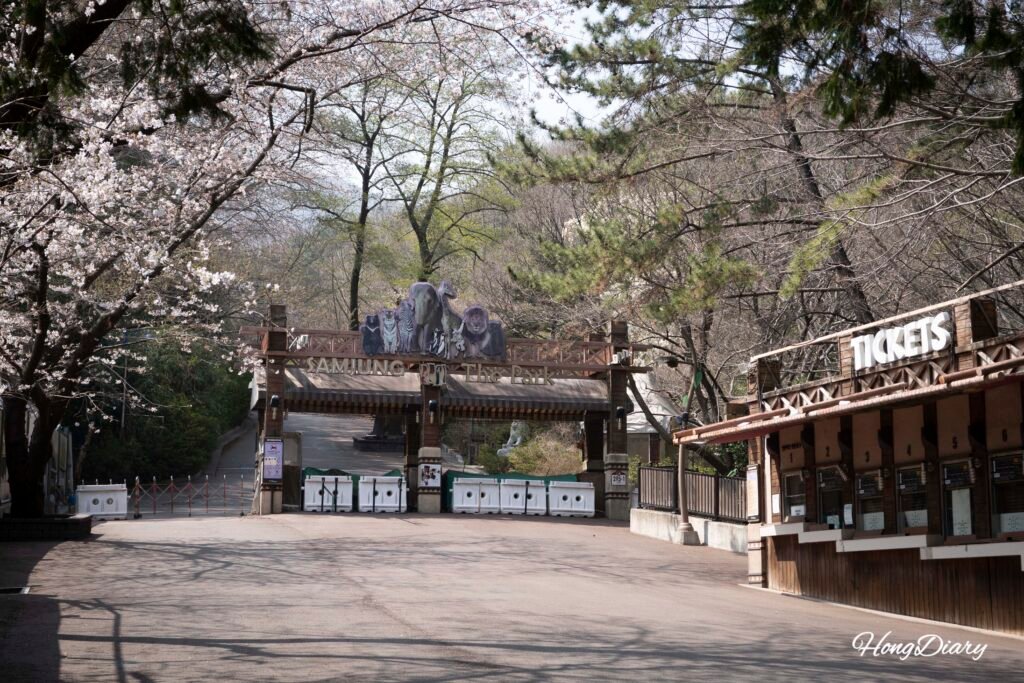
Worth keeping an eye on: Samjeong the Park, which used to be Busan’s only zoo, is currently planning to reopen in 2027. That said, the timeline has already shifted before, so it’s worth double-checking for the latest update before you build a trip around it.
Making a Day of It Nearby
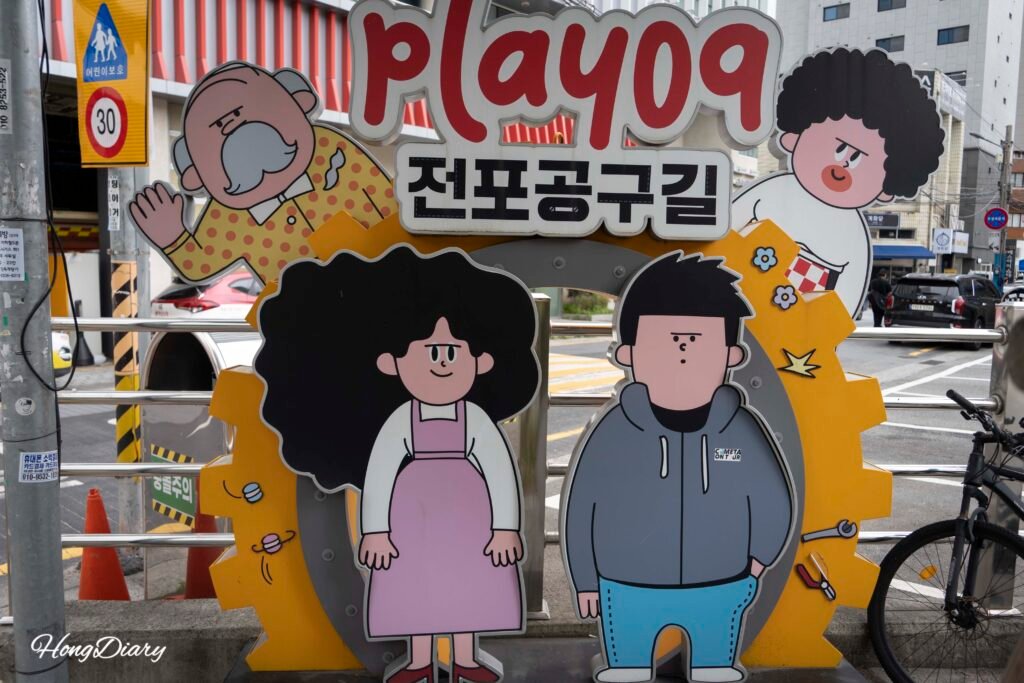
Since the park sits close enough to central Busan to make it worth extending your day, I’d pair it with a stop at Jeonpo Tool Street beforehand — it’s a short trip away and makes for an interesting detour if you’ve never wandered through it.
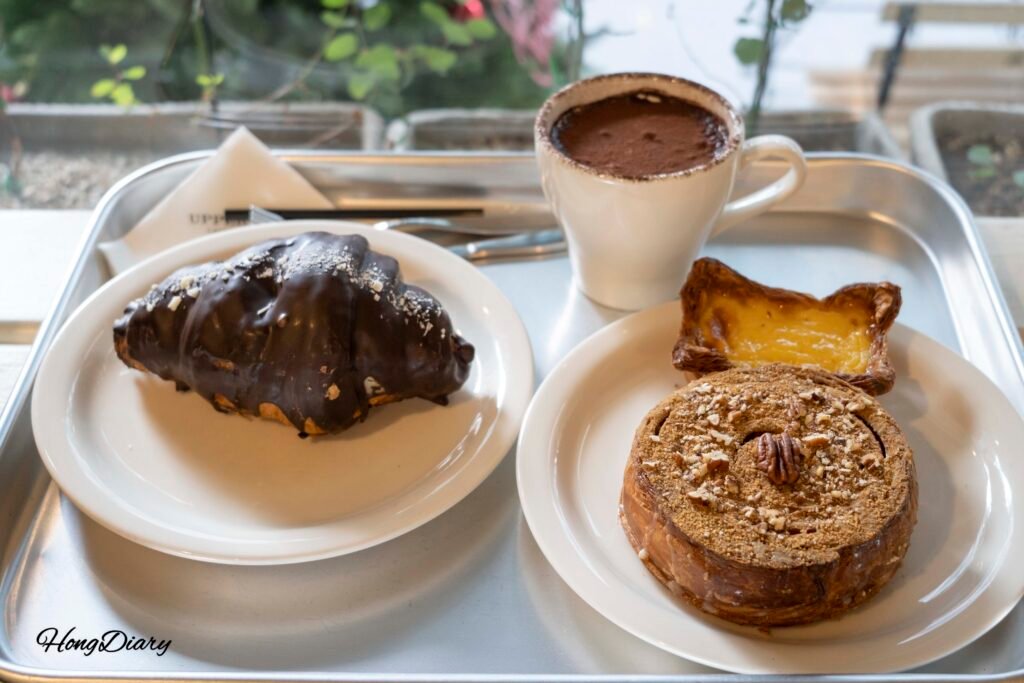
Right next to it is Jeonpo Cafe Street, and if you end up there, this bakery with genuinely excellent pastries is worth building your coffee break around.
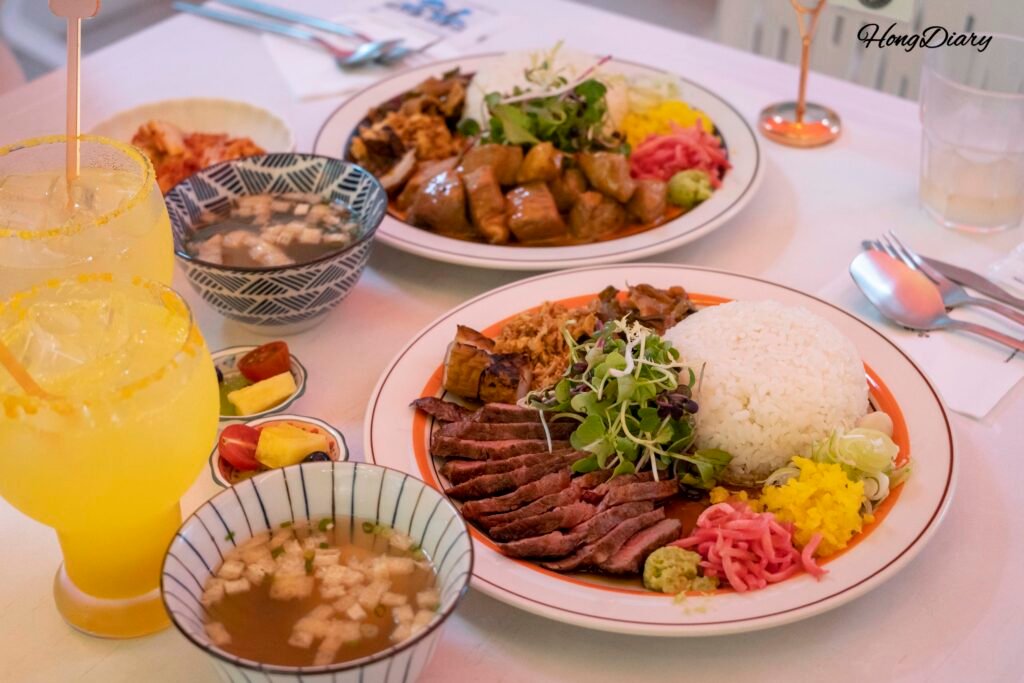
For lunch, there’s a rice-bowl place not far from the park that I keep going back to myself — honestly the best deopbap I’ve had in the area, and it fits naturally into the route whether you’re coming from the park or heading toward it.
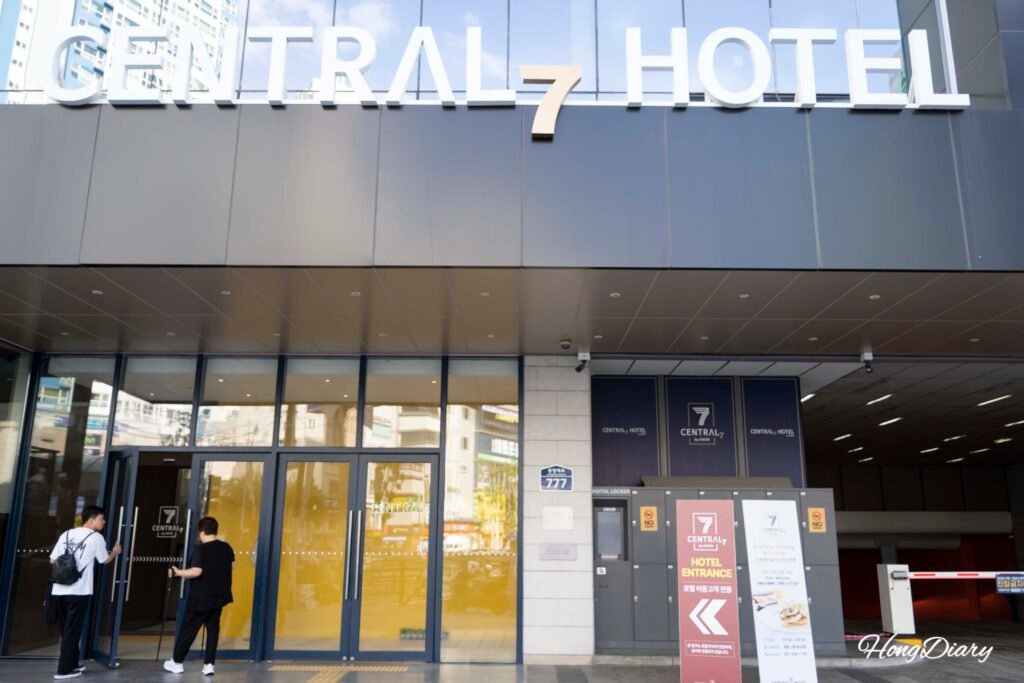
if you’re not local and need a place to stay, this hotel sits close enough to the park while still giving you easy access to the rest of Busan, which makes it a solid base if this park is just one stop on a longer itinerary.
Worth the Trip?
There’s no grand finale here, no single photo that sums up the visit — it’s the kind of place where you just stop wherever you feel like it and let the afternoon pass without a fixed plan. That low-key rhythm is exactly why I think it holds up across seasons, whatever time of year you happen to be in Busan.
If you’re looking for somewhere close to the city center that doesn’t demand much planning, Busan Children’s Grand Park is worth putting on the list — especially if you’re traveling with kids, older parents, or anyone who’d rather not tackle a steep hike just to enjoy some green space.
Is Busan Children’s Grand Park free to enter?
Yes. Admission to the park itself is completely free. The only cost you’ll run into is parking if you’re driving in, which is charged at ₩300 (approx. $0.22 USD) per 10 minutes plus ₩1,800 (approx. $1.32 USD) per additional hour, card payment only.
What are the opening hours of Busan Children’s Grand Park?
The park is open 24 hours a day with no closed days, so there’s no need to plan around a specific opening or closing time.
Is Busan Children’s Grand Park stroller and wheelchair friendly?
Yes. The main forest trail, Nokdam-gil, is a gently sloped deck path specifically graded for strollers and wheelchairs, and it also gets regular use from elderly visitors walking at their own pace. If you’re in a hurry, there are also shortcut stairs at a few points along the way.
How do I get to Busan Children’s Grand Park by bus?
From Busan Station Plaza, take bus No. 81 for about 22 stops (roughly 35 minutes), get off at Eorini Daegongwon stop, then walk about 150m (around 2 minutes) to reach the entrance.
What is Seongjigok Reservoir?
Seongjigok Reservoir is a large man-made lake at the center of Busan Children’s Grand Park. It was originally built to store water for daily use and is now a quiet spot for a loop walk, with ducks, carp, benches, and a grassy picnic area nearby.
Is Busan Children’s Grand Park the same as Busan Citizens Park?
No, they’re two separate parks. Busan Citizens Park is the newer, more widely known option in central Busan, while Busan Children’s Grand Park in Busanjin-gu has been around since 1971 and tends to be quieter and less polished by comparison.
Is there a zoo near Busan Children’s Grand Park?
Samjeong the Park, which used to be Busan’s only zoo, is currently planning to reopen in 2027. However, the timeline has already shifted before, so it’s worth checking for the latest news before counting on it for your trip.