
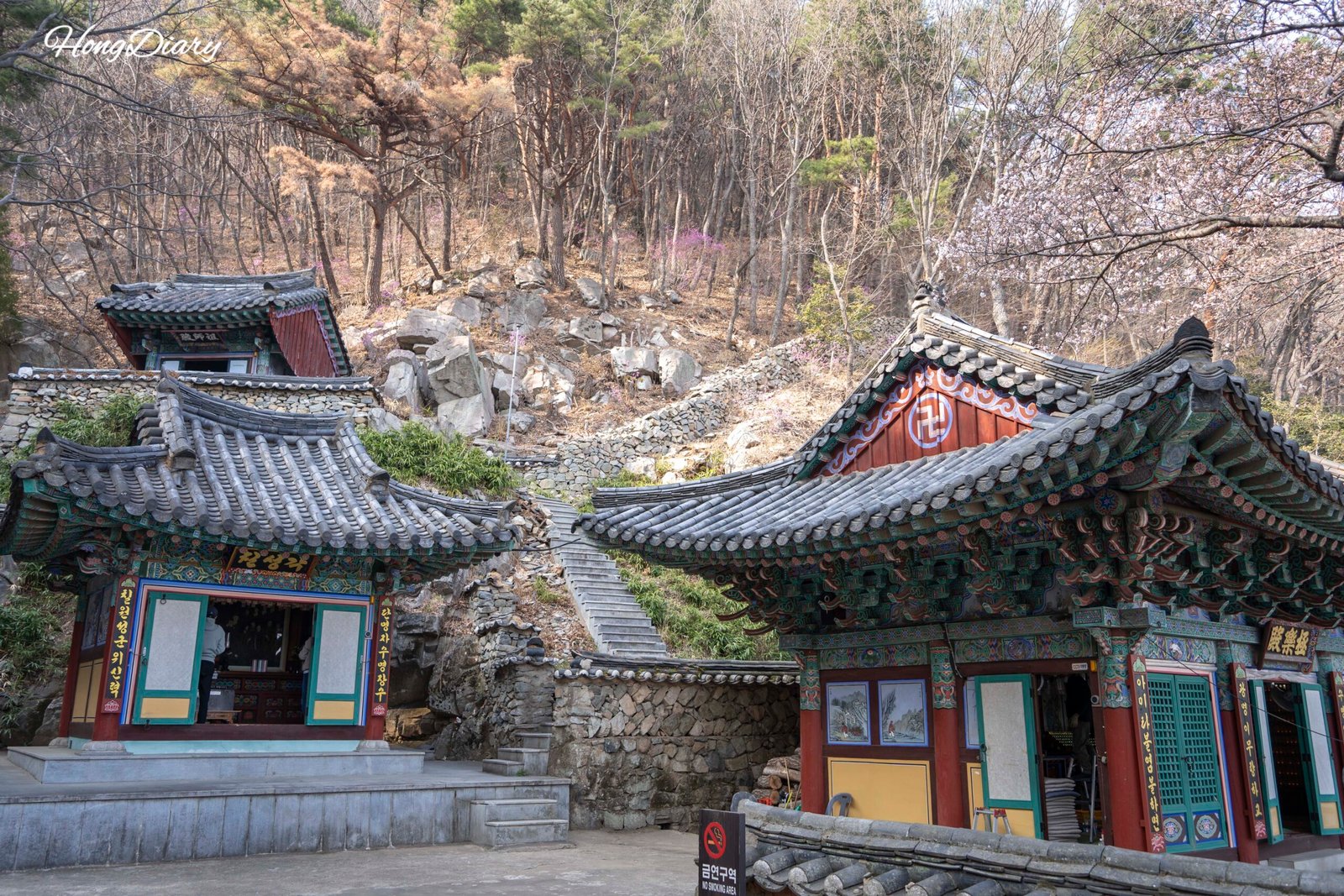
Most travelers visiting Busan for temples head straight to Haedong Yonggungsa on the coast or Samgwangsa for its lantern-lit photo ops. I wanted somewhere quieter — a place where I could sit still without dodging selfie sticks. That search led me to Seonamsa, and it turned out to be the kind of calm I didn’t know I was looking for.
The temple sits on the slopes of Baegyangsan Mountain (801 m) in Busanjin-gu, one of Busan’s most central districts. Busanjin-gu borders Dongnae-gu to the east and Sasang-gu to the west, putting Seonamsa roughly 6 km northwest of the Seomyeon commercial hub — close enough to reach in under 30 minutes by taxi, yet surrounded by enough forest to feel like a different world. A completely separate temple shares the same name in Suncheon, South Jeolla Province; the two are unrelated.
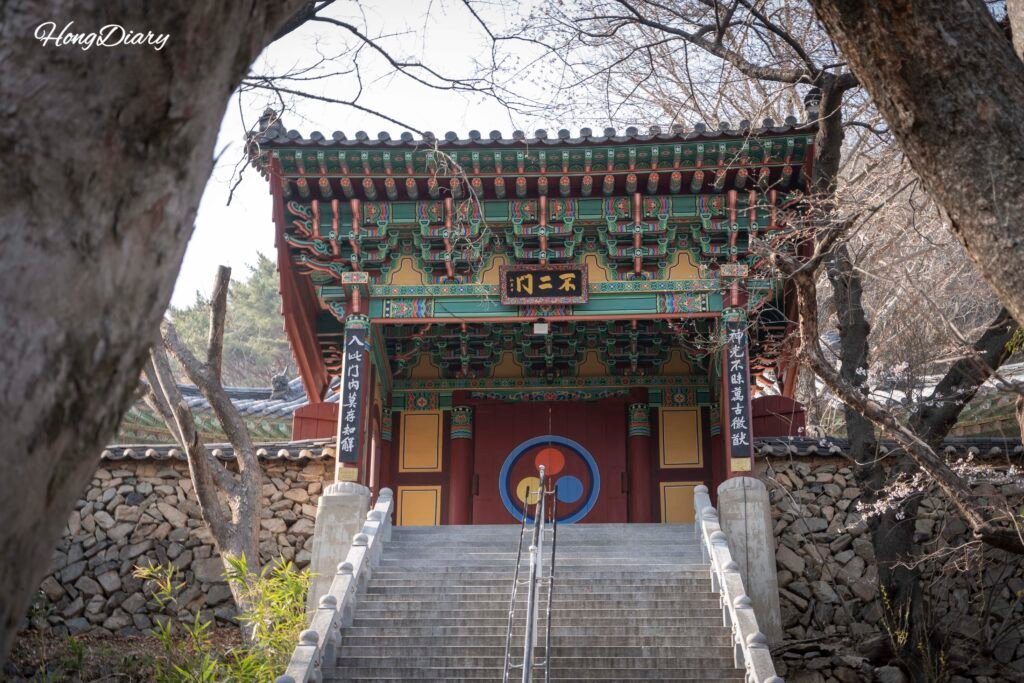
Table of Contents
Know Before You Go
| Detail | Info |
|---|---|
| Address | 138 Baegyangsan-ro, Busanjin-gu, Busan |
| Admission | Free |
| Parking | Free |
| Recommended hours | 10:00 AM – 4:00 PM |
| Transit | Seomyeon Station (Exit 13) ➜ Bujeon Market bus stop ➜ Bus 17, 141, or 167 ➜ Seonamsa Entrance stop (~20 min) ➜ 15-min walk uphill |
| Taxi from Busan Station | ~₩11,100 / ~$7.40 USD / ~€6.28 EUR (10 km) |
| Taxi from Seomyeon Station | ~₩8,000 / ~$5.33 USD / ~€4.52 EUR (6 km) |
Skip the Bus — Here’s Why a Taxi Is Worth It
I’ll be upfront: getting here by bus is doable, but the last stretch involves a steep uphill walk of about 815 meters. On my previous visit I took the bus and remember the climb being tougher than expected. This time I grabbed a taxi, and it made a real difference.
What I didn’t realize before is that the road continues past the temple entrance to a small parking lot further up. From there, a gentle path leads directly to the grounds, bypassing the steep staircase entirely. If you have mobility concerns or just want to save your energy for the visit itself, driving up is the way to go. The fare from Seomyeon runs about ₩8,000 (~$5.33 USD / ~€4.52 EUR) — a fair trade for skipping that hill.
From Wonhyo to the Joseon Rebuild — 1,300 Years in Brief
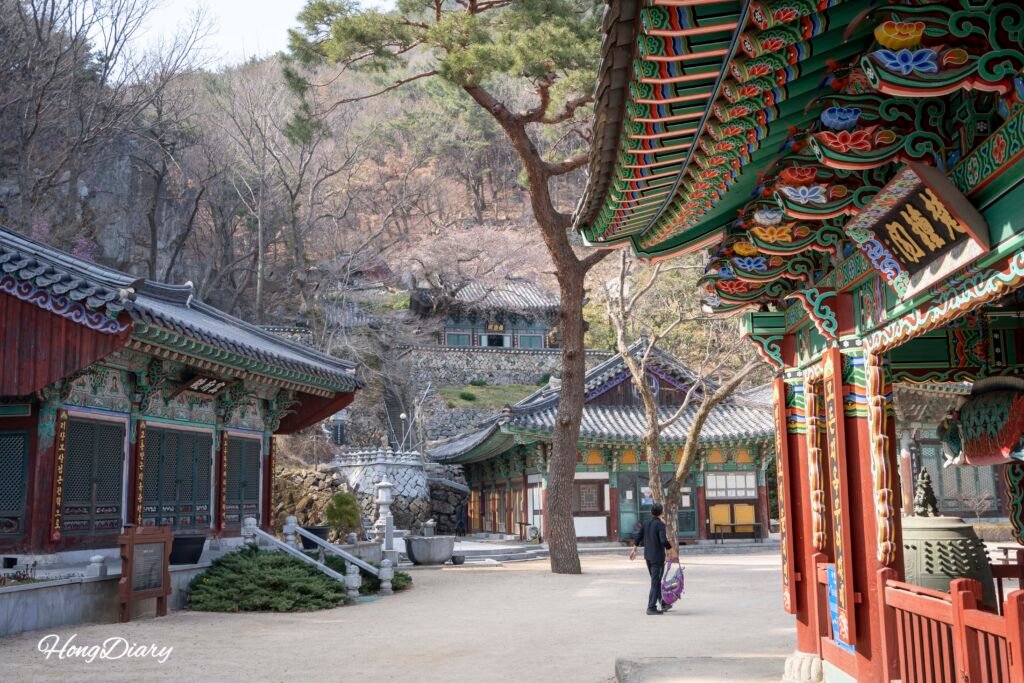
Seonamsa traces its origins to the Silla Dynasty, when the monk Wonhyo is said to have founded it under the name Gyeonggangsa. It was later renamed Seonamsa — meaning “the temple where rocks of immortals reside” — in honor of the Hwarang warriors who once trained in this area. None of the original structures survived the wars that swept across the peninsula; what stands today dates to a reconstruction during the late Joseon Dynasty.
| Historical Highlight | Details |
|---|---|
| Founded | Silla Dynasty (circa 7th century) by monk Wonhyo |
| Original name | Gyeonggangsa |
| Renamed | Seonamsa (“temple of the immortal rocks”), honoring Hwarang warriors |
| Current structures | Late Joseon Dynasty reconstruction |
| Cultural assets on-site | Hanging scroll painting, bronze bell, three-story stone pagoda, wooden seated Amitabha Buddha |
What the Visit Actually Feels Like
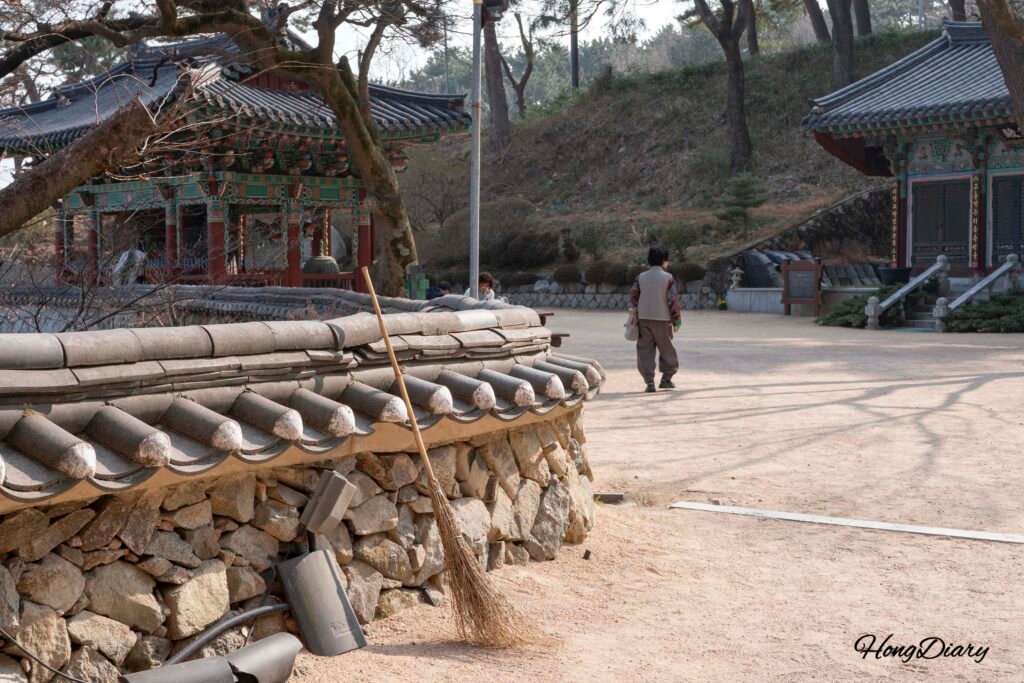
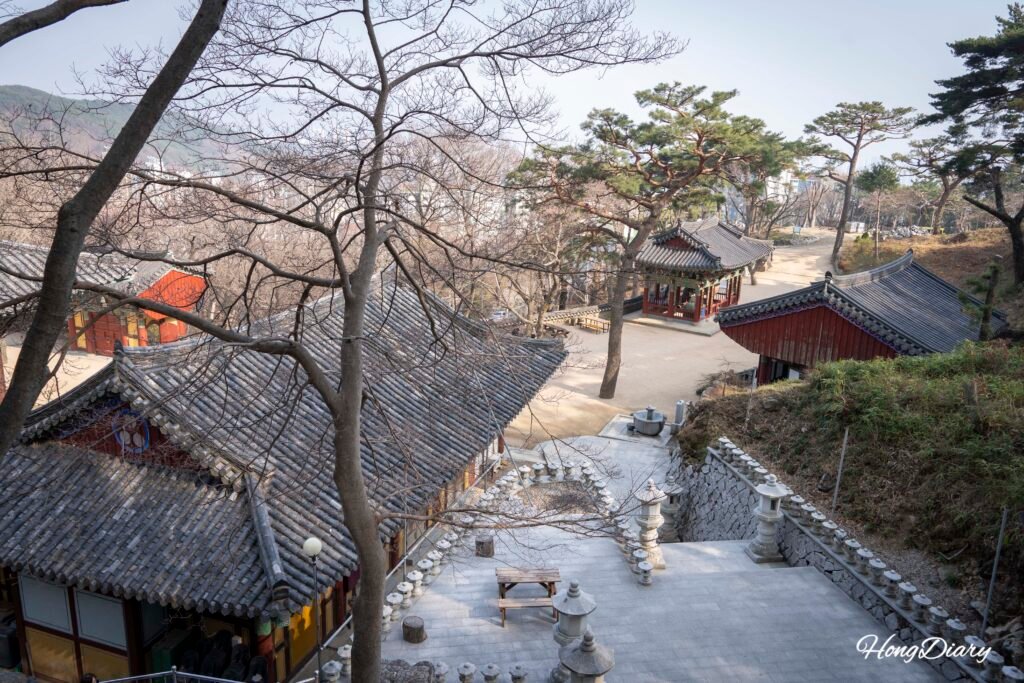
This is not a large temple. You can walk the entire grounds in 30 to 40 minutes without rushing. The halls are compact rather than towering, arranged along the mountainside in a way that feels deliberate — as if the buildings were placed to complement the landscape instead of competing with it.
What struck me most was the quiet. No tour groups, no loudspeaker commentary, no gift shop crowds. Just wind through the trees and the occasional bird overhead. I sat on one of the benches near the rear of the complex and spent a while staring at the cliff face rising behind the temple like a natural stone screen. The dense tree cover blocks most of the city view, but that enclosed, sheltered atmosphere is exactly what makes the place feel restorative.
I’m not religious, but I’ve noticed that temples and old churches tend to have a calming effect that’s hard to explain. Seonamsa leans into that quality more than most.
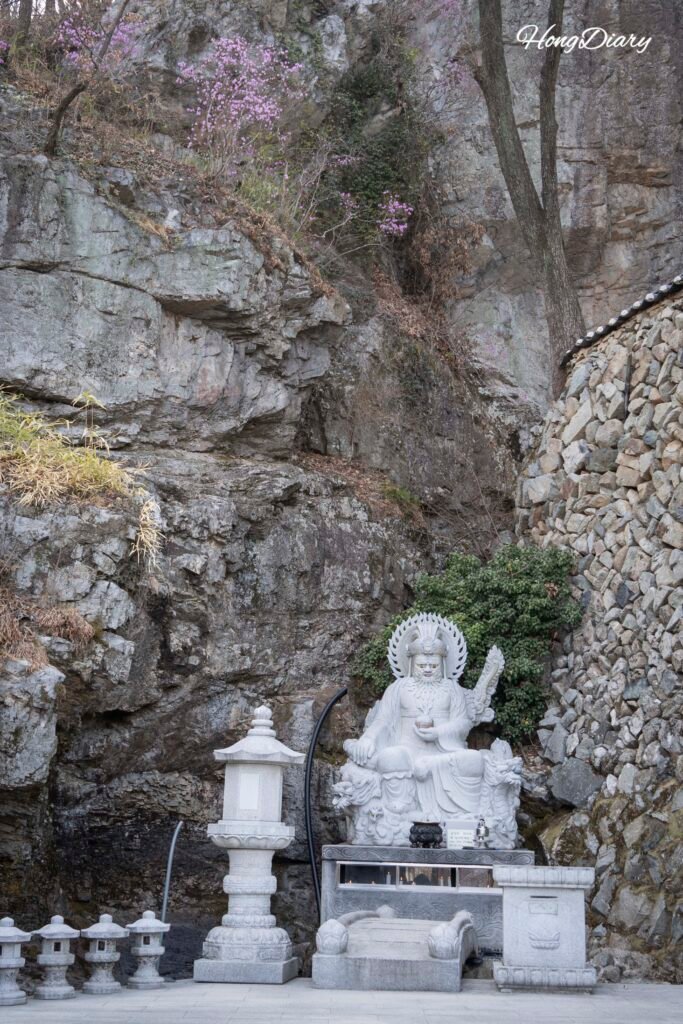
The Dragon King Statue — Something You Won’t See Elsewhere
One detail that caught my attention was a statue inside the Yongwangdan hall: a Dragon King figure. These aren’t common even in Korean temples. The Dragon King originates from Daoist and folk traditions as a deity governing water, believed to ward off disaster and bring fortune. When Buddhism absorbed elements of local belief systems across East Asia, the Dragon King was recast as one of the guardian spirits protecting the Buddha’s teachings. It’s the kind of artifact that adds an unexpected layer, especially if you’re interested in how religions borrow from each other over centuries.
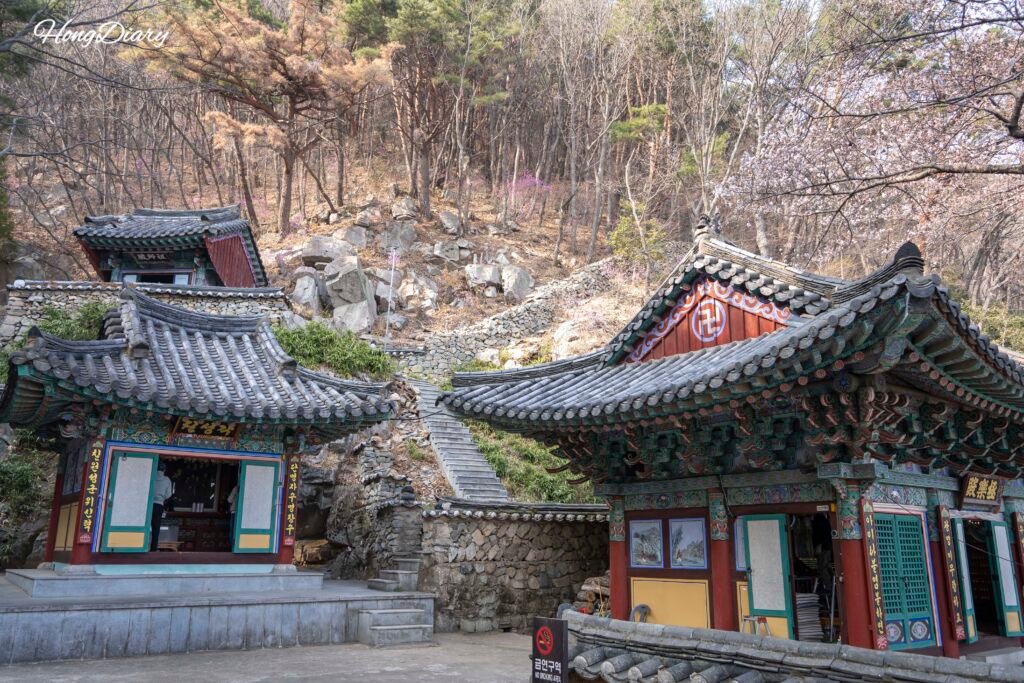
Spring Blooms and the Cliff Backdrop
I visited in late March, and the timing turned out to be fortunate. Azaleas and early cherry blossoms were scattered across the hillside near the Sansingak (mountain spirit shrine), adding soft color to the otherwise muted greens and grays of the grounds.
The real visual highlight, though, is the sheer cliff face rising directly behind the main buildings. It stands like a folding screen carved by nature, and it gives the temple a sense of enclosure that feels protective rather than confining. I spent more time than I planned just sitting and looking at it — which, honestly, might be the whole point of coming here.
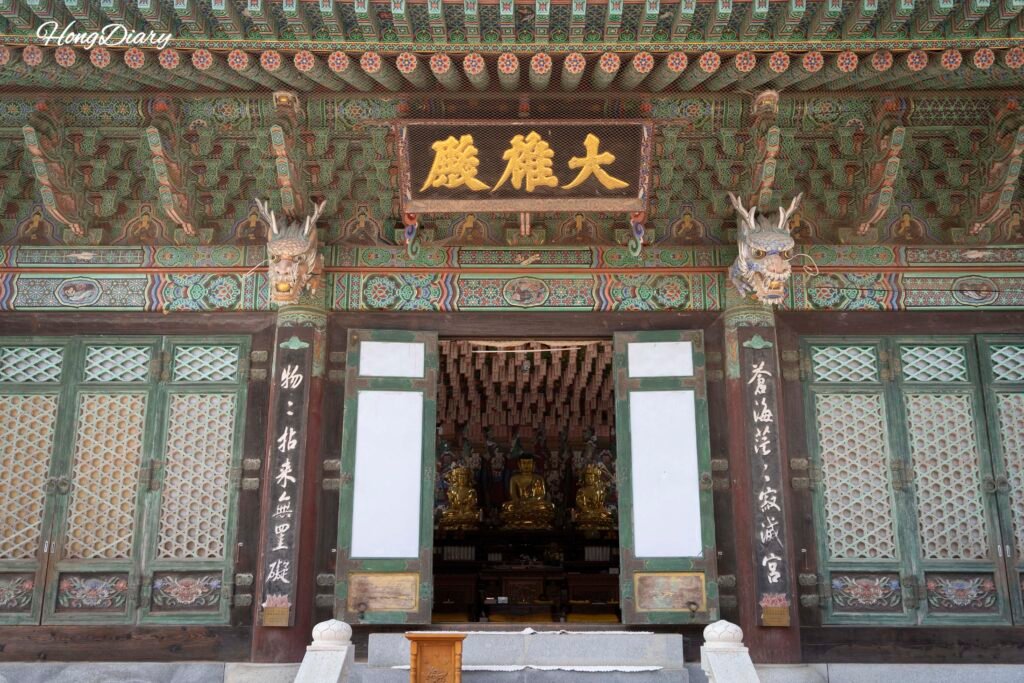
Going Deeper: What to Look for During Your Visit
The paintings on the walls and inside the smaller halls depict stories from Buddhist practice — stages of spiritual training, tales of interconnection and karma. They’re easy to miss if you’re just passing through, but knowing what they represent makes the visit more engaging. The temple’s official website has detailed explanations if you’d like to read up beforehand.
The cultural properties scattered around the grounds — the hanging scroll painting, the bronze bell, the three-story stone pagoda — aren’t behind glass or roped off. They’re just there, part of the daily fabric of the place. Spotting each one can turn a casual stroll into something more intentional.
For anyone considering a longer stay, Seonamsa also runs a temple stay program: early morning chanting, communal meals, periods of seated meditation. Availability varies, so checking the schedule in advance is a good idea.
Who Seonamsa Temple Busan Is Really For
This temple won’t top anyone’s list for dramatic photo ops or architectural grandeur. It doesn’t try to. What it offers instead is a kind of quiet that’s hard to find inside a major Korean port city — a place where the main activity is simply walking slowly and letting your thoughts settle.
If you’re the type of traveler who measures a destination by how long you can sit still and feel at ease, this place will make sense to you. If you need constant stimulation, you’ll probably be underwhelmed — and that’s fine.
An itinerary that seamlessly extends your day without breaking the peaceful afterglow of Seonamsa.
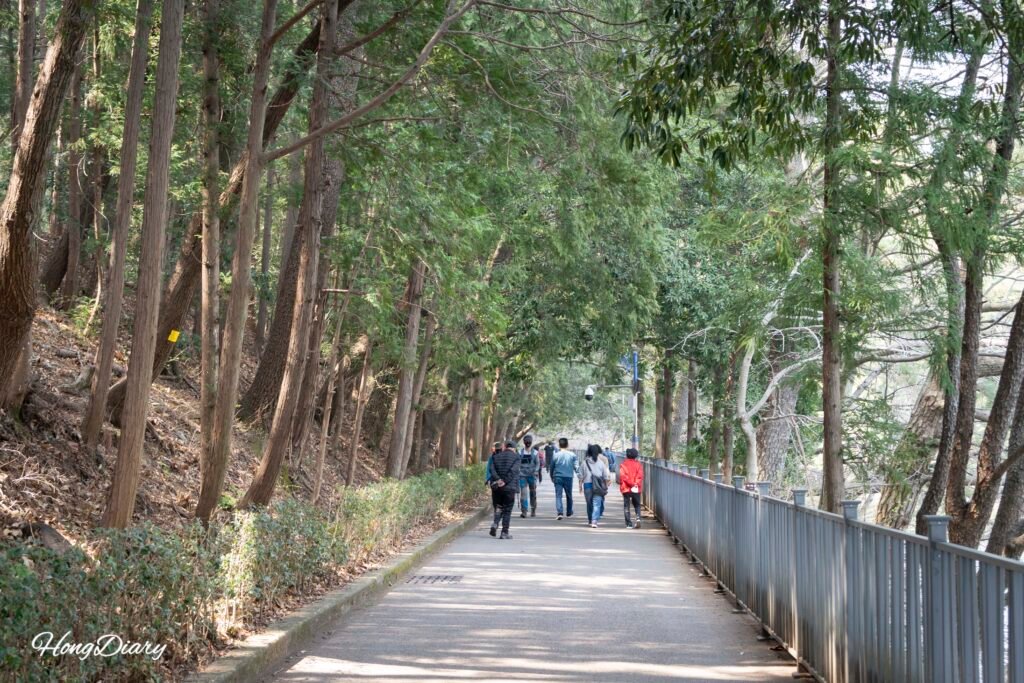
Busan Children’s Grand Park, a local favorite since 1971 with a lake and walking trails through all four seasons, is under 30 minutes away by public transit and makes for a natural extension of a slow-paced day.
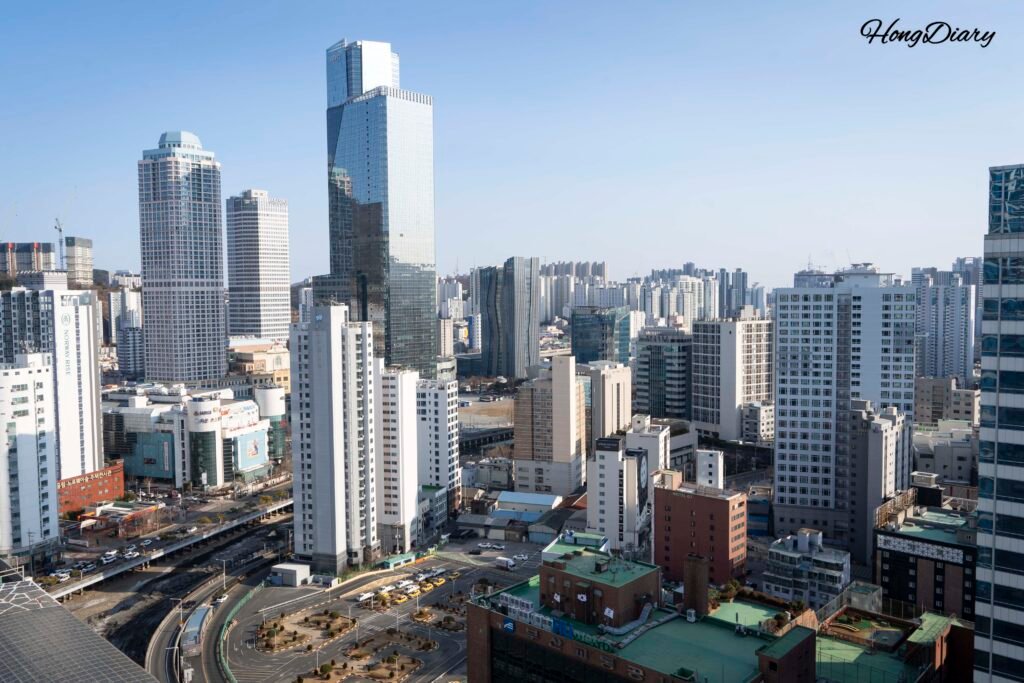
If you’re basing yourself in the Seomyeon area — which I’d recommend for its central location and transit access — a place like this apartment-style hotel with complimentary breakfast and a living room keeps things comfortable without overspending.
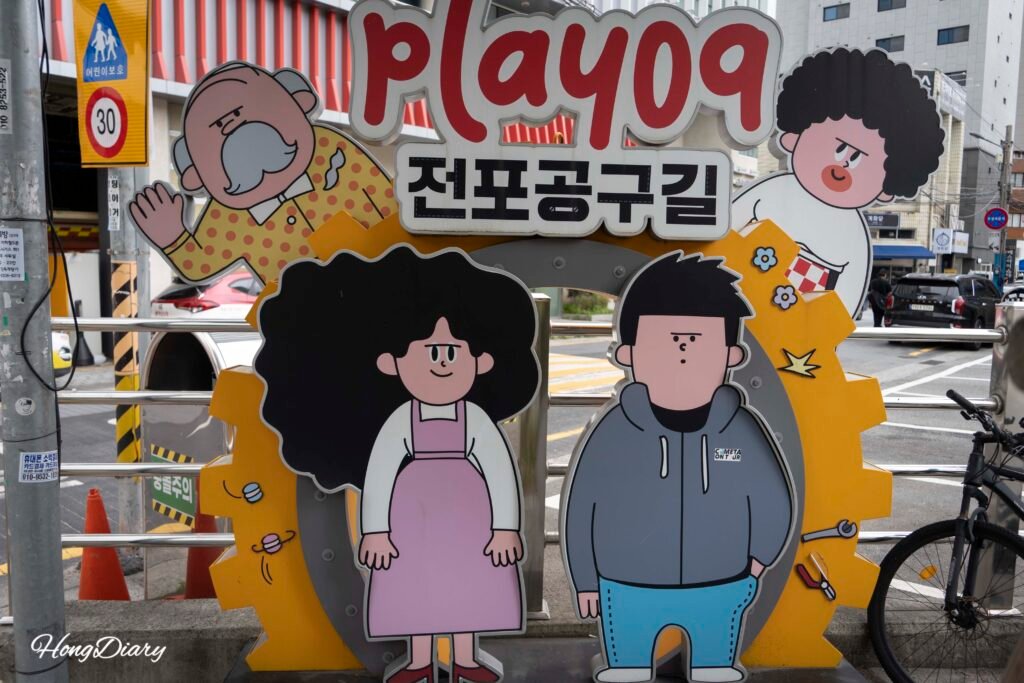
On days when you want something with more street-level energy, Jeonpo Tool Street is a short ride from Seomyeon — converted hardware shops turned into retro cafes and hidden restaurants that reward the curious.
Seonamsa Temple Busan reminded me that the best travel moments aren’t always the loudest. Sometimes they’re just a bench, a breeze, and a cliff that’s been standing there for longer than anyone can remember.
Is Seonamsa Temple Busan free to visit?
Yes. There is no admission fee and no parking fee. The temple is open to visitors daily, though arriving between 10:00 AM and 4:00 PM is recommended for the best experience.
How do I get to Seonamsa Temple from Seomyeon Station?
From Seomyeon Station (Exit 13), walk about 200 meters to the Bujeon Market Entrance bus stop. Take bus 17, 141, or 167 and ride approximately 20 minutes to the Seonamsa Entrance stop, then walk uphill for about 15 minutes. A taxi from Seomyeon costs around ₩8,000 (~$5.33 USD / ~€4.52 EUR) and is the more comfortable option.
How long does it take to explore Seonamsa Temple?
The temple grounds are compact, so a leisurely walk through the entire complex takes about 30 to 40 minutes. If you plan to sit and take in the surroundings or examine the cultural artifacts closely, allow one to two hours.
Is Seonamsa Temple in Busan the same as the one in Suncheon?
No. Seonamsa in Suncheon (South Jeolla Province) is a separate and much larger temple. The one covered here is located on Baegyangsan Mountain in Busanjin-gu, Busan. The two share only a name.
Does Seonamsa Temple offer a temple stay program?
Yes. The temple operates a temple stay program that typically includes early morning chanting, communal meals, and meditation sessions. Availability and scheduling vary, so contacting the temple directly before your visit is recommended.
What is the Dragon King statue at Seonamsa Temple?
The Dragon King statue is housed in the Yongwangdan hall. It represents a water deity from Daoist and Korean folk traditions that was later absorbed into Buddhism as a guardian spirit. Statues like this are uncommon even in Korean temples, making it a distinctive feature of Seonamsa.
When is the best season to visit Seonamsa Temple Busan?
Spring (late March to April) is particularly rewarding, as azaleas and cherry blossoms bloom along the hillside near the Sansingak shrine. However, the temple’s quiet atmosphere and forested setting make it a pleasant visit in any season, especially autumn when the mountain foliage changes color.