
Sushi in Korea is not cheap. A single plate of decent nigiri at a sit-down restaurant easily runs ₩15,000–30,000 (~$10–20 USD / ~€8–17 EUR), and a proper omakase course can cost well over ₩100,000 (~$67 USD / ~€57 EUR) per person. So how do Korean families get their sushi fix without draining their wallets? They head to a sushi buffet chain. On a recent trip to the Busan area, I stopped by QooQoo — a franchise I’ve visited at multiple locations over the years — to try the Yangsan branch for a weekday lunch with my husband. I walked in expecting a decent spread and walked out genuinely impressed by how much the quality had improved since my last visit.
Yangsan sits in Gyeongsangnam-do province, just north of Busan. Despite being a separate city, it’s directly connected to Busan’s subway network via Metro Line 2, making it an easy side trip for travelers based in the Busan area. The Yangsan QooQoo branch is inside the La Fiesta building, literally a one-minute walk from Exit 1 of Jeungsan Station. That kind of subway-to-door convenience is part of why Busan locals make the trip out here on purpose.
Table of Contents
Basic Info: Location, Hours, Pricing, and How to Get to QooQoo Yangsan
| Detail | Information |
|---|---|
| Address | La Fiesta B1F, 177 Jeugsanyeok-ro, Mulgeum-eup, Yangsan-si, Gyeongsangnam-do |
| Hours | 11:00 AM – 9:30 PM, daily (hours may vary by branch) |
| Closed | Open year-round (no regular holidays) |
| Getting There | Busan Metro Line 2, Jeungsan Station Exit 1, 1-minute walk |
| Parking | La Fiesta underground floors B1–B3 (3 hours free with meal) |
| Facilities | Kids play zone, nursing room, highchairs |
Pricing (Per Person)
| Category | Price (KRW) | USD | EUR |
|---|---|---|---|
| Weekday Lunch (exit by 5 PM) | ₩25,900 | ~$17 | ~€15 |
| Weekday Dinner (enter after 5 PM) | ₩30,900 | ~$21 | ~€17 |
| Weekends & Holidays | ₩33,900 | ~$23 | ~€19 |
| Elementary School (weekday / weekend) | ₩16,900 / ₩17,900 | ~$11 / ~$12 | ~€10 |
| Preschool (36 months and up) | ₩8,900 | ~$6 | ~€5 |
Visited: September 1, 2026 · Approximate exchange rates: $1 USD ≈ ₩1,500 / €1 EUR ≈ ₩1,769
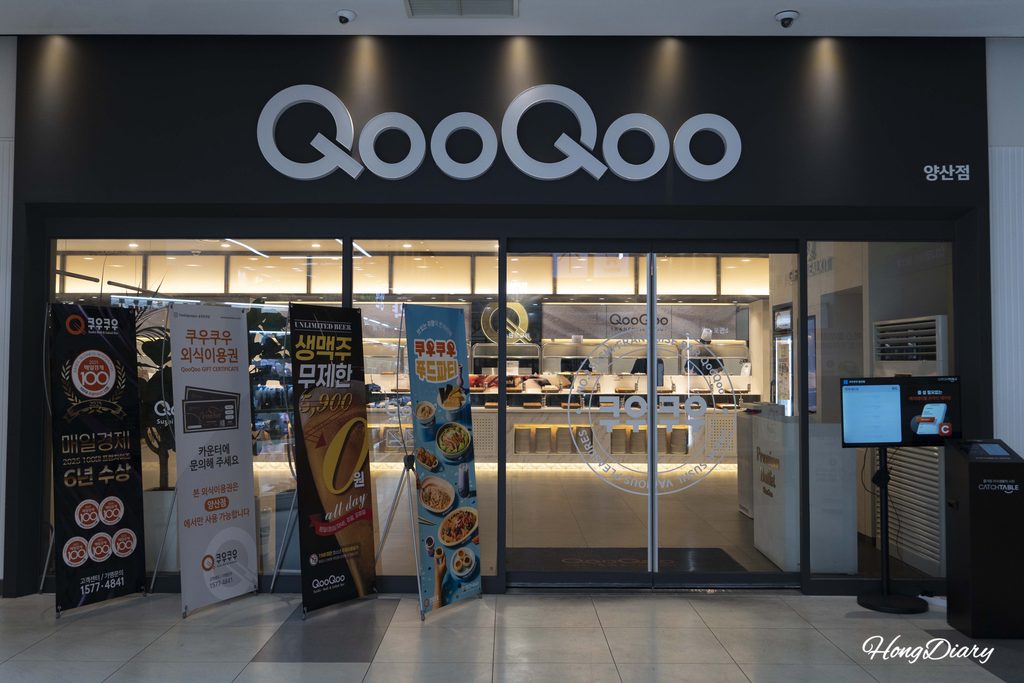
What Is QooQoo? Understanding Korea’s Sushi Buffet Chain Culture
Before getting into the food, a bit of context for travelers unfamiliar with Korean dining culture. Korea has a distinct buffet ecosystem that goes well beyond hotel spreads. Franchise buffet chains are a huge part of everyday life here — families go for weekend lunches, coworkers book them for team dinners, and couples treat them as casual date spots.
Among the big names, Ashley is known for fusion dishes popular with younger crowds, while VIPS and Jayeonbyeolgok lean toward Korean home-style cooking. QooQoo carved out its own lane by focusing on sushi as the centerpiece, then surrounding it with hot dishes, salads, desserts, and seasonal specials that make it work for groups where not everyone is a raw fish fan.
The name itself is a fun detail: “kuu” is the Japanese word for “eat,” doubled up to mean something like “let’s eat and eat.” That playful energy runs through the whole brand. QooQoo operates primarily through franchise agreements rather than company-owned stores, which means food quality, hygiene standards, and the overall experience can vary significantly between locations. Branches that consistently meet higher standards earn a “Gold” or “Premium” designation. In the Busan area, the Kyungsung University branch and Dongnae branch currently hold Gold status. The Yangsan branch I visited is classified as a standard location, but it punched well above its weight — more on that below.
First Impressions: Walking Into the Yangsan Branch
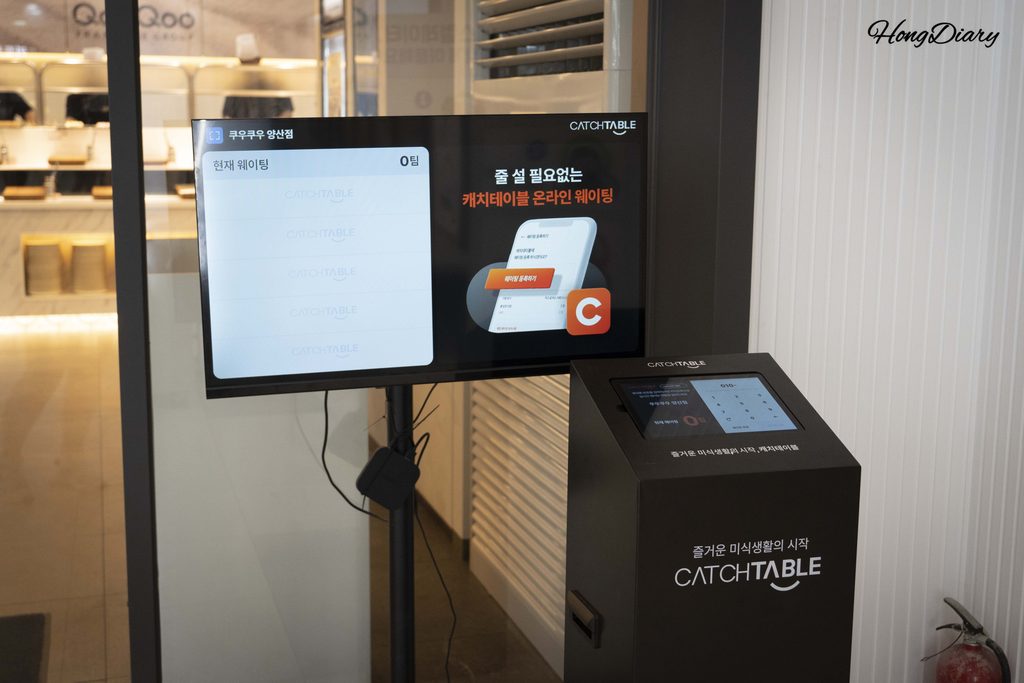
We arrived right at the 11 AM opening, and within minutes, the waiting area was already filling up. A digital kiosk near the entrance handles the queue — you check in, get your number, and wait for a seat assignment. Even on a weekday lunch, some tables had been reserved in advance. If you’re planning a weekend or dinner visit, booking ahead is a smart move.
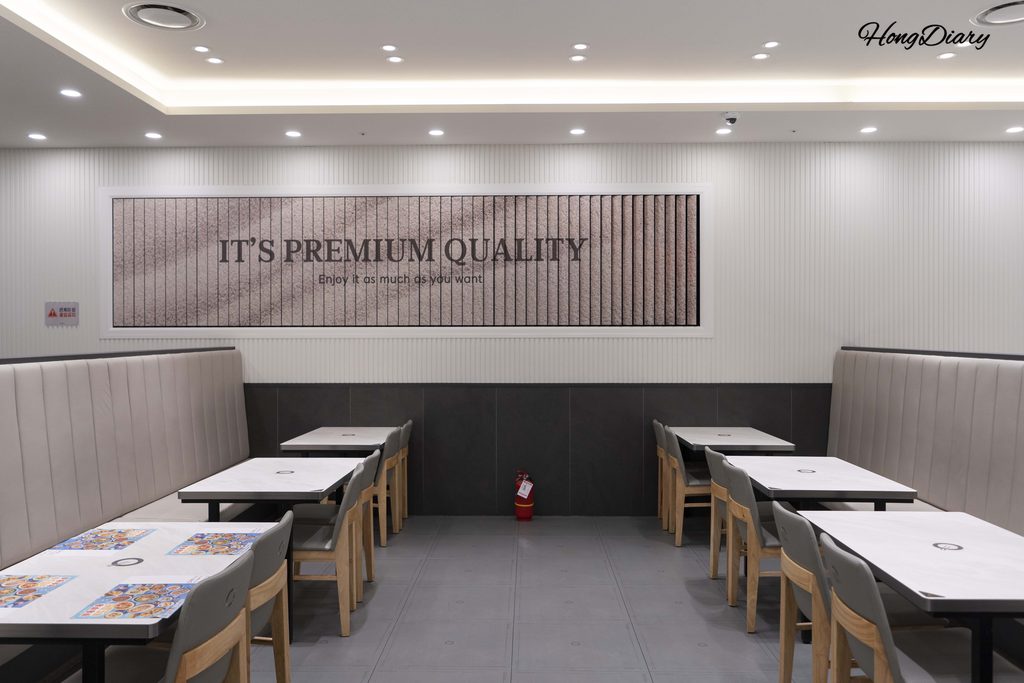
The dining area is spacious, with well-separated tables that make it feel less hectic than smaller buffet spots. Along the far wall, there are semi-private rooms and group seating areas. Koreans frequently use these for gatherings — everything from casual friend meetups to “doljanchi,” a traditional celebration for a baby’s first birthday (or 100th day) where family and friends come together for a big meal.
The Sushi Section: Where Most Plates Begin
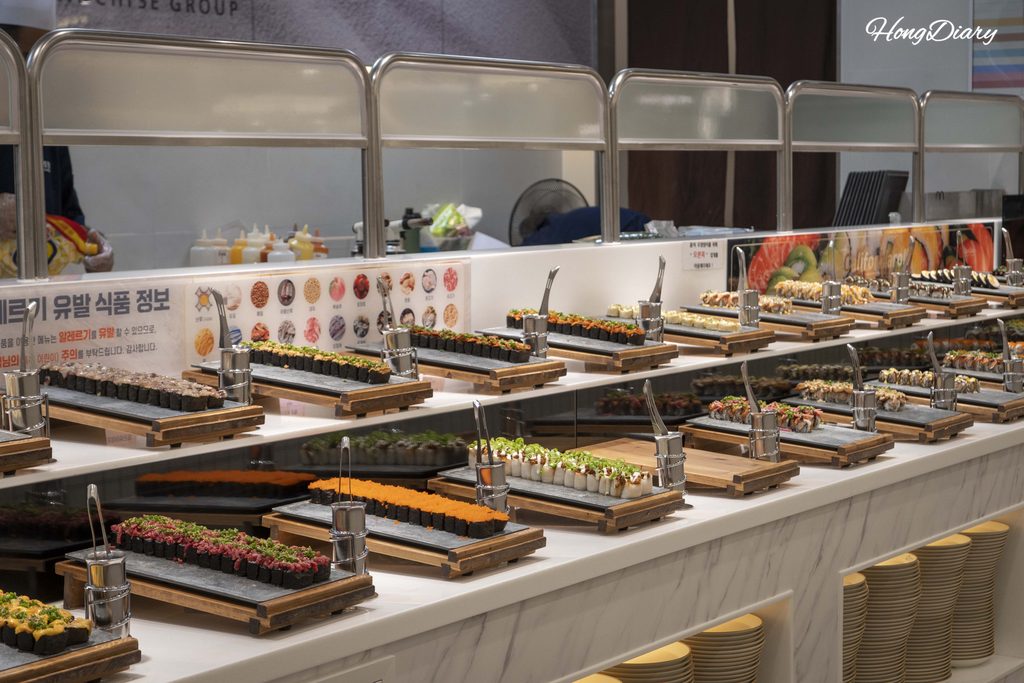
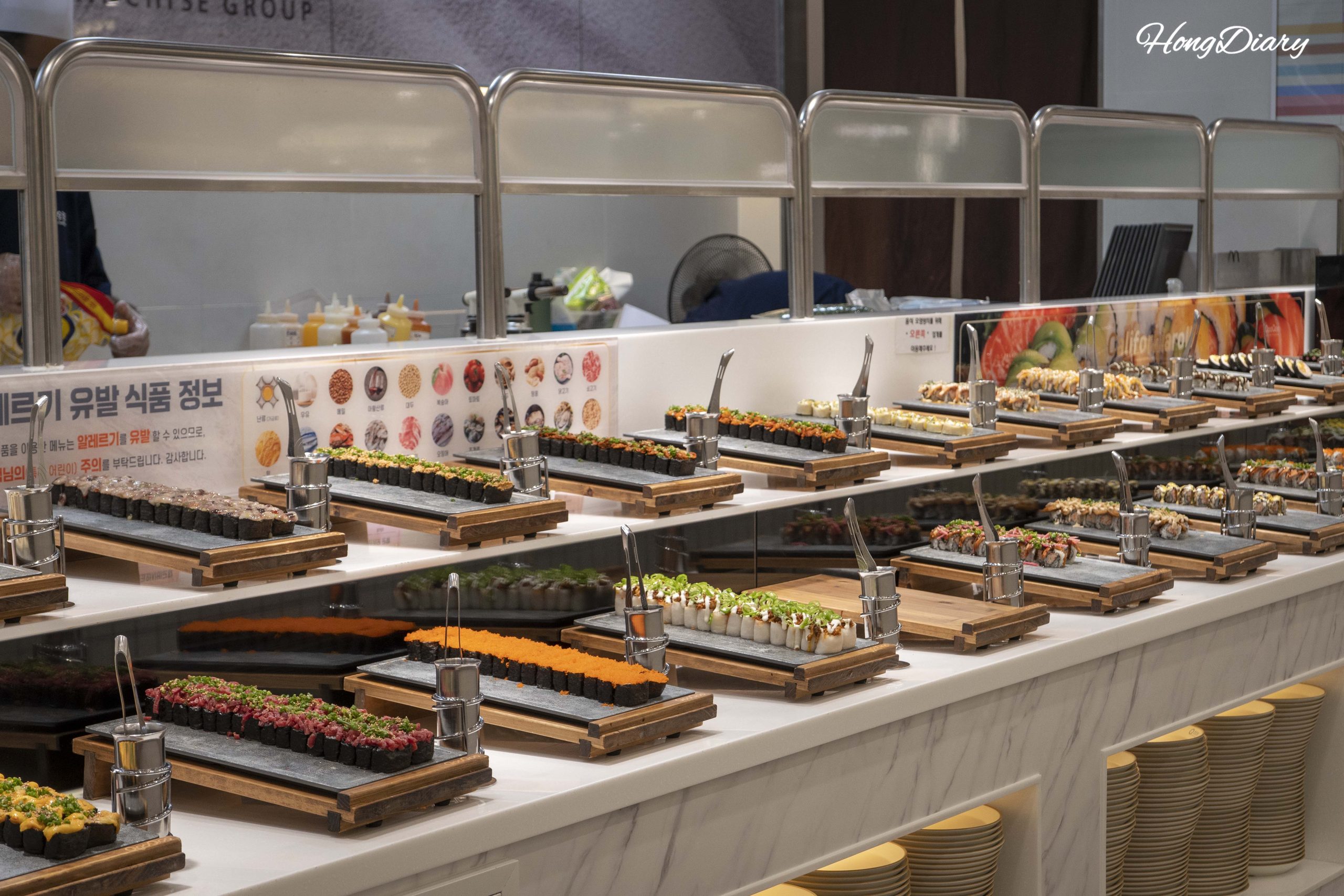
The sushi counter is the first thing you see when you walk toward the food stations, and it sets the tone for the meal. The variety here was wider than I expected from a standard-tier branch. Nigiri options ranged from salmon and tuna to shrimp, egg, and eel, alongside several types I hadn’t seen at other locations. Rolls and kimbap-style maki had their own separate corner, neatly lined up and regularly restocked by staff.
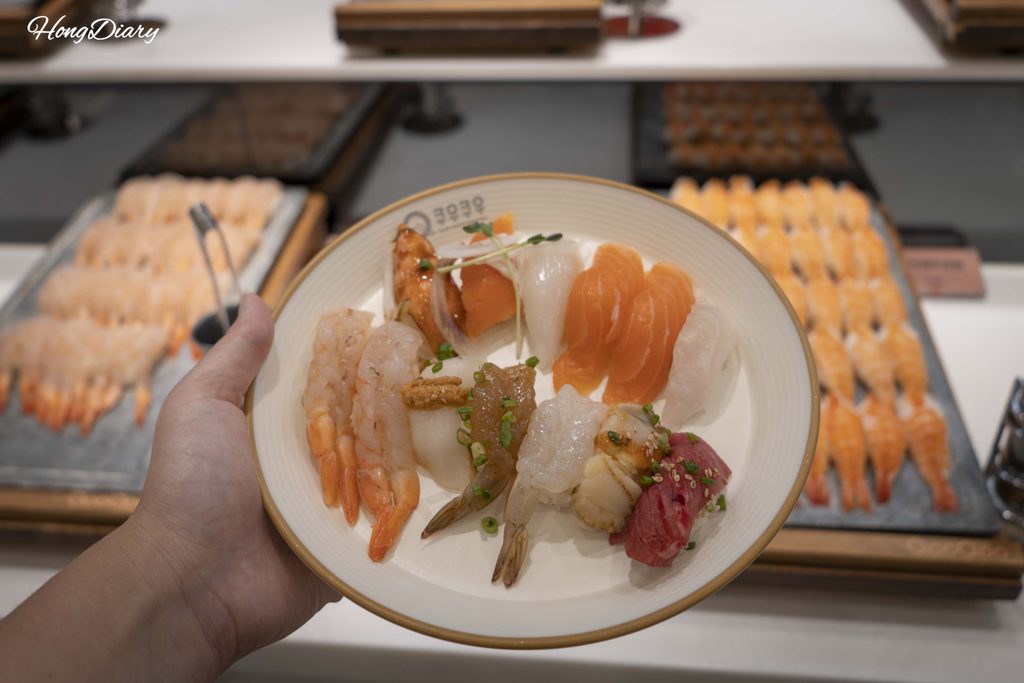
I grabbed a bit of everything on my first pass and filled an entire plate before even getting halfway through the options. The sashimi slices were noticeably thick and fresh — a cut above what I’ve had at some other QooQoo branches. For a standard-tier location, the Yangsan branch clearly takes its fish quality seriously.
Hot Food That Goes Way Beyond Sushi
This is where QooQoo separates itself from a typical sushi-only buffet. The hot food section is genuinely extensive, covering Korean, Chinese, and Western-style dishes across multiple stations.
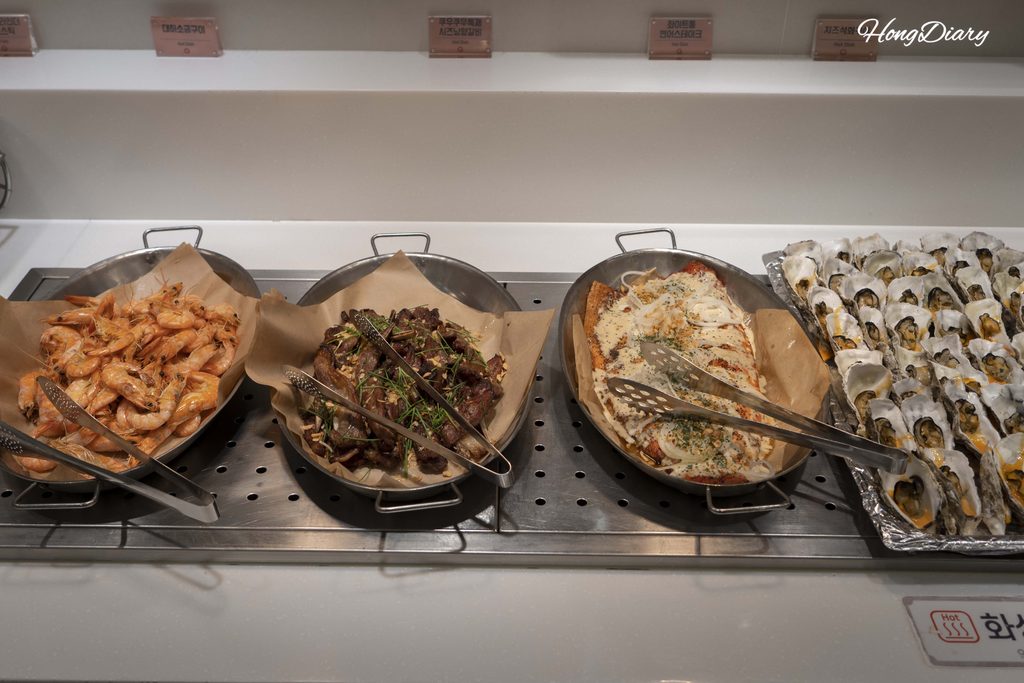
One station featured grilled proteins — salmon fillets, grilled shrimp, roasted oysters, and lamb chops, all kept warm and rotated frequently. Next to it, a made-to-order noodle bar served jajangmyeon (Korean-style black bean noodles), rice noodle soup, and cold buckwheat noodles prepared fresh so nothing sat around getting soggy.
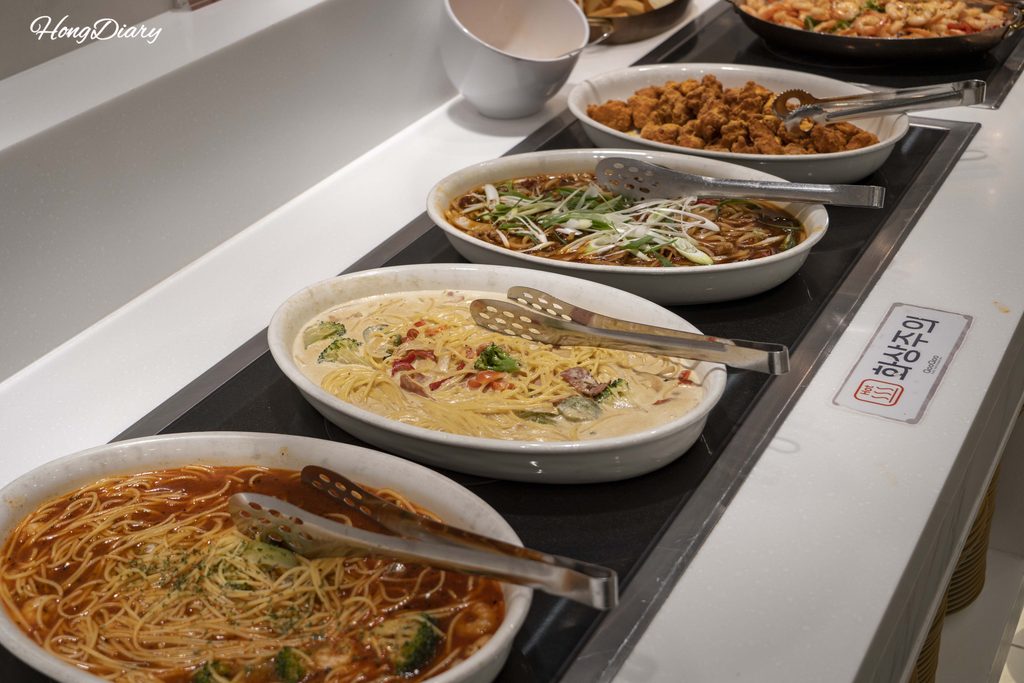
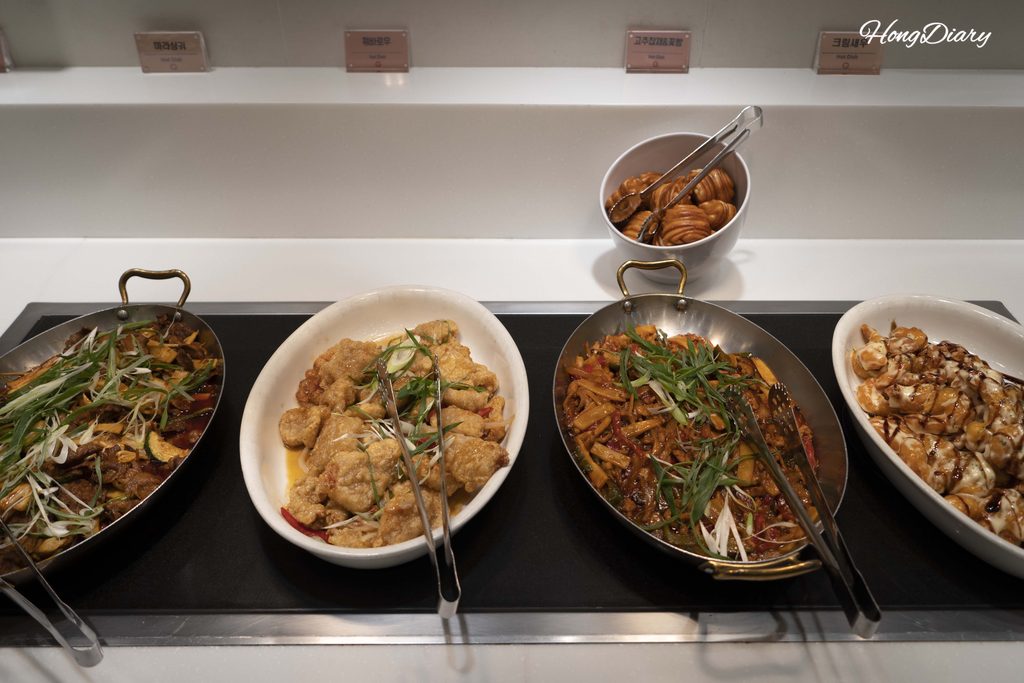
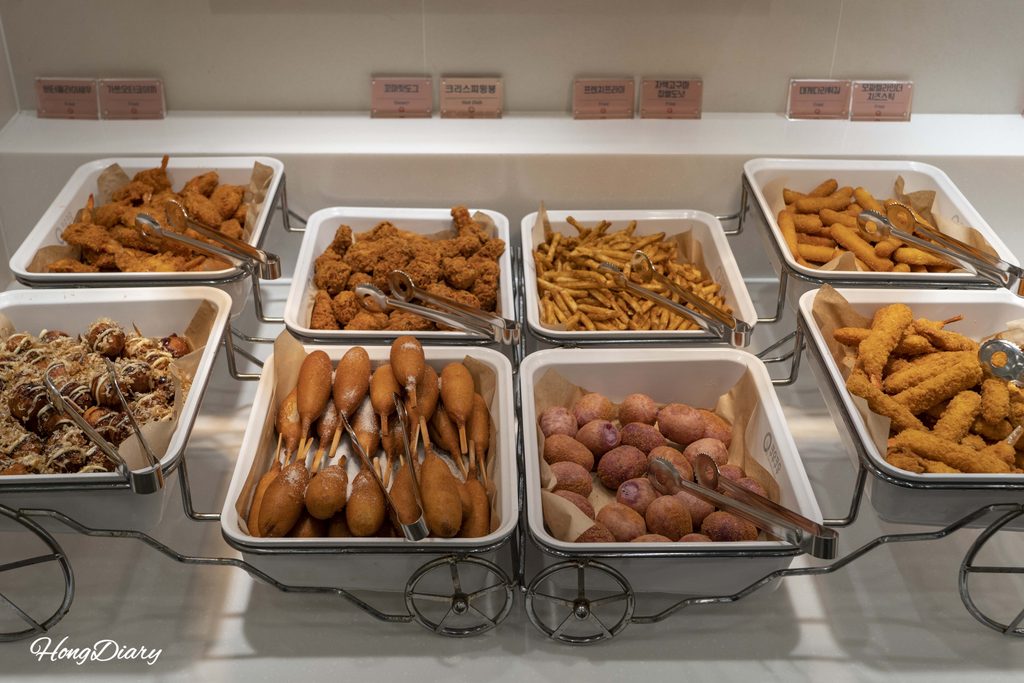
The Chinese-inspired section had cream shrimp (a Korean-Chinese fusion favorite), stir-fried peppers with shredded beef, and sweet-and-sour pork. Across the aisle, a fried food station offered tempura, corn dogs, French fries, and crispy fried chicken — basically a greatest-hits lineup for anyone who wants comfort food alongside their sushi.
Ganjang-Gejang at a Buffet: A Pleasant Surprise
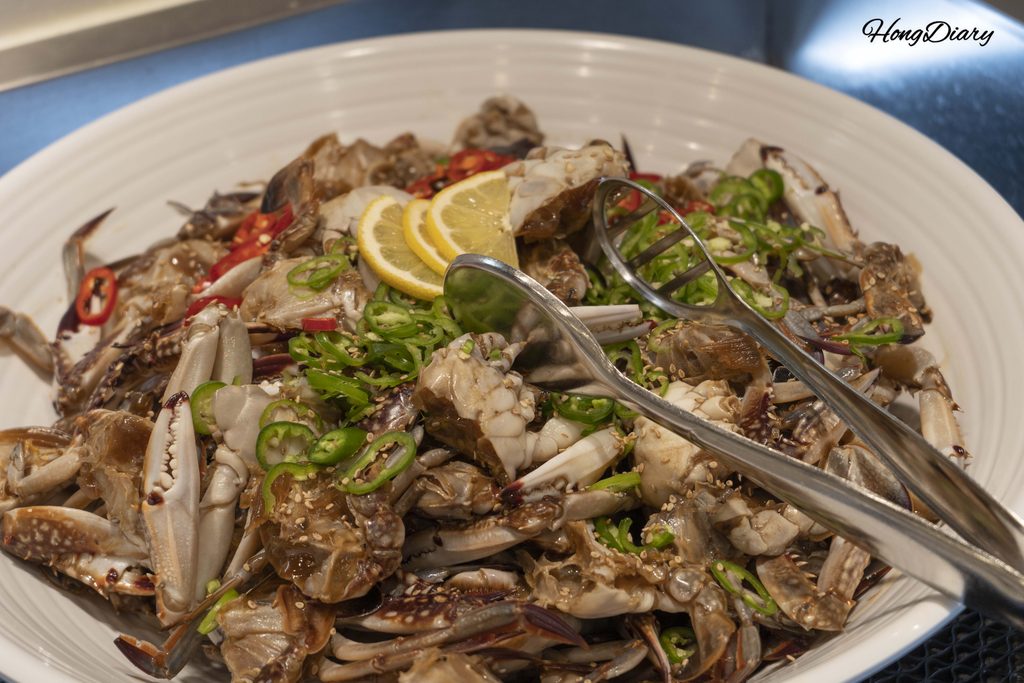
One item caught me off guard: ganjang-gejang, or raw crab marinated in soy sauce. This is considered a premium Korean dish — often called “rice thief” because the rich, savory flavor makes you eat way more rice than you planned. At standalone restaurants, a single serving of ganjang-gejang runs ₩30,000–50,000 (~$20–33 USD / ~€17–28 EUR) or more. Finding it included on a ₩25,900 (~$17 USD / ~€15 EUR) buffet spread felt like a genuine bonus. There was also a shrimp version (ganjang-saeu) marinated the same way, right next to it.
For international visitors unfamiliar with this dish: the crab is raw and cured in a seasoned soy sauce brine, not cooked. The texture is silky and the flavor is intensely umami. If you’re comfortable with raw seafood preparations like sashimi, ceviche, or tartare, this is worth trying.
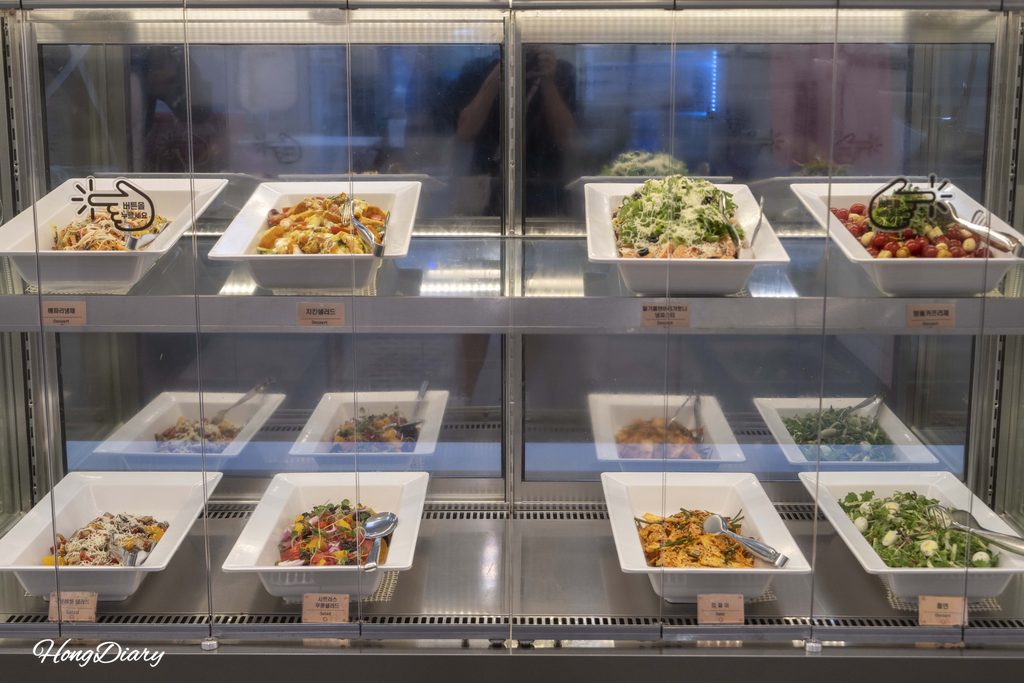
Desserts, Fruits, and Sweet Endings
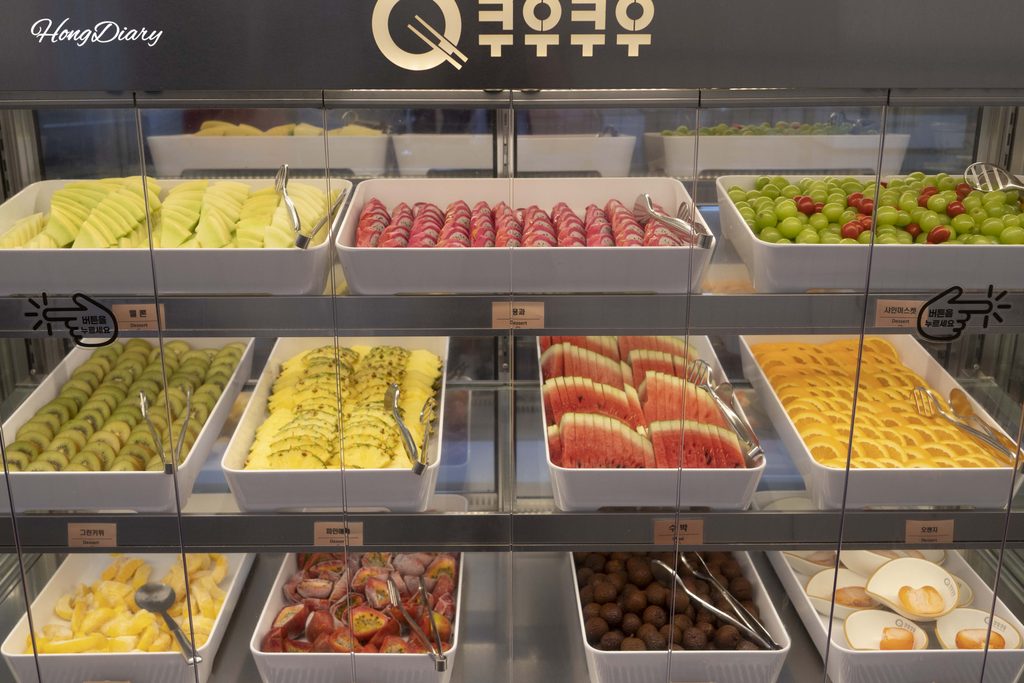
The dessert and fruit section was, honestly, the biggest surprise of the visit. The fruit station advertised that they source top-grade seasonal produce, and based on what I tasted, they’re not just saying it. Watermelon, dragon fruit, pineapple, melon, and Shine Muscat grapes (a hugely popular premium grape variety in Korea and Japan) were all available, and the sweetness levels were on point.
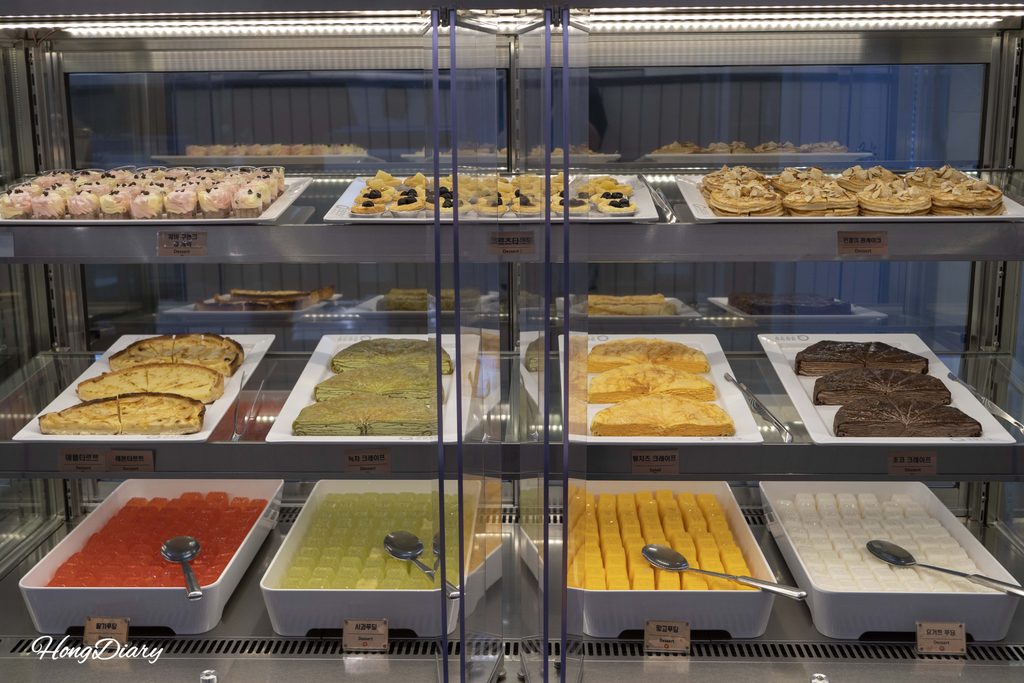
The dessert station felt like it was designed with families in mind. Bread, cakes, soft-serve ice cream, waffles, slushies, and a range of toppings and sauces let you build your own combinations. My husband spent a solid ten minutes engineering a waffle-ice-cream-chocolate-sauce tower. The variety here genuinely encourages experimentation — you can create entirely different dessert plates on each trip.
Made for Families (But Not Only for Families)
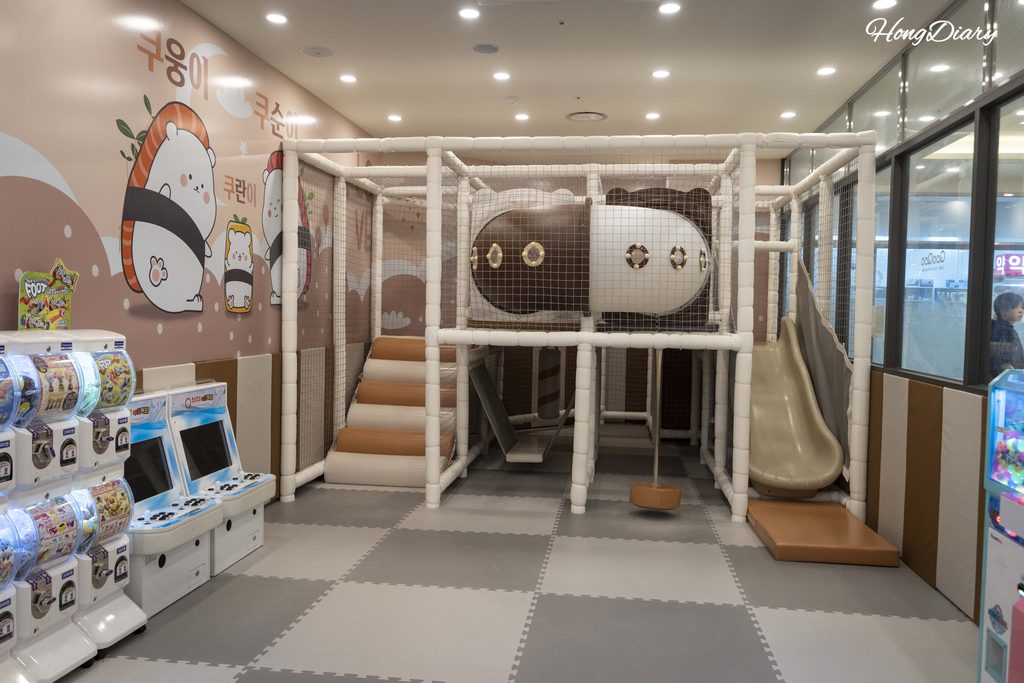
QooQoo branches typically include a kids’ play zone, and the Yangsan location is no exception. The enclosed play area gives younger children a place to burn off energy after eating while parents finish their meal at a comfortable pace. The branch also has nursing rooms and highchairs available.
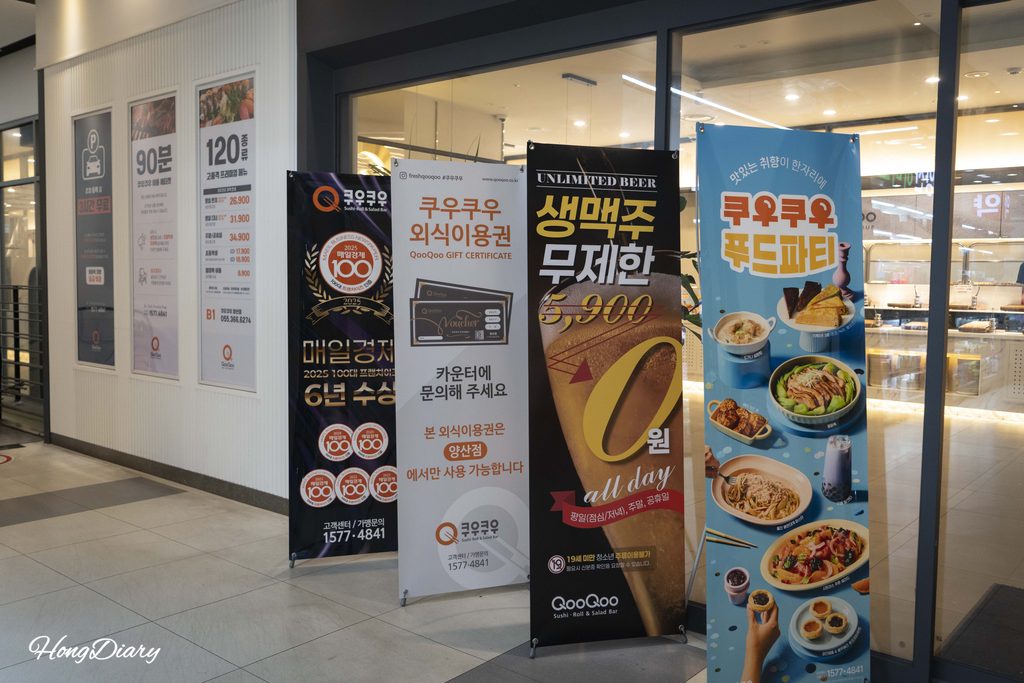
But here’s what makes this spot work equally well for adults without kids: unlimited draft beer. The beer station used to cost ₩5,900 (~$4 USD / ~€3 EUR) as an add-on, but it’s now included at no extra charge throughout the day. So the realistic scenario for families is this — kids eat their fill, head to the play zone, and the adults settle in with a cold beer and another plate of sushi. No need for a second stop afterward.
A Word of Honesty: Not Every Branch Delivers the Same Experience
Because QooQoo is a franchise-based chain, the quality gap between locations can be real. During a trip to Geoje Island a while back, I visited the branch there, and the experience didn’t match what I’d had at other locations. The sushi selection felt limited compared to the Yangsan branch, the restocking was slower, and the overall freshness just wasn’t at the same level. It wasn’t terrible, but it was a reminder that the QooQoo name alone doesn’t guarantee a consistent experience.
If you want the safest bet, look for branches with Gold or Premium status — in the Busan area, those are the Kyungsung University (Gyeongseong-dae) and Dongnae branches. That said, non-Gold branches like Yangsan and Busan Hwamyeong have also consistently delivered solid meals in my experience. The takeaway: a quick search on Naver Map for recent reviews of the specific branch you’re considering goes a long way.
There are also specialty formats worth knowing about. Some locations operate as “Blue Rail” branches with a conveyor-belt sushi setup, while others are branded as “Always Shabu” and combine the sushi buffet with a shabu-shabu (hot pot) station. Checking the branch type before you go helps set the right expectations.
How to Get the Most Out of Your Visit
The ₩5,000 (~$3 USD / ~€3 EUR) price gap between weekday lunch and dinner is the easiest money-saving tip. The lunch cutoff is based on exit time — you need to leave by 5 PM — so arriving around 11 AM or noon gives you a generous window without feeling rushed.
The Yangsan branch fills up quickly even on weekdays, so arriving right at opening or placing a reservation through the QooQoo website or Naver is the way to avoid a long wait. Parking is handled through the La Fiesta building’s underground garage (B1 through B3), with 3 hours of free validation for dining customers — more than enough time for even the most ambitious buffet session.
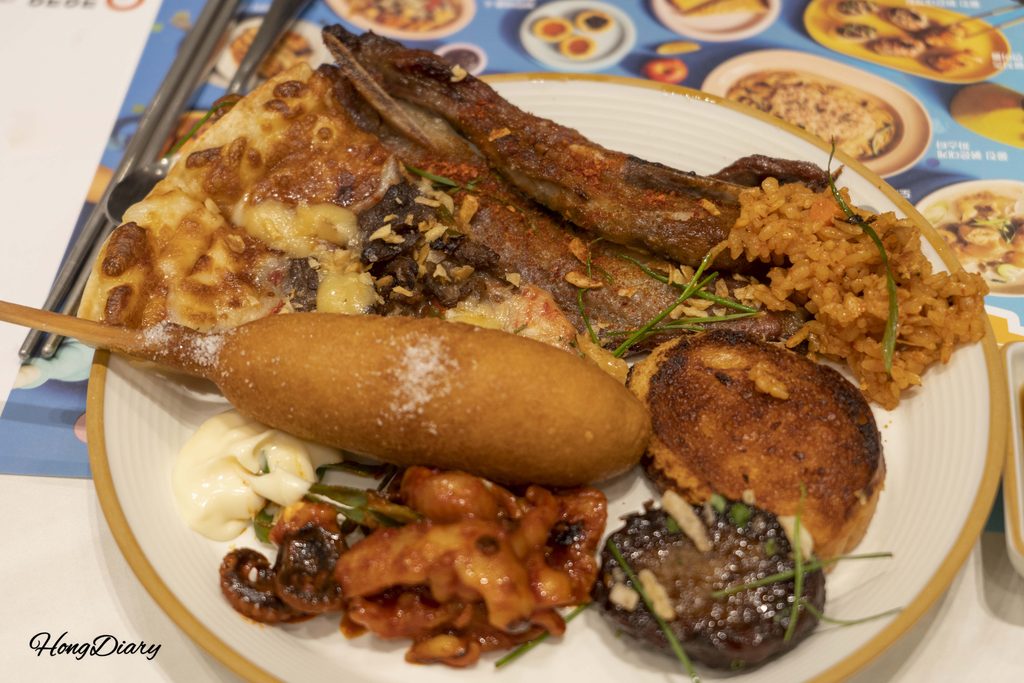
For a weekday lunch at ₩25,900 (~$17 USD / ~€15 EUR) per person, the range and quality at the Yangsan branch felt like a strong deal. The sushi alone would cost more than that at most sit-down restaurants, and that’s before factoring in the hot food, ganjang-gejang, premium fruits, desserts, and unlimited beer. It’s the kind of meal where you walk out thinking you got away with something. If you’re traveling through the Busan or Gyeongnam area and want to eat the way Korean families actually eat on a weekend out — not the tourist version, but the real thing — a QooQoo sushi buffet in Korea is one of the most accessible ways to do it.
What to Know Before You Go: QooQoo Branch Guide, Parking, and Smart Dining Tip
What is QooQoo, and how is it different from other Korean buffets?
QooQoo is one of Korea’s largest franchise sushi buffet chains. Unlike hotel buffets that charge ₩70,000–150,000+ (~$47–100 USD / €40–85 EUR) per person, or budget hansik buffets focused on rice and side dishes, QooQoo offers an all-you-can-eat spread centered on sushi and sashimi alongside hot dishes, salads, desserts, and seasonal fruits. Prices start at ₩25,900 ($17 USD / ~€15 EUR) for a weekday lunch, making it a mid-range option popular with Korean families, couples, and office groups.
How much does QooQoo sushi buffet cost per person?
Prices vary by time slot and branch tier. At the Yangsan branch (standard tier), weekday lunch is ₩25,900 (~$17 USD / €15 EUR), weekday dinner is ₩30,900 ($21 USD / €17 EUR), and weekends or holidays are ₩33,900 ($23 USD / €19 EUR). Children in elementary school pay ₩16,900–17,900 ($11–12 USD / €10 EUR), and preschoolers aged 36 months and up are ₩8,900 ($6 USD / ~€5 EUR). Gold or Premium branches may charge slightly more. (Approximate exchange rates: $1 USD ≈ ₩1,500 / €1 EUR ≈ ₩1,769)
Can tourists who don’t speak Korean visit QooQoo?
Yes. QooQoo is a self-service buffet, so language barriers are minimal compared to ordering at a sit-down restaurant. You check in at a digital kiosk (some branches have English options), get seated, and pick up whatever you want from the food stations. The dishes are displayed openly, so you can see exactly what you’re choosing. A translation app like Papago or Google Translate can help with any signage.
What is the difference between QooQoo Gold, Premium, and standard branches?
QooQoo operates on a franchise model, so food quality, menu variety, and service can differ between locations. Branches that consistently maintain higher standards receive a Gold or Premium designation. Gold branches tend to have a wider sushi selection, fresher ingredients, and better-maintained facilities. In the Busan area, the Kyungsung University and Dongnae branches hold Gold status. Standard branches like Yangsan and Hwamyeong can still deliver strong experiences, but checking recent reviews on Naver Map before visiting is recommended.
Does QooQoo serve anything besides sushi?
The sushi and sashimi counter is the main attraction, but the buffet covers much more. Hot food stations include Korean dishes, Chinese-style stir-fries (cream shrimp, sweet-and-sour pork), Western options like pasta, grilled lamb chops and seafood, fried chicken, corn dogs, and made-to-order noodles. There’s also a salad bar, a fruit station with seasonal premium produce like Shine Muscat grapes, and a full dessert section with cakes, waffles, soft-serve ice cream, and slushies. Unlimited draft beer is currently included at no extra charge.
Is QooQoo a good option for families with young children?
QooQoo is specifically designed to accommodate families. Most branches include an enclosed kids’ play zone where children can play after eating, along with nursing rooms and highchairs. The food variety also helps — kids who don’t eat raw fish can fill up on fried chicken, pasta, corn dogs, or desserts. The combination of a kids’ zone and unlimited draft beer for adults makes it a practical one-stop option for family meals without needing a separate venue afterward.
How do I get to the QooQoo Yangsan branch from Busan?
Take Busan Metro Line 2 toward Yangsan and get off at Jeungsan Station. Use Exit 1, and the La Fiesta building is directly in front of you — roughly a one-minute walk. The restaurant is on basement level 1 (B1). If you’re driving, park in the La Fiesta underground garage (floors B1 through B3), which offers 3 hours of free parking for dining customers.