
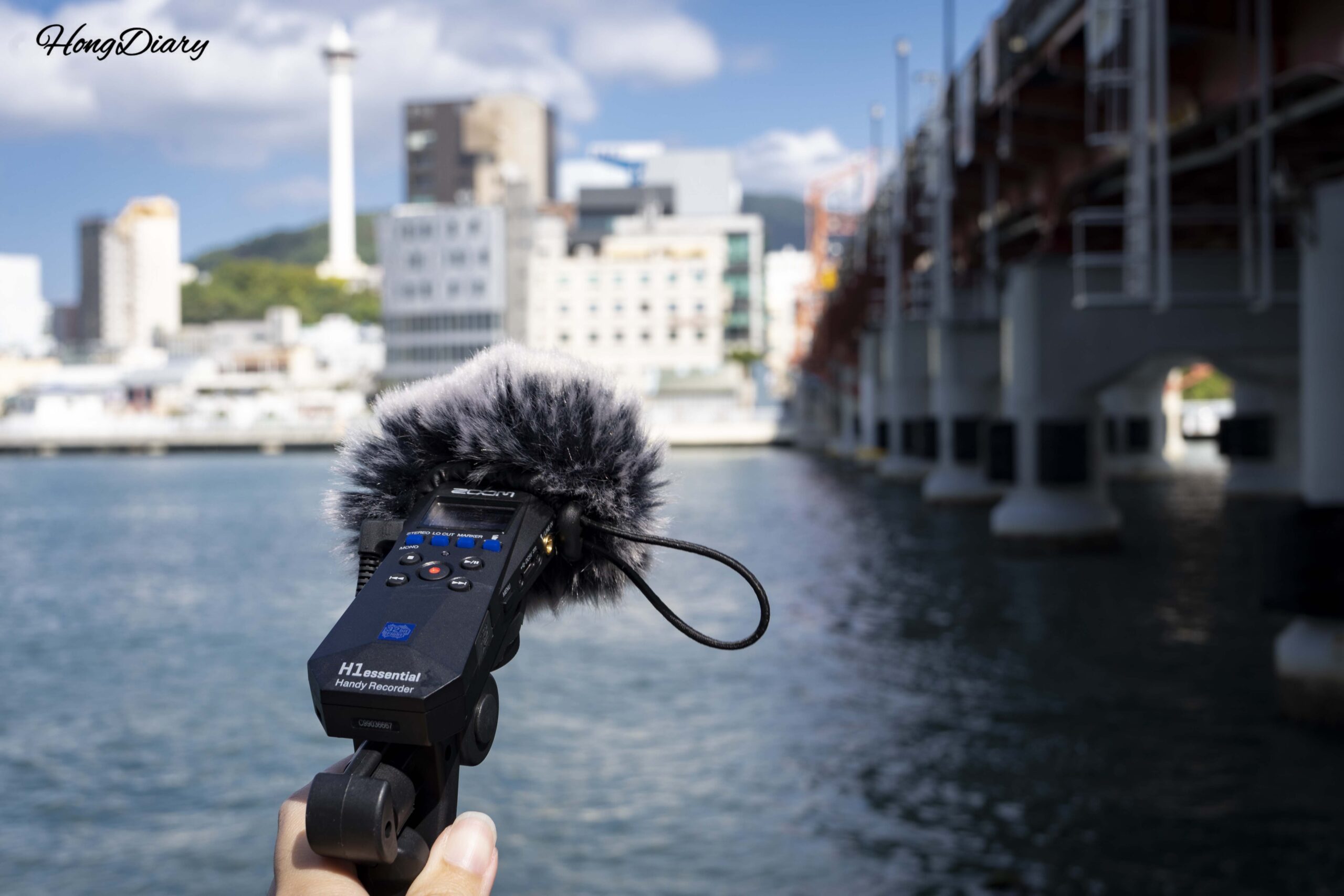
Most trips to Busan follow a familiar script: Haeundae Beach selfies, Gamcheon Culture Village murals, a plate of raw fish at Jagalchi Market. On a cool Saturday morning this September, I tried something that threw my usual routine out entirely — I strapped on a pair of headphones, picked up a portable field recorder, and spent five hours walking through Yeongdo, one of Busan’s most character-rich island districts, just listening. The program is called the Busan sound walking tour, part of the city’s 2026 Ocean Healing series, and it turned a neighborhood I thought I already knew into something I’d never quite noticed before.
Yeongdo sits right in central Busan, connected to the mainland by four bridges, yet most international travelers have never heard of it — comfortably overshadowed by the beach districts of Haeundae and Gwangalli. That relative anonymity is exactly what makes it worth visiting, and what makes this Busan sound walking tour feel so different from a typical guided excursion.
Table of Contents
Essential Guide: 2026 Busan Sound Walking Tour (Yeongdo Course) – Itinerary, Cost, and Booking Details
| Detail | Info |
|---|---|
| Tour Name | 2026 Busan Ocean Healing Program — Sound Walking Tour (Yeongdo Course) |
| Duration | Approx. 5 hours (10:00 AM – 3:00 PM) |
| Cost | ₩50,000 (~$36 USD / ~€32 EUR) |
| What’s Included | Lunch, cafe visit, sound kit rental (field recorder + headphones), shuttle transport between distant stops |
| Meeting Point | Nampo Station (Line 1), Exit 6 — Yurari Square |
| Group Size | Small group (capacity limited per session) |
| Booking | Book through the official reservation site — the site is in Korean only, but most mobile browsers can auto-translate it. No Korean phone number or account registration is required to book. |
| Other Courses | An East Busan course is also available, covering Ahopsan Bamboo Forest and Cheongsapo |
| Weather Note | Outdoor program — may be modified in heavy rain, but light rain doesn’t cancel it |
| Date Visited | September 20, 2026 |
Prices converted at approximately $1 USD ≈ ₩1,400 / €1 EUR ≈ ₩1,575 (as of September 2026). Rates may fluctuate.
Why Yeongdo? Busan’s Most Underrated Island District
Despite being just a short walk from the busy Nampo-dong shopping streets, Yeongdo feels like a different city altogether. This is one of the last neighborhoods in Busan where the old port-town atmosphere hasn’t been smoothed over by high-rise redevelopment. Narrow alleys wind uphill between aging houses, fishing boats bob in small harbors, and corner shops that have been around for decades still outnumber trendy cafes.
The island also carries a layer of history that most visitors never encounter. During the Korean War (1950–1953), Busan served as the temporary capital and a refuge for millions of displaced families. Yeongdo Bridge — originally built during the Japanese colonial era as the first modern drawbridge in Korea — became the most well-known meeting point for separated relatives. People would tell each other, “If we get split up, wait for me under Yeongdo Bridge.” That wartime history still lingers here in quiet but tangible ways.
Today, the island draws a growing number of visitors for its cliffside villages, local seafood, hidden cafes, and some of the most striking coastal scenery in the city. But it still hasn’t hit the mainstream tourist radar for international travelers, which is part of the appeal.
What Is a Sound Walking Tour, Exactly?
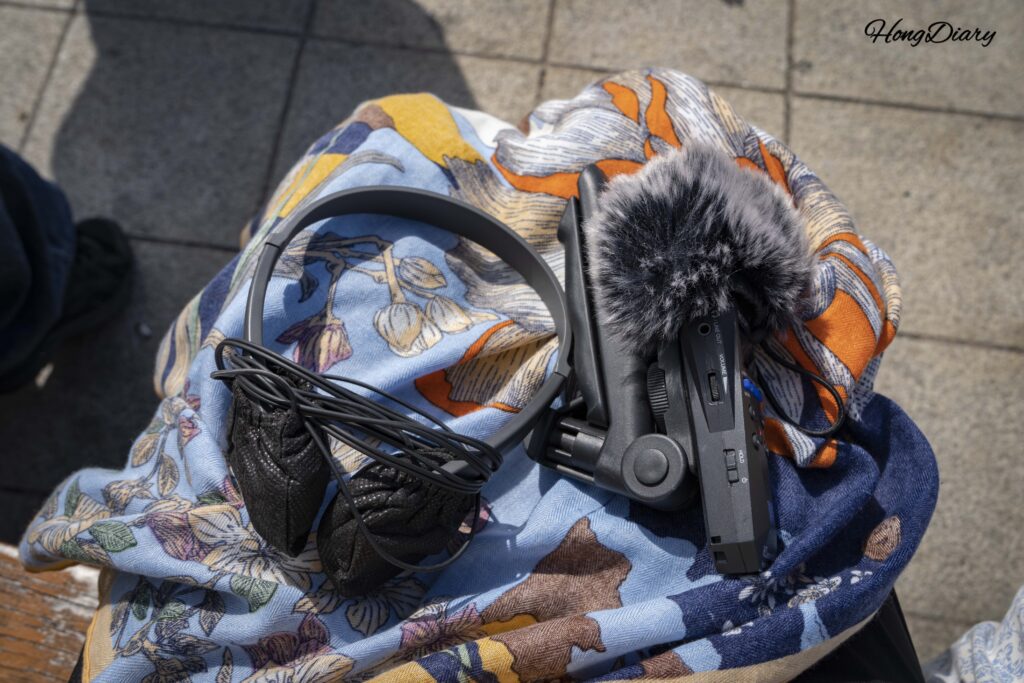
A quick explanation for anyone unfamiliar with the concept. This isn’t a music tour, and it’s not a podcast-guided walk. You’re handed a portable field recorder — a compact device with a built-in microphone topped by a fuzzy windscreen to cut out gusts — along with a pair of over-ear headphones. As you walk through different environments — bridges, markets, harbors, villages — you record whatever catches your ear and listen through the headphones in real time. The effect is noticeably different from just listening with bare ears. The recorder isolates and amplifies subtle sounds you’d normally filter out: the metallic creak of a bridge railing, a gull’s call echoing off concrete pillars, coffee beans hitting the inside of a grinder. It’s sensory travel in the most literal sense. The gear was intuitive enough that I felt comfortable using it within the first five minutes — no prior audio experience needed.
Yeongdo Bridge and Yurari Square: Learning to Listen
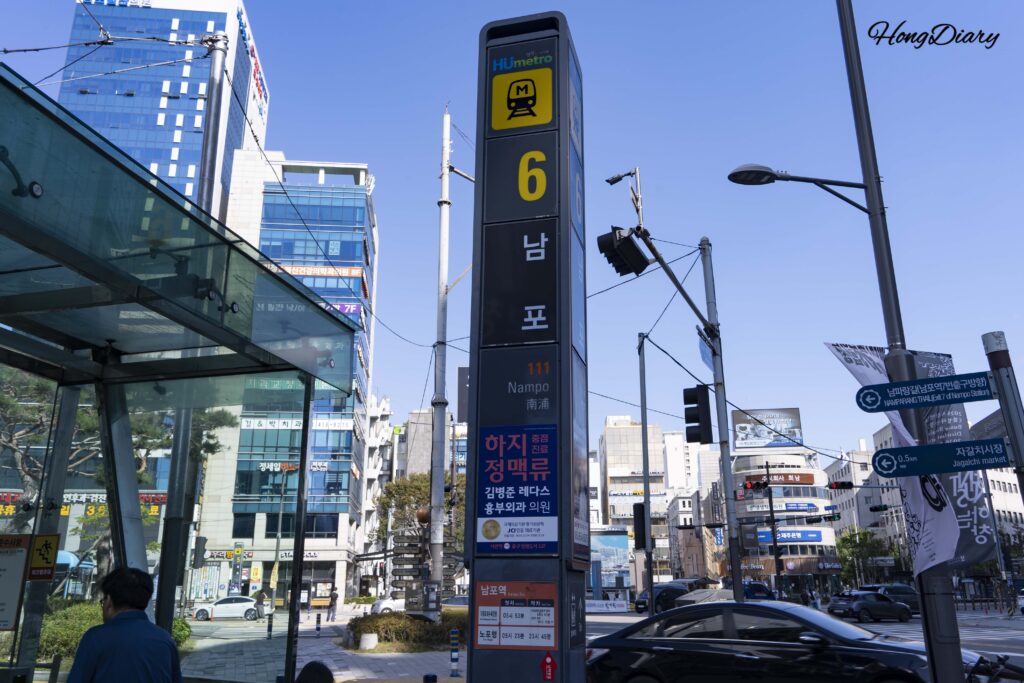
Our group gathered at 10 AM beside Yurari Square, a small waterfront plaza next to Nampo Station that most people walk past on their way to Jagalchi Market or Lotte Department Store. Yurari Square is an open waterfront area right at the foot of Yeongdo Bridge — a common gathering spot for walking tours and local events, but easy to miss if you don’t know it’s there. The guide distributed the sound kits, walked us through the controls, and we set off. The first stretch was a warm-up of sorts: crossing Yeongdo Bridge on foot while recording whatever caught our attention.
I pointed my mic toward the water below and picked up the low hum of a ferry engine layered with the rhythmic slap of small waves against the bridge’s concrete pillars. Through the headphones, those sounds felt amplified and separated in a way that bare ears simply can’t replicate. Details I would have walked straight past — the vibration of a steel railing under my hand, a distant ship horn, a cyclist’s bell behind me — suddenly had texture and presence.
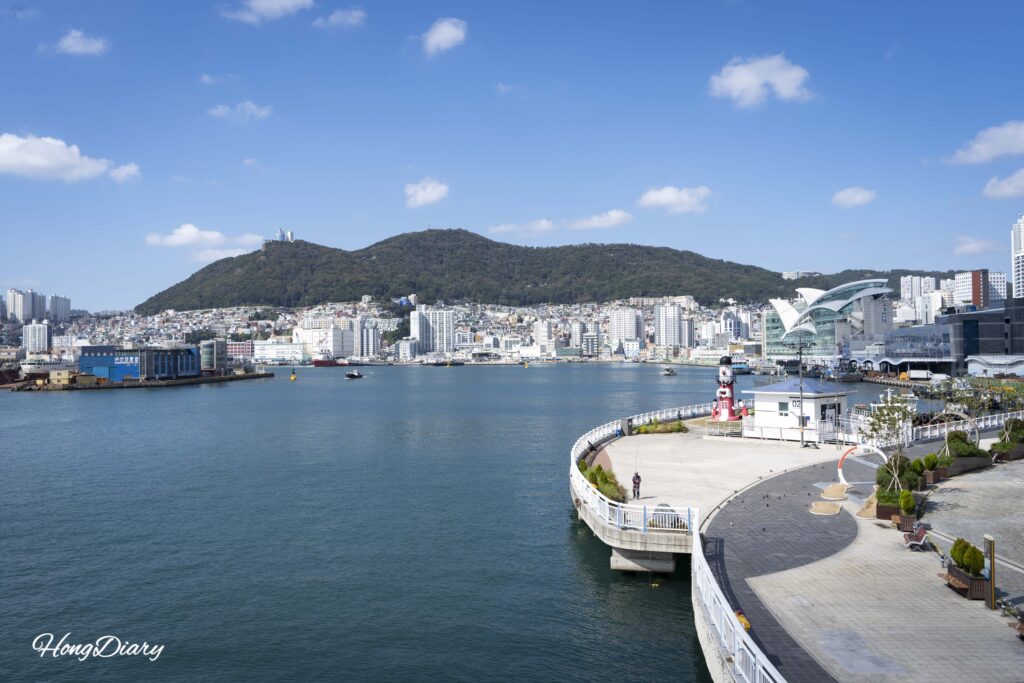
Standing beneath Yeongdo Bridge, looking up at the steel girders while fishing boats puttered past toward the open harbor, the historical gravity of the spot — where families once waited months, sometimes years, hoping to be reunited — felt present without being heavy-handed. It’s a bridge between the mainland bustle of Nampo-dong and the quieter, more local rhythm of Yeongdo, a crossing in both the physical and emotional sense.
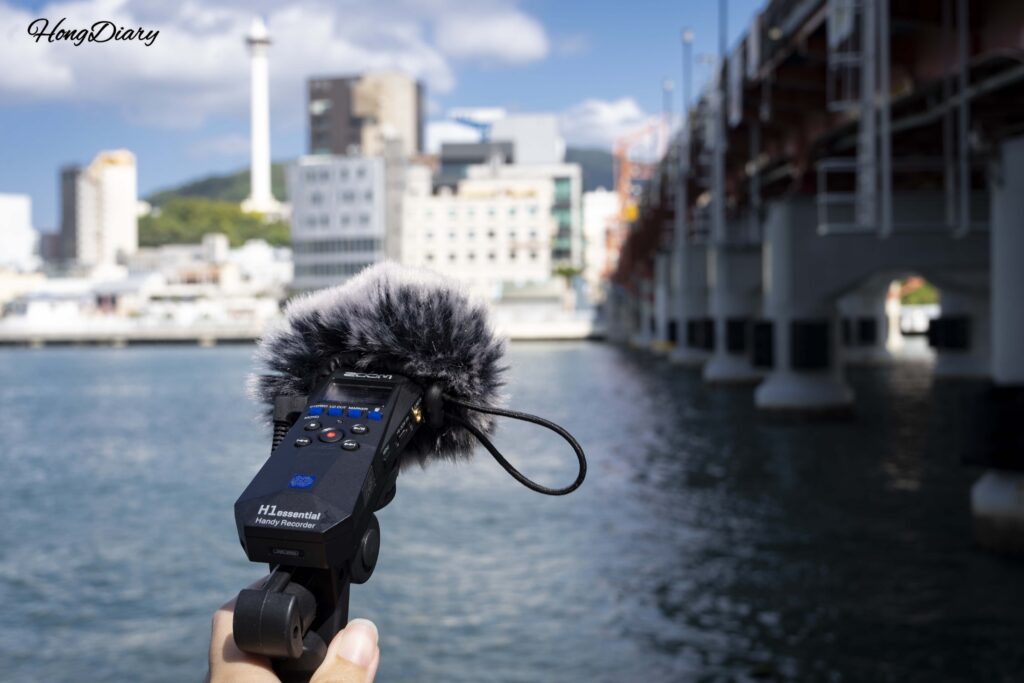
One thing that makes this Busan sound walking tour work especially well as a group activity: everyone captures different things. I was drawn to the water. Someone else in the group zeroed in on the footsteps of pedestrians overhead. Another person recorded the rhythmic clinking of moored boats. Later in the day, comparing recordings became one of the more unexpectedly engaging parts of the experience. If you’re visiting with a partner or friends, trading headphones and hearing what the other person noticed adds a layer that standard sightseeing can’t offer.
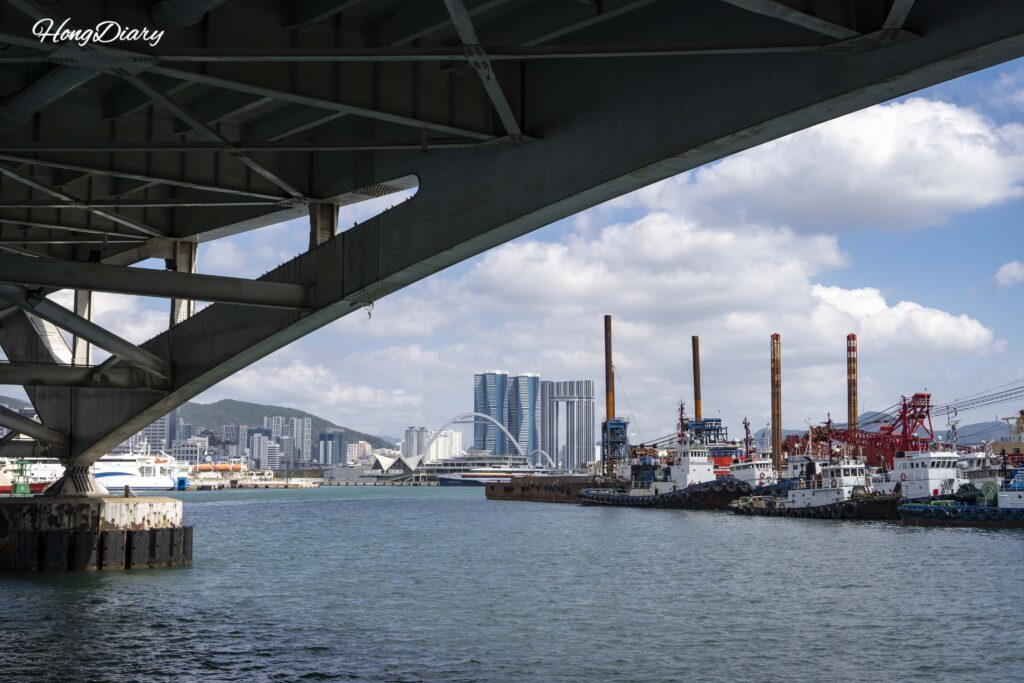
Momos Coffee : A World-Ranked Cup on Yeongdo’s Waterfront
After crossing the bridge, our first scheduled stop was Momos Coffee’s Yeongdo Roastery. This wasn’t a random cafe plugged into the itinerary — Momos is one of Busan’s most respected specialty coffee brands, ranked 22nd on the World’s 100 Best Coffee Shops list at Coffee Fest Madrid 2026 and one of only two Korean cafes to make the cut. The brand started in 2007 as a tiny takeaway stand in Busan’s Oncheonjang neighborhood, and it gained global attention after producing a World Barista Champion in 2019. Beyond this Yeongdo roastery, they have branches in Haeundae Marine City and Suyeong-gu, but the location here feels closest to the brand’s industrial roots — exposed ceilings, the aroma of freshly roasted beans, and a working harbor visible right across the narrow street.
I ordered a caffe latte (₩6,800 / ~$4.85 USD / ~€4.30 EUR). Not exactly budget-priced by Korean standards, but the espresso was noticeably richer and more layered than what chain cafes typically deliver. Momos is particularly known for its hand-drip coffee, so if you prefer pour-over, that’s the way to go here.
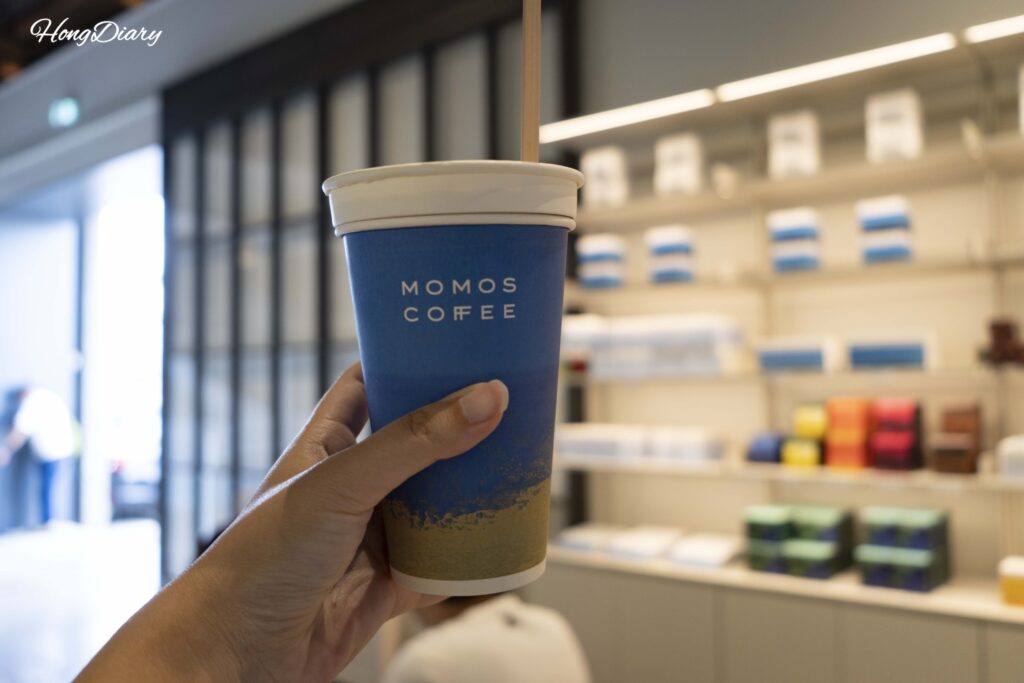
The cafe was packed — no seats available — so I took my latte outside and kept the headphones on while waiting. Even that turned into an interesting recording: the whir of the grinder, the clink of ceramic, baristas calling out order numbers, all layered over faint harbor sounds drifting in from across the road. It’s the kind of ambient noise you’d normally tune out, but the mic turned it into its own little portrait of the place.
Bongnae Market and AREA6: Where Everyday Yeongdo Sounds Best
From Momos, we walked south toward Bongnae Market, one of Yeongdo’s older traditional markets. This isn’t a tourist-oriented market — there are no souvenir stands, no Instagram-ready food courts, no English signage. It’s a working neighborhood market where residents buy vegetables, dried fish, and household goods. That everyday quality is precisely what made it rewarding to record. Vendors calling out prices, the rustle of plastic bags, a radio playing trot music (a Korean pop genre with roots going back to the 1920s) from inside a shop — the layers of sound built a portrait of daily life that felt distinctly local in a way that bigger, more polished markets rarely capture.
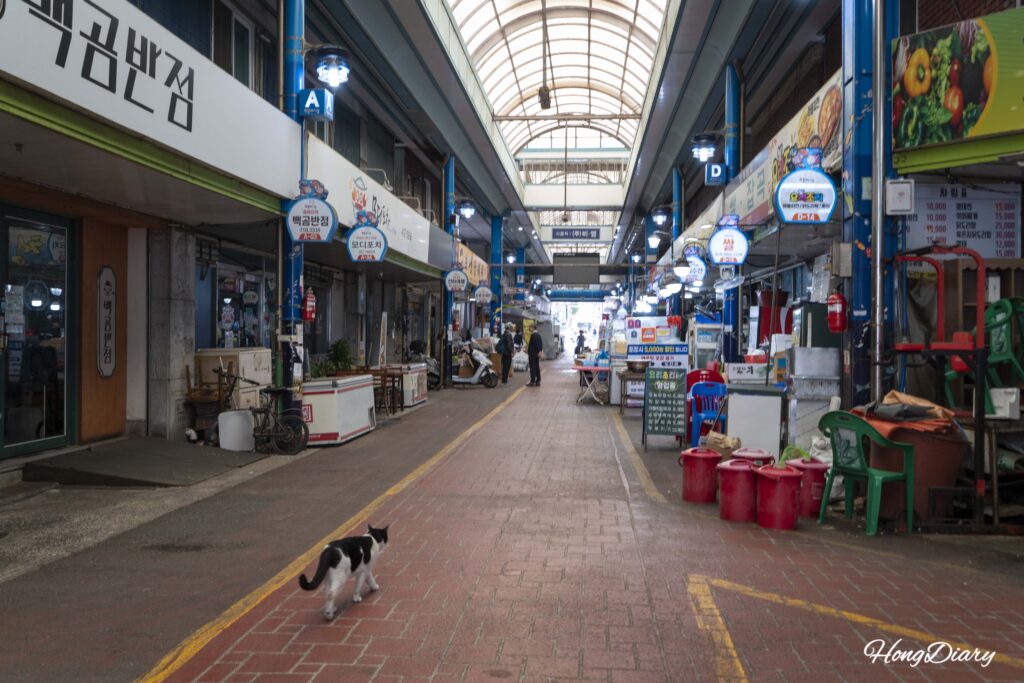
While walking through the market alleys, a calico cat fell into step beside me for about a block, completely unbothered by the noise or the stranger pointing a recorder at the ground. Unhurried moments like that were something I hadn’t expected from what I’d assumed would be a more structured tour.

Near the end of the market stretch, the smell of hot oil led me to Samjin Fish Cake’s flagship store, a brand with over a century of history that started right here in Yeongdo.
Through the headphones, I could hear the sizzle of fish cakes hitting the fryer and the soft thud of dough being pressed into molds — small, rhythmic sounds that blended into the market’s constant low hum. The original location has a different energy from the branch you might have seen inside Busan Station — it’s smaller, quieter, and surrounded by the actual market neighborhood where the company was born. If you have a few minutes before your next stop, it’s a worthwhile detour for a warm fish cake snack.
We also passed AREA6, a newer cultural complex built from six repurposed residential houses next to the market. It’s a project by Samjin Foods that blends galleries, workshops, and retail into what used to be a row of aging neighborhood homes. I didn’t have time to explore it on this visit, but it looked like the kind of place worth a return trip on its own.
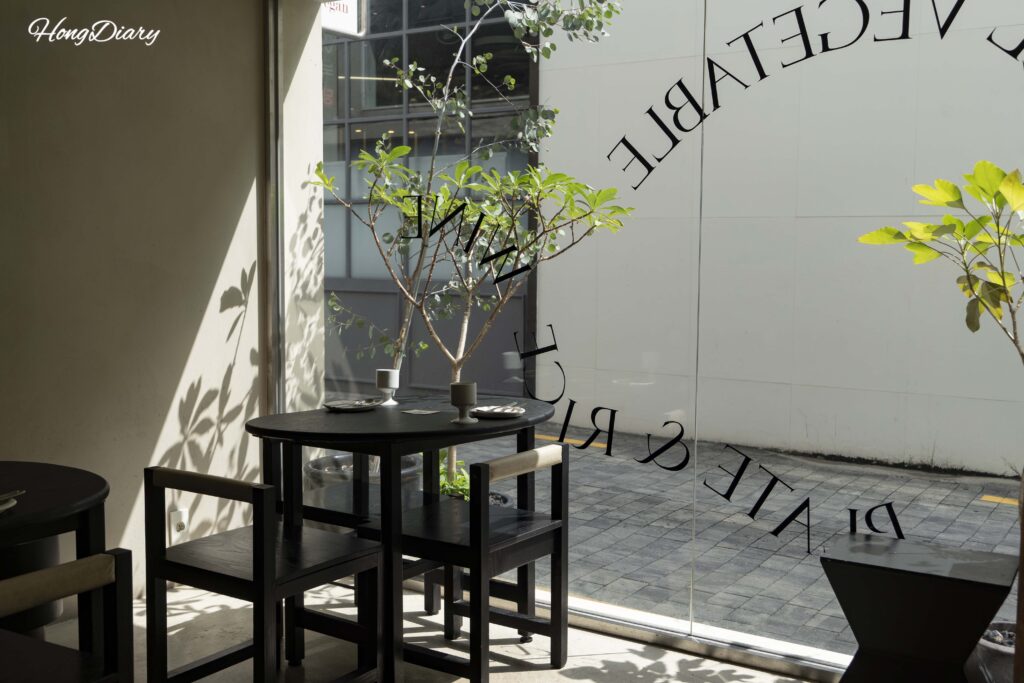
Lunch was included in the ₩50,000 (~$36 USD / ~€32 EUR) tour fee and served at a Michelin-recognized vegan restaurant on Yeongdo. Even here, the recorder picked up its own soundtrack — the clatter of utensils, side dishes being set down one by one, and a conversation between the kitchen staff drifting through the serving window. It was a welcome surprise — not the kind of place I’d have found on my own, and a reminder that Yeongdo’s dining scene has more range than most visitors expect. The guide had preselected the spot, so there was no time wasted choosing a place or struggling with Korean-only menus. For solo travelers especially, having a meal baked into the itinerary removed one of the more stressful parts of navigating a food scene in a language you don’t speak. Note that the restaurant may vary by session depending on availability.
Huinnyeoul Culture Village and Jungni Beach: The Afternoon Highlight
The afternoon portion of the tour brought us to Huinnyeoul Culture Village, a cliffside settlement on Yeongdo’s western coast and arguably the day’s visual and emotional centerpiece. The village began as an informal settlement for Korean War refugees who built makeshift homes along steep seaside cliffs — terrain so challenging it was essentially the last option for families with nowhere else to go. The name “Huinnyeoul” (meaning “white rapids”) comes from the streams that once flowed down from nearby Bongnaesan Mountain toward the sea, appearing like white snow from a distance.
Over the decades, the neighborhood deteriorated, but a community-led revitalization effort starting around 2010 brought murals, independent cafes, and small gallery spaces into the narrow alleys. The village gained wider fame after serving as a filming location for the 2013 Korean movie The Attorney.
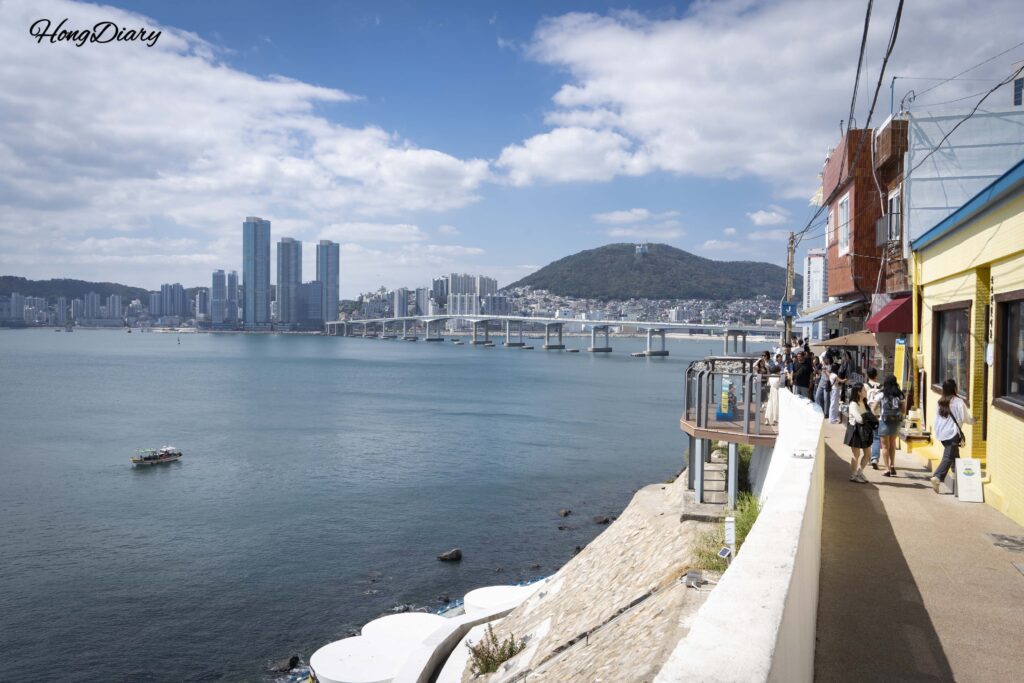
Walking through the narrow alleys with the recorder running, the soundscape shifted constantly — the scrape of my shoes on uneven stone steps, a cafe door swinging open with a burst of background music, and underneath it all, the steady wash of waves echoing up from the cliffs below. It’s frequently compared to Santorini for its white walls and seaside perch, though the reality is less curated and more lived-in. I’ll be honest about what I noticed on this visit, though: the village has shifted considerably from the quiet, slightly wistful place I remember. Commercialization has accelerated — unlicensed cafes have multiplied, and gentrification pressures are a recognized issue that Busan’s city government is actively working to address. Original residents and artists who once gave the village its cultural identity have largely moved out. It’s still a photogenic spot with undeniably striking ocean views, but calling it a “hidden gem” at this point would be misleading.
The original plan was to walk the Jeoryeong Coastal Trail, a dramatic cliffside path running below the village. Unfortunately, the trail was closed for maintenance during my visit, along with the Huinnyeoul Coastal Tunnel. The village itself remained accessible, and even from the upper walkways, the sound of waves breaking against the rocks below came through clearly on the recording equipment. That ocean sound, mixed with tourist chatter and the occasional motorbike navigating the tight lanes, produced a surprisingly dense audio layer — chaotic and peaceful at the same time.
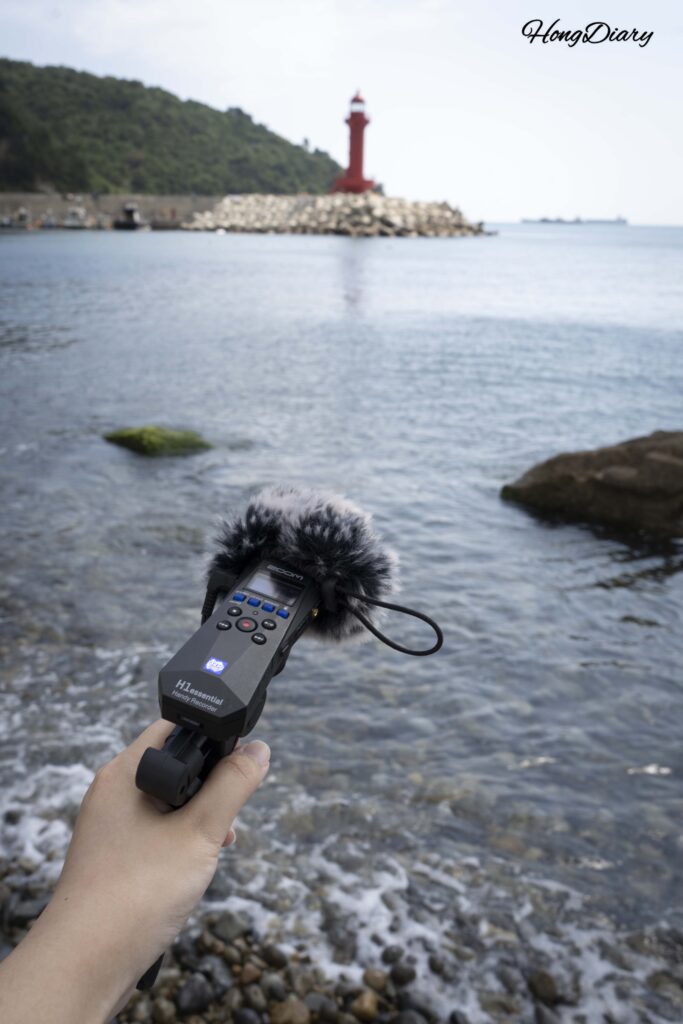
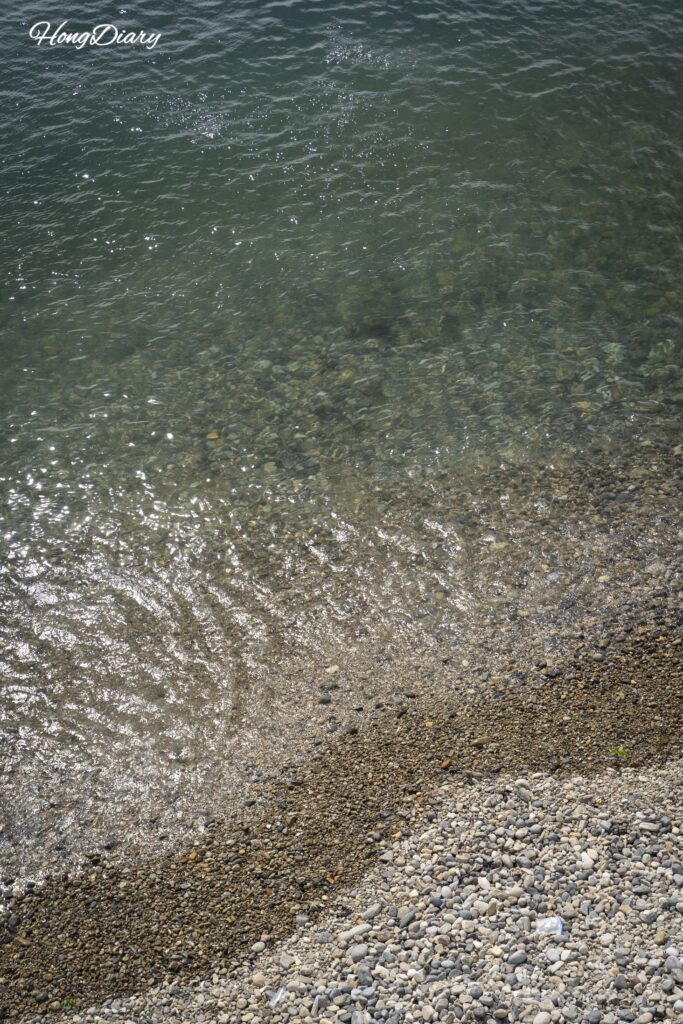
Since the coastal trail was off-limits, the guide redirected us to Jungni Beach, a small, relatively quiet stretch of shoreline just around the corner. This ended up being the best recording spot of the day. Without the crowd noise of the village, the ocean was crisp and unfiltered — just waves rolling in over gravel, the crunch of wet stones underfoot, and the occasional distant blast of a cargo ship horn. I stood there for a solid ten minutes, not recording for any particular purpose, just listening. It was easily the most meditative moment of the entire five hours.
Sharing What We Heard: The Part I Didn’t Expect to Enjoy
The final stop brought the group to a second cafe — also covered by the ₩50,000 (~$36 USD / ~€32 EUR) tour fee — where we sat down, played back our recordings through a shared speaker, and talked about what we’d noticed throughout the day.
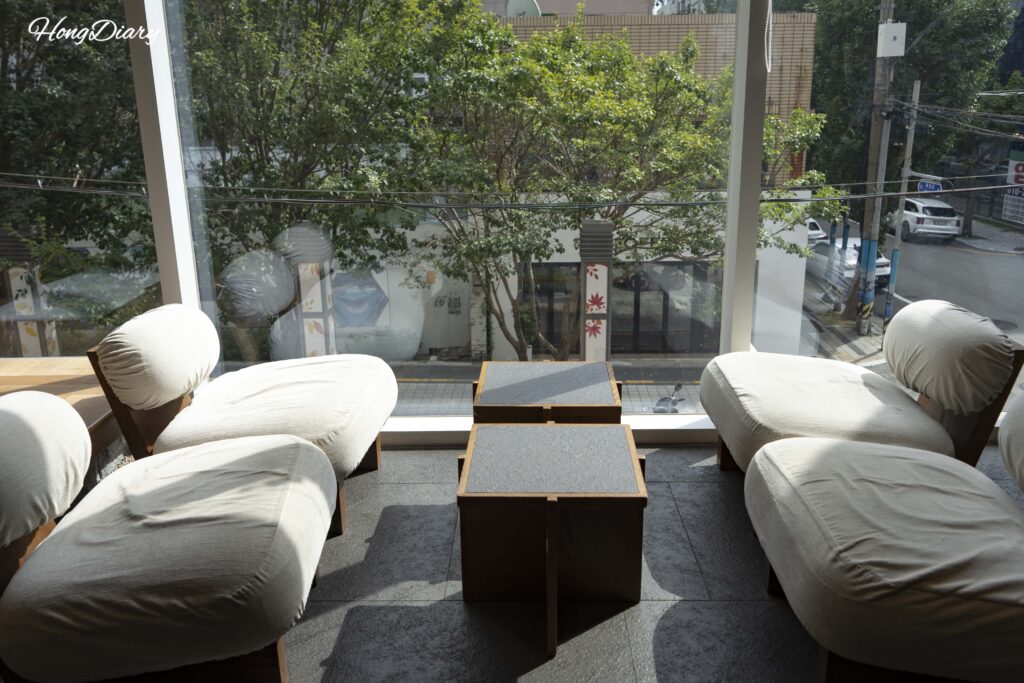
I’ll admit this was the part I’d been least enthusiastic about going in. Sitting in a circle and sharing feelings isn’t exactly my comfort zone. But it turned out to be one of the highlights. Everyone had walked the same route through the same neighborhoods, yet the sounds each person brought back were completely different. One participant had recorded the exact moment a fish cake vendor dropped a metal tray — a split-second clatter that somehow captured the energy of the whole market. Another had a recording of nothing but wind passing through the gap between two buildings in Huinnyeoul. Hearing how other people experienced the same walk forced me to reconsider my own assumptions about what I’d paid attention to and what I’d missed.
The cafes and restaurant on this tour weren’t afterthoughts, either. The guide had clearly curated each stop — not just for convenience, but for quality. That kind of selection is hard to replicate on your own, especially in a neighborhood where the best places don’t always show up on Google Maps in English.
Is This Busan Sound Walking Tour Worth ₩50,000 (~$36 USD / ~€32 EUR)?
For ₩50,000 (~$36 USD / ~€32 EUR), you get five hours of guided exploration, a curated walking route through Yeongdo, a full lunch, two cafe stops with drinks included, sound equipment rental, and shuttle transport for the longer gaps between locations. By Busan standards — where a decent lunch plus one cafe visit can easily run ₩30,000–40,000 (~$21–29 USD / ~€19–25 EUR) on its own — the value is hard to argue with.
Beyond the price, the real draw is the format. This isn’t a bus tour where someone reads facts into a microphone. It’s participatory in a way that keeps you engaged the entire time, and it reveals a version of Busan that you simply can’t access by following a map and checking off landmarks.
The Busan sound walking tour runs as part of the city’s Ocean Healing program, which also offers beach yoga, ocean running, singing bowl sessions, and other wellness-oriented activities on various dates from spring through fall. The sound walking program specifically has two courses: the Yeongdo course I joined (covering Nampo, Yeongdo Bridge, Bongnae Market, Huinnyeoul, and Jungni Beach) and an East Busan course that explores Ahopsan Bamboo Forest and Cheongsapo. If Yeongdo feels too far from where you’re staying in Haeundae, the eastern route might be a more convenient option.
I went solo and had a great time, but this would work equally well as a date, a family outing, or a trip with friends. The pace is relaxed enough that it doesn’t feel like a forced march, and the communal sharing session at the end gives even solo participants a sense of connection.
More to Explore on Yeongdo Island
Yeongdo is the kind of place that rewards a slower pace. If this Busan sound walking tour sparks your curiosity about the island, it’s worth spending a full day or even an overnight here.
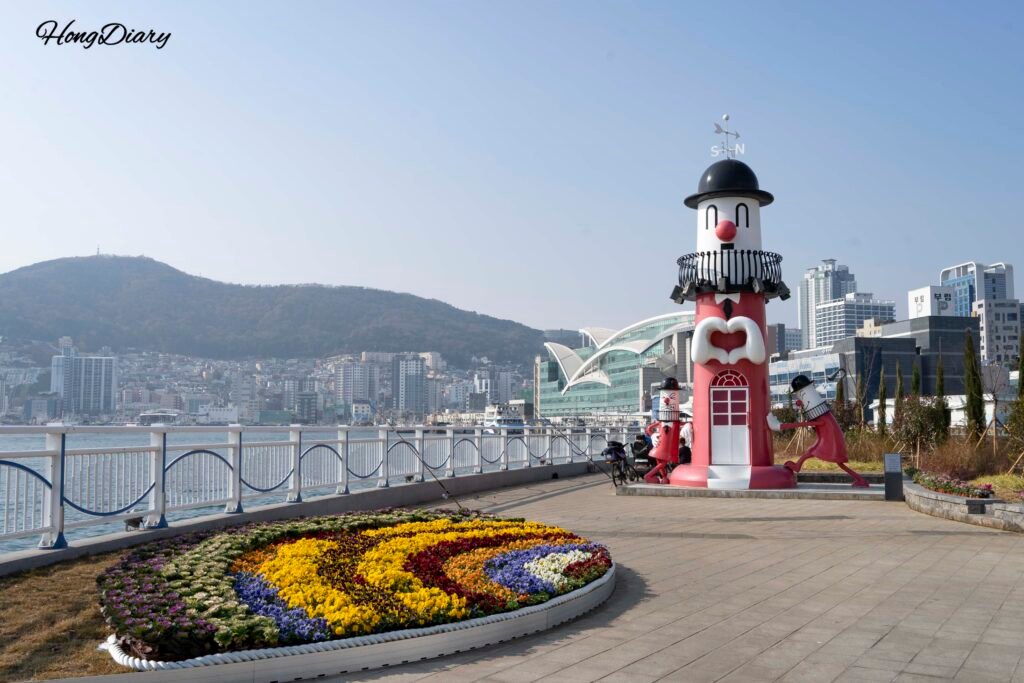
The area around Yeongdo Bridge connects directly to Ganggangyi Art Village, a former shipyard district that’s been transformed into an open-air gallery of murals and installations — an easy walking extension from the tour’s starting point.
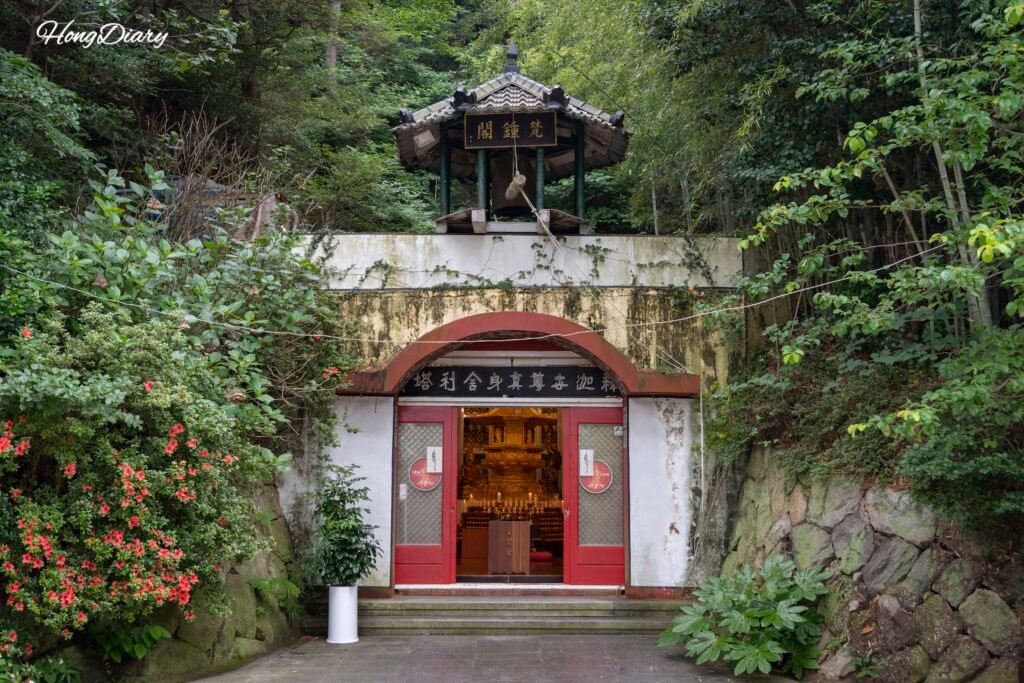
On the southern end of the island, Taejongsa Temple sits quietly among the trees with views of the open sea. It’s a small temple, not a grand complex, but the walk up to it and the coastal panorama from the grounds make it a calming counterpoint to the village energy of Huinnyeoul.
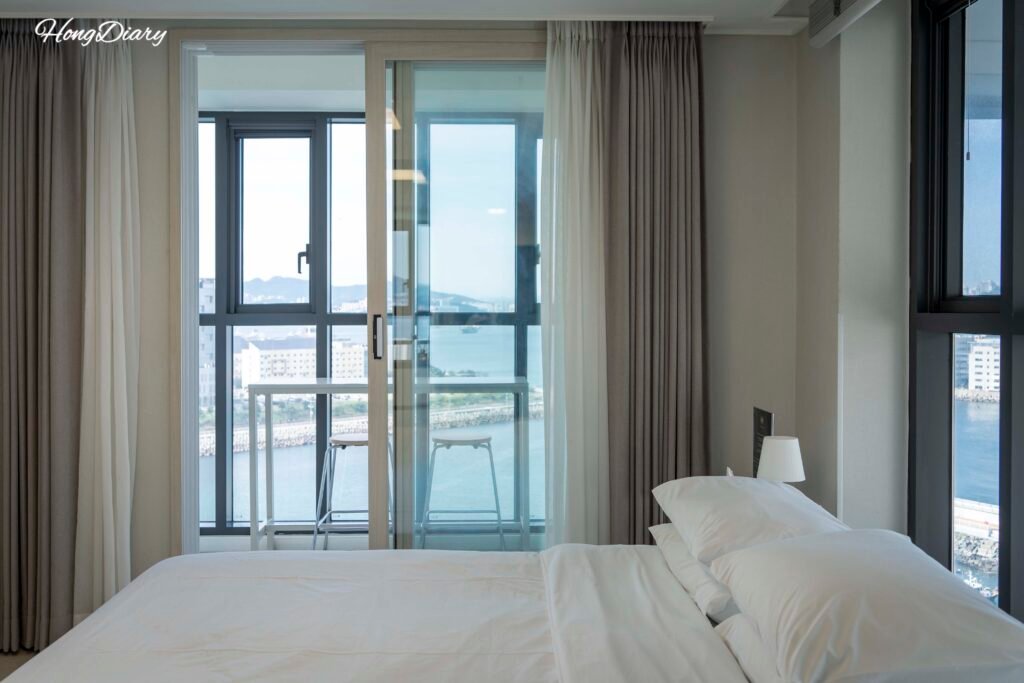
If you’re considering an overnight stay, Grazie Hotel offers ocean-view rooms on Yeongdo’s coast at a fraction of what you’d pay in Haeundae — a solid option if waking up to the sound of waves matters more than being near the tourist district.
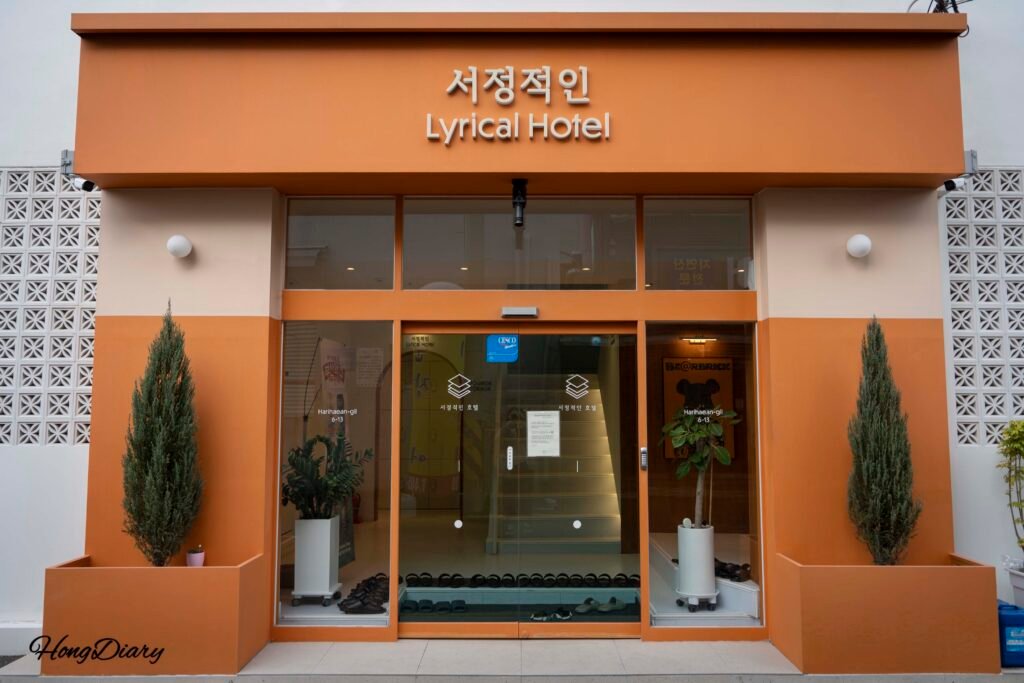
For something with more personality, Lyrical Hotel in Hari Harbour trades ocean views for a cozy cinema room and walls lined with handwritten notes left behind by previous travelers — the kind of small, character-driven stay that fits the spirit of Yeongdo perfectly.
Frequently Asked Questions & Practical Tips: Booking, Inclusions, and What to Expect
What is the Busan sound walking tour?
The Busan sound walking tour is part of the city’s official Ocean Healing Program. Participants are given a portable field recorder and headphones, then walk through designated neighborhoods — recording and listening to ambient sounds like waves, market chatter, birdsong, and harbor activity. The Yeongdo course covers Nampo Station, Yeongdo Bridge, Momos Coffee, Bongnae Market, Huinnyeoul Culture Village, and Jungni Beach over approximately five hours.
How much does the Busan sound walking tour cost, and what’s included?
The tour costs ₩50,000 (~$36 USD / €32 EUR) per person. That price covers a full lunch at a guide-selected restaurant on Yeongdo (a Michelin-recognized vegan restaurant on the day I joined — though the venue may vary by session), one cafe visit with drinks, sound kit rental (field recorder and headphones), and shuttle transport between stops that are too far to walk. Considering that a casual lunch plus a single cafe visit in Busan can easily cost ₩30,000–40,000 ($21–29 USD / ~€19–25 EUR) on its own, the overall value is strong.
How do I book the Busan sound walking tour as a foreigner?
Bookings are made through the official reservation site. The website is in Korean only, but most smartphone and desktop browsers offer built-in auto-translation. No Korean phone number or account registration is required — you can complete the booking as a guest. The tour is part of Busan’s seasonal Ocean Healing Program, typically running from spring through fall.
Do I need audio equipment experience to join the sound walking tour?
No prior experience is needed. The guide explains how to operate the portable field recorder and headphones at the start of the tour, and the equipment is simple to pick up — most participants feel comfortable within the first five minutes. You hold the recorder, press record, wear the headphones, and just walk. The setup captures sound in a way that feels noticeably different from just listening with bare ears, which is part of the appeal.
What is Yeongdo, and why is it worth visiting in Busan?
Yeongdo is an island district in central Busan, connected to the mainland by four bridges. Despite being a short walk from the busy Nampo-dong shopping area, it retains an older, more local atmosphere with narrow alleys, working harbors, and traditional markets. During the Korean War (1950–1953), Yeongdo Bridge became a famous meeting point for separated refugee families. Today, the island is known for Huinnyeoul Culture Village, local seafood, Momos Coffee’s roastery (ranked 22nd among the world’s best coffee shops in 2026), and coastal scenery that most international visitors never see.
Can I join the Busan sound walking tour solo, or is it better with a group?
Both work well. I participated solo and found the experience engaging from start to finish — the communal sharing session at the final cafe stop was a natural way to connect with other participants. That said, the tour adds an interesting layer when you go with a partner, family, or friends: everyone records different sounds along the same route, and comparing what each person noticed creates its own kind of conversation. The pace is relaxed enough for all fitness levels, and the guide handles logistics including meals and transport.
Are there other Busan Ocean Healing programs besides the sound walking tour?
Yes. The Busan Ocean Healing Program runs seasonally and includes several different wellness-oriented activities such as beach yoga, sunset pilates, ocean running, and singing bowl meditation sessions — some of which take place on a yacht. The sound walking tour itself offers two route options: the Yeongdo course (Nampo, Yeongdo Bridge, Bongnae Market, Huinnyeoul Culture Village, Jungni Beach) and an East Busan course covering Ahopsan Bamboo Forest and Cheongsapo. Schedules and pricing may vary by session, so check the booking site for current availability.