
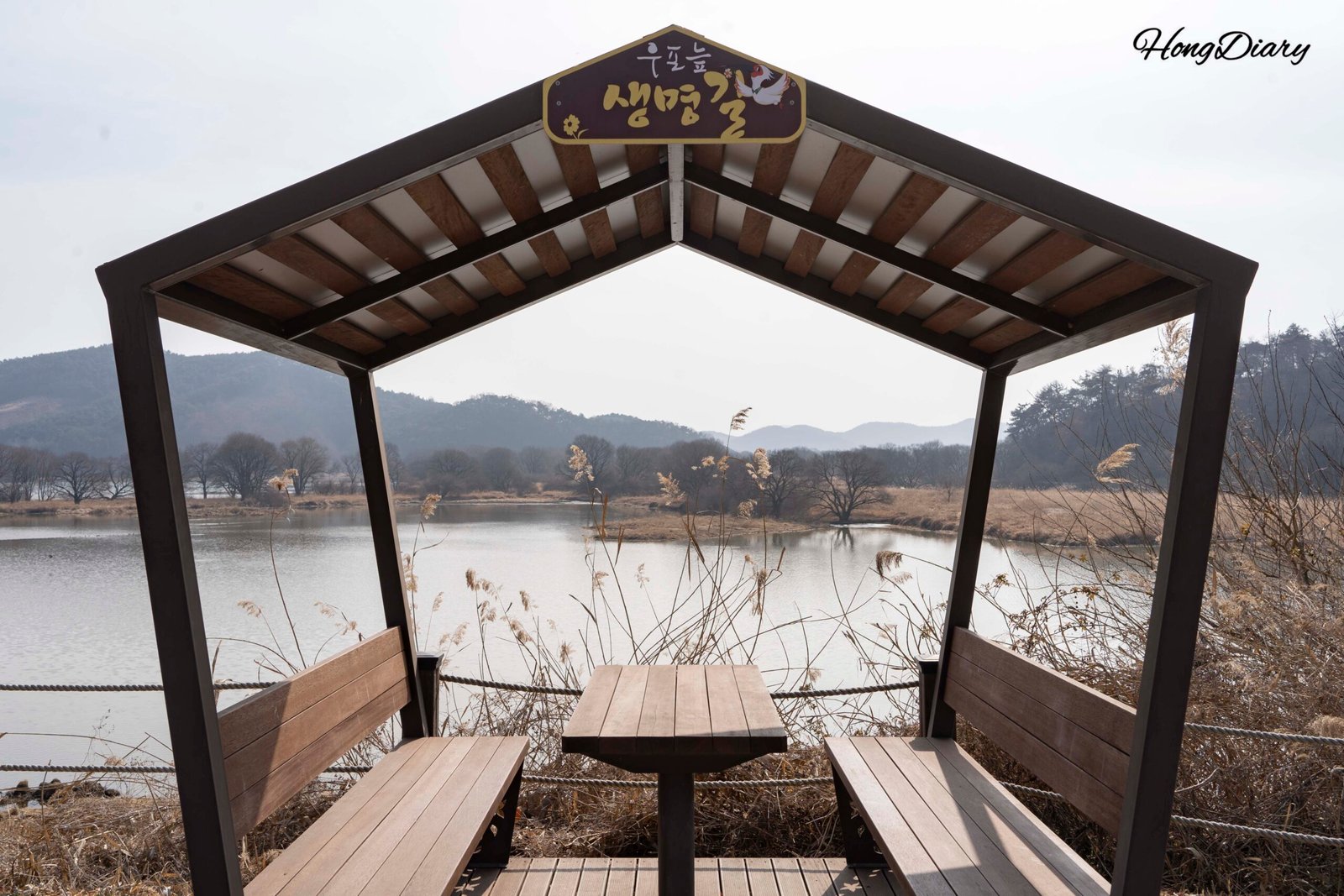
If you’re looking for a low-key overnight trip from Busan or Daegu, Bugok hot spring in Changwon — a rural area of South Gyeongsang Province — is worth considering. It’s about an hour’s drive from either city, and the combination of a private hot spring bath in your room and a morning walk through Upo Wetlands makes for a well-balanced one-night, two-day itinerary. We went as a family with a young child, and the pace suited us well.
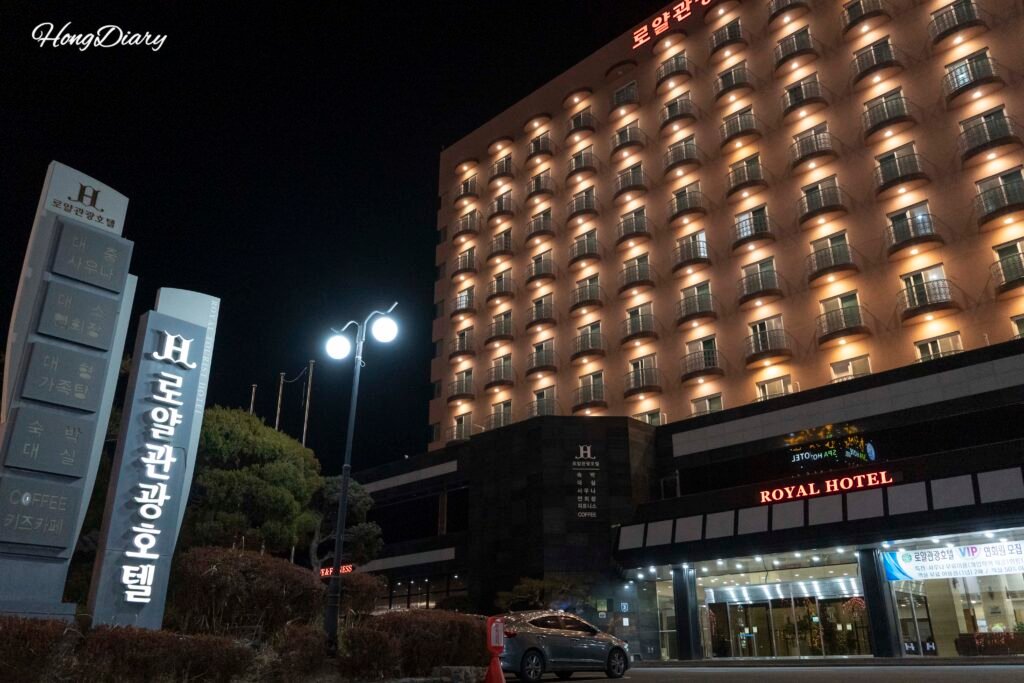
Table of Contents
Getting to Bugok Hot Spring
By Car
From both Busan and Daegu, Bugok takes roughly an hour by car or rental car. The drive is straightforward and parking at most hotels in the area is not an issue.
By Bus
If you’re not driving, intercity buses serve the area from several terminals. Note that some routes require a transfer at Yeongsan.
| Item | Details |
|---|---|
| From Seoul | Seoul Nambu Terminal → intercity bus (express) |
| From Daegu | Daegu Seobu Bus Terminal → intercity bus (express, direct) |
| From Busan | Sasang (Busan Seobu Terminal) → intercity bus (transfer at Yeongsan) |
For fares and reservations, check: https://www.bustago.or.kr/newweb/kr/index.do
Departures from Bugok Terminal (as of February 1, 2026)
The following is the official departure schedule posted at Bugok Terminal. Times and service types are as listed.
To Seoul (express)
| Item | Details |
|---|---|
| Departure | 07:00 / 11:00 / 14:30 / 18:00 |
To Busan (express, transfer at Yeongsan)
| Item | Details |
|---|---|
| 07:40 → Yeongsan 08:00 | Transfer required |
| 13:30 → Yeongsan 13:55 | Transfer required |
| 18:30 → Yeongsan 18:55 | Transfer required |
To Daegu (express, direct)
| Item | Details |
|---|---|
| Departure | 07:00 / 07:40 / 12:30 / 16:30 / 20:00 |
To Gimhae (express)
| Item | Details |
|---|---|
| Departure | 09:40 / 13:40 / 16:40 / 19:40 |
To Masan (direct / transfer at Yeongsan)
| Item | Details |
|---|---|
| 07:00 → Yeongsan 07:20 | Transfer required |
| 08:10 | Direct |
| 10:30 → Yeongsan 10:40 | Transfer required |
| 12:30 → Yeongsan 12:40 | Transfer required |
| 13:10 | Direct |
| 16:10 | Direct |
| 16:30 → Yeongsan 16:40 | Transfer required |
| 18:00 → Yeongsan 18:10 | Transfer required |
| 19:00 | Direct |
To Miryang / Muan (direct)
| Item | Details |
|---|---|
| Departure | 09:35 / 11:40 / 14:40 / 17:25 / 19:40 |
To Changwon / Yeongsan (direct)
| Item | Details |
|---|---|
| Departure | 07:30 / 10:30 / 13:30 / 16:10 / 18:30 |
To Susan / Jinyeong (direct)
| Item | Details |
|---|---|
| Departure | 08:50 / 14:00 / 16:00 |
Note: The 16:00 Susan departure continues to Jinyeong. Buses to Daegu also stop at Changwon (partial boarding available).
Why Bugok Hot Spring
Bugok, located in Changwon, Gyeongsangnam-do (South Gyeongsang Province), is one of the better-known hot spring destinations in Korea. The water here is sulfuric, which gives it a distinctive mineral quality, and the water temperature runs on the higher end compared to other Korean hot spring areas. It was particularly popular a few decades ago, and while the area has a slightly dated feel to it, several hotels have been renovated in recent years.
For families with children, one of the main draws is the private in-room bath — you get the full hot spring experience without worrying about a shared public bathhouse. That made a significant difference for us.
Where to Stay: Bugok Royal Tourist Hotel
We stayed at Bugok Royal Tourist Hotel, which had recently been renovated. Weekday rates were around 70,000 won (~$47 USD) per night, and most other accommodations in the area are similarly priced in the 50,000–80,000 won range (~$33–53 USD), making it a reasonably affordable overnight option.
The Room
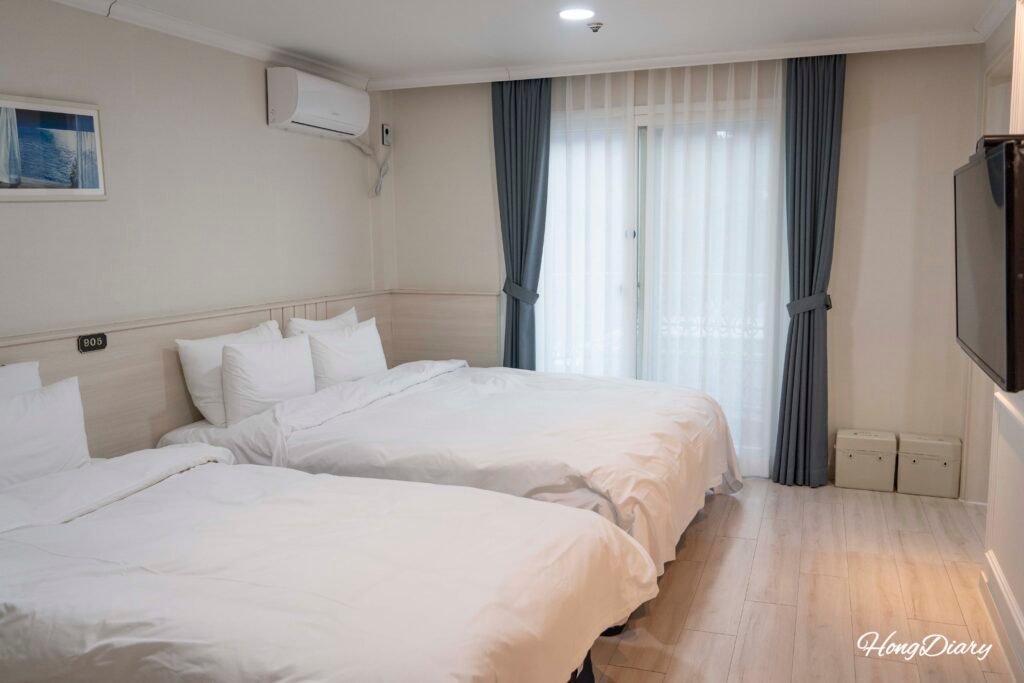
Walking into the room, the first thing you notice is the heat. The ondol floor heating is set to 30°C by default — adjust it as soon as you check in, or you’ll be kicking off blankets at midnight. The room is heated using the hot spring water itself, which is a nice touch, but it gets warm fast. Older guests would probably love it exactly as-is.
In-Room Hot Spring Bath
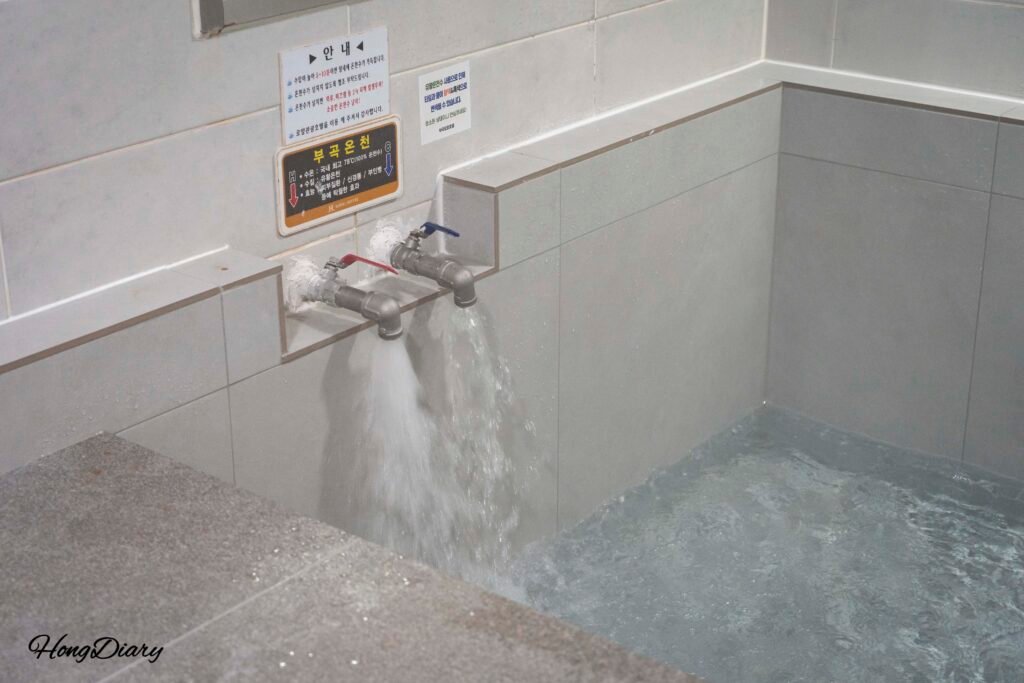
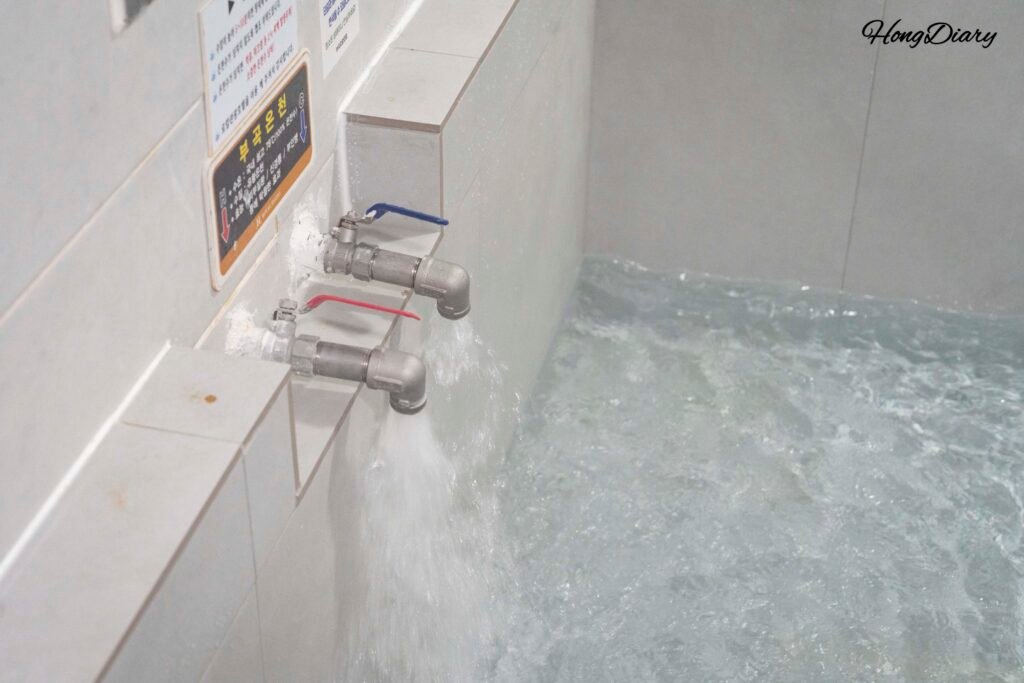
Each room comes with its own private hot spring bathroom. It’s compact but well-maintained — clean water, clean tub, and easy temperature control. Traveling with a child, this was exactly what we needed. I’d always hesitated to take young kids to public bathhouses — too much risk of slipping, too much worry about bothering other people. Having our own space took all of that off the table. The child splashed around happily for longer than I expected.
The hotel also has a shared public bathhouse in the basement, free for guests, but we never felt the need to use it given the in-room facilities.
Meals
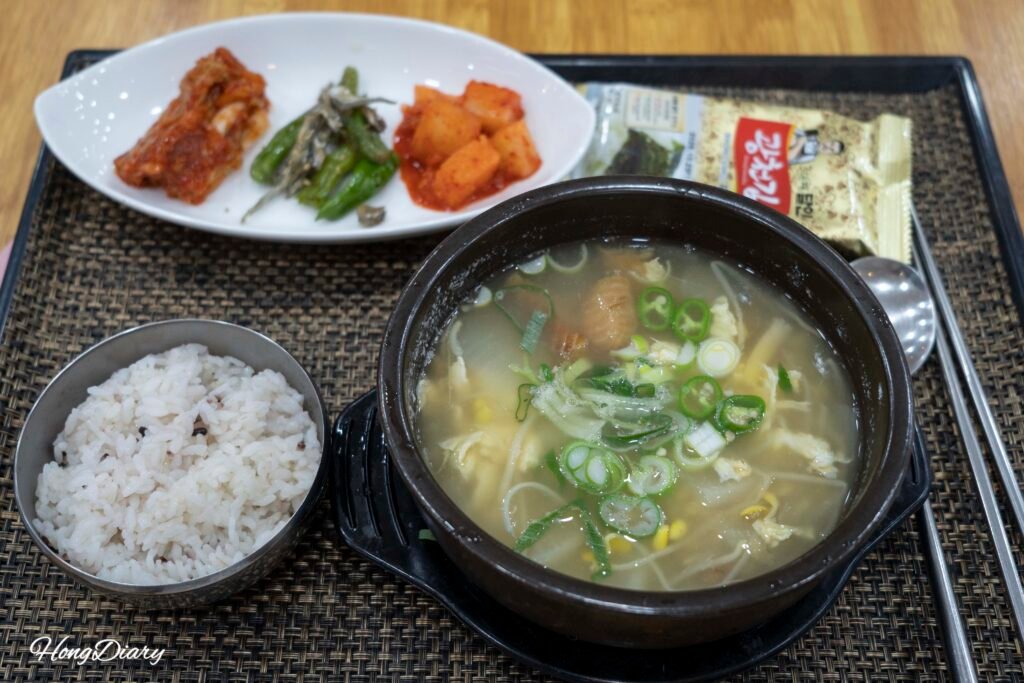
Dinner was easy — there are several restaurants nearby that were operating even on a weekday. The hotel itself runs a breakfast service, which we used the next morning. There’s also a convenience store and a few late-night spots within walking distance if you want to wind down after the bath.
Day Two: Upo Wetlands
After checking out, we drove toward Changwon town center for a late breakfast, then headed to Upo Wetlands (Upo Neup) — one of the largest natural inland wetlands in Korea and well worth the short detour.
It was winter, so the outdoor ecosystem was quiet, but there was plenty to do at a comfortable pace.
Upo Wetlands Eco Experience Center
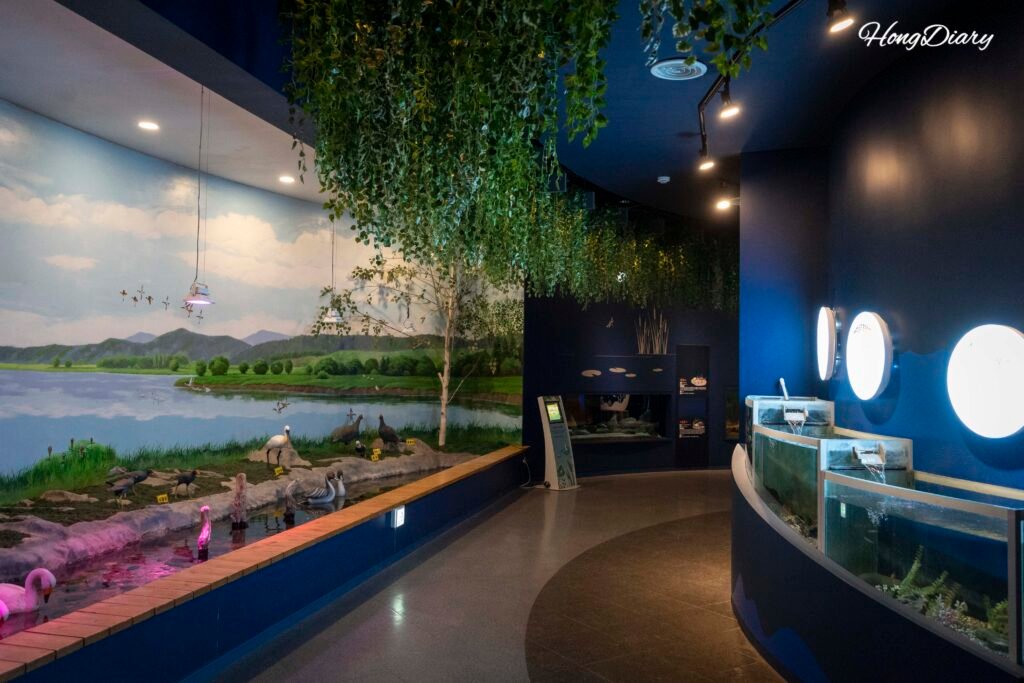
The first stop was the Upo Wetlands Eco Experience Center. In warmer months this place runs hands-on activities, but in winter the indoor exhibition is the main draw. It covers the plants and animals that live in and around the wetlands in a clear, accessible way — good for kids.
Changwon Upo Insect World
This one was more for the child than for me. Changwon Upo Insect World has live insects on display, and visitors can handle some of them. I’ll be honest — it’s not my kind of place. But watching the child completely lose themselves in it made the visit worthwhile. If your kids are into insects, this is a solid stop.
Upo Wetlands Life Trail
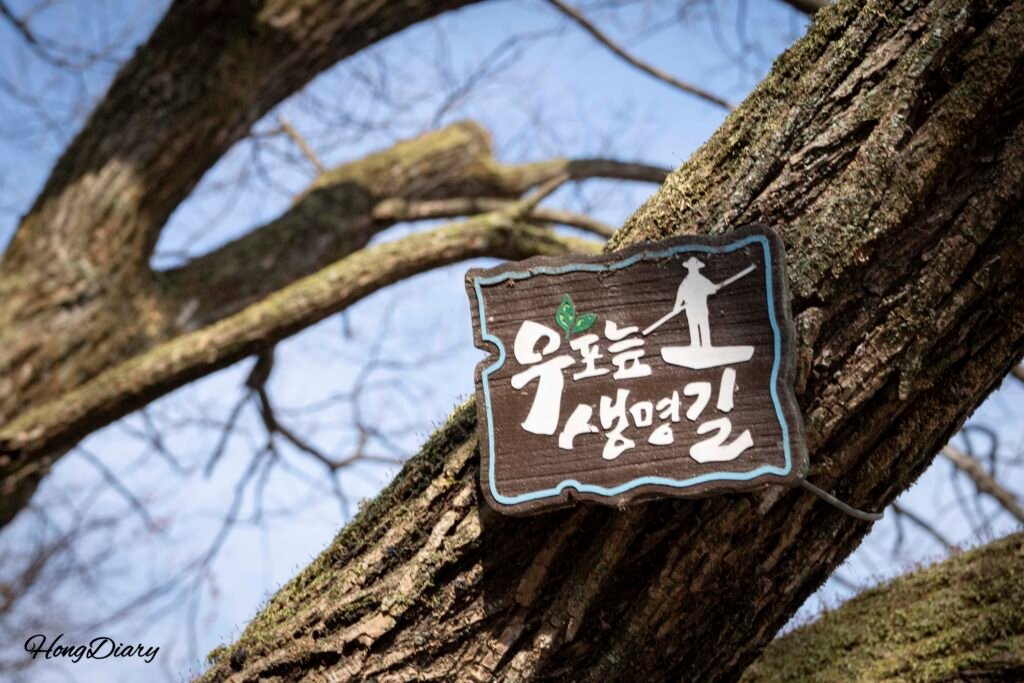
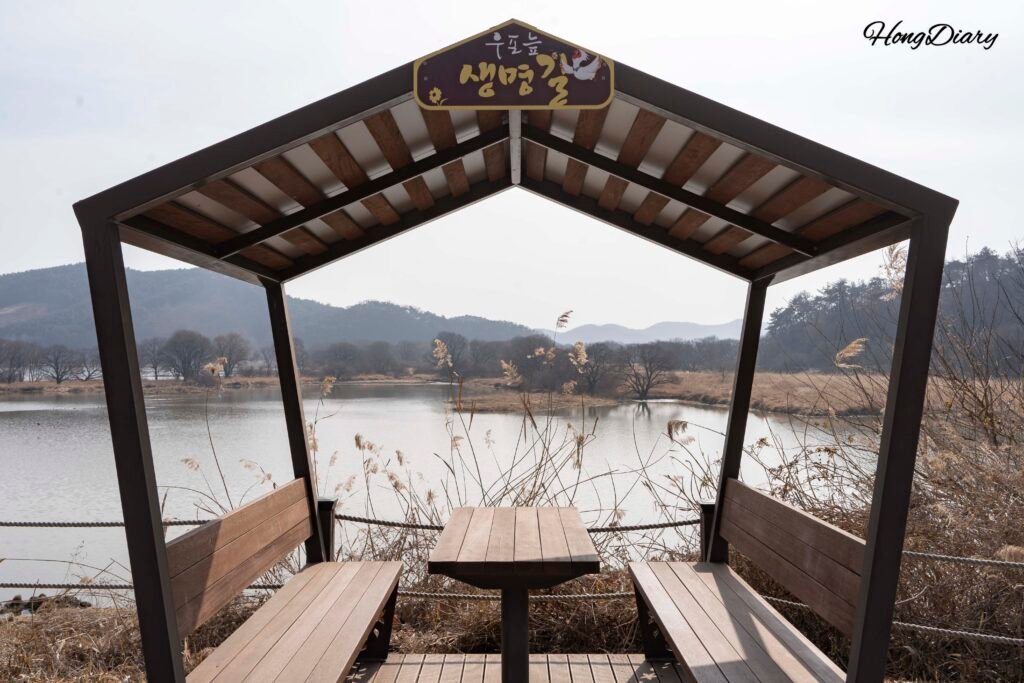
The Upo Wetlands Life Trail is a walking path that runs along the edge of the wetlands. The full route is long, but walking just a section of it is enough to get a feel for the landscape. In winter the scenery is understated but peaceful — reeds, open water, and quiet. After a full evening of soaking in a hot bath, the fresh air felt good.
One-Night, Two-Day Itinerary Overview
| Item | Details |
|---|---|
| Day 1 – Afternoon | Arrive at Bugok, check in to hotel |
| Day 1 – Evening | In-room hot spring bath, dinner at nearby restaurant |
| Day 2 – Morning | Hotel breakfast, check out |
| Day 2 – Late morning | Brunch in Changwon town center |
| Day 2 – Afternoon | Upo Wetlands Eco Center, Insect World, Life Trail walk |
Practical Notes
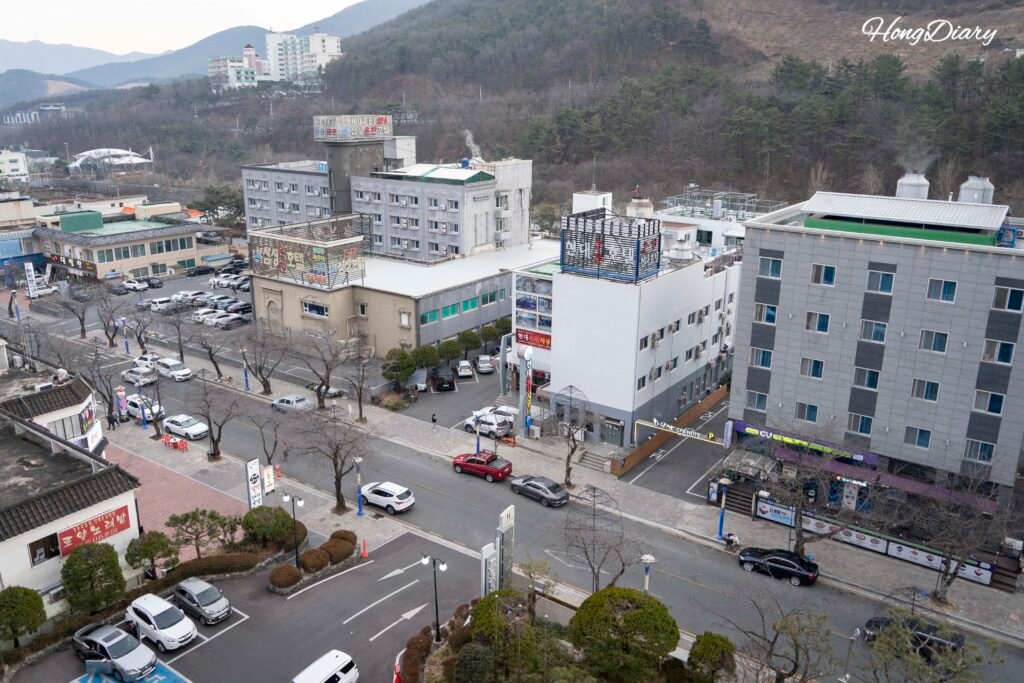
The Bugok hot spring area has an old-fashioned atmosphere that might surprise first-time visitors. It’s not a polished resort destination — it has the feel of a classic Korean spa town that’s been around for decades. That’s part of the appeal for some, and worth knowing in advance for others.
For families with young children, the private in-room bath format works well. The combination of a relaxed evening at Bugok hot spring and an easy outdoor morning at Upo Wetlands makes for a trip that’s restful without feeling like you’ve wasted a weekend.
Where is Bugok hot spring located, and how far is it from Busan and Daegu?
Bugok hot spring is located in Changwon, Gyeongsangnam-do (South Gyeongsang Province), Korea. It’s approximately a one-hour drive from both Busan and Daegu, making it a practical overnight destination from either city.
How do I get to Bugok hot spring by public transportation?
Intercity buses run to Bugok from Seoul Nambu Terminal, Daegu Seobu Bus Terminal, and Sasang (Busan Seobu Terminal) in Busan. Note that the Busan route requires a transfer at Yeongsan, while the Daegu route runs direct. For fares and reservations, check https://www.bustago.or.kr/newweb/kr/index.do. Departure times from Bugok Terminal are listed in the main article (schedule valid from February 1, 2026).
What is sulfuric hot spring water and what makes Bugok’s water special?
Sulfuric hot spring water contains naturally occurring sulfur compounds, which give it a distinctive mineral scent and are traditionally associated with skin and muscle benefits. Bugok is known for having water on the higher end of the temperature range among Korean hot spring areas.
Is Bugok hot spring suitable for families with young children?
Yes. Most hotels in the Bugok area have private in-room hot spring baths, which means you can enjoy the hot spring experience without the concerns that come with a shared public bathhouse — slipping, crowding, or disturbing other bathers. This setup works well for families with young children.
How much does it cost to stay at a hotel in Bugok?
Weekday rates at Bugok Royal Tourist Hotel were around 70,000 won (~$47 USD) per night at the time of this visit. Most accommodations in the area fall in the 50,000–80,000 won range (~$33–53 USD) on weekdays.
What is Upo Wetlands and is it worth visiting?
Upo Wetlands (Upo Neup) is one of the largest natural inland wetlands in Korea, located near Changwon. It has an eco experience center, an insect exhibition, and walking trails along the water’s edge. It’s a good half-day addition to a Bugok hot spring trip, particularly for families.
Can I do Bugok hot spring as a day trip instead of overnight?
Yes. Most hotels in Bugok offer daytime use (daesil) in addition to overnight stays, so a same-day visit is possible. That said, staying overnight gives you more time to enjoy the in-room bath at your own pace and makes the trip feel more relaxed.