
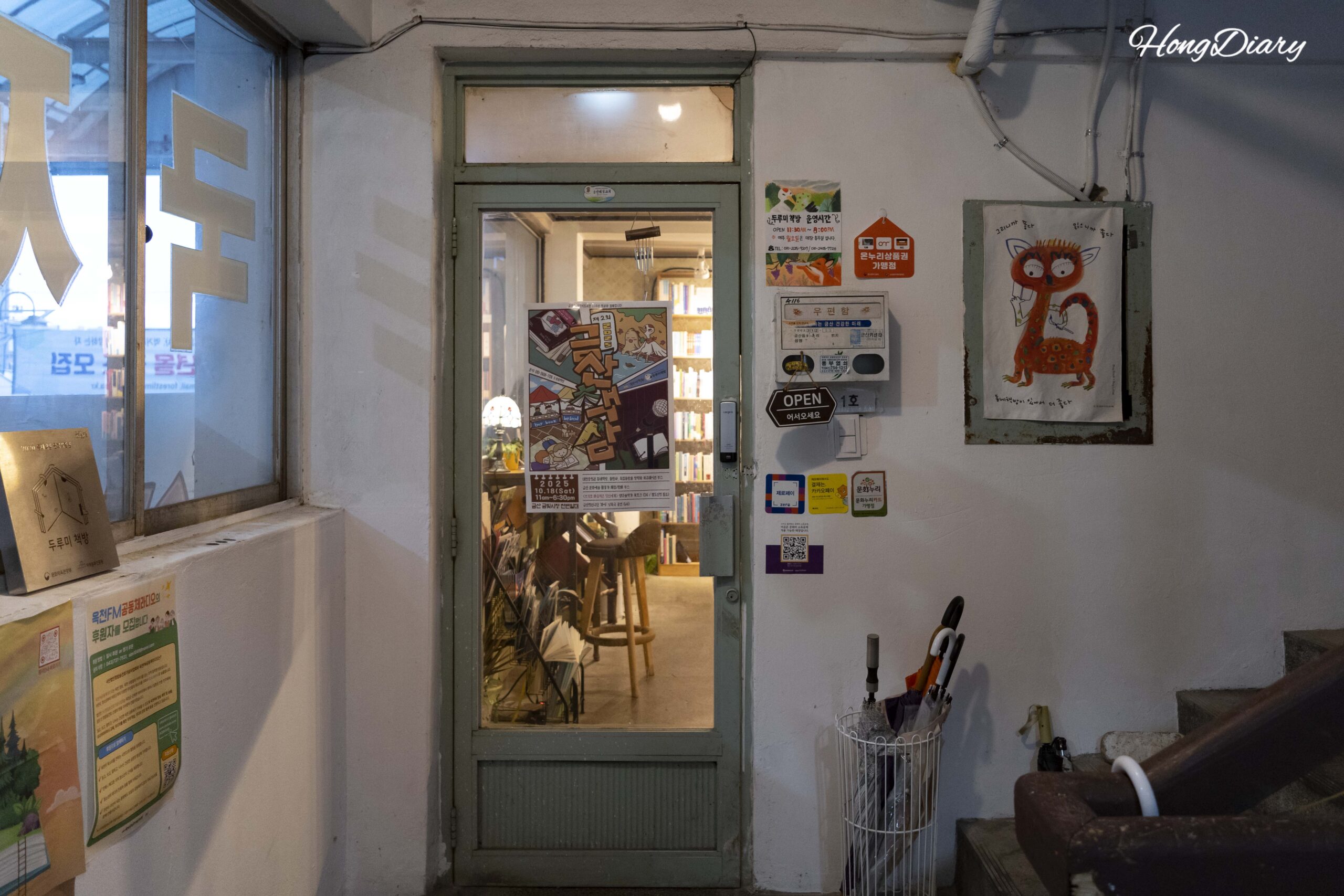
After the observatory views and the fish porridge, I thought the day in Geumsan was done. But my phone showed a bookshop café on the second floor of an old market building in town, and since we had time before the drive home, I figured it was worth a look. What I found at Durumi Bookshop wasn’t just a pretty café. It was a space built to keep a disappearing town from disappearing.
Durumi Bookshop sits on the second floor of the Geumsan Geumbit Market Youth Mall — a renovated section of a traditional market in the center of Geumsan-eup, the main town of Geumsan-gun in Chungcheongnam-do. The market building itself has seen better decades, and that’s part of the charm: the stairwell is old, the hallways have that specific Korean retro patina that feels more like a time capsule than a renovation project. I got slightly lost trying to find the entrance, but a shop owner on the ground floor pointed me upstairs with a smile.
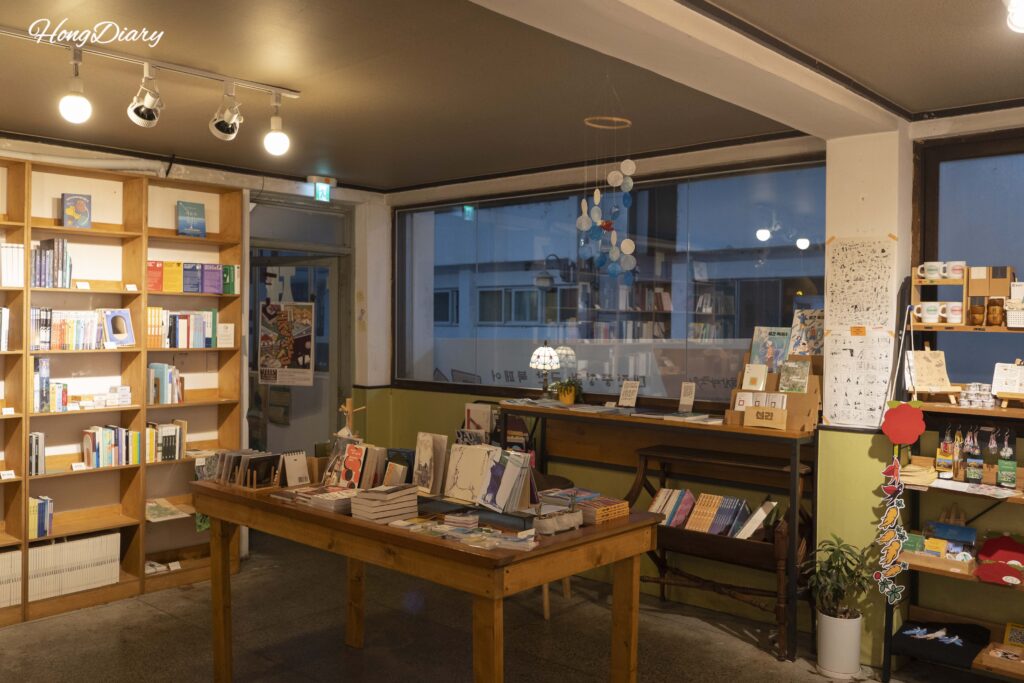
Table of Contents
Visitor Info
| Detail | Info |
|---|---|
| Name | Durumi Bookshop |
| Address | 106 Geumsancheon-gil, Geumsan-eup, Geumsan-gun, Chungcheongnam-do (2F, Geumbit Market Youth Mall) |
| Hours | 11:30 AM – 8:00 PM, closed Mondays |
| Getting There | 800m walk (~12 min) from Geumsan Terminal |
| From Daejeon | Intercity bus from Yuseong Complex Terminal (~50 min, ₩5,000 / ~$3 USD / €3 EUR) |
Geumsan Terminal — the town’s intercity bus hub — is about a 12-minute walk (800 meters) from the bookshop, making it one of the few places in the Geumsan area that’s genuinely walkable from public transit. From Daejeon, intercity buses to Geumsan Terminal run every 10 to 30 minutes from Yuseong Complex Terminal (about 50 minutes, ₩5,000 / ~$3 USD / €3 EUR).
There are also direct buses to Seoul (4 times daily) and Jeonju. If you’re traveling through Chungcheongnam-do, Geumsan works well as a day trip from Daejeon.
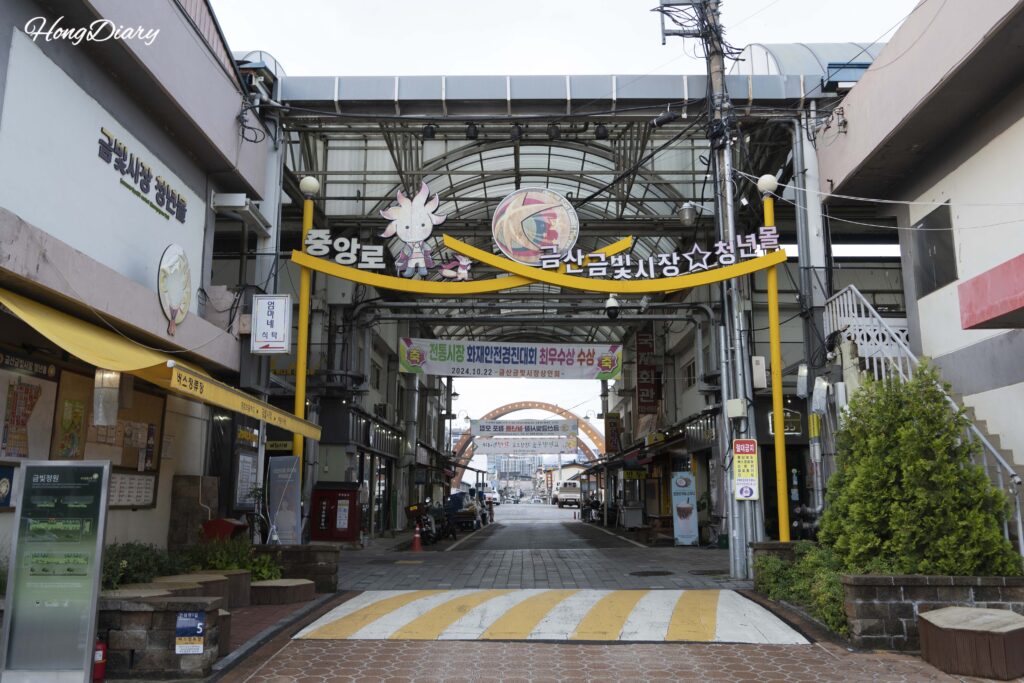
Finding the Entrance
The building doesn’t announce itself. From the street, it looks like any aging commercial building in a small Korean town — the kind you’d walk past without a second glance. A sign for the Youth Mall marks the entrance, but the bookshop itself is upstairs, and it takes a moment to figure out which staircase to use.
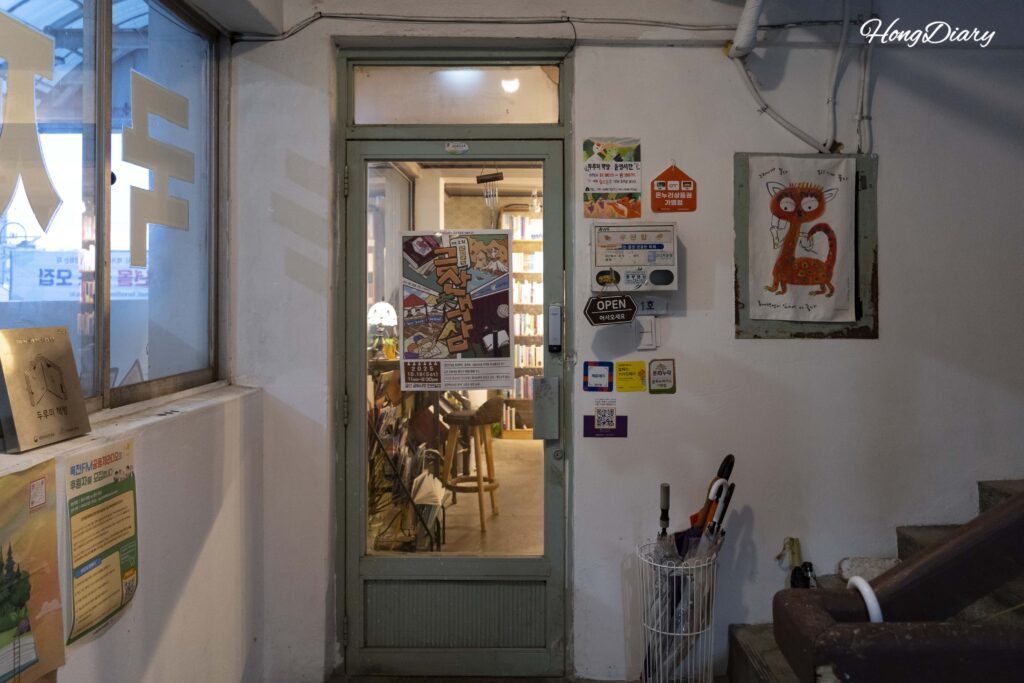
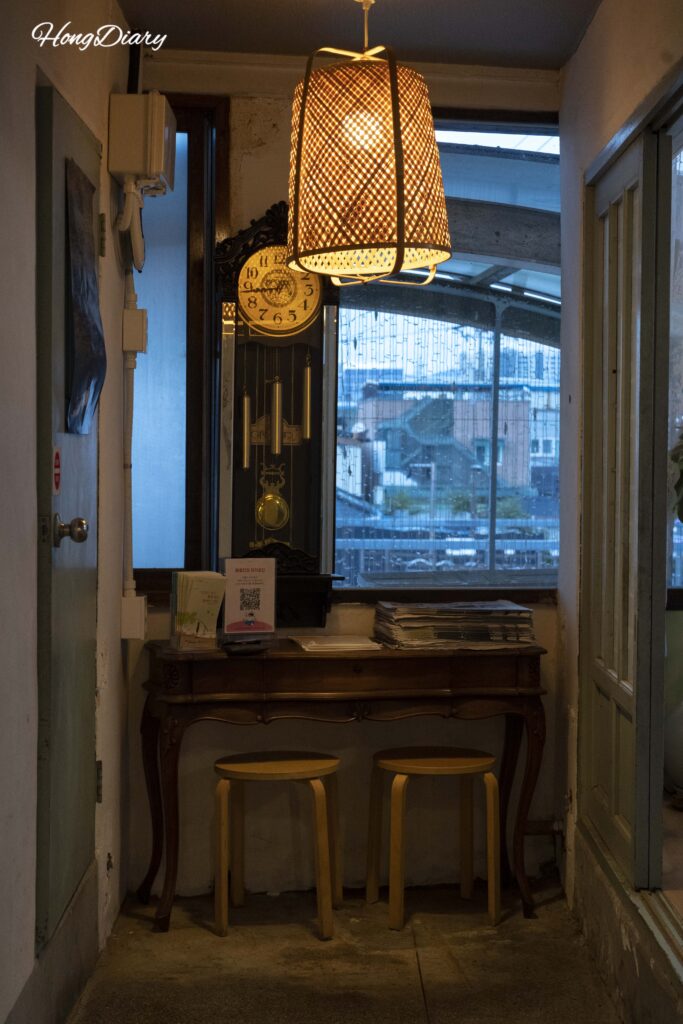
That slight confusion is actually part of the experience. The retro feel of the building — old tiles, narrow corridors, the echo of your footsteps — sets up a contrast with what’s waiting inside. It felt like walking into a different era before arriving at a space that’s very much about the present.
Inside Durumi Bookshop
The door opens to warm lighting, floor-to-ceiling bookshelves, and the kind of quiet that only exists in places where people come to read.
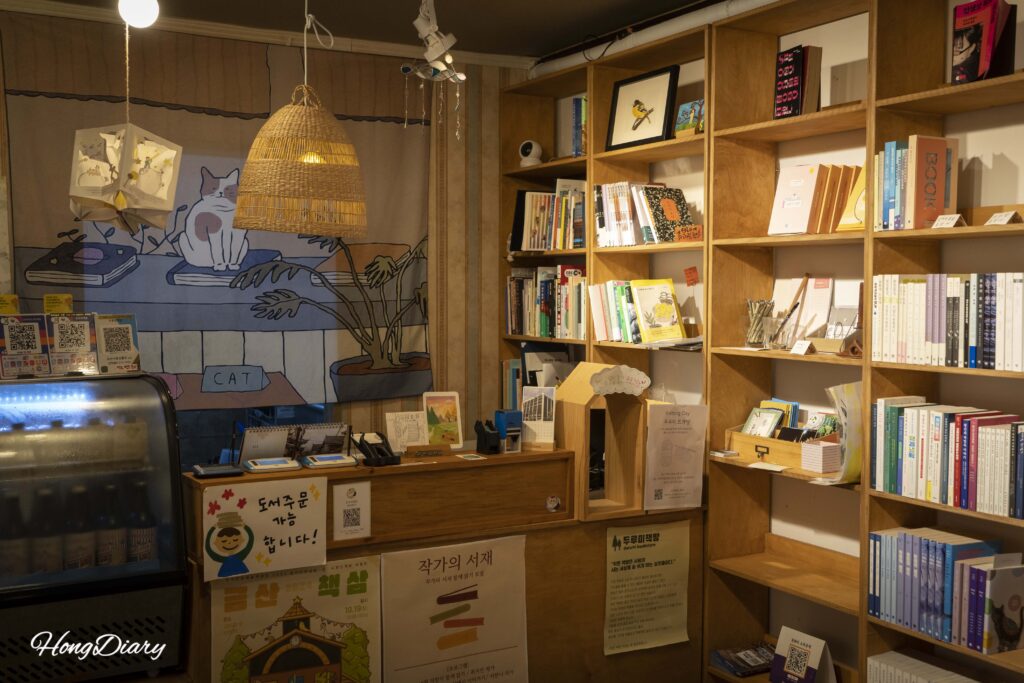
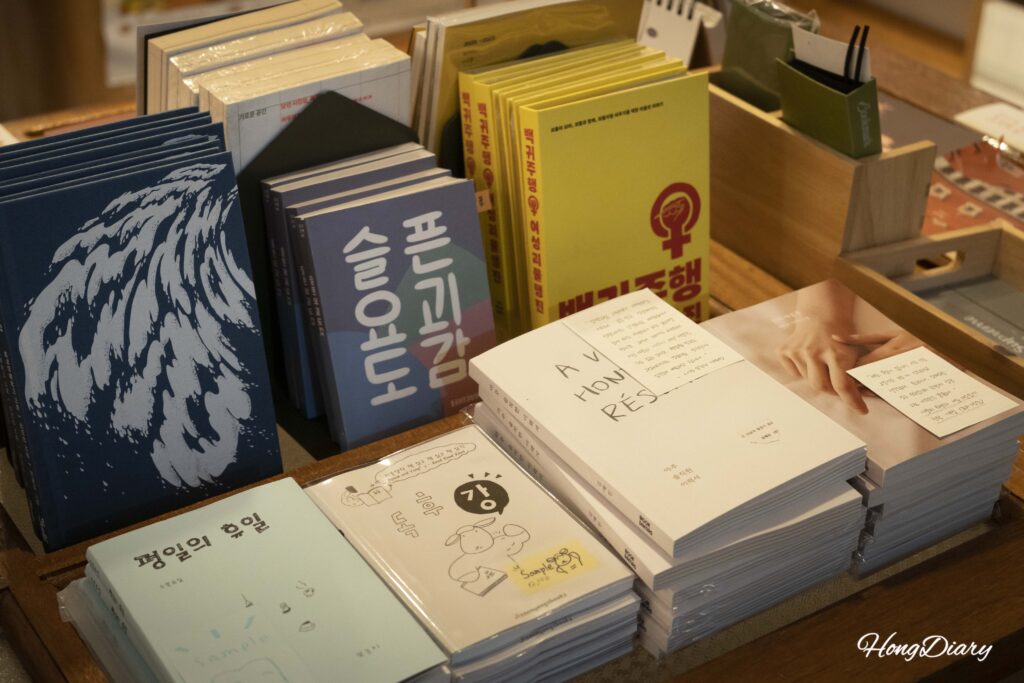
One side of the shop is lined with independent publications — small-press books, zines, and local titles that you won’t find at Kyobo or Yes24. The other side has Geumsan-themed souvenirs and goods: things that reference the town’s ginseng heritage and local culture. I’ve been to Geumsan dozens of times for the food, but this was my first time here as a “tourist” — and seeing the town through that lens felt surprisingly different.
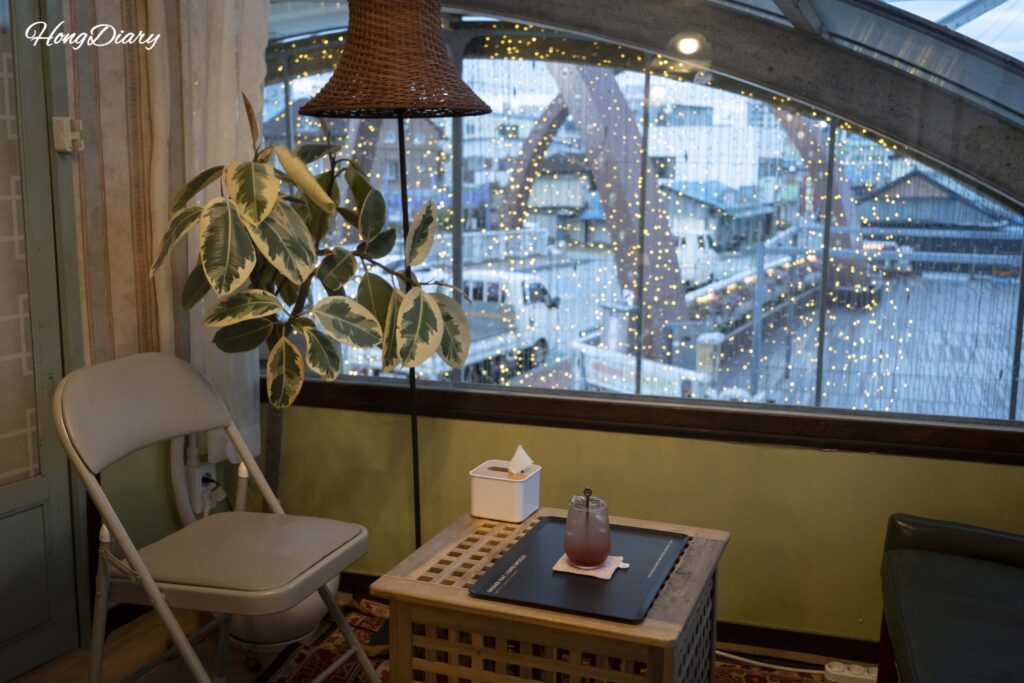
Further inside, there’s a seating area set up for lingering — the kind of space designed for ordering a drink, picking up a book, and losing track of time.
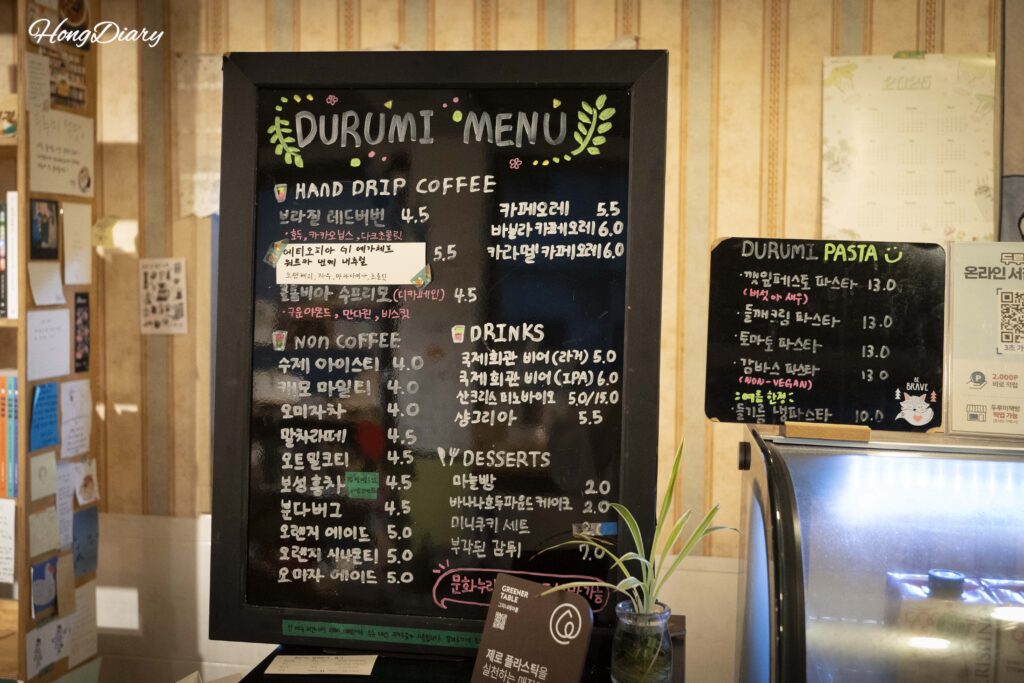
Selected Menu
| Drink / Food | Price (₩) | USD | EUR |
|---|---|---|---|
| Café Latte | ₩5,500 | ~$4 | ~€3 |
| Craft Beer – Lager | ₩5,000 | ~$3 | ~€3 |
| Craft Beer – Ale | ₩6,000 | ~$4 | ~€3 |
| Glass Wine | ₩5,000 | ~$3 | ~€3 |
| Pasta (reservation required) | ₩13,000 | ~$9 | ~€7 |
| Sangria | ₩5,500 | ~$4 | ~€3 |
I ordered an omija ade — a drink made from omija (five-flavor berry), a fruit that’s tart, sweet, bitter, salty, and pungent all at once. It’s a distinctly Korean flavor, and it matched the mood of the space perfectly: something unfamiliar that grows on you.
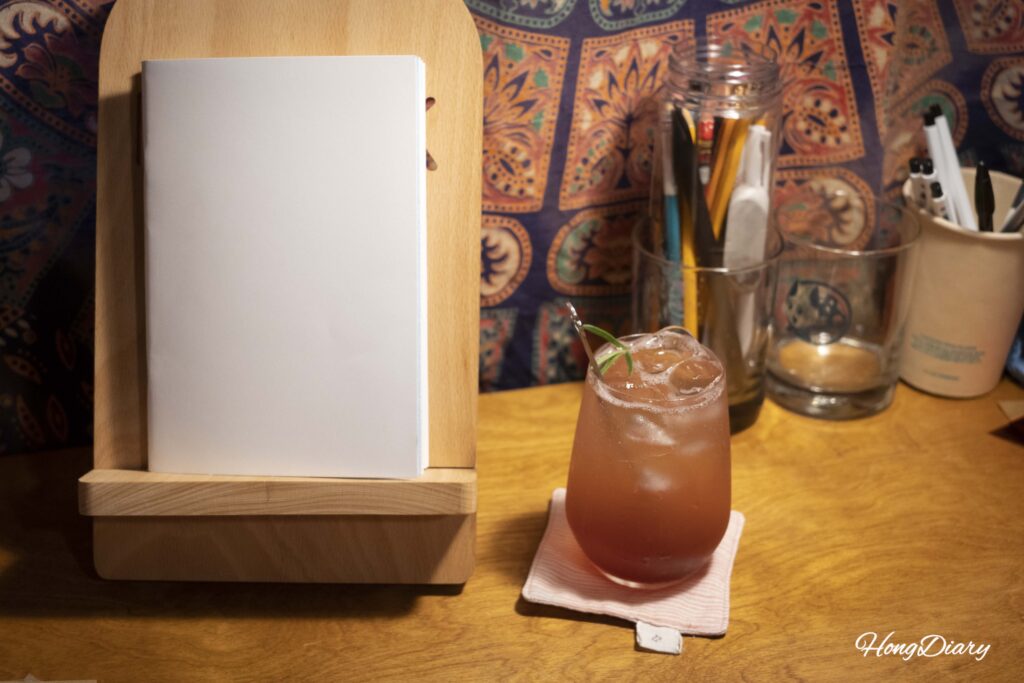
If this café were near my house, I’d come here to work every day. The lighting, the quiet, the bookshelves — it’s the kind of environment that makes you want to sit down and create something.
Why This Café Exists
Here’s where the story shifts.
Geumsan is the ginseng capital of South Korea — about 80% of the country’s ginseng trade flows through here. But it’s also one of Korea’s most at-risk municipalities for population decline. What was once a busy market town has seen its population collapse to around 50,000, with empty storefronts visible throughout the commercial district. The Geumbit Market itself, where Durumi Bookshop sits, is a symbol of that shift — a market that used to be crowded, now quiet.
Durumi Bookshop was created by a group of young people who decided to fight that decline — not by building something flashy, but by creating a cultural anchor. It’s an independent bookshop, a café, and a community space rolled into one. The books on the shelves aren’t random inventory; they’re curated to connect visitors with local stories, regional writers, and the kind of slow culture that small towns produce but rarely get to showcase.
It’s not just a place to drink coffee and read. It’s a place where books, people, and the story of a region come together — a hub that gives the neighborhood a reason to exist beyond commerce.
The person who runs Durumi said something that stayed with me long after I left:
“Instead of erasing the region, maybe we can focus on erasing the decline.”
That sentence reframed the entire visit. This isn’t a bookshop that happens to be in a dying town. It’s a bookshop that exists because the town is dying — and someone decided that wasn’t the ending.
Pair It With a Day in Geumsan
Durumi Bookshop works best as the final stop on a Geumsan day trip. Before the bookshop, I spent the morning at Samrakwon Observatory — a hilltop deck overlooking the Geum River, golden rice paddies, and rows of black-netted ginseng fields — then had eojuk (freshwater fish porridge) at a restaurant on Jewon-myeon’s Eojuk Street.

Related Read: Geumsan Day Trip: Ginseng Fields, River Views and Fish Porridge — My full guide to the observatory, the view, the food, and how to get to Geumsan. Start with the ginseng fields, end with the bookshop.
Final Thoughts
Geumsan greets the seasons faster than the city does. By the time Seoul starts to notice autumn, the fields and mountains here are already deep into it.
This trip was shorter than I’d planned, and the rain didn’t help. But between the eojuk, the view from Samrakwon, and a quiet hour inside Durumi Bookshop, I found something I wasn’t looking for. Not every place that matters is built for tourists. Some are built for the people who stayed — and the ones who came back to make sure the town stays too.
Durumi Bookshop isn’t the most famous café in Korea. It’s not trying to be. But it might be one of the most meaningful ones I’ve sat in, and that’s the kind of thing that stays with you longer than a latte art photo ever could.
Frequently Asked Questions
Where is Durumi Bookshop located?
It’s on the second floor of the Geumsan Geumbit Market Youth Mall, at 106 Geumsancheon-gil, Geumsan-eup, Geumsan-gun, Chungcheongnam-do. The building is an older market structure — look for the Youth Mall sign and head upstairs. It’s about a 12-minute walk (800 meters) from Geumsan Terminal.
How do I get to Geumsan by public transit?
From Daejeon, take an intercity bus from Yuseong Complex Terminal to Geumsan Terminal — the ride takes about 50 minutes and costs ₩5,000 (~$3 USD / €3 EUR), with departures every 10 to 30 minutes. There are also direct buses from Seoul (4 times daily) and Jeonju. From Geumsan Terminal, the bookshop is walkable.
What are Durumi Bookshop’s hours?
Open daily from 11:30 AM to 8:00 PM, closed every Monday.
What kind of bookshop is Durumi?
It’s an independent bookshop and café that doubles as a community cultural space. The shelves carry small-press books, zines, and local publications — not mainstream titles. It also sells Geumsan-themed souvenirs and goods. The space was created by young people as part of a cultural revitalization effort to counter the population decline in Geumsan, one of Korea’s most at-risk municipalities.
What can I order at Durumi Bookshop?
The menu includes café latte (₩5,500 / ~$4 USD), craft beer (₩5,000–6,000 / ~$3–4 USD), glass wine (₩5,000 / ~$3 USD), sangria (₩5,500 / ~$4 USD), and pasta (₩13,000 / ~$9 USD, reservation required). They also serve omija ade — a drink made from the Korean five-flavor berry.
Is Durumi Bookshop worth visiting if I don’t read Korean?
Yes. The atmosphere alone — warm lighting, floor-to-ceiling bookshelves, retro building setting — makes it a worthwhile stop. Some of the independent publications are visual or art-focused, and the Geumsan souvenirs and goods section doesn’t require reading. The real draw, though, is the story behind the space: a café built to help keep a small town alive.
Can I combine Durumi Bookshop with other things to do in Geumsan?
Absolutely. The bookshop works best as the final stop on a Geumsan day trip. Before coming here, I visited Samrakwon Observatory for views of ginseng fields and the Geum River, then ate eojuk (freshwater fish porridge) at a nearby restaurant street. The full itinerary is covered in my Geumsan Day Trip guide.