
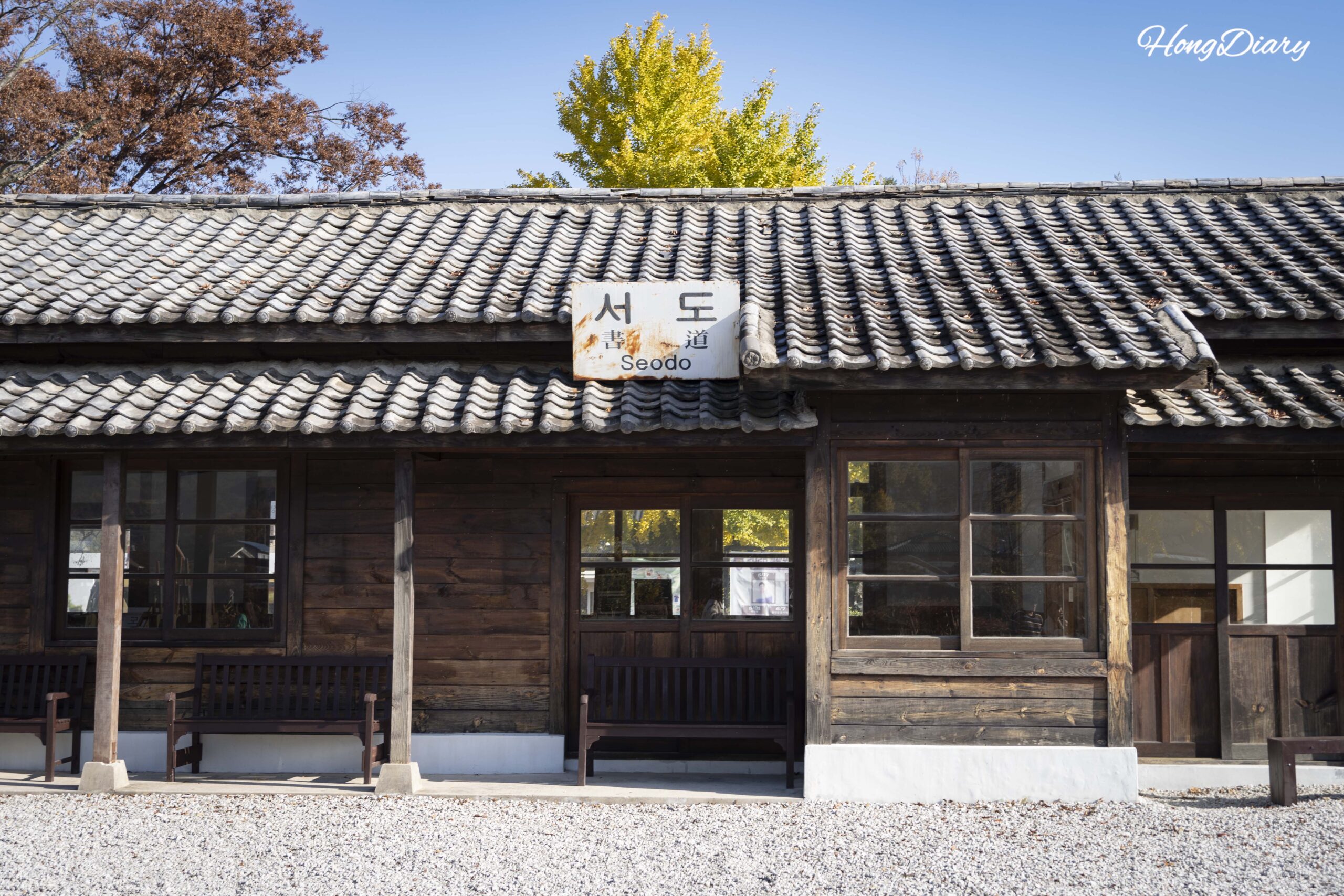
I wasn’t planning to stay long at Seodo Station Namwon. It was supposed to be a quick stop during a road trip through Korea’s countryside, maybe fifteen minutes to look around and take a couple of shots. I ended up staying over an hour, wandering the old tracks and asking strangers to take my photo — something I almost never do. The place has that kind of pull.
Seodo Station sits in a rural stretch of Namwon City, in the southeastern part of Jeollabuk-do (North Jeolla Province), roughly 240 km south of Seoul. Namwon itself is a gateway to Jirisan National Park, Korea’s largest mountain national park, and the Jeolla Line railway that once connected this region’s small towns ran directly through here.
Table of Contents
Basic Information: Address, Hours, Admission, and How to Get to Old Seodo Station in Namwon
| Detail | Info |
|---|---|
| Official Name | Old Seodo Station Film Set |
| Address | Seodo-ri, Songdong-myeon, Namwon-si, Jeollabuk-do, South Korea |
| Hours | Open 24 hours (no lighting at night — daytime visits recommended) |
| Admission | Free |
| How to Get There | From Namwon Station (KTX): taxi ~14 km, about 20 min, approximately ₩18,000 (~$13 USD / ~€11 EUR). Public buses run from Namwon but departures are infrequent and the ride takes about 50 min |
| Facilities | Restroom next to the station building. No convenience stores or shops nearby — bring your own drinks and snacks |
| Best Season | Autumn (late October to mid-November for peak foliage) |
Prices converted at approximately $1 USD ≈ ₩1,400 / €1 EUR ≈ ₩1,575 (as of September 2026). Rates may fluctuate.
More Than a Station — What Makes Namwon Worth the Trip
Most international visitors have never heard of Namwon, and that’s part of its appeal. The city is the setting of Chunhyangjeon, a Joseon Dynasty love story often called Korea’s answer to Romeo and Juliet (though it ends more favorably). Its historic garden, Gwanghalluwon, and the annual Chunhyang Festival each May are the usual draws. But beyond those headliners, Namwon is a place where Korea’s rural character still breathes — rice paddies stretch between low hills, the Yocheon River bends through the city center, and the pace of life runs noticeably slower than anywhere along the Seoul-Busan corridor.
For travelers arriving by KTX, Namwon Station connects directly from Seoul’s Yongsan Station in roughly two hours, or you can take an intercity bus from Jeonju (about one hour). Once in town, taxis are affordable and the most practical way to reach spots like Seodo Station that sit outside the city center.
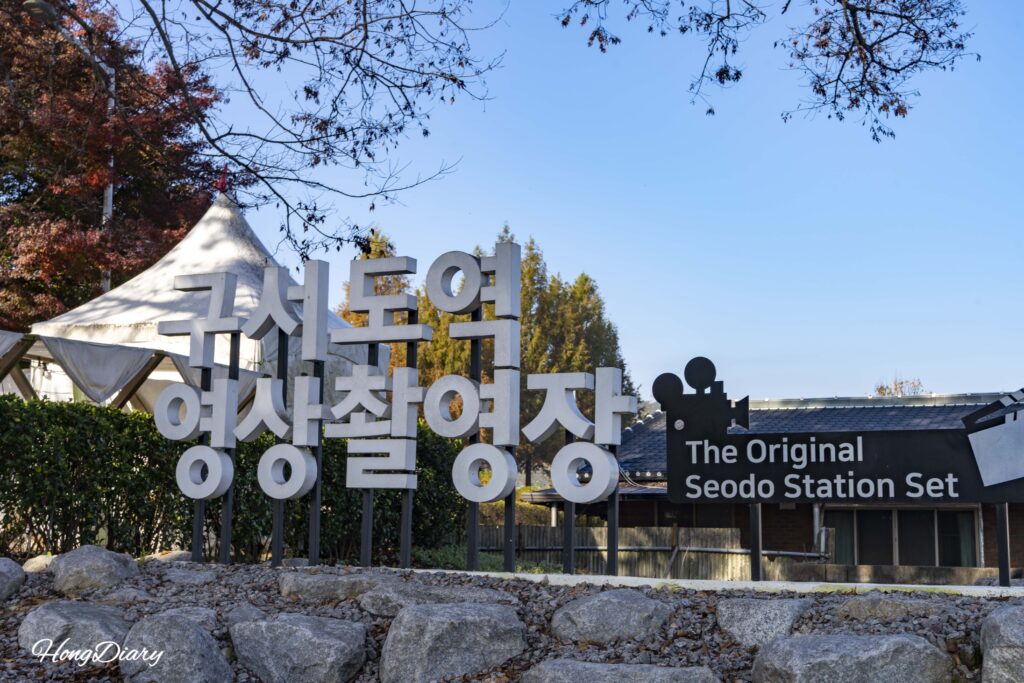
A Station Built in 1932 — And the Story It Still Tells
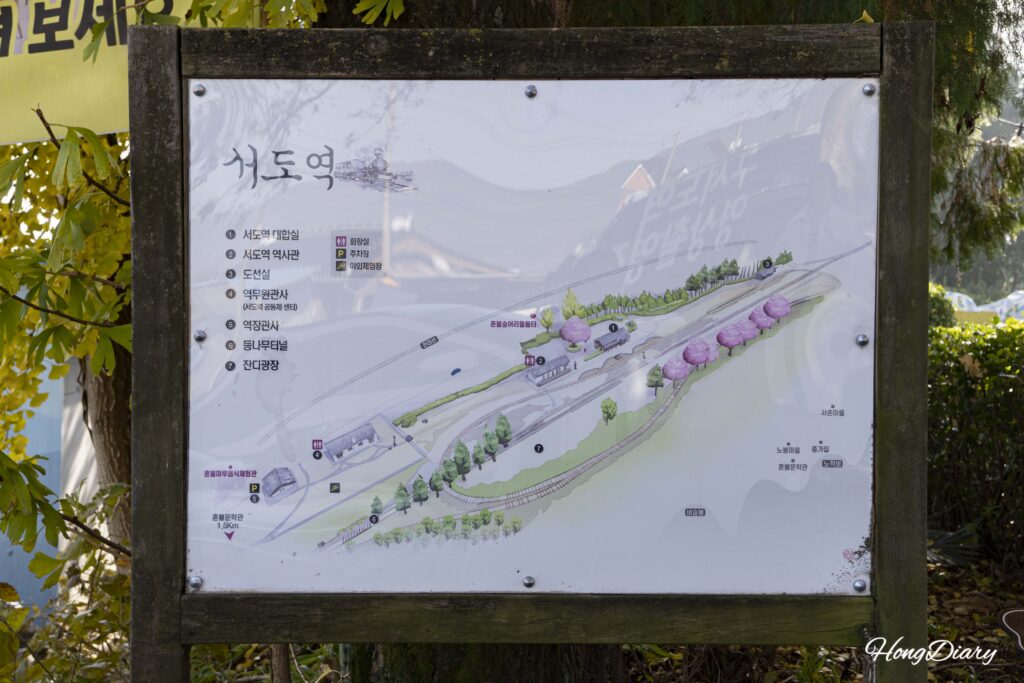
Seodo Station was established in 1932 as a small local stop along the Jeolla Line, the railway corridor linking Iksan to Yeosu through Korea’s southwestern interior. For decades, it served the farming communities scattered across this part of Namwon, handling both passengers and cargo. The station building itself was constructed entirely from wood — a style typical of rural Korean railway architecture during the Japanese colonial period (1910–1945), when many of these branch lines were first laid.
When the Jeolla Line was rerouted and modernized in the early 2000s, a new Seodo Station was built nearby, and this original structure was decommissioned. Passenger service ended in 2004, and the station officially closed in 2008. But instead of being demolished, the 1932 wooden building, its platform, and a section of the old rail tracks were left intact, making it one of the oldest surviving wooden station buildings in Korea.
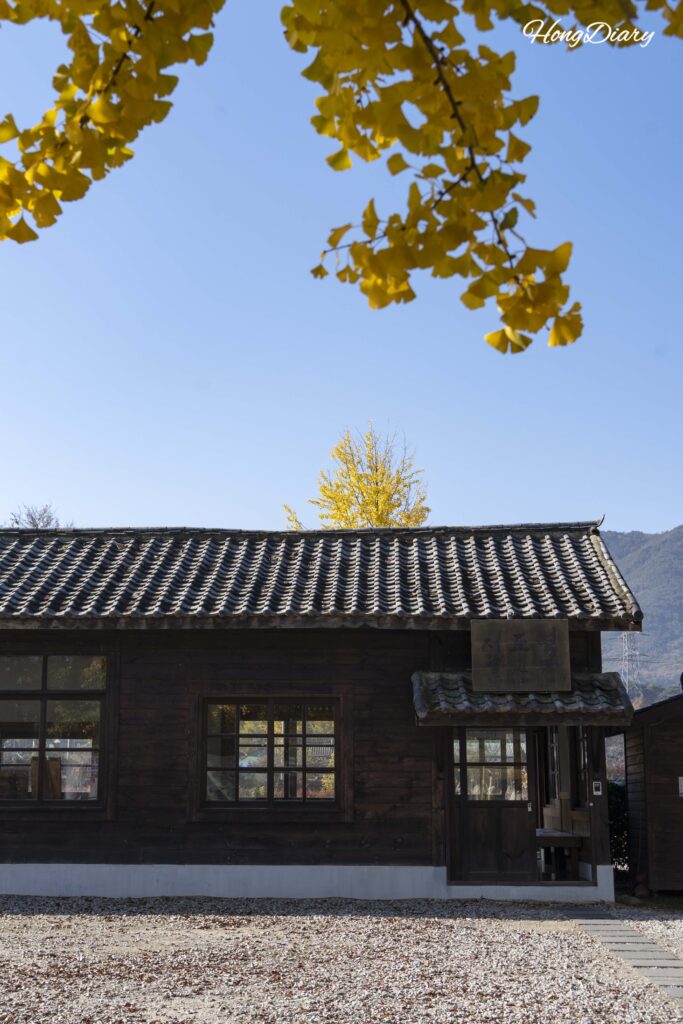
That preservation wasn’t accidental. The station also holds literary significance as a setting in Honbul (literally “Soul Fire”), a sprawling novel by Choi Myung-hee that chronicles three generations of women from the Lee clan, a local aristocratic family, during the colonial era. In the story, this station is where key characters arrive and depart — a threshold between the old world and modernity. That literary connection added a layer of cultural protection that kept the building from falling into ruin.
Stepping Inside the Wooden Station Building
The station building is compact — you can take it all in within a few minutes. But those minutes feel strangely unhurried. The interior has been carefully maintained: wooden benches line the waiting area, and the old ticket window sits behind a low counter, still framed by its original woodwork. None of it feels reconstructed or theme-parked. The scale is modest, the colors muted, and the light that filters through the windows in the afternoon gives the whole room a warm, amber tone.
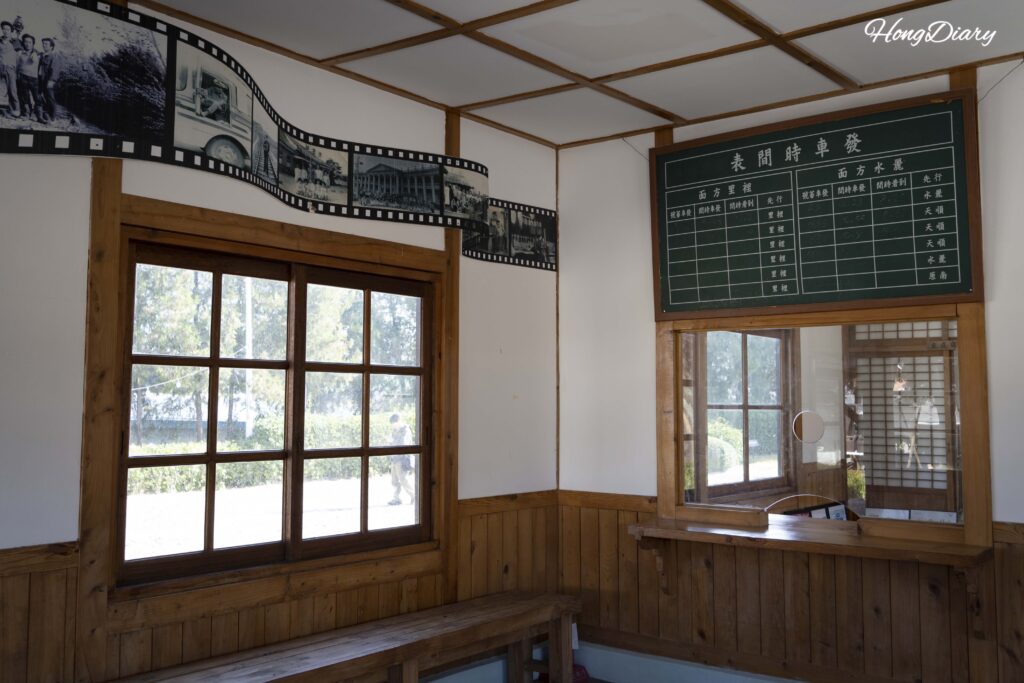
I’m not usually the type to linger in museum-like spaces, but something about sitting on one of those wooden benches and looking out toward the tracks made me want to stay. There’s no background music, no guided tour, no signage demanding your attention — just the building and whatever you bring to it.
The Mr. Sunshine Connection
If the name Mr. Sunshine rings a bell, you’ve probably encountered the 2018 Korean historical drama that became one of Netflix’s most-watched K-drama titles internationally. Written by Kim Eun-sook and starring Lee Byung-hun and Kim Tae-ri, the series is set during the final years of the Korean Empire (roughly 1900–1907) and follows a Korean-born American military officer who returns to his homeland and falls for an aristocratic woman secretly fighting for independence.
Seodo Station appears in several episodes — most notably episode 3, where the female lead Go Ae-shin first sees the male lead Eugene Choi in military uniform stepping off a train. The station also features in episodes 4 and 8. All train station scenes in the drama were filmed here, and the aged wooden architecture gave the production team a ready-made period setting without needing to build one from scratch.
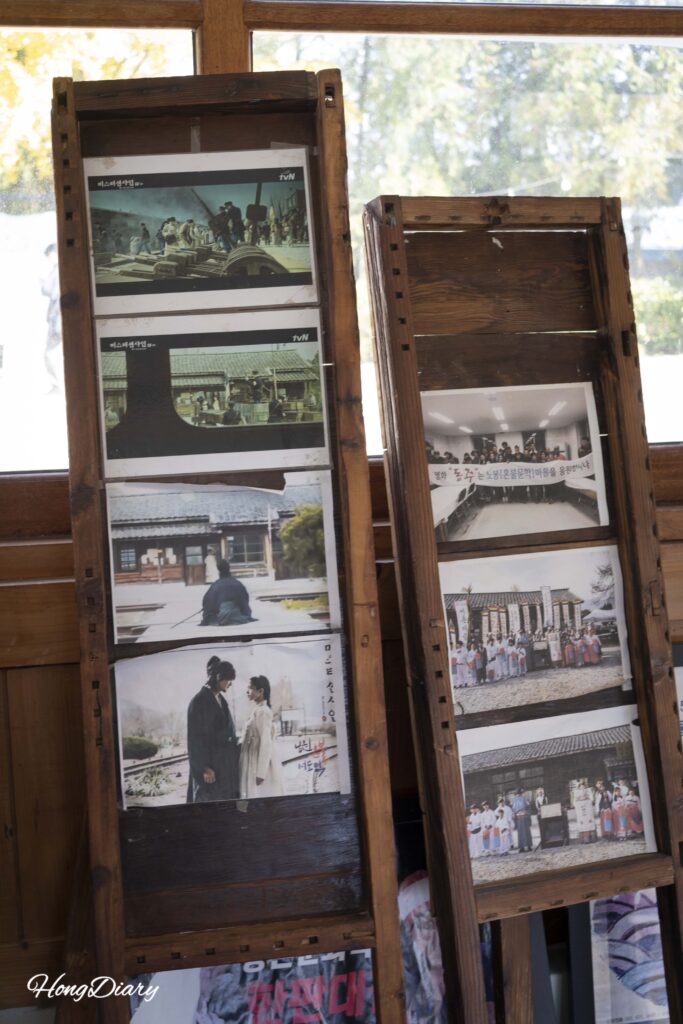
For fans who followed the series, visiting Seodo Station is something of a pilgrimage. But here’s the thing — I haven’t actually watched the show. I recognized the lead actors’ names and that was about it. And yet, the atmosphere of this place landed with me just as strongly. The station doesn’t depend on drama nostalgia to justify itself. The worn wood, the empty platform, the tracks disappearing into a tunnel of trees — all of that carries its own weight, regardless of whether you’ve seen a single episode.
If you have watched it, though, you’ll likely recognize specific angles and corners immediately. The production left a small display of behind-the-scenes photos and filming notes inside the station building, which adds context without overwhelming the space.
Where to Take Photos at Seodo Station
You don’t need a shot list to figure out where to point your camera here. The entire site reads like a set that’s been art-directed by nature and time. That said, a few spots stood out to me as especially worth your attention.
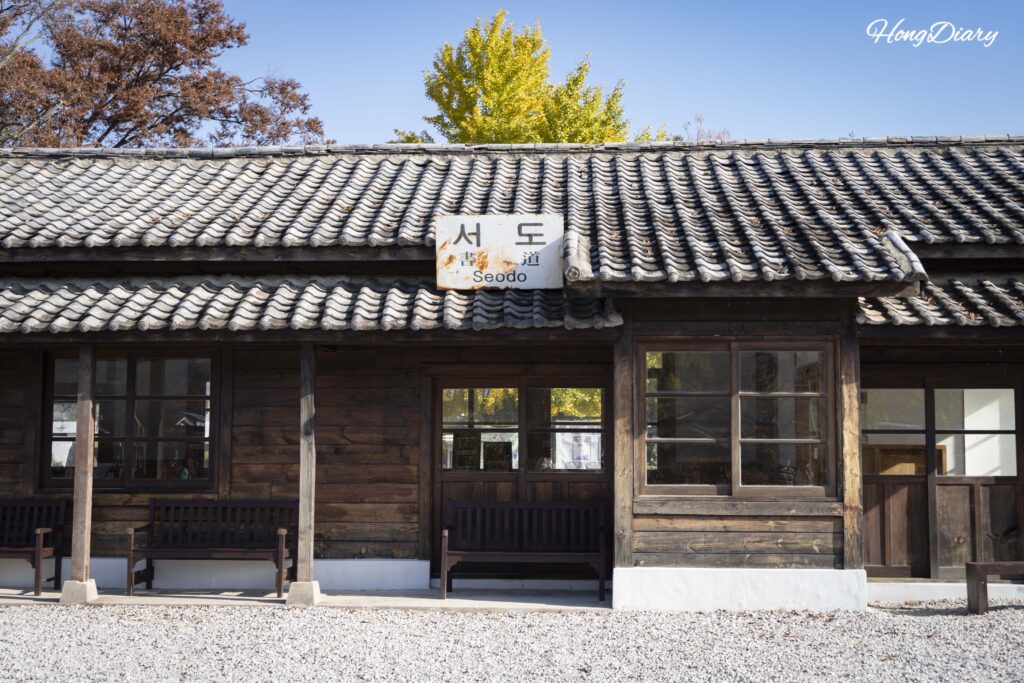
The Station Name Sign: The old wooden sign with the station name in Korean and Chinese characters is mounted on the exterior wall. It’s the kind of detail that immediately places you in a different era, and it photographs well in both close-up and wide angle with the building facade behind it.
The Waiting Room Window: Shoot from outside looking in, or from inside looking out — either direction gives you a frame-within-a-frame composition. In autumn, the golden and red foliage outside creates a natural contrast against the dark wood interior.
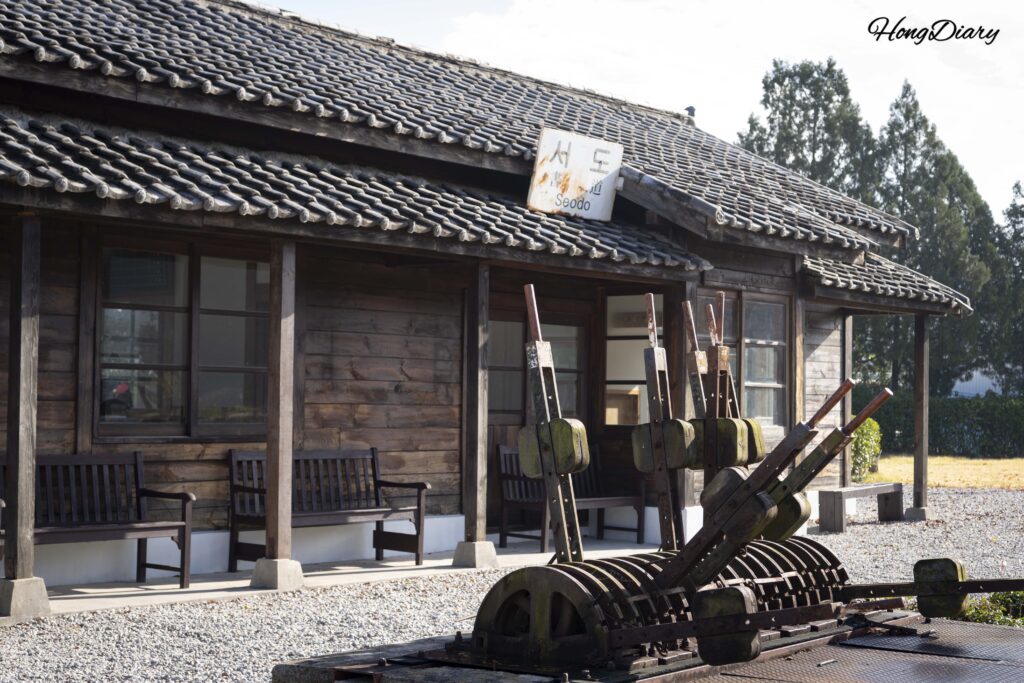
The Side Profile of the Station: Walking around to the side of the building reveals its full wooden structure against the sky. This angle captures the architectural character of the station better than the front view, and there’s usually no one standing there, so you get a clean frame.
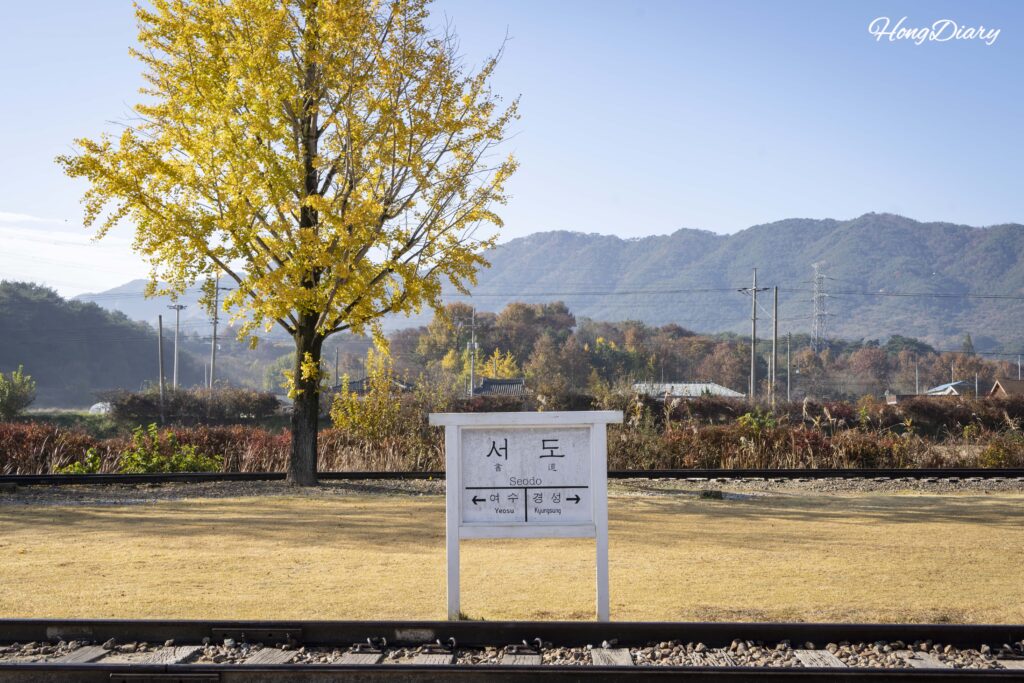
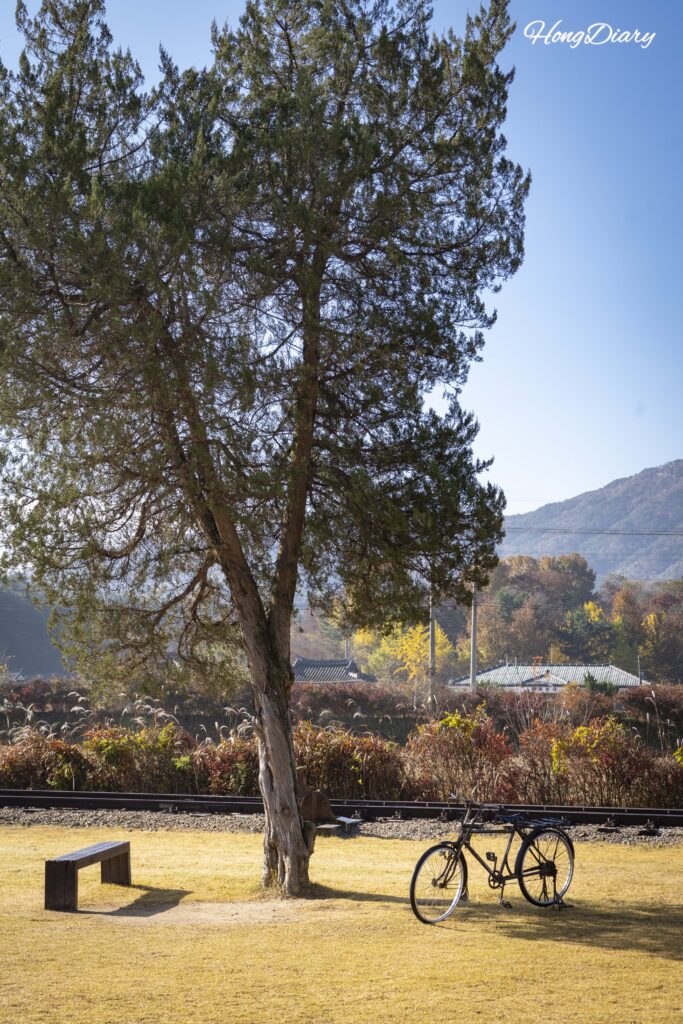
The Railway Tracks: The old tracks stretch out from the platform in both directions, flanked by grass and wildflowers. The vanishing perspective makes for a classic composition that works in any season.
The Metasequoia-Lined Path Along the Tracks
My favorite spot at Seodo Station wasn’t the building itself — it was the row of metasequoia trees (dawn redwoods) that line the railway tracks just beyond the platform. These tall, narrow conifers create a natural corridor alongside the old rails, and in autumn, their needles turn a deep russet-orange that pairs with the surrounding maple and ginkgo colors.
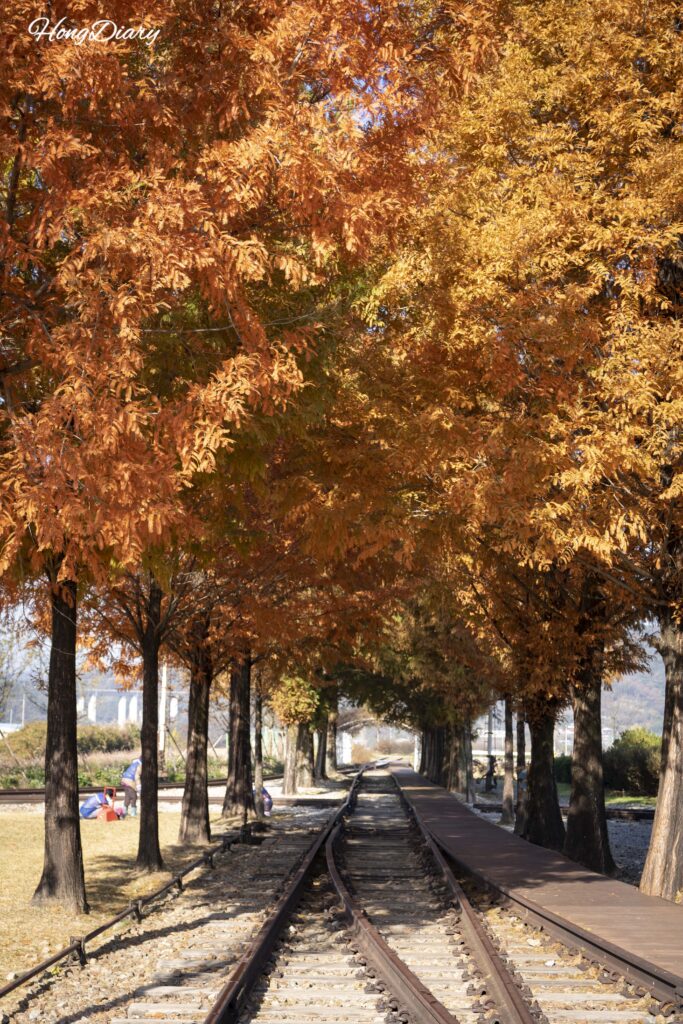
If you visit in spring, the same stretch is framed by green fields and wildflowers. Summer brings dense, layered greenery. And in winter, Namwon gets a fair amount of snow — the image of snow-covered tracks running through bare metasequoia branches is reason enough for a return visit.
When to Visit — And What to Know Before You Go
Best season: Autumn is the strongest recommendation, specifically late October through mid-November when the ginkgo trees turn yellow, the maples go red, and the metasequoias shift to bronze. The color palette of the entire site changes, and the warm afternoon light through the foliage is difficult to beat.
Weekend markets (through October): Every Saturday and Sunday through the end of October, local residents from nearby villages set up a small market in front of the station’s waiting room. They sell homemade snacks, regional produce, and handmade crafts. A small live music session runs alongside it. Hours are 10:00 AM to 5:00 PM, but the market may be canceled in bad weather.
Crowds: Because Seodo Station sits outside Namwon’s main tourist circuit, it rarely gets crowded. Weekday mornings are the quietest. Even on weekends, you’re unlikely to compete for photo angles the way you would at more popular spots in Gyeongju or Jeonju.
Practical tips:
- There are no convenience stores, cafes, or vending machines near the station. Pick up a drink or snack at a convenience store near Namwon Station before heading out.
- Restrooms are located in a small building right next to the main station structure.
- If you’re traveling solo and want full-body shots, bring a tripod — there’s no guarantee of passersby to ask, especially on weekdays.
- The station has no nighttime lighting, so plan your visit during daylight hours. Late afternoon, roughly an hour before sunset, gives the warmest light for photos.
- Ask your taxi driver to wait or arrange a pickup time — getting a return taxi from this rural location can take a while.
A Quiet Place That Stays With You
Seodo Station in Namwon doesn’t try to sell you anything. There’s no gift shop, no entrance gate, no audio guide, no themed cafe attached to it. It’s a wooden building, a stretch of old tracks, and a row of trees — and that’s enough. The fact that it has survived nearly a century without being commercialized or turned into a theme park is, in itself, remarkable.
I came here looking for autumn color and a quick photo opportunity, and I left with something quieter — a sense that some places earn their beauty simply by enduring. Whether you’re a Mr. Sunshine fan making a pilgrimage or just someone who appreciates old architecture and good light, Seodo Station is worth the detour.
If you’re building a Namwon itinerary and want to pair an outdoor stop with something completely different,
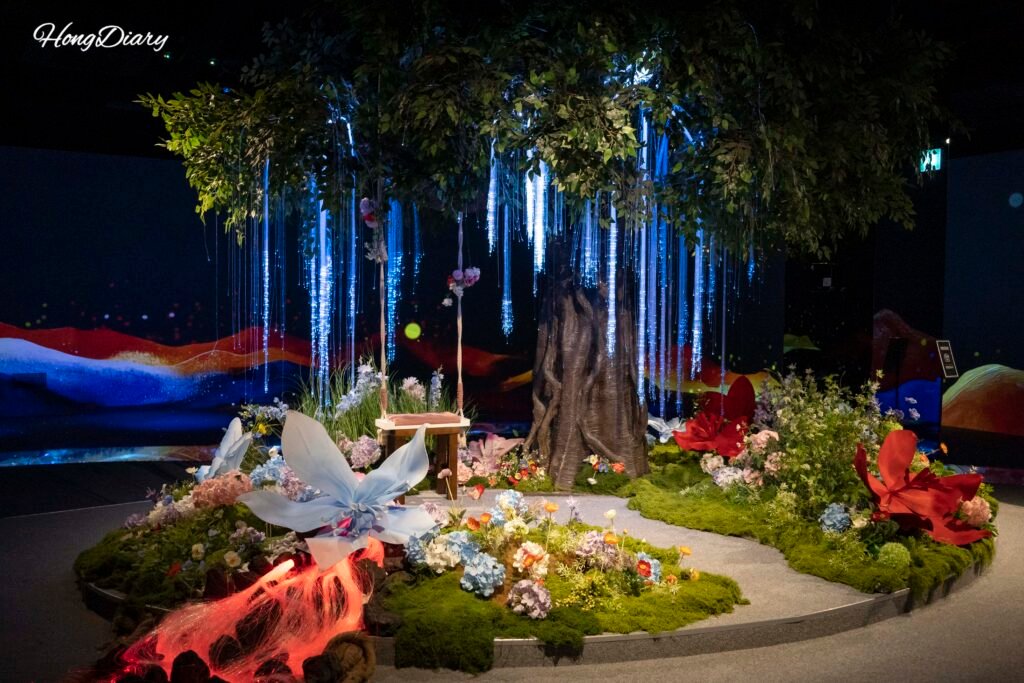
Piorium is an immersive digital art space right in the city center that makes for a compelling contrast — cutting-edge light installations just a short taxi ride from the station.
The two together give you a full picture of what Namwon does well: holding onto its past while making room for something new.
Visitor Guide & FAQ: Best Season to Visit, Photography Tips, and Practical Travel Information for Seodo Station
What is Seodo Station in Namwon, and why is it famous?
Seodo Station is a decommissioned wooden railway station built in 1932 in Namwon, Jeollabuk-do (North Jeolla Province), South Korea. It originally served as a local stop on the Jeolla Line and is one of the oldest surviving wooden station buildings in the country. It gained wider recognition as a filming location for the 2018 Korean drama Mr. Sunshine, which aired internationally on Netflix. The station, its platform, and a section of the old tracks have been preserved in their original state. Admission is free and the site is open 24 hours, though daytime visits are recommended since there is no nighttime lighting.
How do I get to Seodo Station from Seoul?
Take the KTX from Seoul’s Yongsan Station to Namwon Station — the ride takes approximately two hours. From Namwon Station, the most practical option is a taxi. The station is about 14 km away (roughly 20 minutes by car), and the taxi fare is approximately ₩18,000 (~$13 USD / ~€11 EUR). Public buses from Namwon also reach the area, but departures are infrequent and the trip takes around 50 minutes.
Is Seodo Station free to visit, and what are the opening hours?
Yes, Seodo Station is completely free to visit. The site is technically open 24 hours since it is an open-air location with no entrance gate. However, there is no installed lighting, so visiting during daylight hours is strongly recommended. Late afternoon — roughly one hour before sunset — offers the best natural light for photography.
Which scenes from Mr. Sunshine were filmed at Seodo Station?
All train station scenes in Mr. Sunshine were filmed at Seodo Station. Most notably, the station appears in episode 3, where the character Go Ae-shin first sees Eugene Choi in his military uniform stepping off a train. It also features in episodes 4 and 8. Inside the station building, there is a small display of behind-the-scenes photos and production notes from the drama’s filming.
What is the best time of year to visit Seodo Station?
Autumn — specifically late October through mid-November — is the most popular season. The ginkgo trees near the station turn golden yellow, the surrounding maples shift to red, and the metasequoia trees along the tracks take on a warm bronze tone. Every Saturday and Sunday through the end of October, a small local market with handmade goods, regional snacks, and live music operates in front of the station from 10:00 AM to 5:00 PM (canceled in bad weather). Spring offers green fields and wildflowers, summer has dense foliage, and winter occasionally blankets the tracks in snow.
Are there restaurants, cafes, or convenience stores near Seodo Station?
No. Seodo Station is in a rural area with no commercial facilities nearby — no convenience stores, cafes, or vending machines. Visitors should purchase drinks and snacks beforehand, ideally near Namwon Station or in the city center before heading out. There is a restroom in a small building right next to the main station structure.
What are the best photo spots at Seodo Station?
The entire site is photogenic, but the standout spots include: the vintage station name sign mounted on the exterior wall, the waiting room window (which creates a natural frame-within-a-frame composition), the side profile of the wooden building, and the railway tracks stretching out from the platform. The most scenic spot is the metasequoia-lined path that runs alongside the old tracks — in autumn, these tall trees create a corridor of russet and bronze that pairs with the surrounding fall foliage. Solo travelers should consider bringing a tripod, as there may not be other visitors around to help with photos, especially on weekdays.