
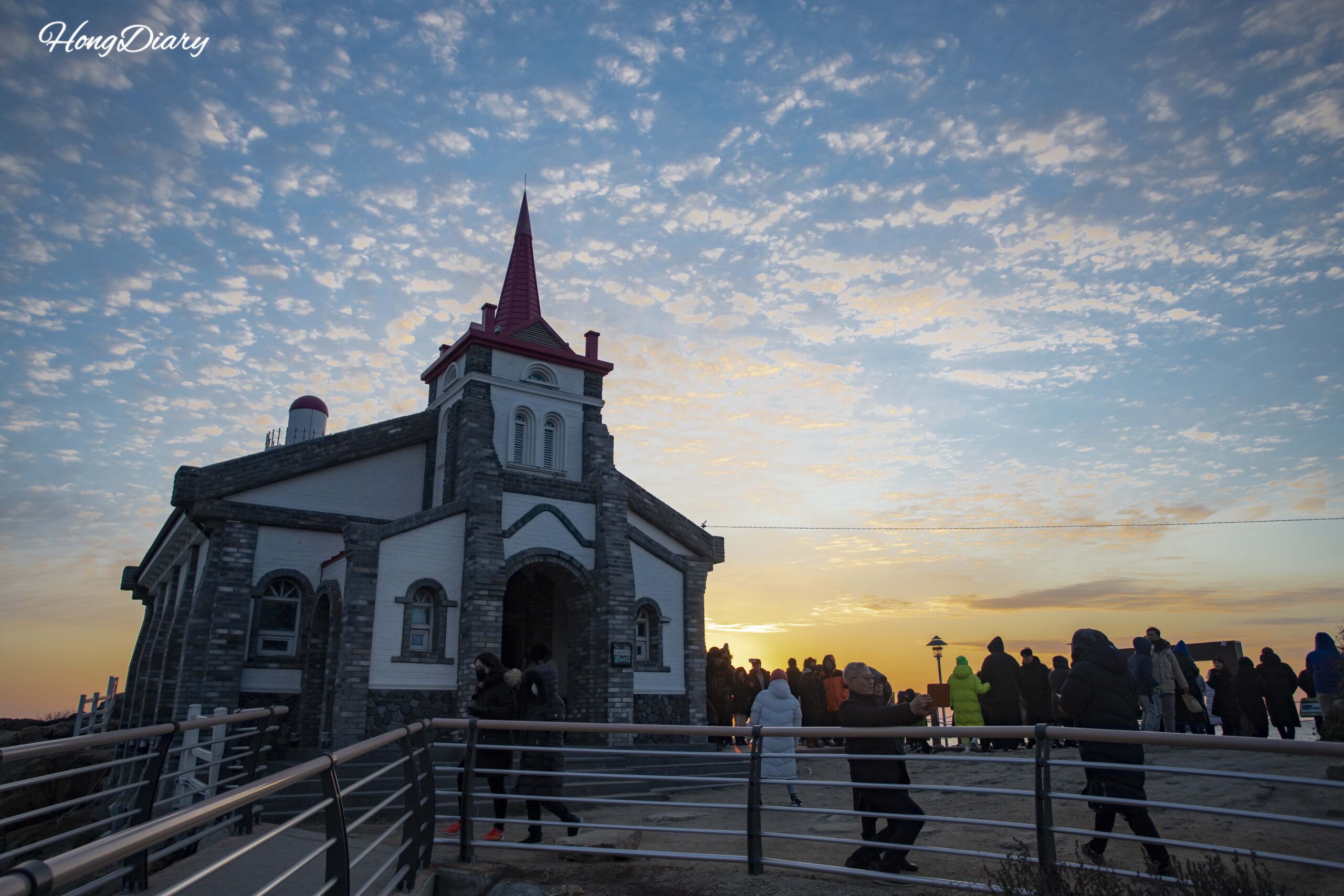
I showed up before dawn on New Year’s morning, half-awake and cold, to a clifftop in Gijang where a white church with a red roof stood against a still-dark sky. The sun hadn’t risen yet. A handful of photographers had already claimed their spots along the rocks. When the light finally broke over the East Sea and turned the sky behind the steeple orange, I understood why people make the trip. Jukseong Church Busan is one of those places that photographs better than almost anything else in the city — and it takes about fifteen minutes to see the whole thing.
That last part matters, and I’ll get to it. But first: this church is located in the small fishing village of Jukseong-ri in Gijang-eup, on the eastern coast of Gijang-gun. If you’ve driven along the Gijang coastal road or stopped at Gijang Market for crab, you’re already in the right district — Jukseong-ri sits further north along that same shoreline. Gijang-gun occupies the northeastern edge of Busan, where the city’s urban density thins out into fishing ports, rocky shorelines, and seafood stalls. This stretch of coastline feels more like a small coastal town than Korea’s second-largest city.
Table of Contents
Jukseong Church: Essential Visitor Information & Quick Facts
| Detail | Info |
|---|---|
| Name | Jukseong Church (Jukseong Dream Set) |
| Address | 134-7 Jukseong-ri, Gijang-eup, Gijang-gun, Busan |
| Admission | Free |
| Outdoor access | 24 hours, year-round |
| Indoor gallery | 09:00 – 18:00 |
| Closed | Open year-round (no regular closing days) |
| Parking | Available, but very limited space |
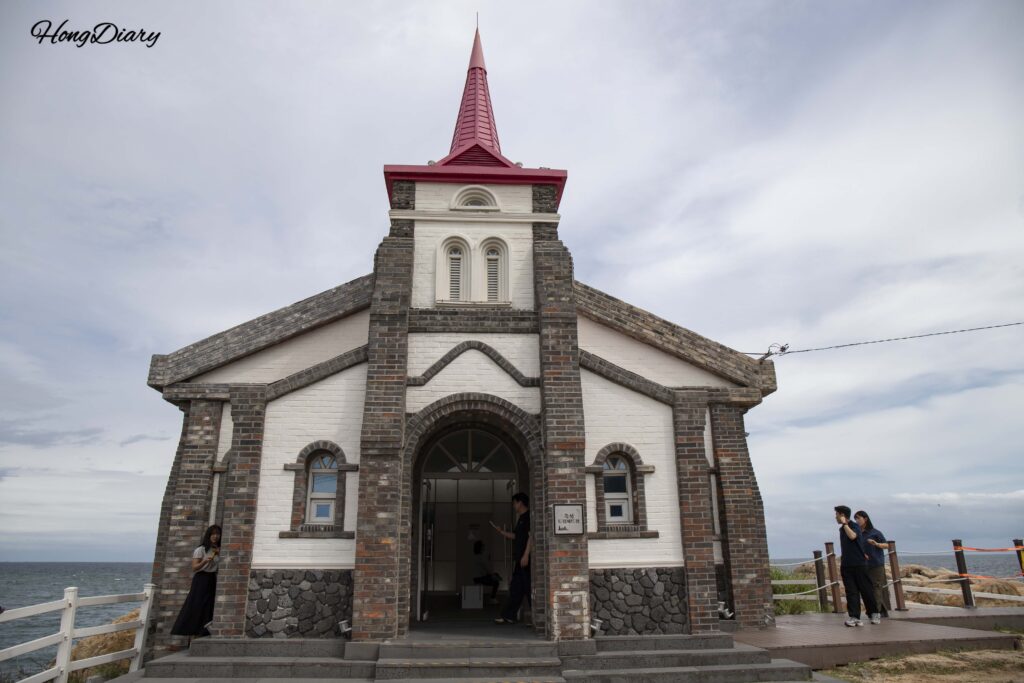
It’s Not Actually a Church
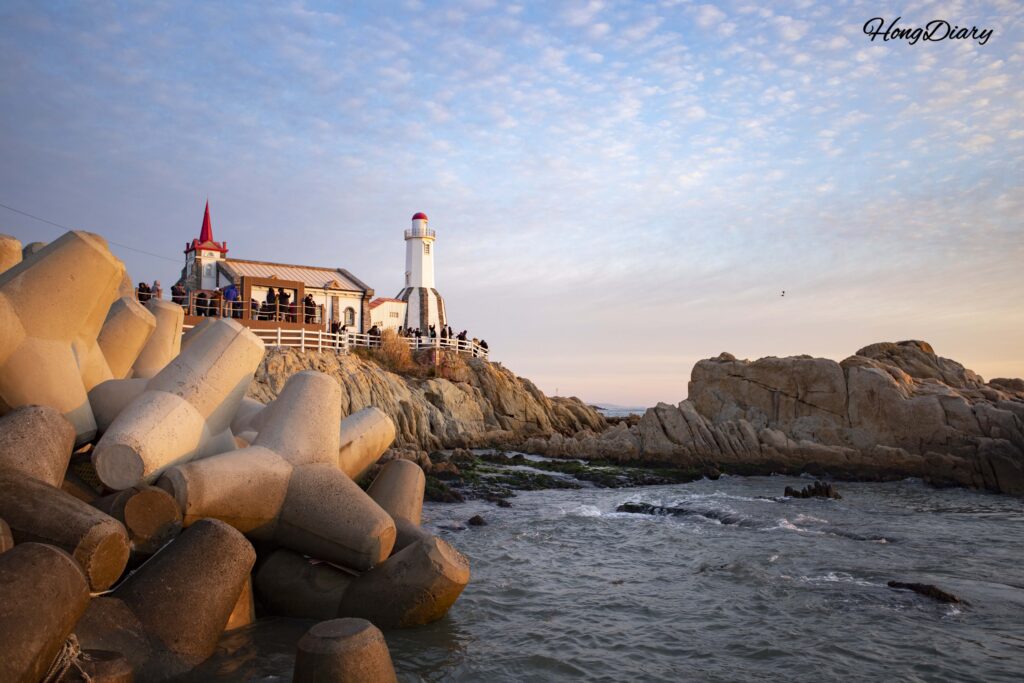
Despite its name, Jukseong Church has never held a single mass, wedding, or religious ceremony. The building was constructed in 2009 as a set for the SBS Korean drama Dream. When filming wrapped, Gijang-gun decided to keep the structure rather than tear it down. The clifftop location, the contrast of white walls against the blue sea, and the red-roofed steeple were simply too photogenic to demolish.
Over the years, it became one of Busan’s most recognizable Instagram spots — entirely by word of mouth and social media. If you search for it on a map, look for “Jukseong Dream Set” rather than the church name.
One thing long-time visitors will notice: the building was recently renovated, and during the process, the Virgin Mary statue and the cross that once decorated the exterior were removed. Even though it was never a real church, their absence does change the feel slightly. The structure is now used as a small gallery space, hosting rotating exhibitions by local Busan artists on a quarterly basis.
What to Actually Expect (An Honest Take)
I want to set realistic expectations, because this is a place that social media has built up significantly. Jukseong Church is small. The building itself, the surrounding photo zones, and the cliff area can be fully explored in about fifteen minutes. That’s not a criticism — it’s just a fact worth knowing before you plan your day around it.
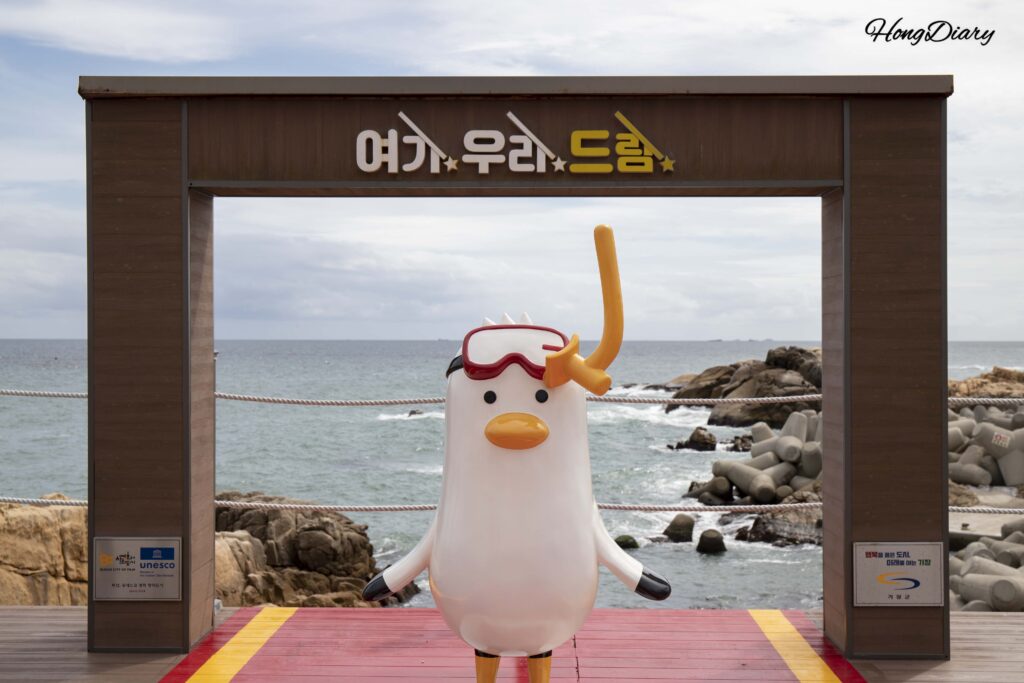
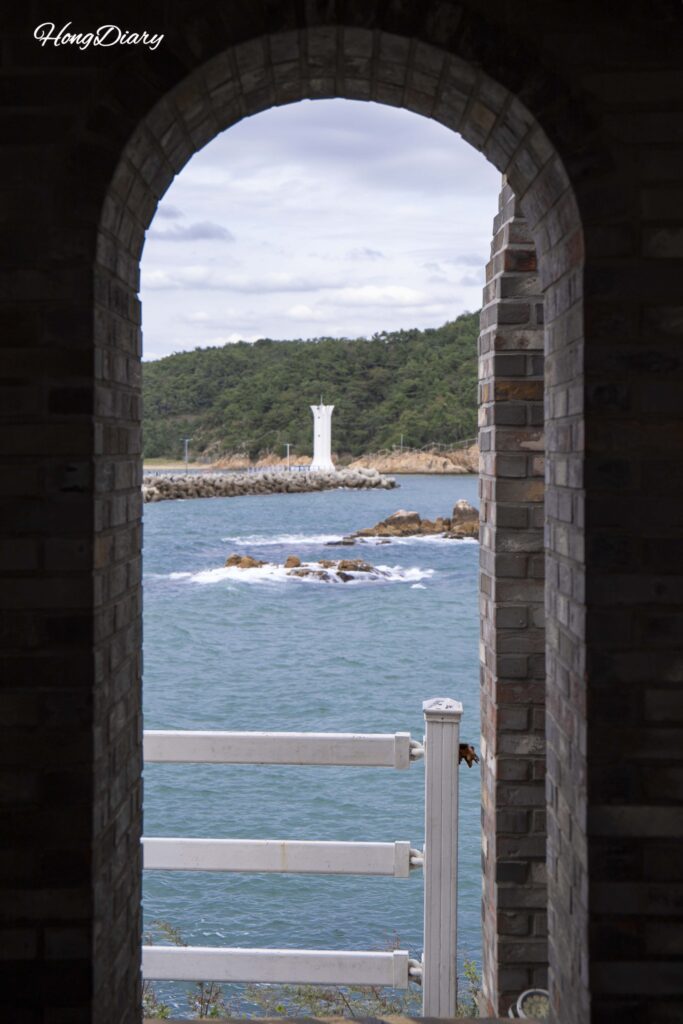
The most popular photo zones — including the iconic picture frame structure that puts the sea and sky behind you — typically have a wait of 15 to 20 minutes, weekdays and weekends alike. So the math works out to something like: fifteen minutes of waiting for your turn at a photo spot, fifteen minutes of actually looking around. If you come expecting a sprawling attraction, you’ll walk away disappointed. If you come expecting a quick, photogenic stop along a coastal drive, you’ll leave satisfied.
Parking is tight. The lot near the entrance is small, and on busy days it fills up fast. If you’re driving, arriving early helps — and if you’re visiting for sunrise, parking won’t be an issue.
The Sunrise That Changes Everything
Here’s where Jukseong Church earns its reputation beyond just another Instagram backdrop. Because the church faces east over the open sea, sunrise is the moment this place transforms.
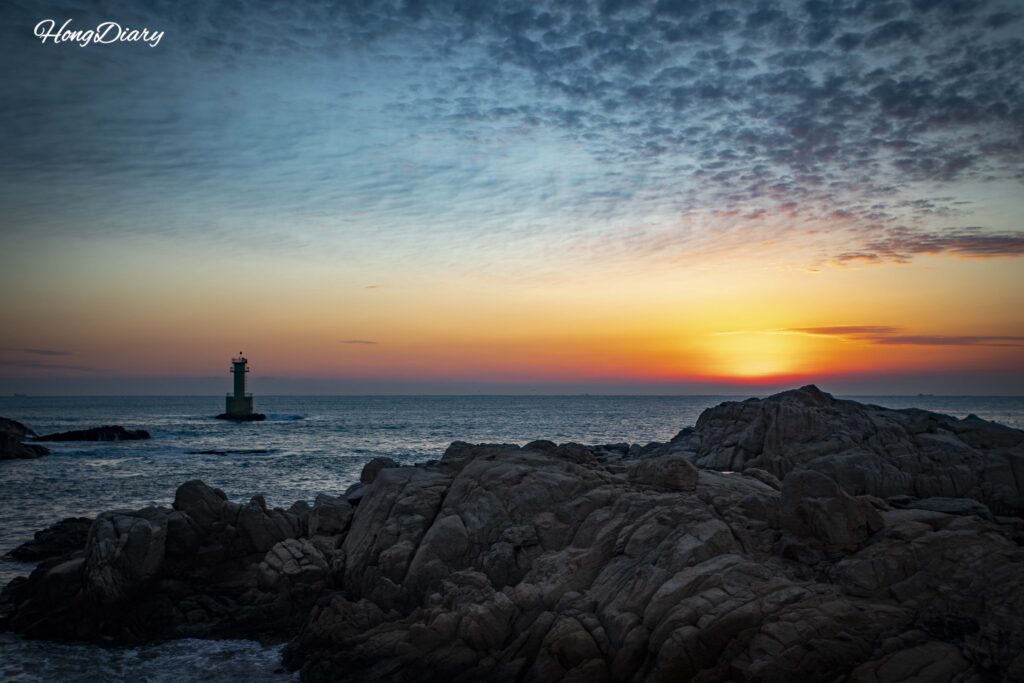
I visited on New Year’s morning, and the scene was entirely different from what daytime photos suggest. The steeple turned into a silhouette. The sky shifted from dark blue to orange to pink. The lighthouse nearby caught the first light. Photographers lined the rocks and the breakwater, waiting for the exact moment when the sun cleared the horizon behind the church.
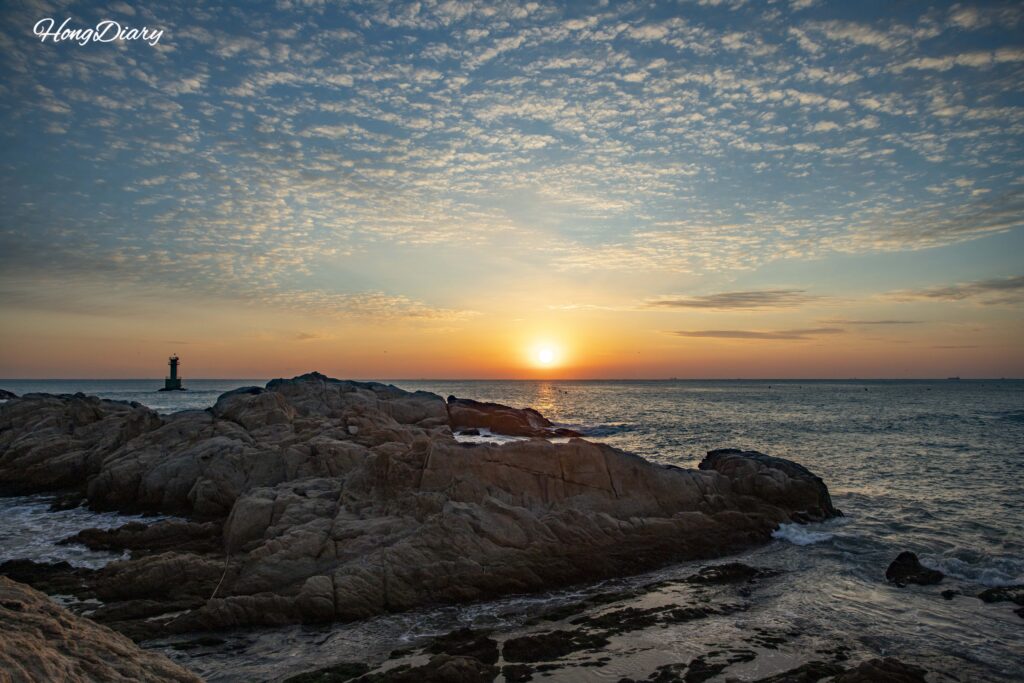
If you’re considering a sunrise visit, Jukseong Church is one of Busan’s better spots for it. Its east-facing position on the Gijang coast gives you a clean, unobstructed view of the sun rising directly behind the building. Dawn photographers have been coming here for years specifically for this shot.
Getting There
By car, the church is about a 20-minute taxi ride from the Osiria/Lotte World area along the Gijang coastal road. From Haeundae, it takes roughly 40 to 50 minutes depending on traffic.
By public transit, take the Donghae Line to Gijang Station. Exit through Gate 1, walk 320 meters to the Gijang Catholic Church bus stop, and board Village Bus No. 6. Ride 7 stops (~10 minutes), get off at Duho Haenyeo Welfare Center, and walk 250 meters (~3 minutes) to arrive.
By taxi from Gijang Station, the ride takes about 10 minutes and costs around ₩6,000 (~$4 USD / €3 EUR). As with other areas in Busan, using KakaoTaxi or Uber locks in the fare in advance.
What’s Nearby
Jukseong Church works best as part of a longer Gijang coastal drive rather than a standalone destination. Within walking distance, you’ll find several seafood stalls (pojangmacha) along the road, ocean-view cafes, and the Duho Mural Village — a small painted village worth a 10-minute stroll.
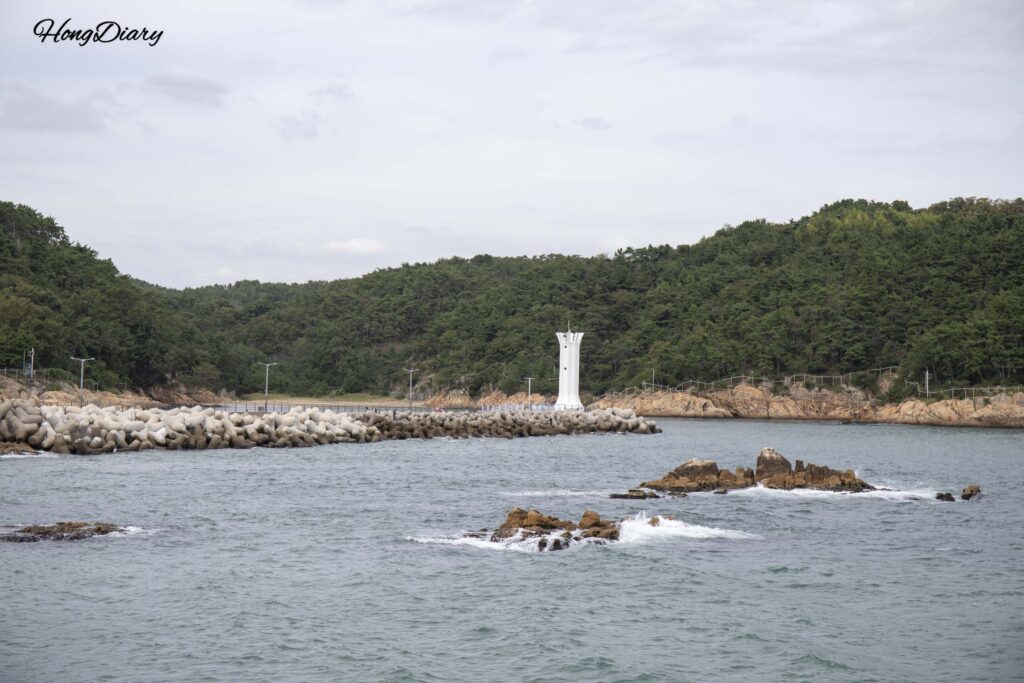
If you’re driving the Gijang coastline, the area between Yeonhwa-ri and Imrang Beach is known for a unique “lighthouse tour” — a 15 km route passing nine distinctively shaped lighthouses, from a baby-bottle lighthouse (built to promote childbirth) to a baseball-themed one. Jukseong Church sits right along this route, making it a natural stop rather than a detour.
For more of Gijang-gun’s highlights, the district pairs well with a few other spots worth the trip.
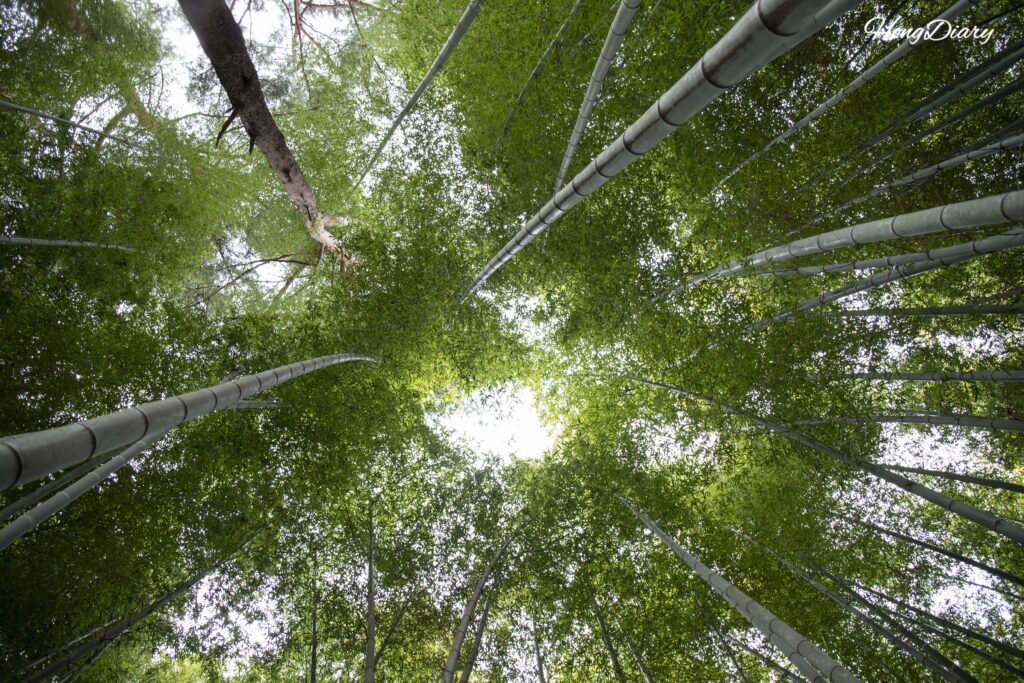
Ahopsan Forest is a 400-year-old private bamboo forest about 30 minutes inland — a completely different atmosphere from the coast, with a full two-hour walking trail through bamboo groves and century-old pines.
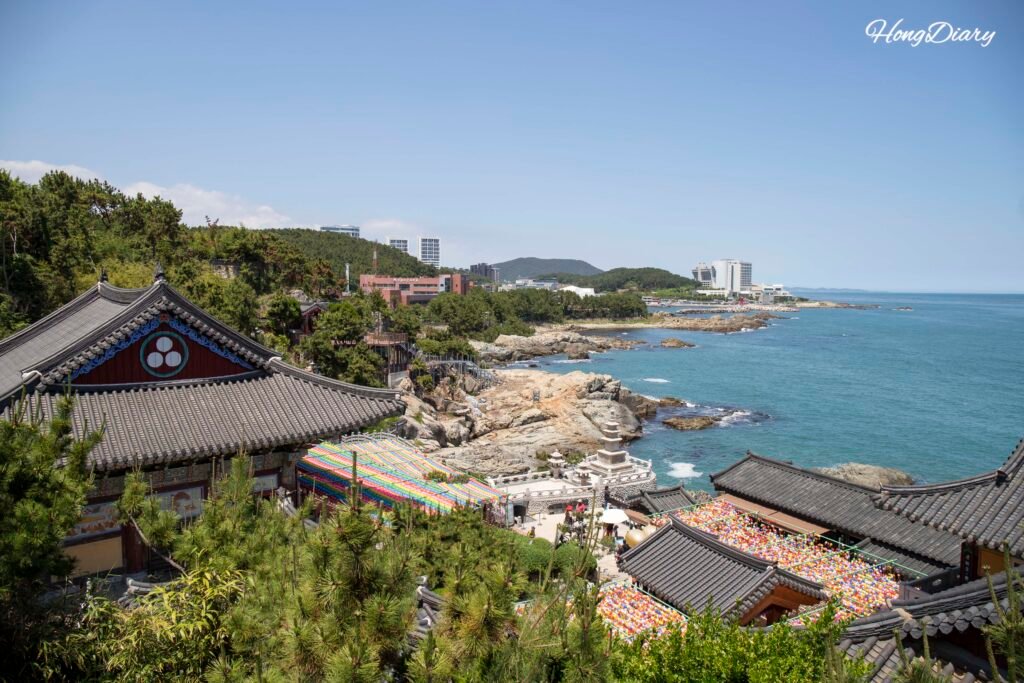
Closer to the shore, Haedong Yonggungsa is a seaside temple where the ocean meets carved stone steps — the kind of place that earns its crowds and pairs well with the quieter vibe of Jukseong.
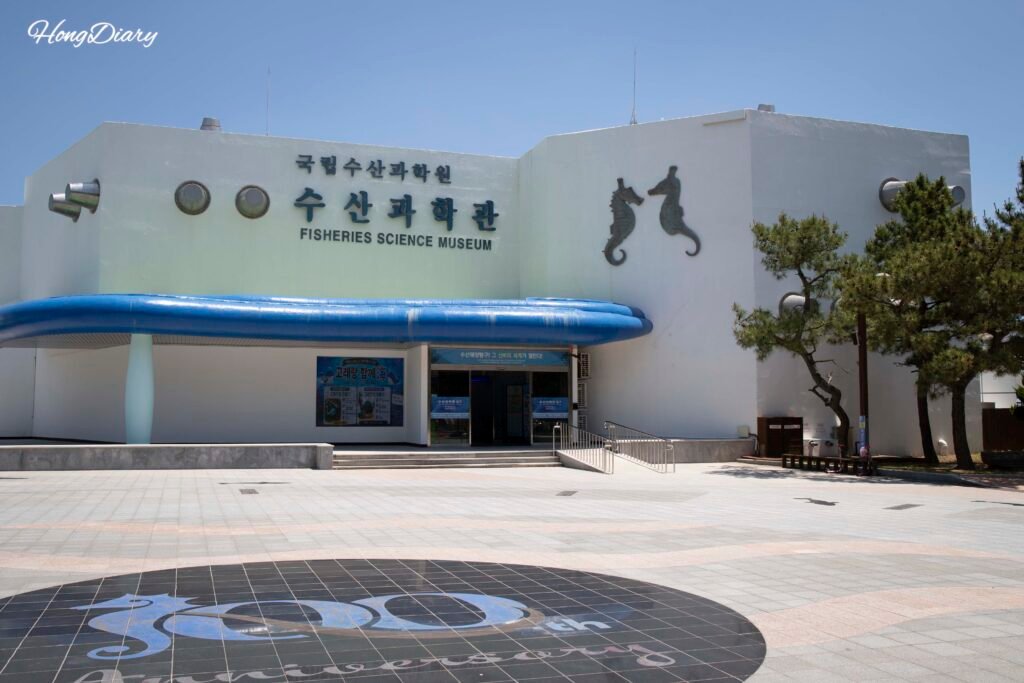
Just a short walk from the temple, the Fisheries Science Museum is a free museum with an unexpectedly large whale skeleton on display and wide views of the Gijang coastline from its upper floors.
Jukseong Church Busan isn’t the kind of place you spend half a day at. But catch it at the right moment — when the sun is rising behind that red roof, when the sea is still and the sky is on fire — and those fifteen minutes stay with you far longer than they should.
Frequently Asked Questions (FAQ) About Jukseong Church
Is Jukseong Church in Busan a real church?
No. Despite its name, Jukseong Church has never functioned as a place of worship. It was built in 2009 as a filming set for the SBS Korean drama Dream. After production ended, the local government of Gijang-gun chose to preserve the structure due to its photogenic location on the coastal cliffs. Today, the interior operates as a small gallery featuring rotating exhibitions by local Busan artists.
How much does it cost to visit Jukseong Church?
Admission is completely free. The outdoor grounds and photo zones are open 24 hours a day, year-round. The indoor gallery space operates from 09:00 to 18:00.
How long does it take to see Jukseong Church?
The entire site can be explored in about 15 minutes. The building, the surrounding photo zones, and the cliff area are compact. However, wait times at the most popular photo spots typically run 15 to 20 minutes regardless of the day, so factor that into your visit.
Is Jukseong Church a good spot for sunrise photography?
Yes — it’s one of the better sunrise locations in Busan. The church faces east over the open sea, giving photographers a clean, unobstructed view of the sun rising directly behind the steeple. Dawn is when the site looks most dramatic, and it draws regular sunrise photography visitors year-round.
How do I get to Jukseong Church from central Busan?
By car, it’s about 40 to 50 minutes from Haeundae along the Gijang coastal road. By public transit, take the Donghae Line to Gijang Station (Exit 1), walk to the Gijang Catholic Church bus stop, and board Village Bus No. 6 for about 10 minutes. By taxi from Gijang Station, it costs roughly ₩6,000 (~$4 USD / €3 EUR) and takes about 10 minutes.
What else is there to do near Jukseong Church?
Within walking distance, there are seafood stalls (pojangmacha), ocean-view cafes, and the Duho Mural Village. The church also sits along the Gijang lighthouse tour route — a 15 km coastal drive passing nine uniquely designed lighthouses between Yeonhwa-ri and Imrang Beach.
Is Jukseong Church worth visiting, or is it overhyped?
It depends on your expectations. If you arrive expecting a large-scale attraction, you may be disappointed — the site is small and can be fully seen in 15 minutes. But as a quick, photogenic stop along a Gijang coastal drive, or as a sunrise photography destination, it delivers. The key is treating it as one stop on a longer itinerary rather than the main event.