
Most people walk past the Busan Modern History Museum without a second look. It sits on a side street in Nampo-dong, easy to mistake for just another government building. But this is the former Bank of Korea Busan Branch — a designated cultural heritage structure — and the museum inside it is one of the most underrated spots in the city. The permanent exhibitions are well done, the rotating shows change often enough to keep regulars coming back, and there’s an actual bank vault in the basement that’s been converted into an art gallery. Everything is free.
This is my most-visited museum in Busan. I stop in whenever I’m in the Nampo-dong area, and I’ve never once felt like I wasted the time.
The museum sits at 112 Daecheong-ro in Jung-gu, the historic downtown core of Busan. It’s a seven-minute walk from Jungang Station (Subway Line 1, Exit 5), heading in the direction of Yongdusan Park. The Nampo-dong and Gukje Market neighborhood surrounds it — one of the most walkable areas in the city for food, shopping, and sightseeing. For travelers stuck with a rainy day or looking for a break from the outdoor heat of a Busan summer, this museum is an ideal indoor stop that works on its own or as the anchor for a half-day itinerary in the area.
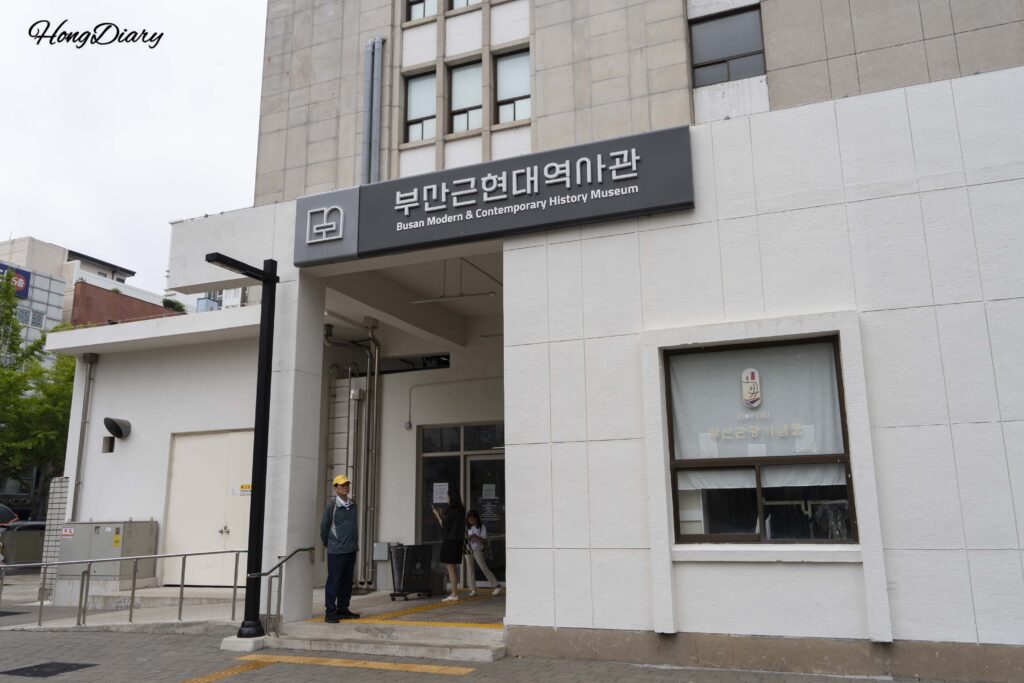
Table of Contents
Visitor Info & Transport
| Detail | Info |
|---|---|
| Address | [Main] 112 Daecheong-ro, Jung-gu, Busan (former Bank of Korea Busan Branch, Cultural Heritage Material No. 70) |
| Address | [Annex] 104 Daecheong-ro, Jung-gu, Busan (former Oriental Development Company, Monument No. 49) |
| Hours | 09:00 – 18:00 (last entry at 17:00) |
| Closed | Every Monday and January 1 |
| Admission | Free (all exhibitions, all floors) |
| Getting There(Subway) | Subway Line 1 → Jungang Station Exit 5 → 7 min walk toward Yongdusan Park |
| Getting There(Bus) | Bus 40 or 81 → Gukje Market / Busan Modern History Museum stop |
| Parking | No on-site parking. Use Yongdusan Public Parking nearby |
| Time Needed | 1.5–2.5 hours (main building + annex + cafe) |
The Building Itself Is Part of the Story
Before you even look at an exhibit, the building deserves a moment. The main building was constructed as the Bank of Korea’s Busan headquarters and is now listed as Busan Cultural Heritage Material No. 70. It’s not a replica or a themed space — the architecture, the structural bones, the proportions of the rooms all belong to the original bank. The museum was built around what already existed, and that decision shapes the entire experience.
The layout runs from the basement to the fourth floor:
| Floor | What’s There |
|---|---|
| B1 | Vault Art Gallery (inside the actual bank vault) |
| 1F | Casa Busano cafe, gift shop, Bank of Korea Archive Room |
| Mezzanine | Children’s interactive gallery (Deullak Nallak) |
| 2F | Special exhibitions (rotating) |
| 3F | Permanent Exhibition 1 — Modern Busan |
| 4F | Permanent Exhibition 2 — Contemporary Busan |
I’d recommend starting on the third floor and working your way up to the fourth, then coming back down through each level. Save the vault for last — it hits differently after you’ve walked through the history upstairs.
Gallery 1: Modern Busan — Open Port to Colonial City (3F)
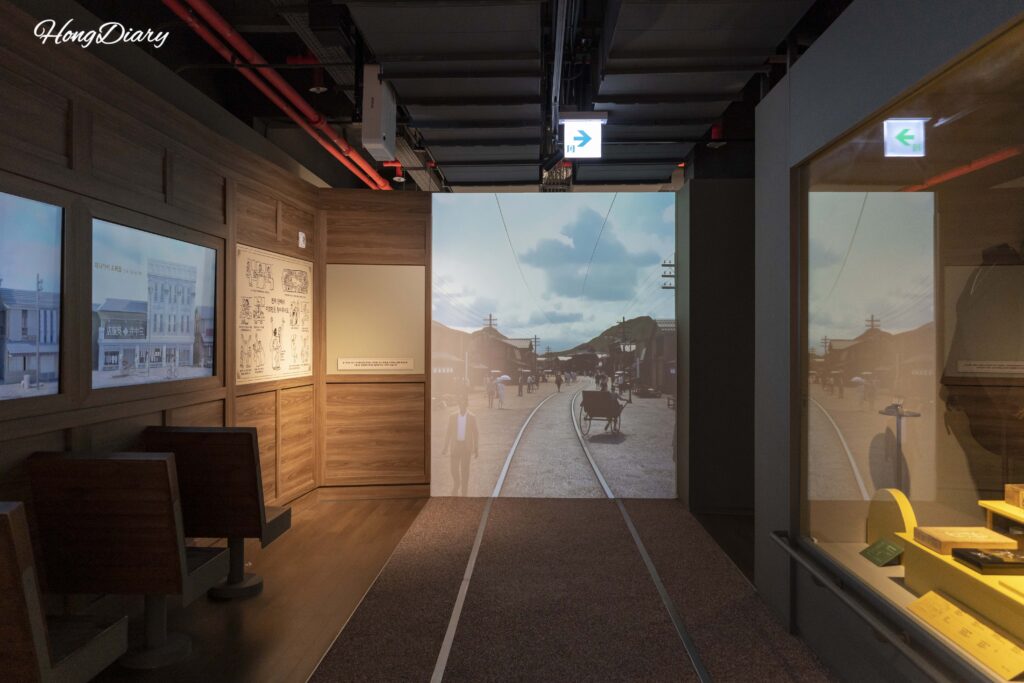
The third floor covers “Modern City Busan” — the period from the opening of the port in the late 1800s through the Japanese colonial era. Digital recreations of old Busan streets line the walls, and glass cases hold documents, photographs, and everyday objects from the time.
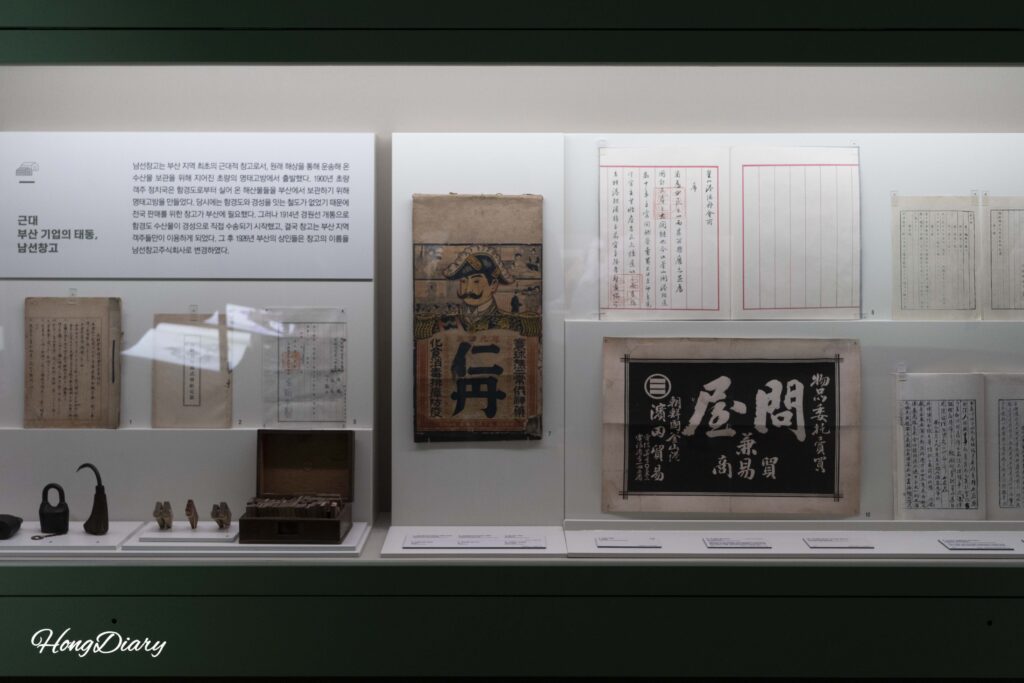
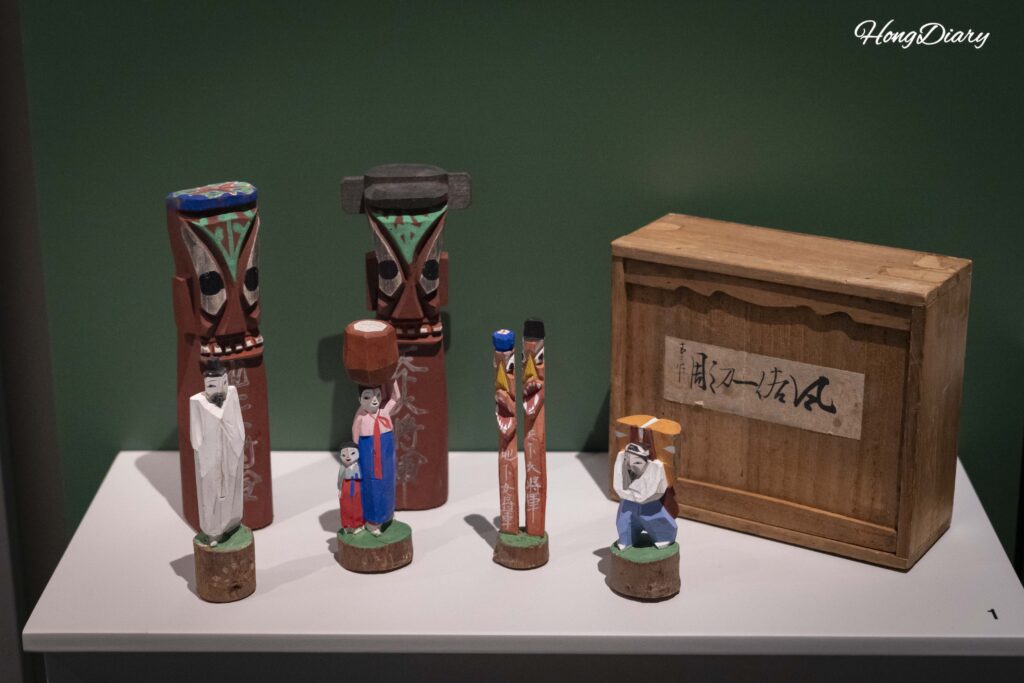
What stood out to me wasn’t the big historical narratives but the smaller details: business signs from early Korean enterprises, household items, woodcraft and ceramics that show what daily life looked like when the city was being reshaped by outside forces. There’s a section on how Busan residents experienced the port opening — not from a textbook perspective, but through the things they used and the spaces they lived in.
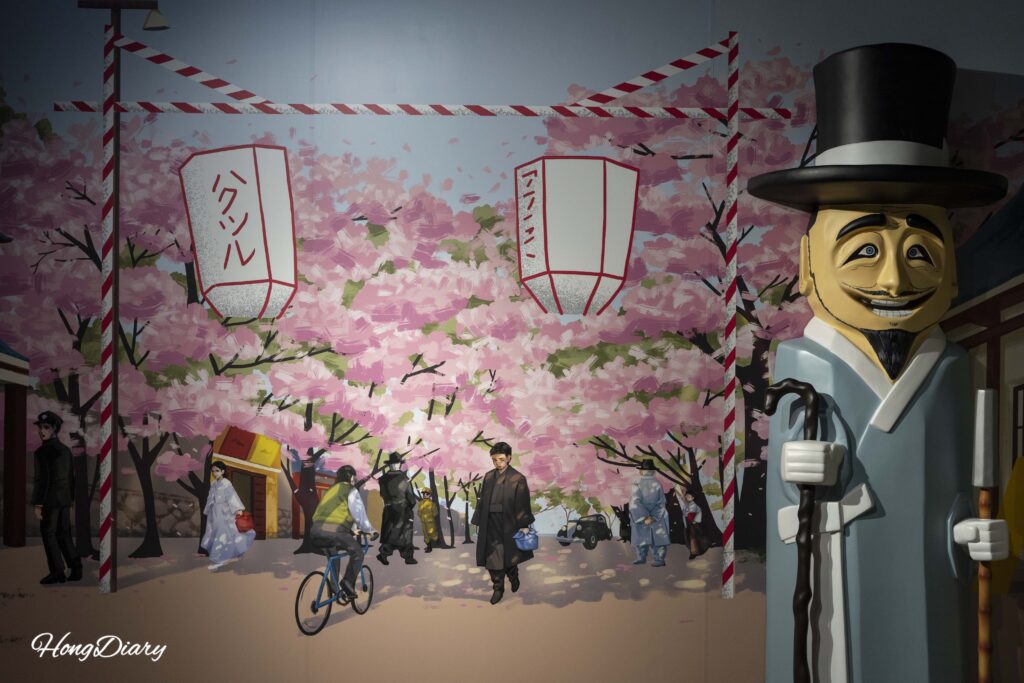
One corner of the third floor includes a recreation of a missionary’s home from the period, set up as a photo spot. It’s a small detail, but it works — you can step into a space that looks the way it might have a century ago and take a picture that actually has some context behind it.
Gallery 2: Contemporary Busan — Wartime Capital to Democracy (4F)
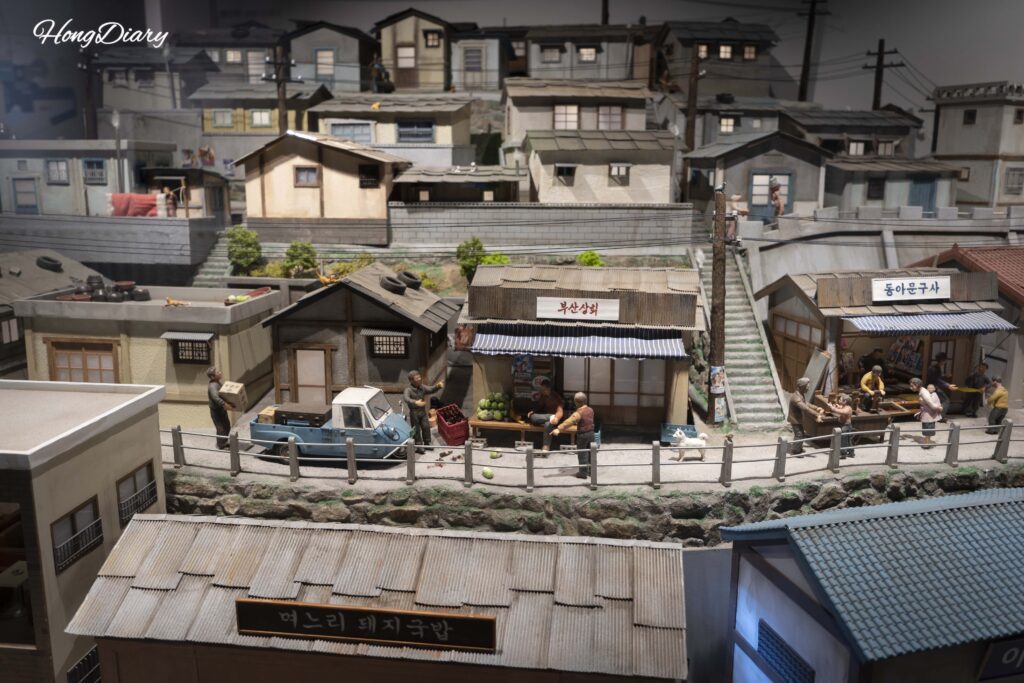
The fourth floor picks up from liberation in 1945 and runs through industrialization, the Korean War, and the democratic movements of the 1970s and 80s. This is the floor that gives the museum its emotional weight.
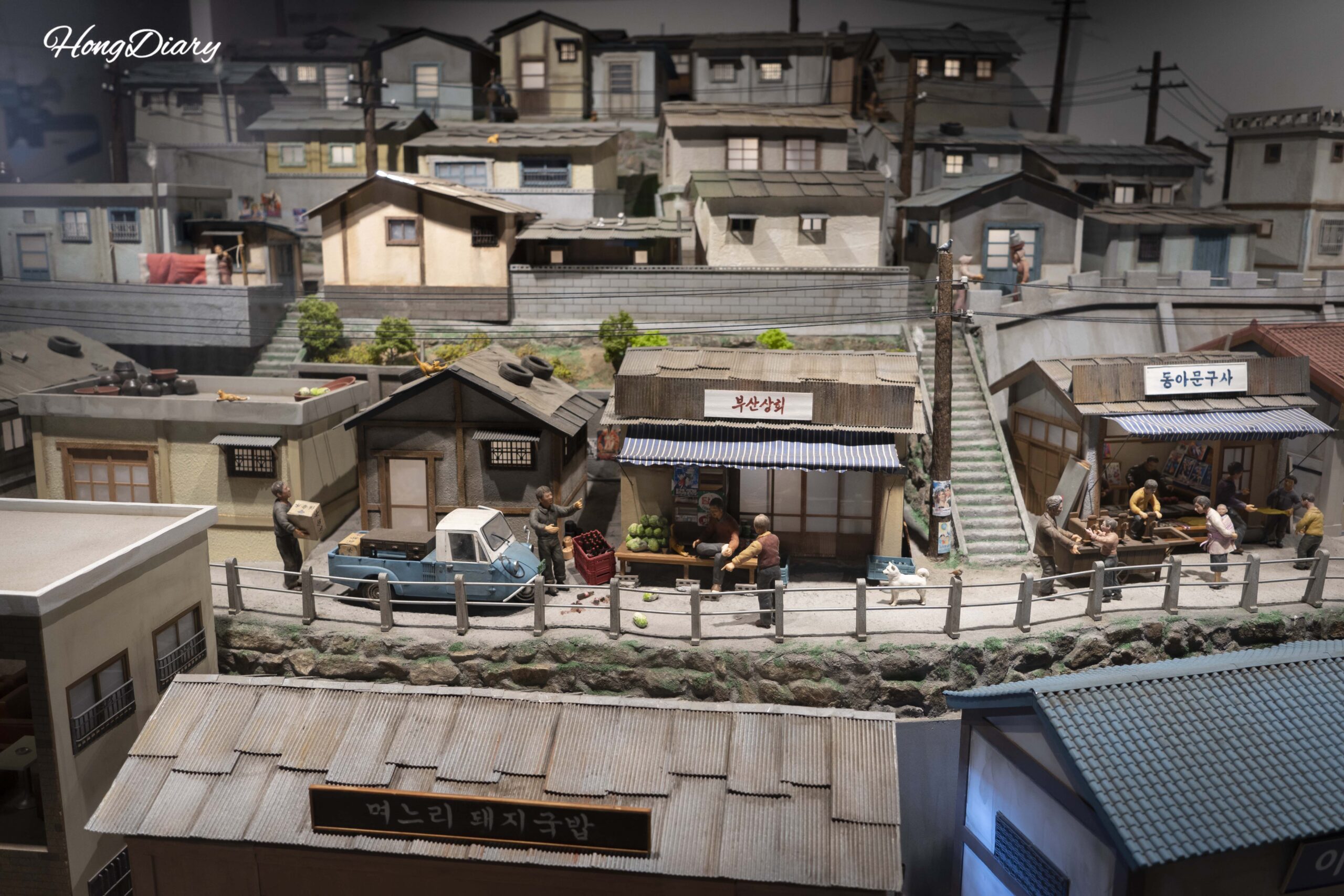
During the Korean War, Busan served as the temporary capital of South Korea — the last major city that wasn’t under North Korean control. That chapter of the city’s identity is central to this gallery, and the museum handles it without being heavy-handed. Miniatures of Busan’s hillside neighborhoods — the sanbok-doro, or mountain-slope roads that still define parts of the city — are displayed alongside photos and documents from the era.
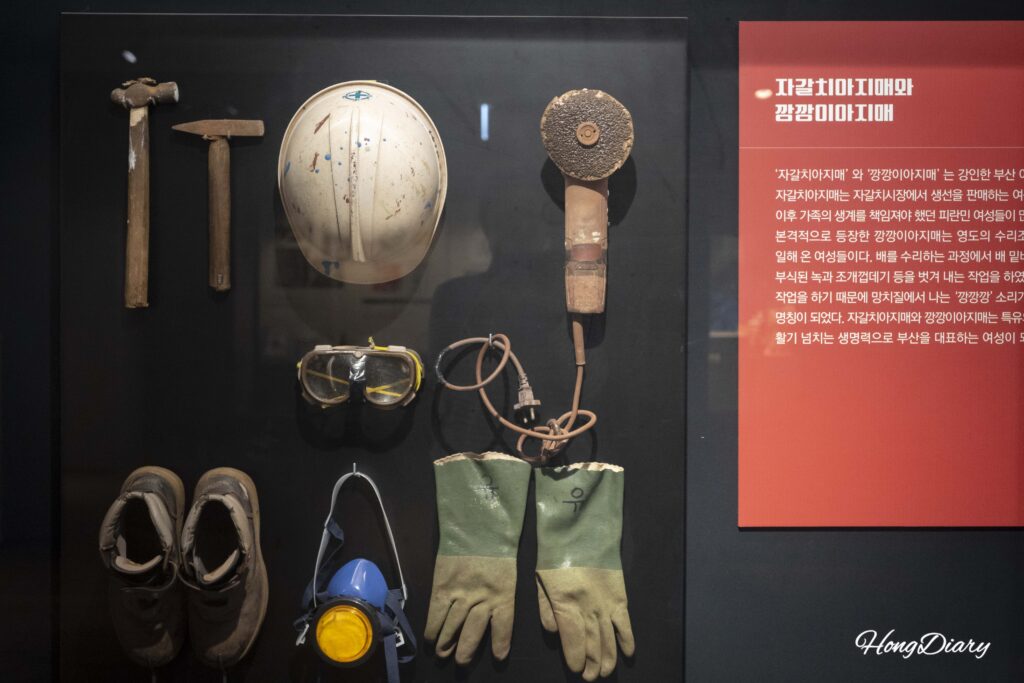
There’s also a section on Yeongdo’s shipyard heritage, featuring the tools and equipment from the kkangtong — the old riveting and repair workshops that once powered the island’s maritime industry. And the story doesn’t end there: the gallery follows the thread from wartime survival through rapid industrialization to the Buma Democratic Uprising of 1979, one of the most significant pro-democracy events in Korean history, which started right here in Busan.
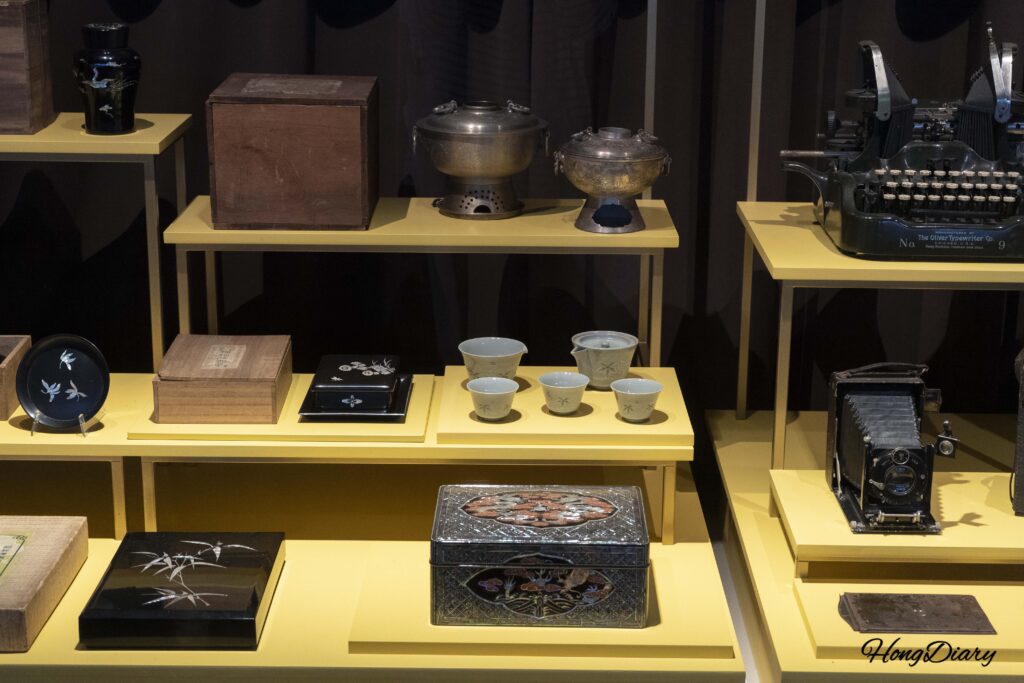
Alongside the political history, Korean crafts — ceramics, pottery, lacquerware — are displayed in a way that ties them to the economic and cultural shifts of each period. It’s not just “here are some old bowls.” There’s context.
Each visit, I notice something I missed the time before. The independence activists panel, a photograph I hadn’t looked at closely, a connection between floors that clicks. That’s what keeps bringing me back.
The Vault Art Gallery — Art Behind a Real Steel Door (B1)
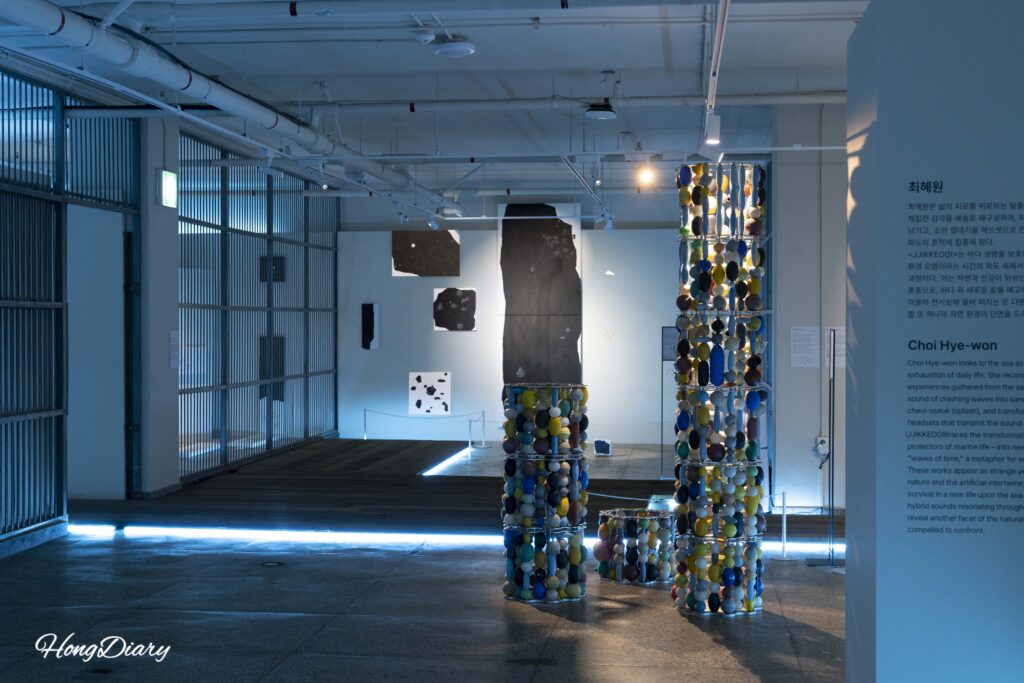
This is the part of the Busan Modern History Museum that nobody expects.
Take the stairs or elevator down to the basement, and you’ll find a gallery built inside the bank’s original vault. The actual vault door is still there — thick steel, heavy locks, the full setup. You walk through it to enter the exhibition space. The structure hasn’t been disguised or remodeled to look like a conventional gallery. The walls, the ceiling height, the weight of the room — it all still feels like a vault, and that tension between the raw industrial space and whatever art is currently displayed inside creates something genuinely unusual.
The rotating exhibitions down here change regularly, so what you see depends on when you visit. But even without looking at the art, the space alone is worth the trip down. It photographs well, it feels different from anything else in the building, and the contrast between “bank security infrastructure” and “art gallery” is the kind of thing that stays with you.
Casa Busano — Coffee in the Banking Hall (1F)
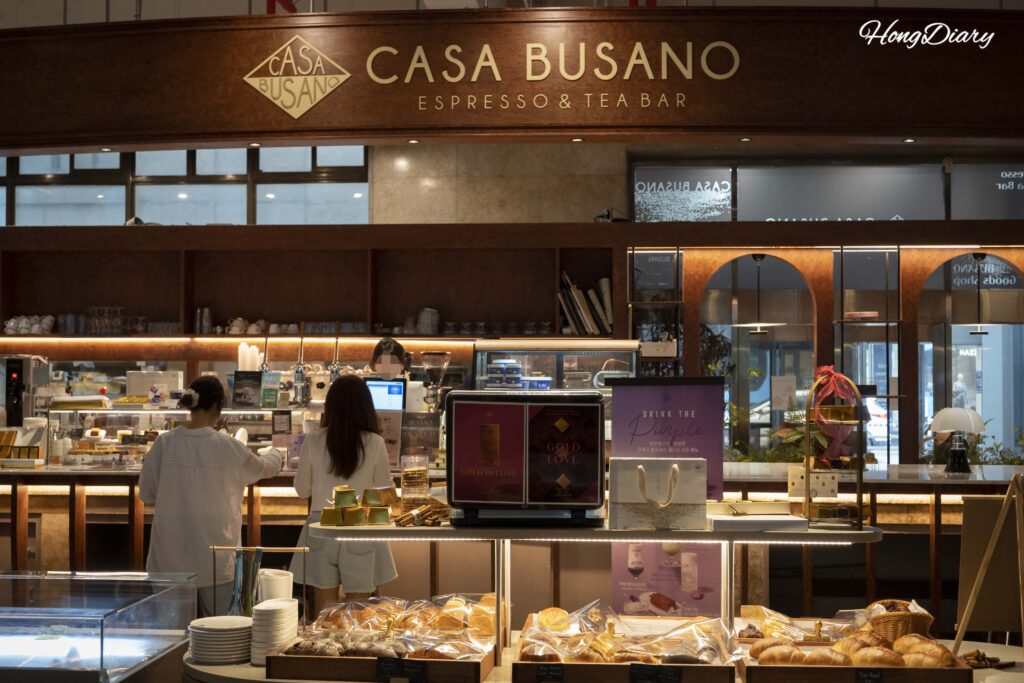
After working your way through every floor, the first-floor cafe is a natural place to decompress. Casa Busano occupies the old banking hall, and the original layout of the space — the high ceilings, the counter proportions, the sense of openness — has been kept intact. It’s a good-looking room. The kind of space that works as a photo spot on its own, even before you order anything.
The cafe is open Tuesday through Sunday, 10:00 AM to 9:00 PM — longer hours than the museum itself, which means you can come back for coffee even after the exhibitions close.
On the same floor, the Bank of Korea Archive Room houses a small collection on the history of Korean currency and the bank’s operations. It’s a quick side stop, maybe ten minutes, but a nice addition if you have the time.
If you’re looking for food nearby, Lee Jae Mo Pizza — a Busan institution — is a five-minute walk from the museum. Note that it’s closed on Sundays.
The Annex — A Second Heritage Building Across the Street
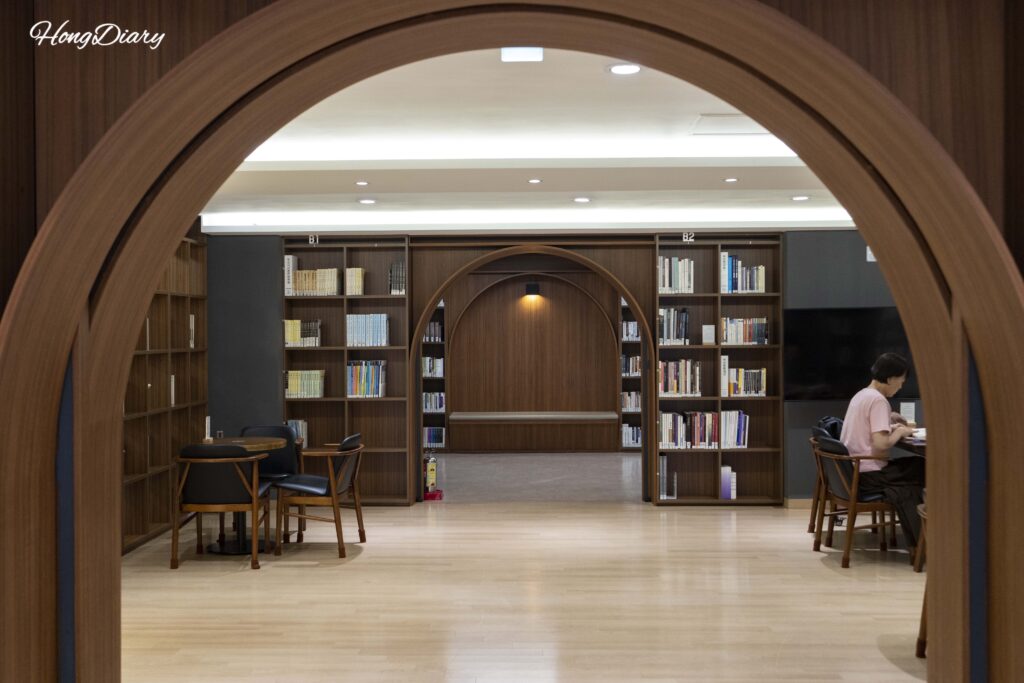
Directly across the street from the main building is the museum’s annex, housed in the former Oriental Development Company building — another colonial-era structure now designated as Busan Monument No. 49. The Oriental Development Company was a Japanese colonial organization used to consolidate control over Korean land and resources, and the building itself carries that history.
Today the annex functions as a cultural complex: a reading room with books and materials on modern Korean history, a space for cultural programs, and a quiet place to sit and browse. It’s smaller and less exhibition-focused than the main building, but if you’ve just spent two hours in the permanent galleries, walking across the street and sitting with a book in a building that has its own layered past feels like a fitting way to close the visit.
The Busan Modern History Museum works well as a standalone stop, but it sits in one of the most walkable neighborhoods in the city, and combining it with a few other spots makes for a full half-day without needing to take a bus or subway between them.
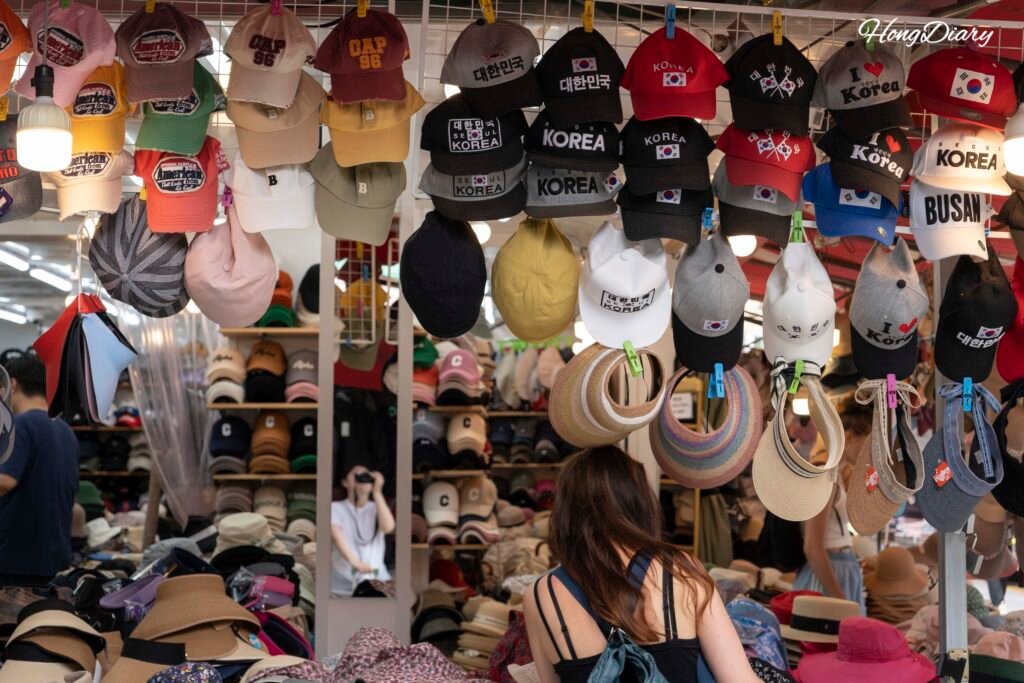
Gukje Market is less than a ten-minute walk from the museum and is one of Busan’s most iconic traditional markets. It’s the kind of place where you can eat your way through a dozen stalls without planning and still stumble into something you didn’t expect. If you only have time for one market in Busan, this is the one.
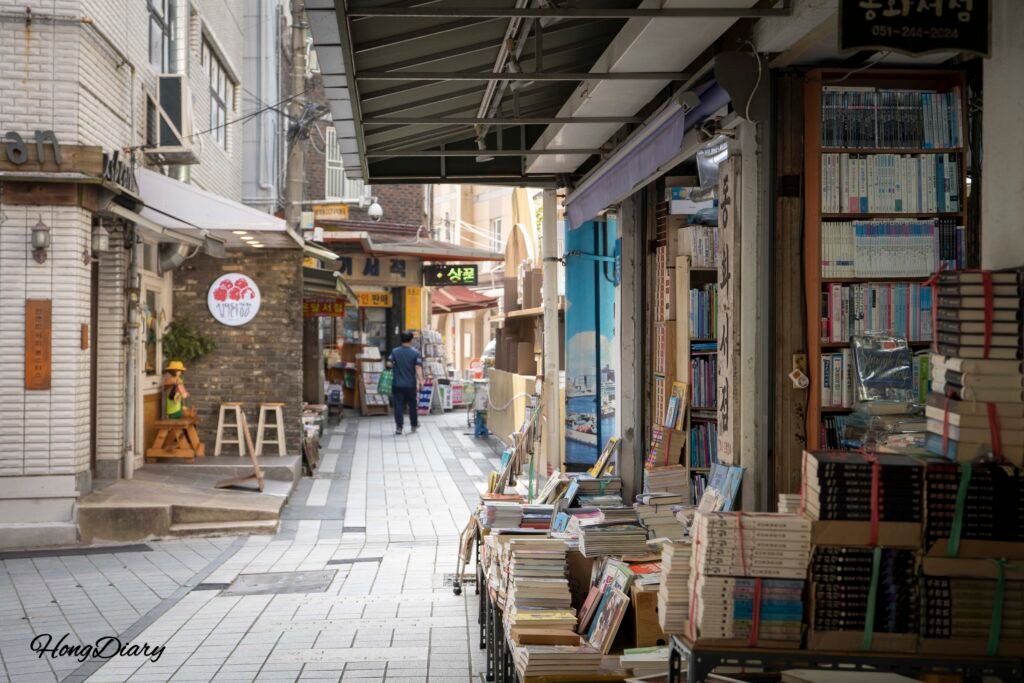
From Gukje Market, Bosu-dong Book Street is just a short walk further. It’s a narrow alley lined with secondhand bookshops that dates back to the Korean War, when Busan’s role as wartime capital drew publishers and booksellers into the city. After spending time in the museum’s wartime galleries, this street feels like a direct extension of what you just learned.
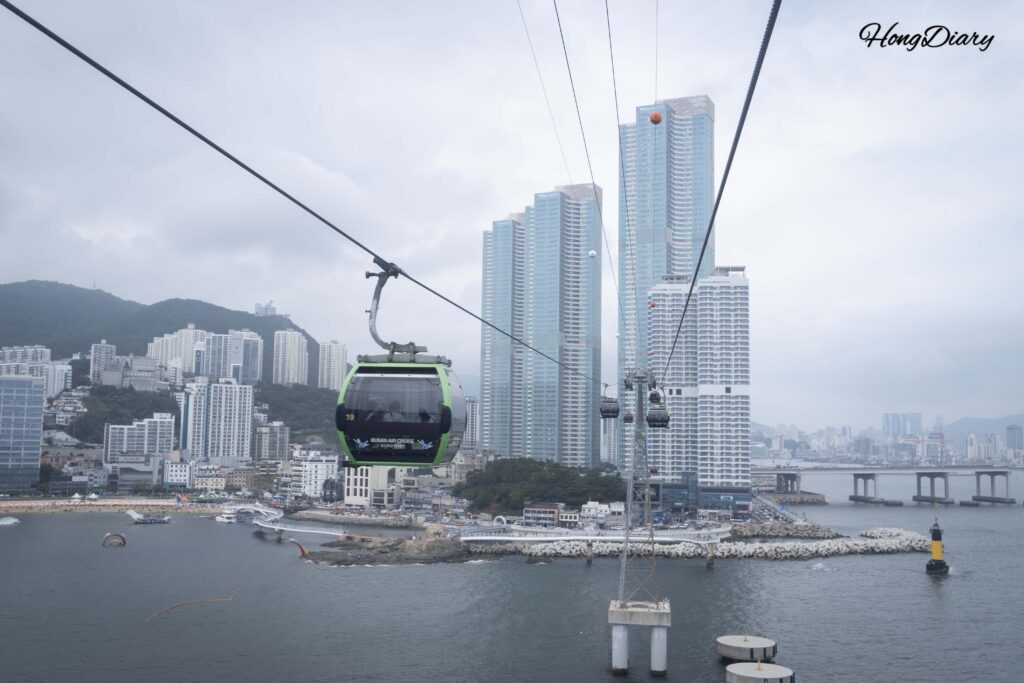
For something completely different, the Songdo Cable Car is reachable from Nampo-dong in about 15 minutes by bus. The ride itself crosses over the ocean between two coastal cliffs, and what waits on the other side is more than just the cable car. If the weather clears up after a museum morning, it’s a strong pairing.
The Busan Modern History Museum is free, it’s indoors, and it’s in a building that’s as interesting as anything on display inside it. For a rainy afternoon, a break from the beach crowds, or just a deeper look at what made Busan the city it is today, it’s one of the best-kept quiet spots in the Nampo-dong area.
Frequently Asked Questions About Busan Modern History Museum
How much does it cost to visit the Busan Modern History Museum?
Everything is free — permanent exhibitions, special exhibitions, the Vault Art Gallery in the basement, and the Bank of Korea Archive Room on the first floor. The Casa Busano cafe on the first floor is a separate commercial operation with its own menu pricing.
How do I get to the Busan Modern History Museum from the subway?
Take Busan Subway Line 1 to Jungang Station and use Exit 5. Walk toward Yongdusan Park for about seven minutes — the museum is on your left along Daecheong-ro. If arriving by bus, lines 40 and 81 stop at the Gukje Market / Busan Modern History Museum stop, which is about a five-minute walk.
What are the museum’s hours and when is it closed?
The museum is open daily from 09:00 to 18:00, with last entry at 17:00. It is closed every Monday and on January 1. The Casa Busano cafe operates on its own schedule: Tuesday through Sunday, 10:00 AM to 9:00 PM.
What is the Vault Art Gallery at the Busan Modern History Museum?
The Vault Art Gallery is a basement exhibition space built inside the original bank vault of the former Bank of Korea Busan Branch. The actual vault door, walls, and structural elements remain intact. The space hosts rotating art exhibitions that change throughout the year, and the combination of contemporary art inside a heavy industrial vault creates an unusual gallery experience.
How long does it take to see everything at the Busan Modern History Museum?
A thorough visit covering the permanent exhibitions on the third and fourth floors, the Vault Art Gallery in the basement, the Bank of Korea Archive Room, and a stop at the cafe takes about 1.5 to 2.5 hours. Adding the annex across the street brings the total to roughly 2 to 3 hours.
Is the Busan Modern History Museum good for a rainy day?
Yes. The entire museum is indoors, admission is free, and the building is located in the heart of Nampo-dong within walking distance of Gukje Market, Bosu-dong Book Street, and several indoor cafes and restaurants. It makes for an easy anchor in a rainy-day itinerary that stays almost entirely under cover.
What is the annex building across the street from the museum?
The annex is housed in the former Oriental Development Company building, a Japanese colonial-era structure now designated as Busan Monument No. 49. It currently functions as a cultural and humanities complex with a reading room, historical materials on modern Korean history, and space for cultural programs. Admission is free.