
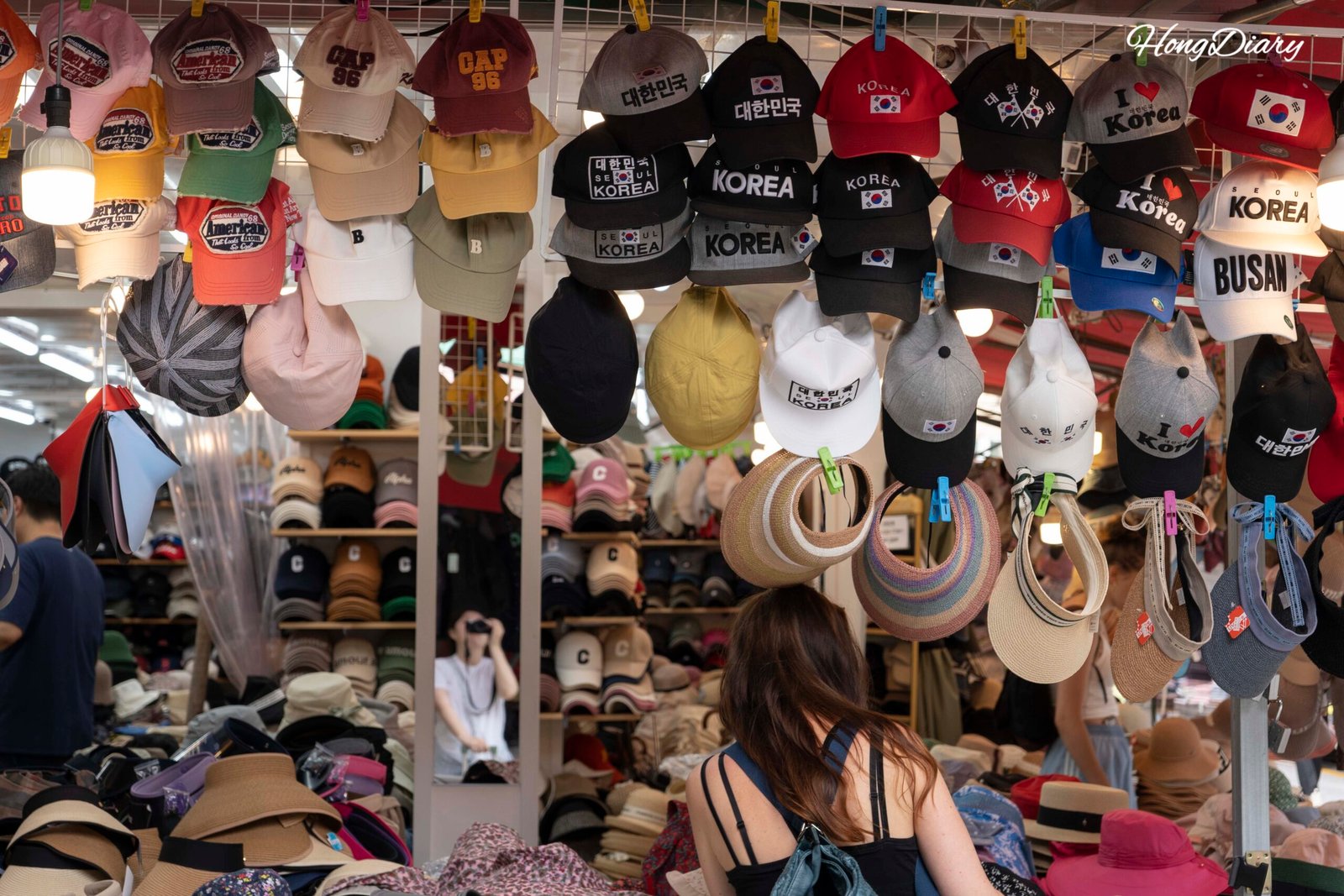
I live near enough to Gukje Market that I’ve lost count of how many times I’ve passed through it. But passing through and actually looking are two different things. Most visits were a blur — cutting through the covered alleys on the way to somewhere else, maybe grabbing something to eat, then moving on. It wasn’t until I recently decided to slow down and walk the alleys properly that I started noticing what was actually there.
Gukje Market sits in the Jung-gu district of Busan, right in the middle of the Nampo-dong old downtown area. On its own, the market isn’t as massive as it first appears — the sense of scale comes from the fact that it connects seamlessly to Bupyeong Kkangtong Market on one side and Jagalchi Fish Market on the other, creating a continuous stretch of market life that runs through several city blocks. Add BIFF Square and the Kkangtong Night Market to the mix, and you have one of the most walkable commercial districts in all of Korea. Most visitors already have this area on their itinerary. The difference is whether you walk through quickly or take the time to look between the stalls.
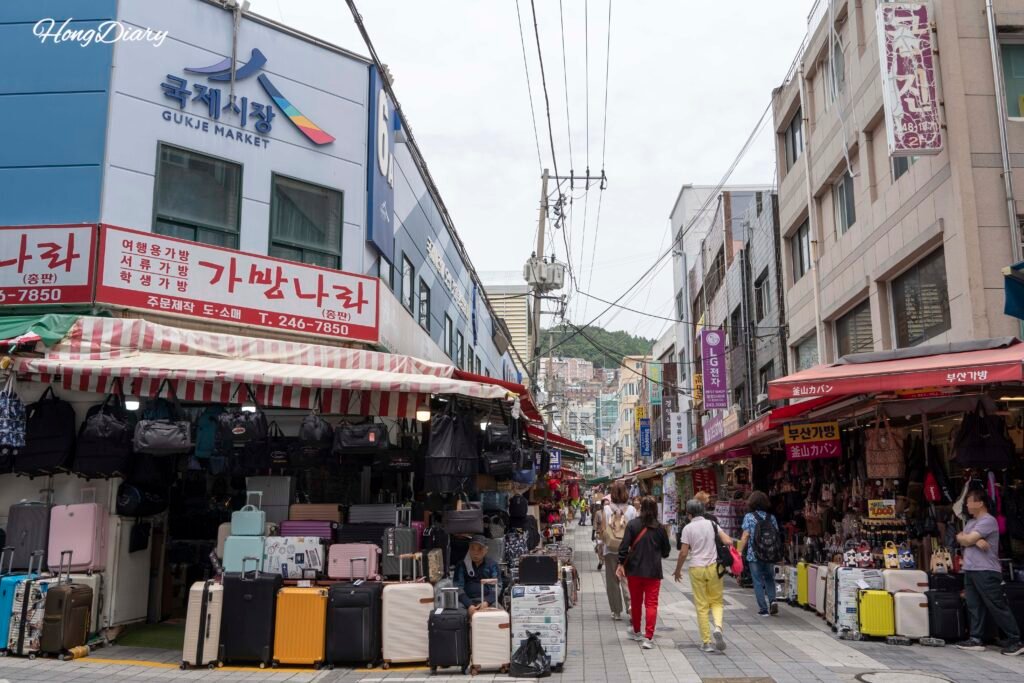
Table of Contents
Essential Info
| Essential Info | Details |
|---|---|
| Address | Gukjesijang 2-gil, Jung-gu, Busan |
| How to get there | Subway Line 1, Jagalchi Station Exit 7 — about a 5-minute walk |
| Hours | Most shops open around 9:00 AM to 8:00 PM (varies by store) |
| Closed | 1st and 3rd Sunday of every month |
| Admission | Free |
A Market That Was Never Built — It Just Happened
Gukje Market wasn’t planned or designed. It formed on its own, out of necessity.
During the Korean War in the early 1950s, Busan became the country’s temporary capital, and refugees from across the peninsula flooded into the city. Many of them ended up around what is now the market district, and they started selling whatever they had — personal belongings, goods smuggled through the port, surplus supplies from nearby US military bases. The word gukje means “international” in Korean, and the name stuck because of how diverse the goods were: items from all over the world, traded by people from all over the country.
That improvised marketplace never closed. It just kept growing. Stall by stall, alley by alley, it turned into a permanent commercial district — and it has operated continuously ever since.
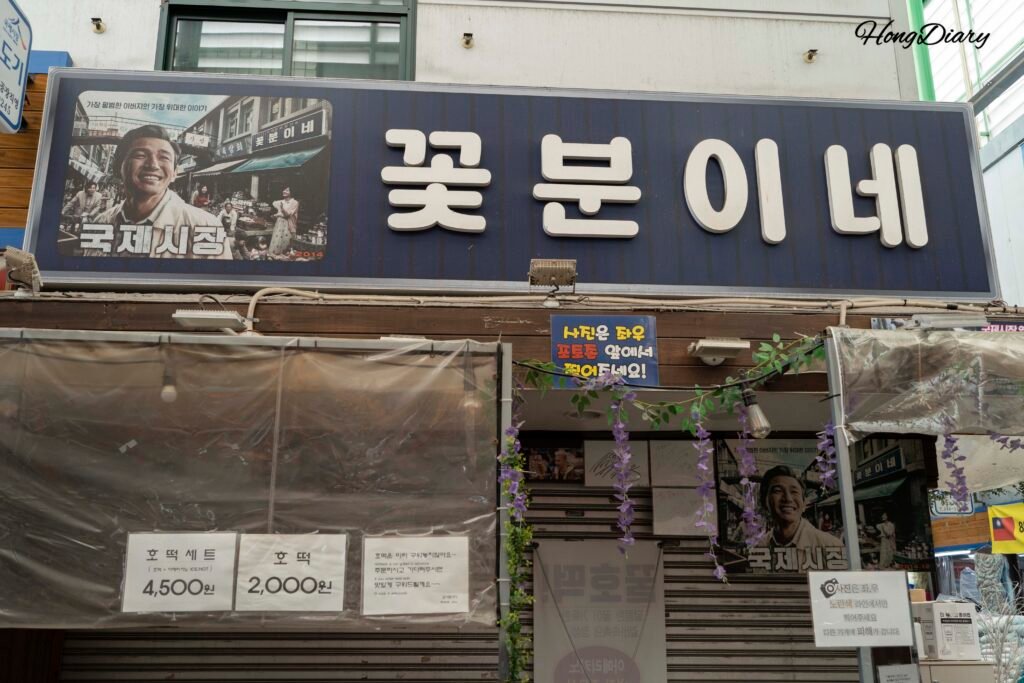
If the name sounds familiar, it might be because of the 2014 Korean film Ode to My Father (titled Gukje Market in Korean) — one of the highest-grossing films in Korean cinema history — which used this market as its central setting. The movie follows one family’s story across decades of Korean history, and a small shop called “Kkotbuni-ne” became an iconic part of the film. You can still find a replica of that shop inside the market — it’s a popular photo spot, and worth knowing about before you visit, because it puts the whole place in context.
What’s Actually Inside
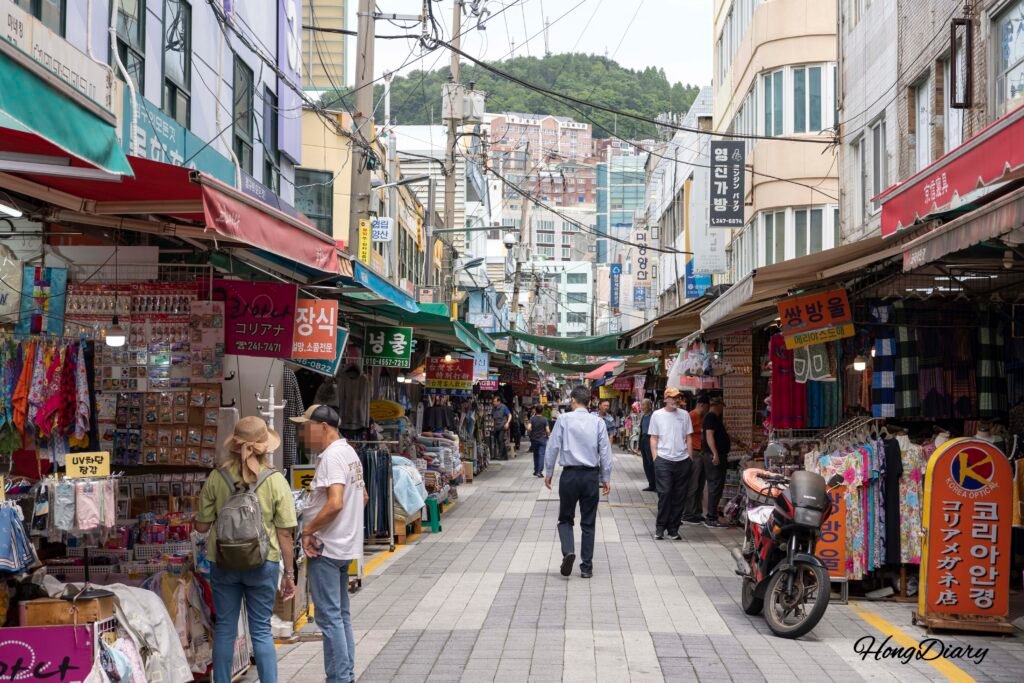
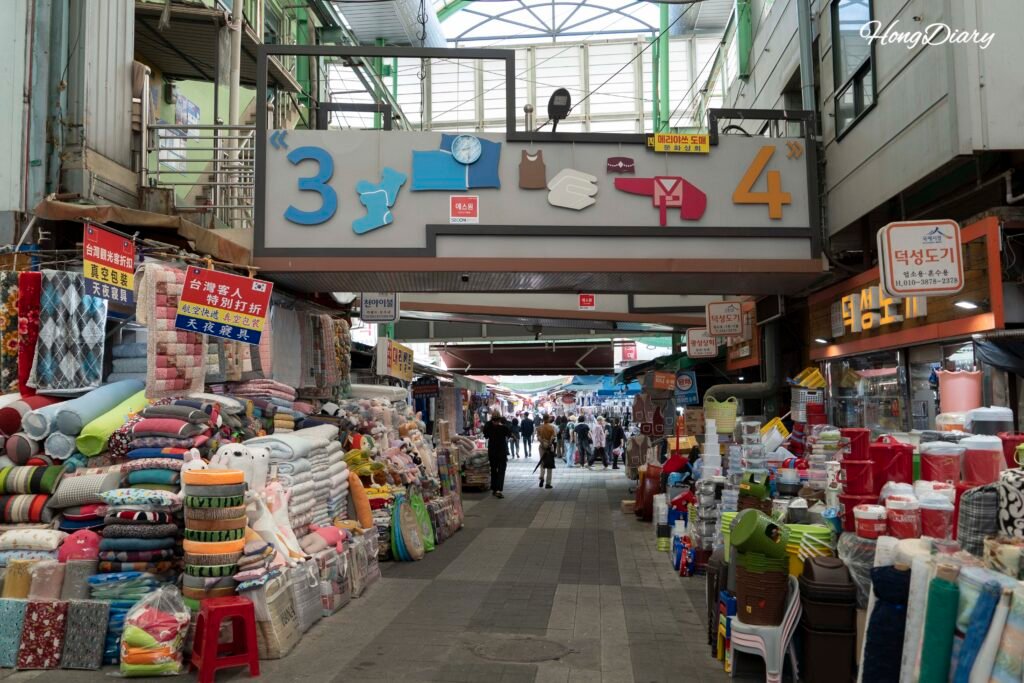
Gukje Market is often described as a place where “you can find everything,” and that’s not far off. But what makes it interesting is how the market organizes itself. Different sections specialize in different goods, and each alley has its own character.
| Zone | What You’ll Find |
|---|---|
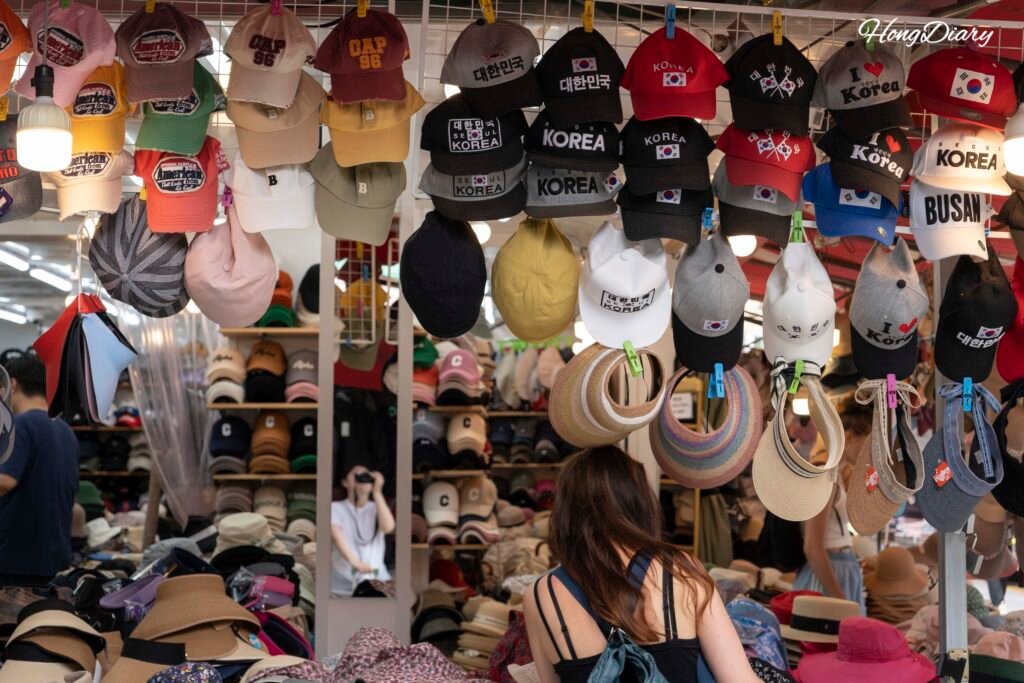
| Clothing and accessories | Jackets, bags, shoes, hats — a mix of everyday items and bargain finds |
| Kitchenware and bedding | Pots, dishes, utensils, blankets, pillows — the kind of things locals actually come here to buy |
| Lighting and electronics | Lamp shops, radio repair stalls, small electronics vendors |
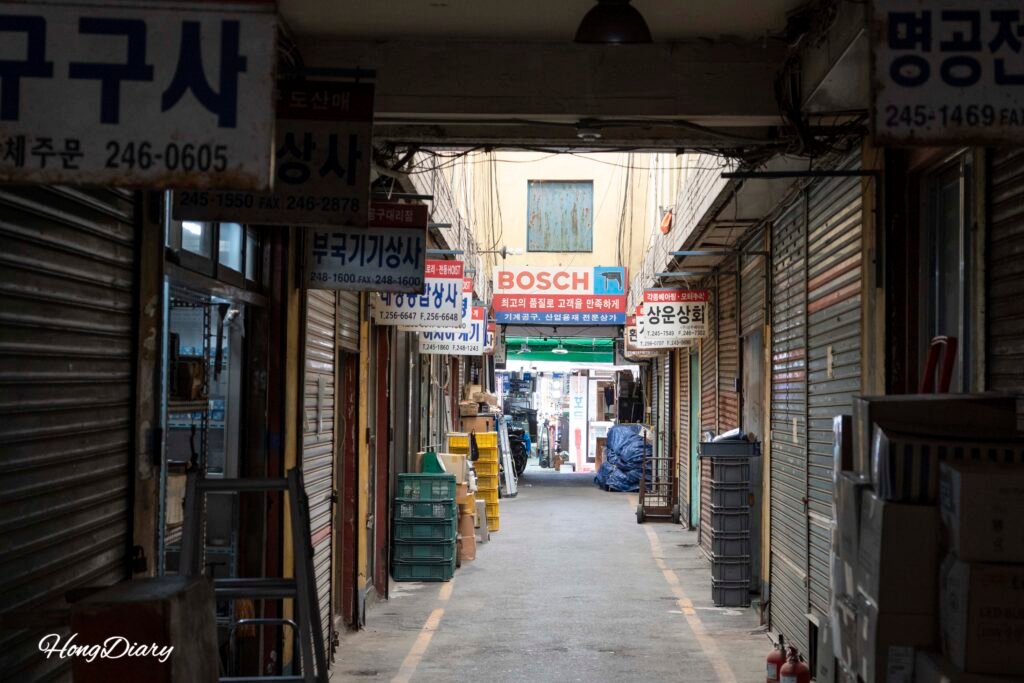
| Tools and hardware | Wrenches, drills, bolts, industrial supplies — one of the most visually interesting sections if you like that sort of thing |
| Cameras and watch repair | Small specialist shops that have been doing the same work for decades |
This is the part most travel guides skip. It’s easy to focus on the souvenir shops and food stalls — and those are there — but walk a few alleys deeper and you’re in a working market where Busan residents come to buy pots for their kitchen or get a watch fixed. The hardware alley, in particular, has a visual density that feels closer to an industrial art installation than a shopping trip. Rows of identical wrenches hanging from the ceiling, bolts sorted by size into wooden bins, shop owners who’ve been selling the same products in the same spot for decades.
That contrast — between the tourist-facing side and the everyday-life side — is what makes Gukje Market different from a lot of other markets in Korea.
What You See When You Slow Down
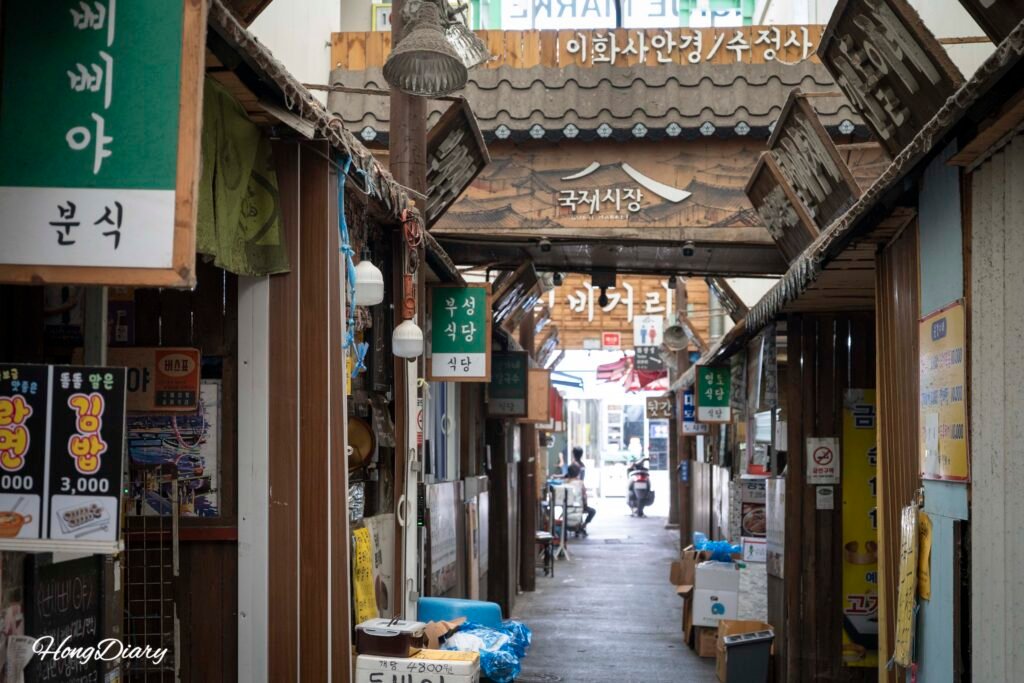
On the surface, Gukje Market looks like it hasn’t changed in ten years. The covered arcades, the old signage, the narrow aisles — it all feels frozen in time. But when you walk slowly and actually look, you start to notice the changes underneath.
New souvenir shops have popped up in the alleys closest to the tourist routes, selling K-pop merchandise, Hangeul-printed accessories, and traditional Korean design goods that clearly target international visitors. A few years ago, those shops weren’t there. The market is adapting to who walks through it now — and right now, on any given day, there seem to be more foreign visitors than Korean ones.
But step one alley over and you’re back in the world of dried goods vendors and bedding shops where nothing has changed. The old signs are still hand-painted. The shop owners still sit in the same chairs. The prices are still written on cardboard.
That coexistence — the Instagram-ready souvenir shop next to the hardware store that’s been open for decades — is the thing that makes this market feel like Busan. It’s not curated or polished. It’s layered. And the layers only show up when you stop rushing through.
The Souvenir Alleys
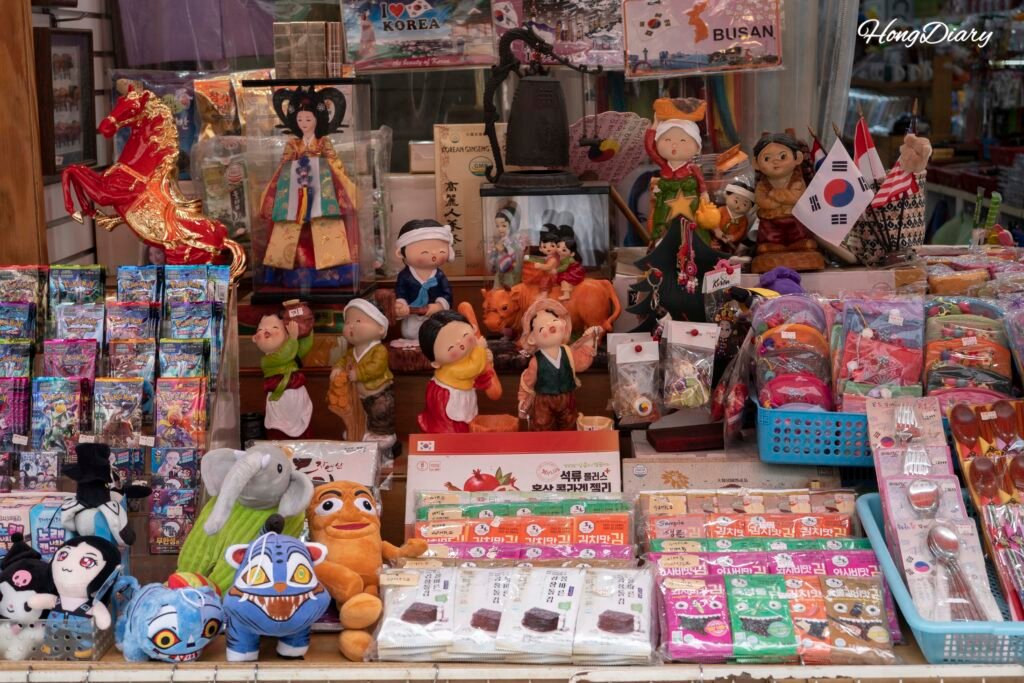
If you are looking for souvenirs, Gukje Market is one of the better places to shop in Busan. A cluster of shops in the alleys adjacent to the main tourist path carries a wide selection.
What’s available shifts with the trends: when I visited recently, the shelves were stocked with K-pop idol merchandise, traditional Korean snack gift boxes, socks and pouches with Hangeul lettering, miniature ceramic items, and accessories inspired by Korean design patterns. The variety is wider than what you’ll find in most tourist-area convenience stores, and the prices are generally more reasonable.
Even if you’re not buying, the souvenir alleys are worth walking through just to see how the market curates its inventory around whoever happens to be visiting. It’s a small but telling window into how a seventy-year-old market stays relevant.
Where the Market Leads
One of Gukje Market’s strengths is its location. The market doesn’t exist in isolation — it sits at the center of a cluster of historic sites, all connected on foot, all rooted in the same wartime history.
| Nearby | What to Expect | Walking Distance |
|---|---|---|
| Bupyeong Kkangtong Market | Originally known for trading US military surplus goods; now a popular night market with street food stalls | Right across the street |
| Jagalchi Fish Market | Busan’s iconic seafood market, built alongside the port | 5-minute walk south |
| Bosu-dong Book Street | A used bookstore alley formed by war refugees selling their books | 4-minute walk north (250m) |
| 40 Steps Culture Street | A street marked by sculptures and installations commemorating the spot where refugees used to meet | 10-minute walk east |
| Busan Modern History Museum | Exhibitions on Busan’s wartime and modern history | 10-minute walk |
| Provisional Capital Memorial Hall | The building that served as the government seat during the Korean War | 15-minute walk |
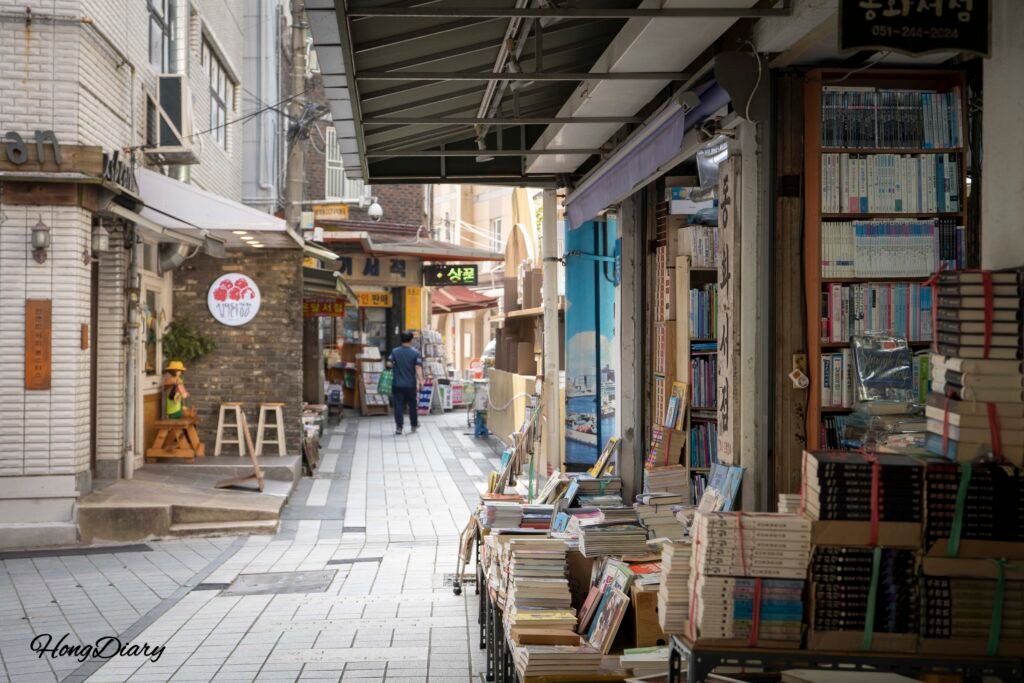
Just 250 meters north of Gukje Market, Bosu-dong Book Street continues the same wartime story in a different form — a used bookstore alley where refugees once sold their books to survive. It’s a natural next stop after the market.
If you follow this route — starting at Gukje Market and working outward — you’re essentially tracing the footprint of wartime Busan. Each stop adds a layer to the story: the market where refugees made a living, the fish market where the port economy grew, the book alley where students scraped together reading material, and the memorial halls where the broader history is recorded.
It’s not a heavy or solemn walk. These are busy, lived-in places. But the history is there if you’re looking for it.
Worth Slowing Down For
Gukje Market doesn’t need another guide telling you what to eat and where to stand in line. What it could use is a slower pair of eyes.
The alleys between the stalls hold more than merchandise. They hold the shape of a city that was rebuilt by people who arrived with very little and made something permanent out of it. The market has survived everything — war, modernization, online shopping, chain stores — and it’s still here, still adapting, still layered with the old and the new sitting side by side.
If you’re already in Nampo-dong, you’re going to walk through Gukje Market whether you plan to or not. The only question is how fast. My suggestion: go slower than you think you need to. Look at the signs, the ceilings, the alleys that branch off the main path. The market has been here for over seventy years. It can hold your attention for more than twenty minutes.
Continuing Your Journey Through Historic Busan
Since Gukje Market sits at the absolute center of Busan’s old downtown, it serves as the perfect starting point for a day of exploring. If you want to expand your walk into a complete itinerary, here is how you can connect your market visit to other historic and scenic spots nearby:
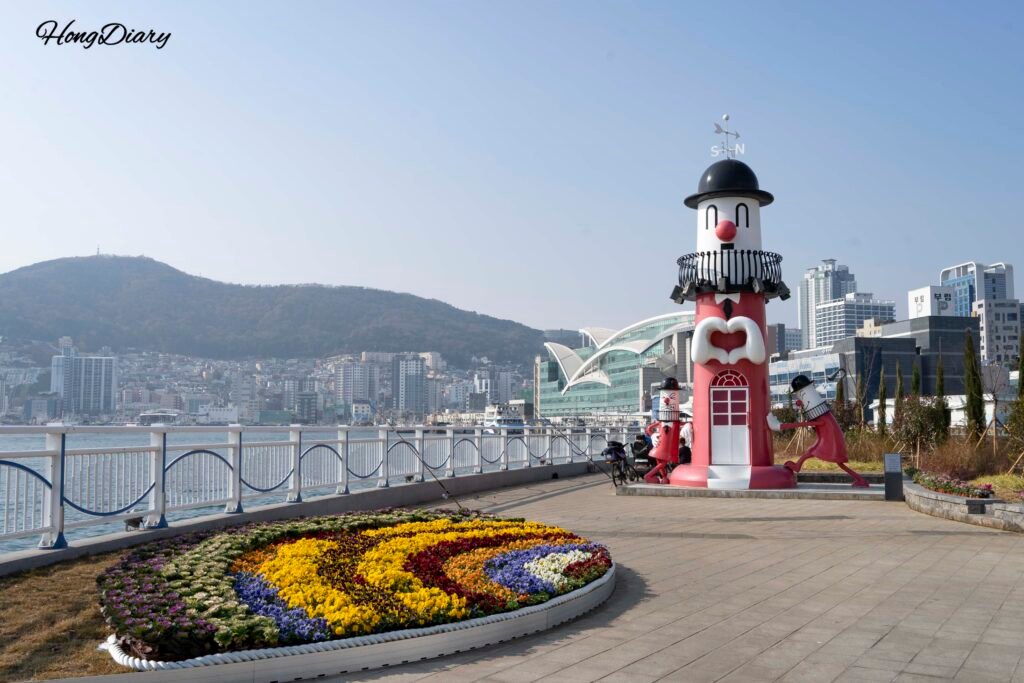
If the retro alleyways of Gukje Market left you wanting more street art and vintage atmosphere, the Ganggangyi Art Village on Yeongdo Island is a short trip across the bridge from Nampo-dong, with murals and maritime history lining the waterfront.
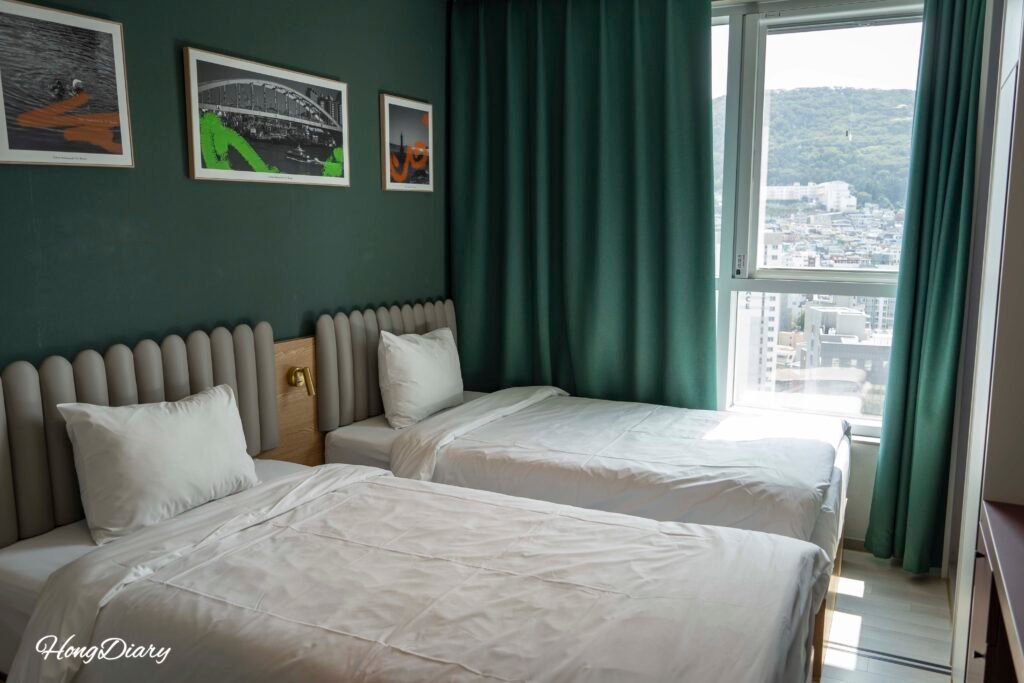
Looking for a place to stay near the old downtown? Cotice The Ground Busan is right in front of Jagalchi Station, with reasonable rates and easy access to Gukje Market and everything else in western Busan.
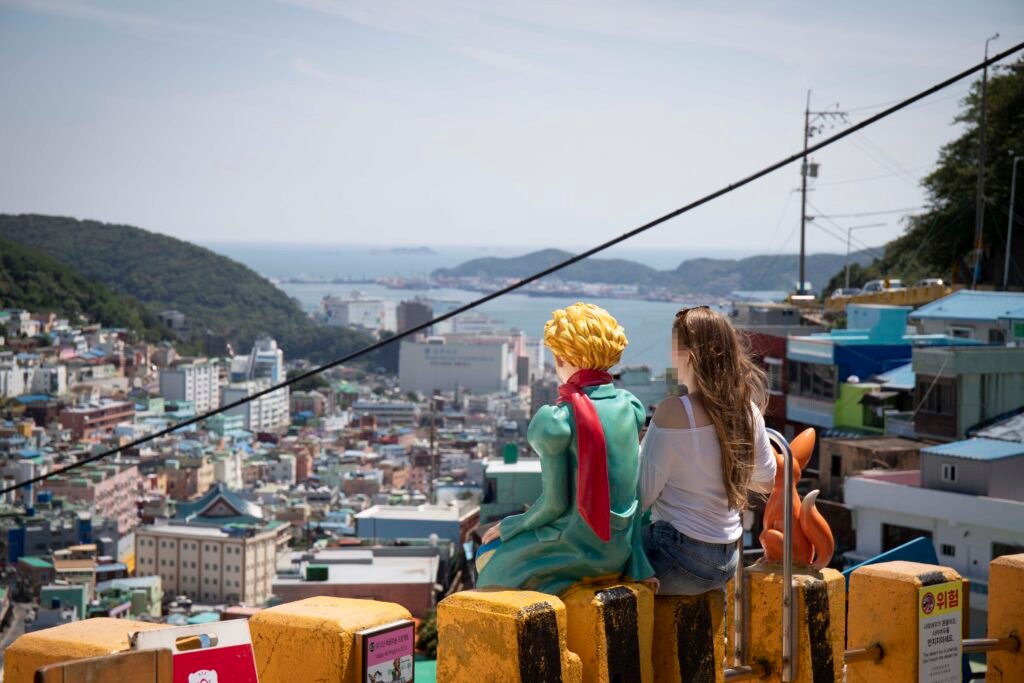
Most visitors exploring Busan’s old downtown also head to Gamcheon Culture Village, the hillside neighborhood known for its colorful houses and art installations. It pairs well with a Gukje Market visit for a full-day western Busan itinerary.
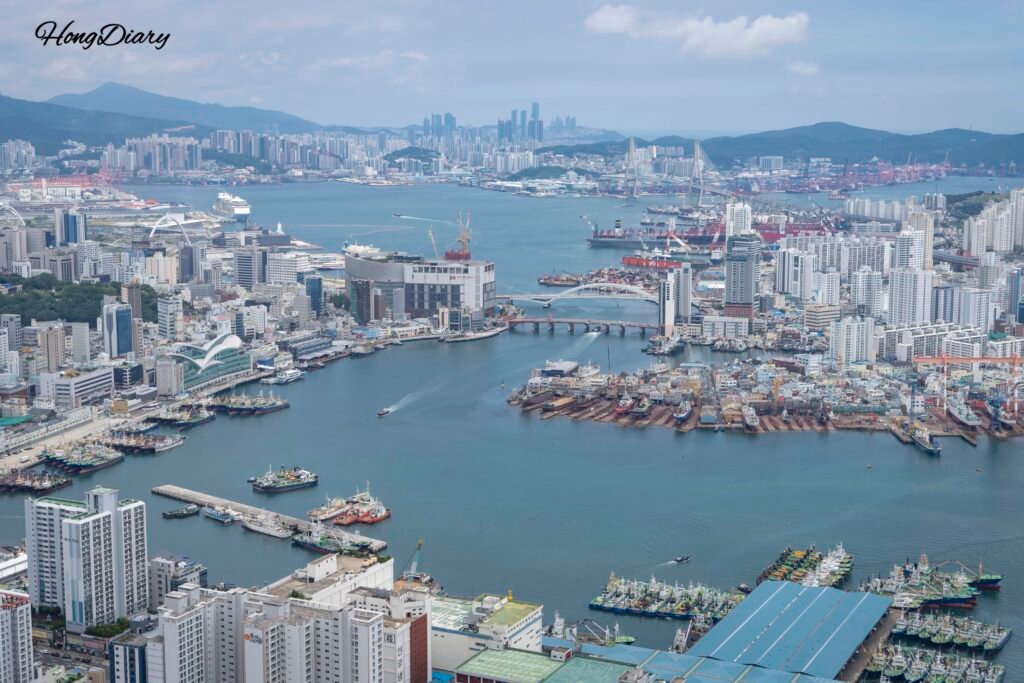
From Gamcheon, you can continue to the Cheonmasan Observatory — a recently opened complex with panoramic views over western Busan, reachable from the village area.
Frequently Asked Questions
Is Gukje Market free to enter?
Yes. There’s no admission fee. It’s a public market — you can walk through the alleys and browse freely without buying anything.
How do I get to Gukje Market from the subway?
Take Busan Subway Line 1 to Jagalchi Station and use Exit 7. The market entrance is about a 7-minute walk north. You can also reach it from Nampo Station Exit 1, which is roughly the same distance from the opposite side.
What are the opening hours and closing days?
Most shops open around 9:00 AM and close by 8:00 PM, though individual hours vary. The market is closed on the 1st and 3rd Sunday of every month.
What can I buy at Gukje Market?
The market is divided into zones: clothing, bags, and shoes in one section; kitchenware and bedding in another; lighting, electronics, and tools in another. There are also souvenir shops selling K-pop merchandise, traditional Korean goods, and Hangeul-printed accessories. It’s both a working local market and a tourist destination.
Is Gukje Market connected to other markets nearby?
Yes. Bupyeong Kkangtong Market is directly across the street, and Jagalchi Fish Market is a five-minute walk south. Together they form a continuous market district that covers several city blocks in the Nampo-dong area.
How long should I spend at Gukje Market?
A quick walk-through takes about 30 minutes, but if you explore the side alleys, visit the souvenir shops, and stop for food, plan for 60 to 90 minutes. You can easily spend a full half-day if you include the surrounding markets and nearby historic sites.
Is the movie “Ode to My Father” connected to this market?
Yes. The 2014 Korean film Ode to My Father (titled Gukje Market in Korean) is set in and around the market, following a family’s story across decades of Korean history. A replica of the shop from the movie, called “Kkotbuni-ne,” is inside the market and is a popular photo spot.