
Daegu has a reputation in Korea for extreme weather — hotter than Southeast Asia in summer, bitterly cold in winter. If you’re visiting during either season, indoor plans aren’t optional; they’re survival. That’s how I ended up at the Daegu Yangnyeongsi Museum, and I’m glad the weather pushed me through the door.
The museum sits at the heart of Daegu’s Yangnyeongsi district — a neighborhood that has been trading in traditional herbal medicine since 1658, when the Joseon court designated it as an official market for collecting and distributing medicinal herbs across the country. That makes this area nearly 370 years old, and it’s still active. Herbal shops line the streets, the smell of dried roots and bark hangs in the air, and the museum itself functions as both a historical archive and a hands-on introduction to a medical tradition that’s still practiced daily just outside its doors.
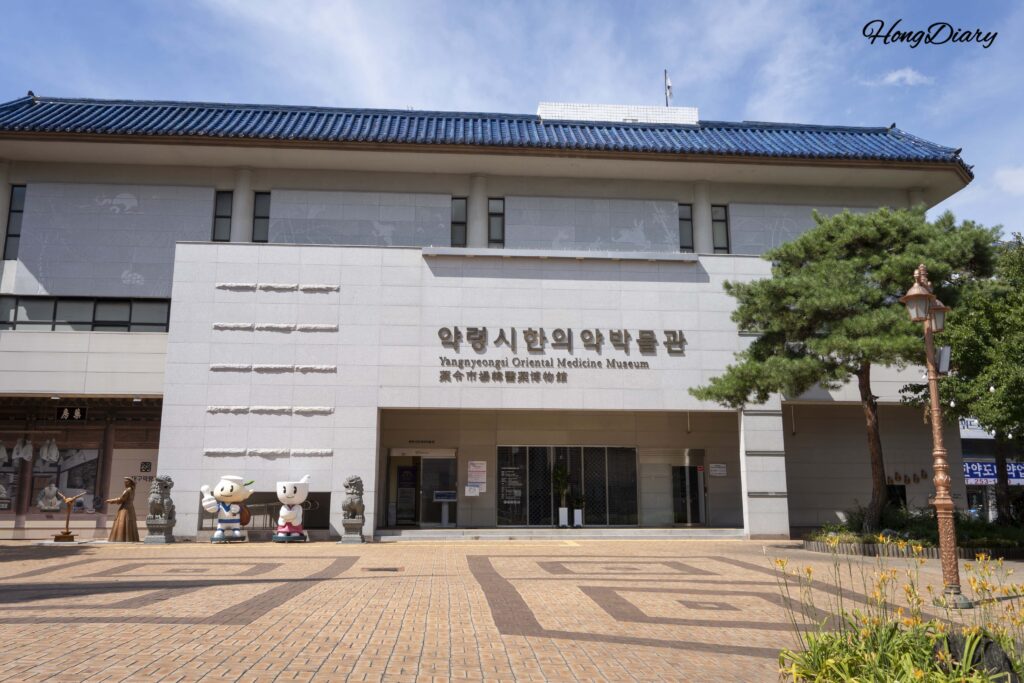
Table of Contents
Quick Travel Guide: Daegu Yangnyeongsi Museum
| Detail | Info |
|---|---|
| Address | 49 Dalgubeol-daero 415-gil, Jung-gu, Daegu |
| Hours | 09:00 – 18:00 |
| Closed | Every Monday (if Monday is a public holiday, the museum opens and closes the next weekday instead) |
| Admission | Free (all exhibitions) |
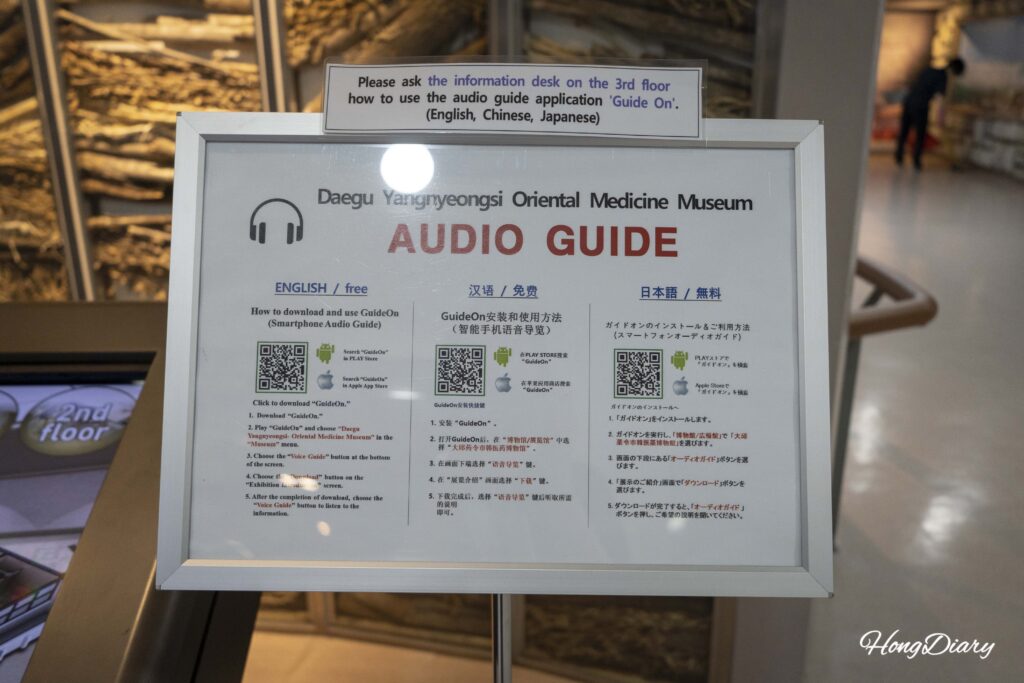
| Audio Guide | Available at the 3F desk — Korean, English, Chinese, Japanese |
| Getting There | Subway Lines 1 & 2 → Banwoldang Station, Exit 16 or 18 / Line 1 → Jungangno Station, Exit 1 (~10 min walk) |
| Parking | No on-site lot. Use Yangnyeongsi Seomun or Dongmun public parking (paid) |
| Time Needed | 1.5–2 hours (3F exhibition + 2F experiences) |
The museum is located at 49 Dalgubeol-daero 415-gil, Jung-gu — Daegu’s historic city center. Banwoldang Station on Subway Lines 1 and 2 is the closest stop, with Exit 16 (toward Yangnyeongsi) or Exit 18 (toward Hyundai Department Store) both within walking distance. From Jungangno Station on Line 1, it’s about a ten-minute walk from Exit 1. There’s no on-site parking, but public lots nearby (Yangnyeongsi Seomun and Dongmun lots) are available for a fee.
What Yangnyeongsi Actually Means
Before getting into the museum, it helps to understand what “Yangnyeongsi” is. The word refers to a traditional market that specialized in the distribution and sale of herbal medicine — not a single shop, but an entire market district. During the Joseon Dynasty, several of these existed around the country, in cities like Jeonju and Wonju, but the one in Daegu grew to be the largest and longest-running of them all.
The location made sense. Daegu sat at the center of Gyeongsang Province, where the Nakdong and Geumho Rivers provided water transport routes for collecting herbs from across the country. The surrounding Gyeongbuk region was itself a major source of medicinal plants. That combination — central location, river access, local supply — allowed Daegu’s Yangnyeongsi to outgrow every other herbal market in Korea.
The market was shut down during the Japanese colonial period in 1941, reopened briefly after liberation, closed again during the Korean War, and then re-established as a permanent market in the postwar years. The current Yakjeon Alley — the narrow street of herbal shops that still operates today — traces directly back to that postwar revival.
3rd Floor — Four Zones of Herbal History
The museum is laid out across two floors: the 3rd floor for exhibitions, the 2nd for hands-on experiences. I took the elevator up and worked my way down, which felt like the right order — context first, then participation.
Yangnyeongsi History and Culture Zone
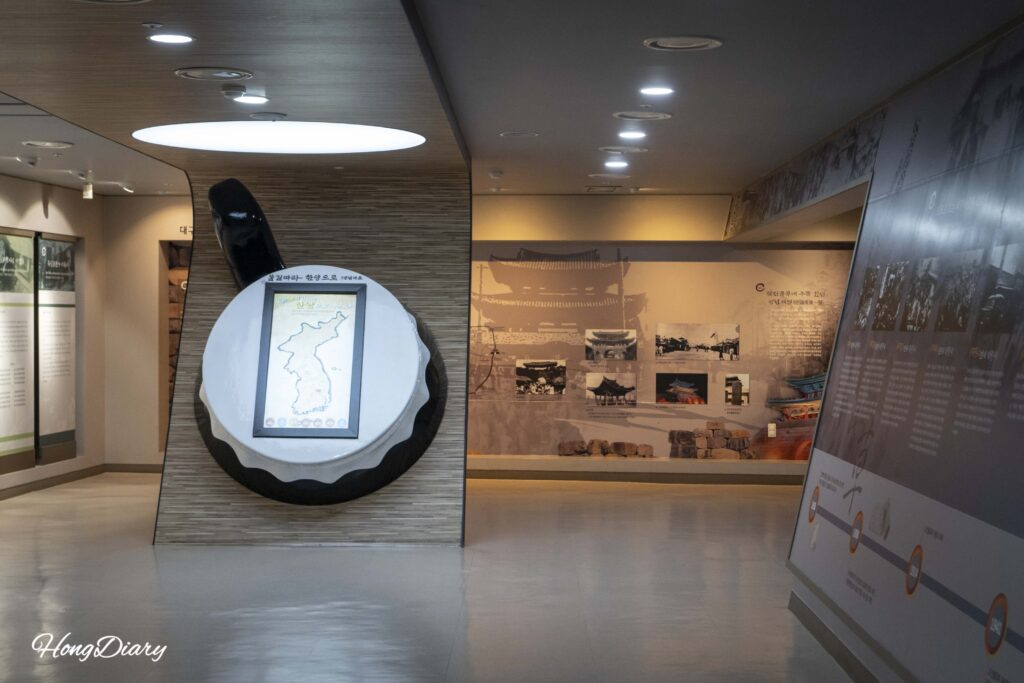
The first zone you enter traces the origins and growth of the market. Old photographs, a scale model of the Joseon-era market and the Daegu fortress walls, and a timeline that runs from 1658 to the present. It gives you a sense of scale — this wasn’t a small neighborhood operation; it was a nationally organized system for distributing medicine.
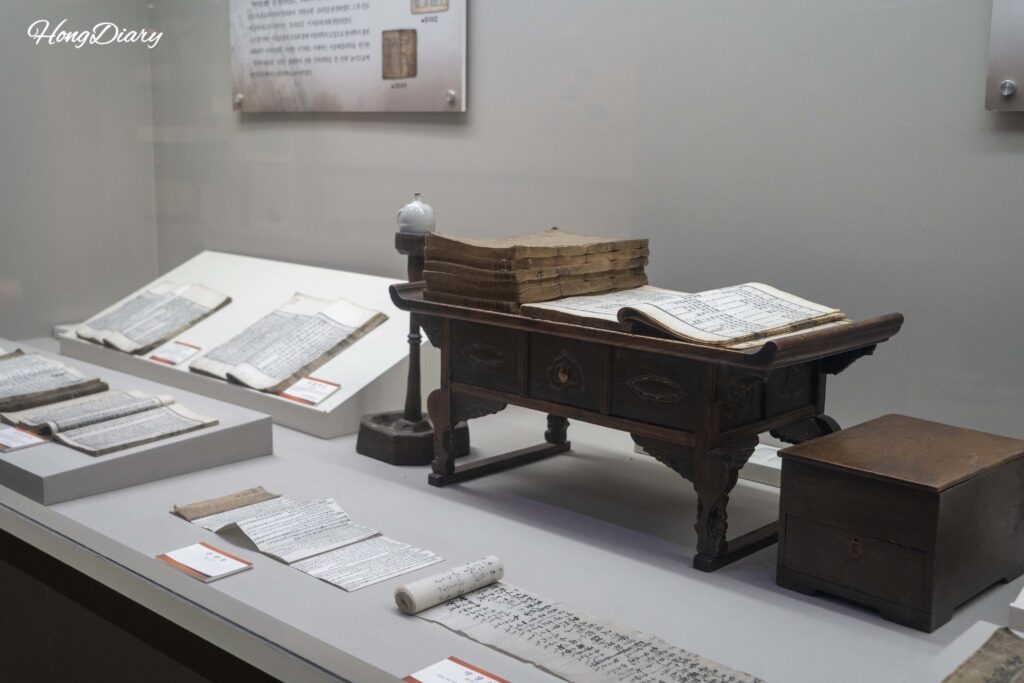
Nearby, a section displays old Korean medical texts, including references to the Donguibogam — the foundational text of Korean traditional medicine, compiled in the early 1600s and now listed as a UNESCO Memory of the World.
1910s Yakjeon Alley Recreation
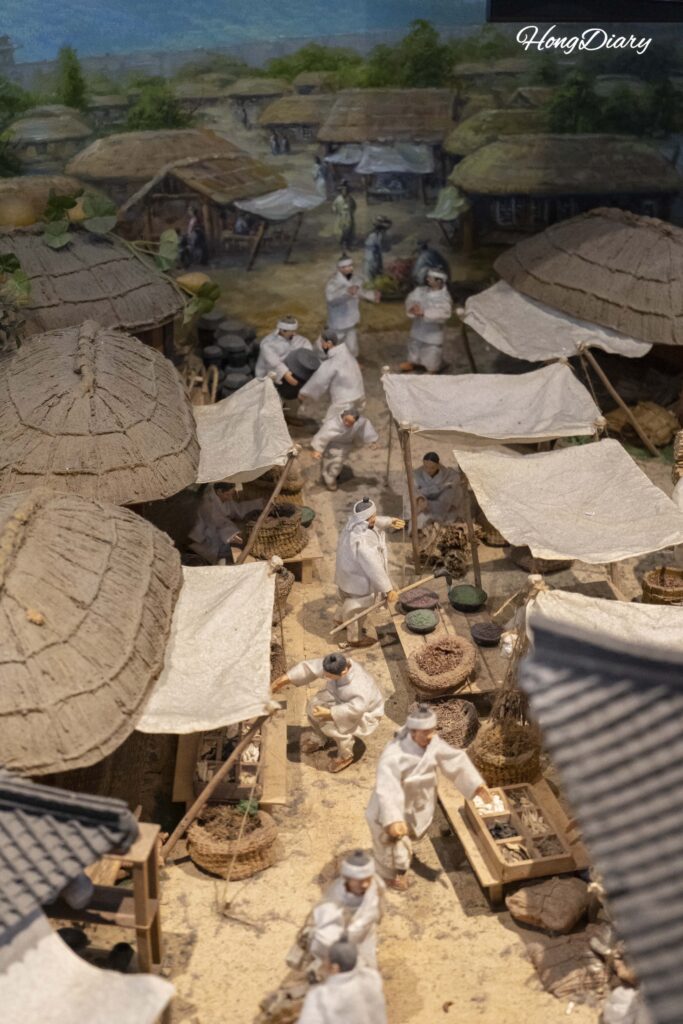
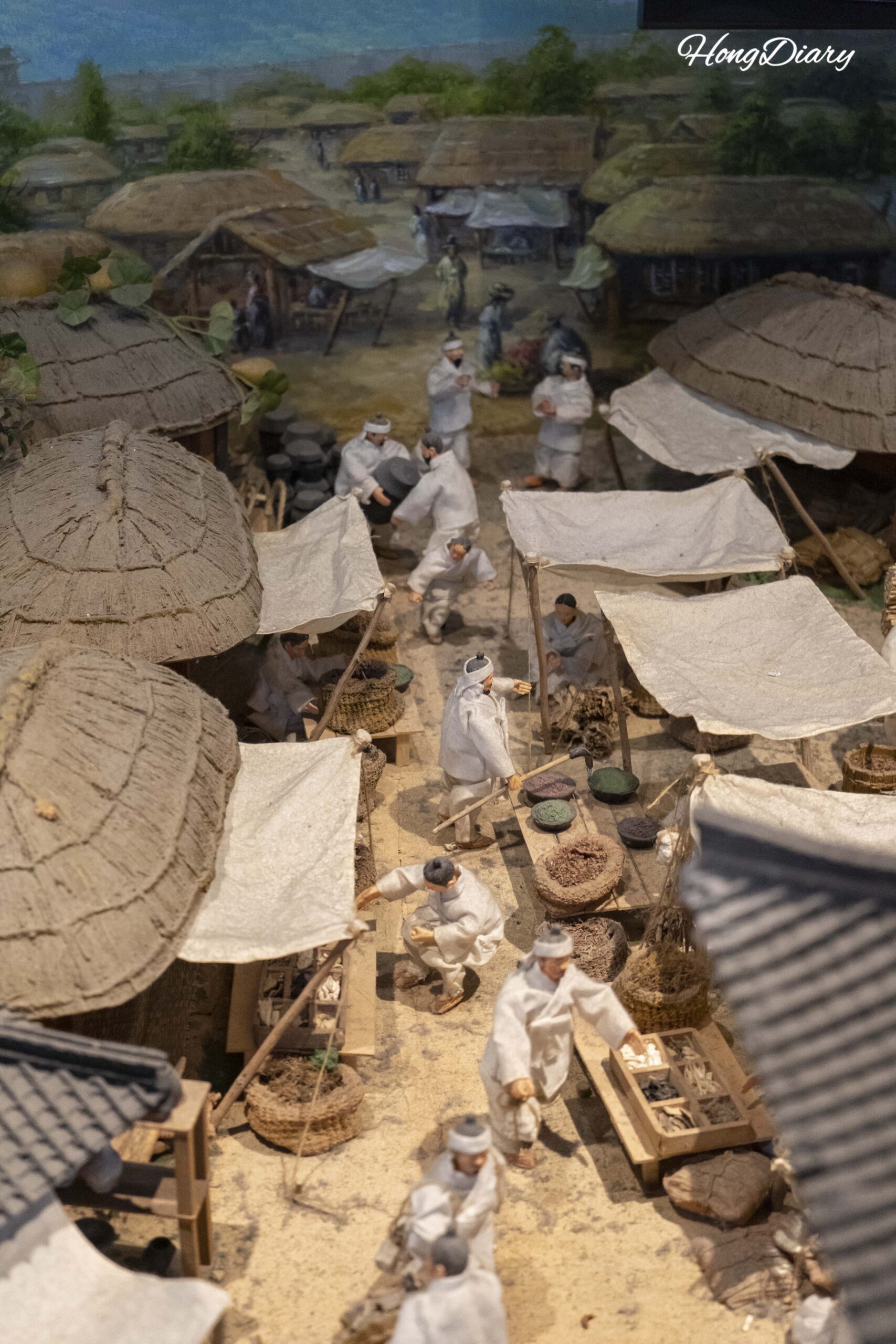
This was the section that held my attention the longest. The museum has recreated a section of Yakjeon Alley as it would have looked around 1910 — a roadside tavern (jumak), a traditional herbal pharmacy, and the home of an herb collector. The figures and interiors are detailed enough to photograph well, and the recreation puts you inside a world where herbal medicine wasn’t an alternative practice — it was the only medicine available.
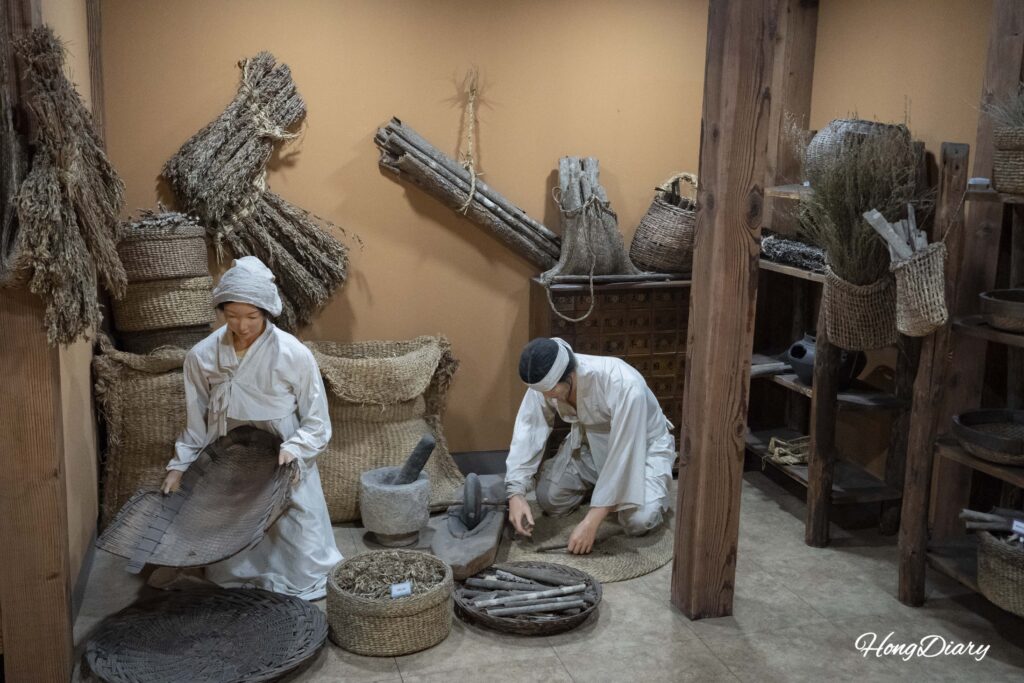
A jumak, for context, was a roadside establishment in old Korea that served food and alcohol to travelers and sometimes offered overnight lodging. Think of it as a combination of a tavern and an inn.
Digital Experience Zone
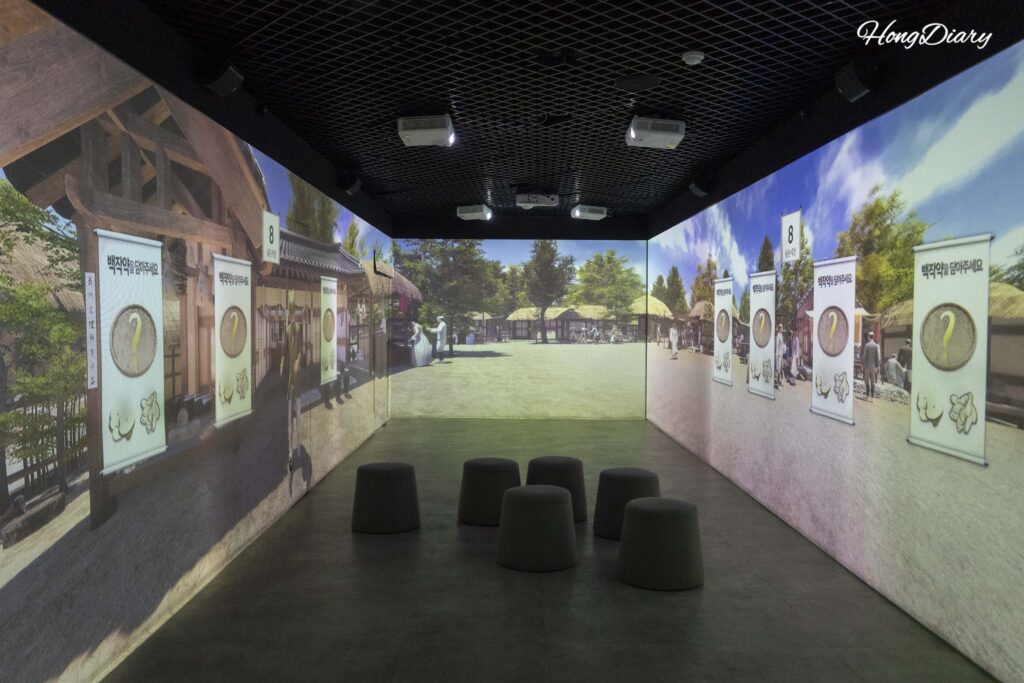
The central area of the 3rd floor uses video and digital technology to bridge the market’s past and present. Interactive screens, projection displays, and short films let you explore the Yangnyeongsi timeline in a more immersive format.
Herbal Medicine Exhibition Zone
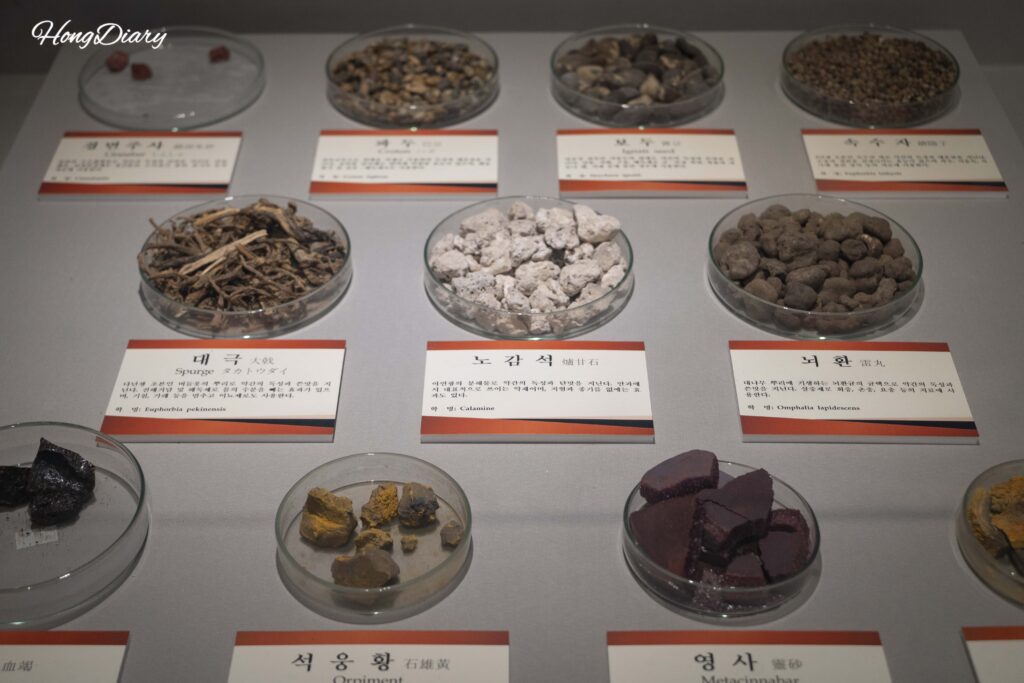
The final zone on this floor displays the actual materials: plant-based, animal-based, and mineral-based medicinal ingredients, including rare herbs. Traditional tools — herb grinders, medicine boilers, acupuncture kits — sit alongside historical medical texts.
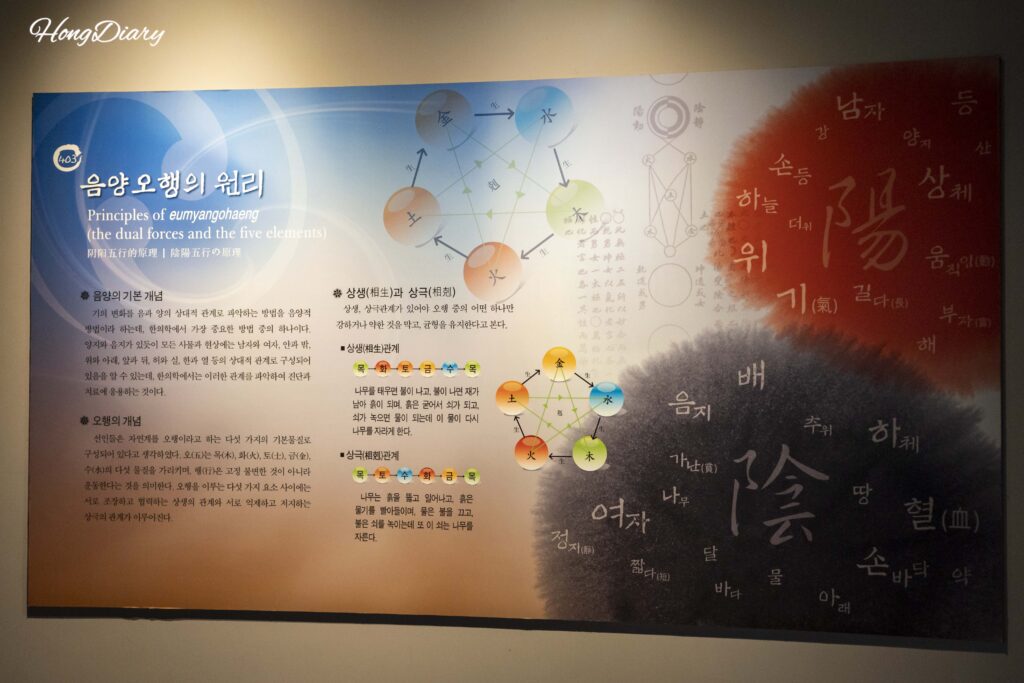
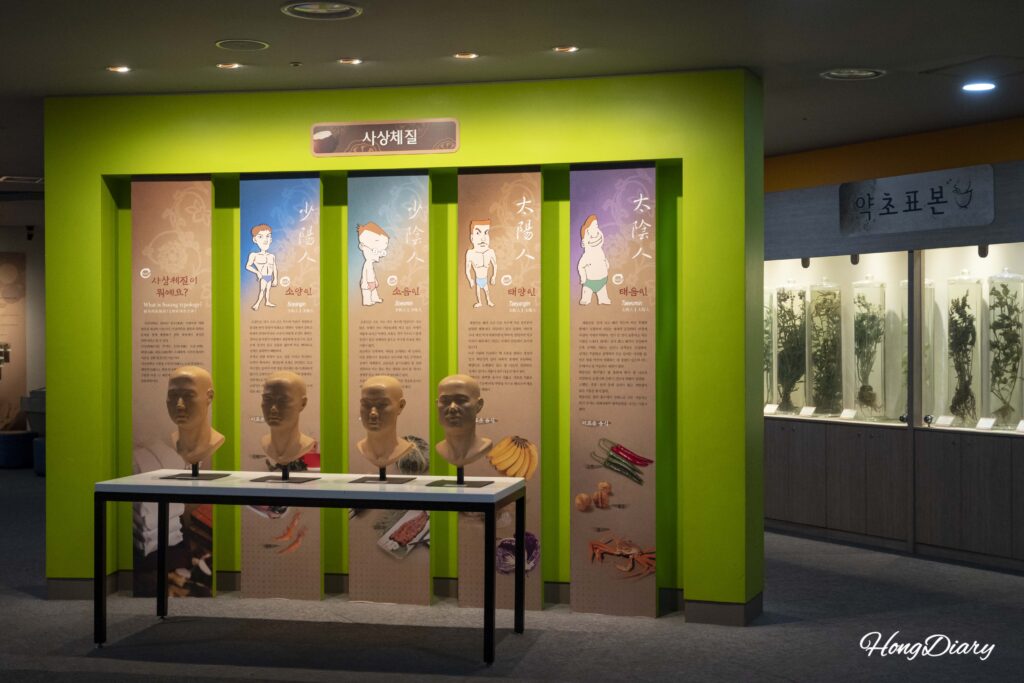
Concepts like yin and yang and the five elements are explained using illustrated panels and short animations, making this section accessible even without any background in traditional Korean medicine. If you’re visiting with children, this floor handles the educational content well — visual, interactive, and not text-heavy.
2nd Floor — Hands-On Experiences
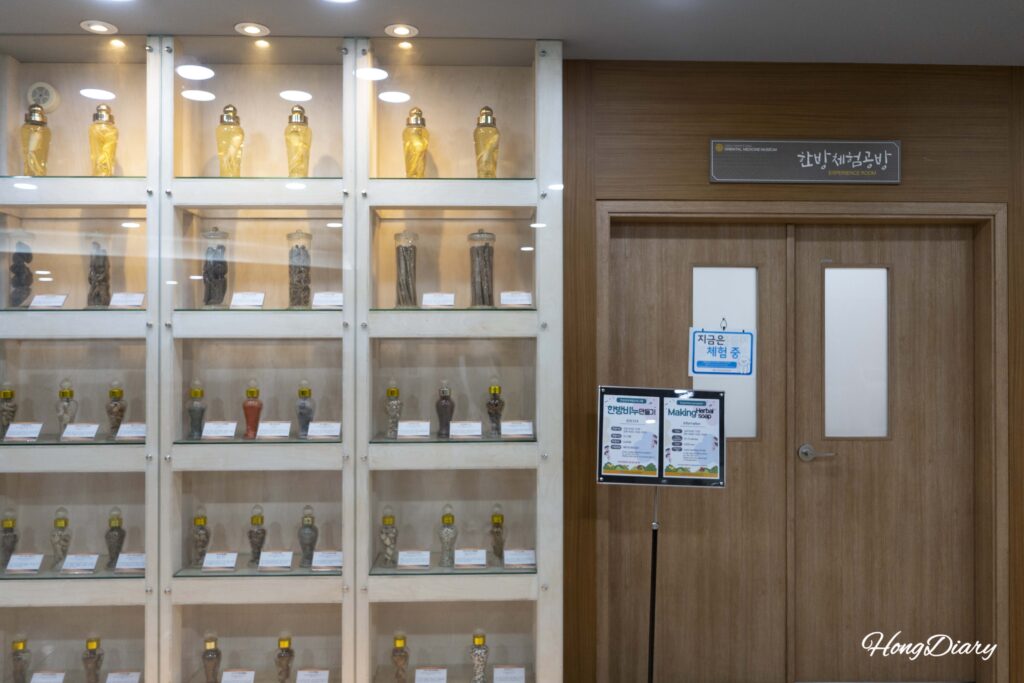
Coming down to the second floor, the mood shifts from exhibition to participation. This is where you can actually do things rather than just look at them.
The Herbal Health Experience Zone covers the principles of traditional medicine through interactive displays focused on the body and wellness. A separate section offers practical herbal health tips you can apply in daily life.
Hanbok Experience Room — Dress as a Joseon-Era Doctor
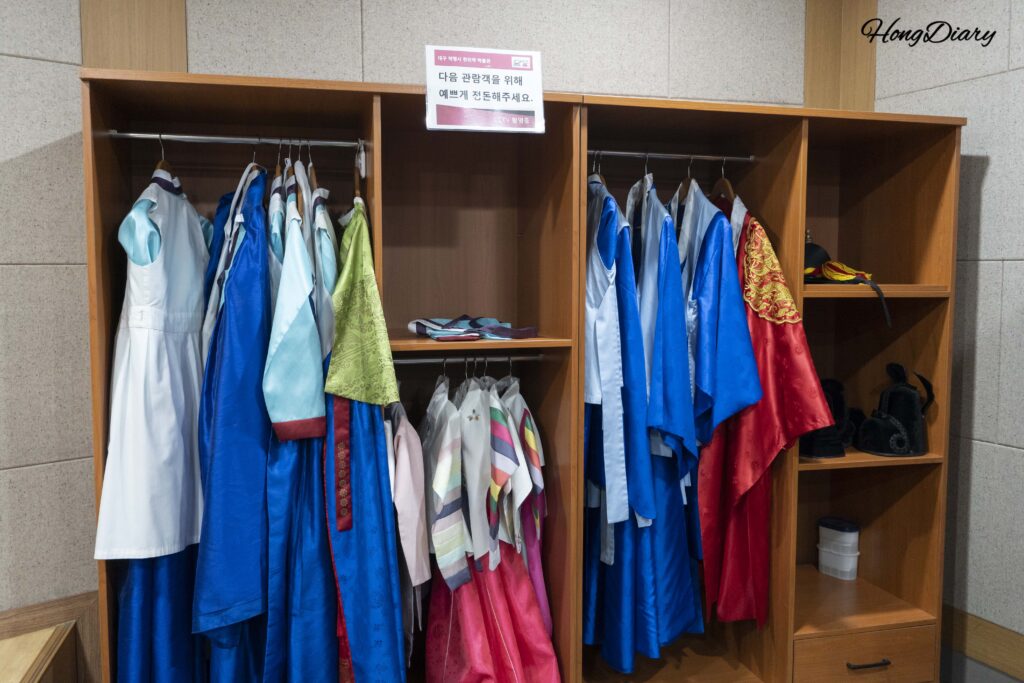
In the center of the 2nd floor is a free Hanbok experience room where you can try on traditional Korean clothing. What makes this one different from the typical Hanbok rentals you see at palaces is the selection: the costumes here are styled as uigwan (a traditional medical official, roughly equivalent to a royal physician) and uinyeo (a female medical practitioner, comparable to a nurse in the Joseon period). Given the museum’s theme, the outfits actually fit the context — you’re not just wearing a costume; you’re wearing one that belongs to the story this building tells.
Paid Experiences
A few hands-on workshops are available for a small fee:
| Program | Duration | Price | Notes |
|---|---|---|---|
| Herbal Foot Bath | 20 min | ₩5,000 / $3 USD / €3 EUR | Open to all, reservation required |
| Herbal Soap Making | 15 min (+30–40 min drying) | ₩4,000 / $3 USD / €2 EUR | Open to all, reservation required |
| Herbal Mist Making | 20 min | ₩5,000 / $3 USD / €3 EUR | Groups only (10–24 people) |
| Herbal Lip Balm Making | 20 min | ₩5,000 / $3 USD / €3 EUR | Groups only (10–24 people) |
I didn’t have time for the foot bath on this visit, but the dedicated room looked comfortable and well-set-up. On the last Wednesday of every month — Korea’s “Culture Day” — all paid experiences are discounted 20%.
The 2nd floor also has a nursing room, lockers, and a museum shop with herbal-themed souvenirs.
Step Outside — The Market Is the Museum
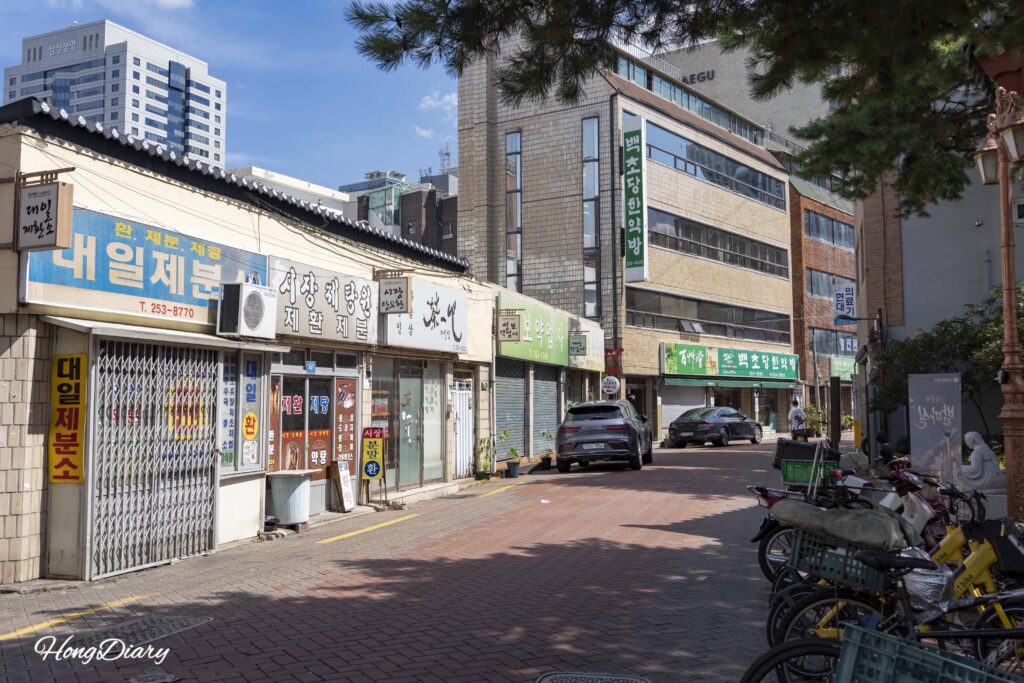
After finishing the museum, walk outside and you’re immediately in Yakjeon Alley — the actual working herbal medicine market that the museum was built to preserve. The transition is seamless. One moment you’re looking at a recreation of a 1910 herbal pharmacy; the next, you’re standing in front of a real one that’s been operating in some form since the 17th century.
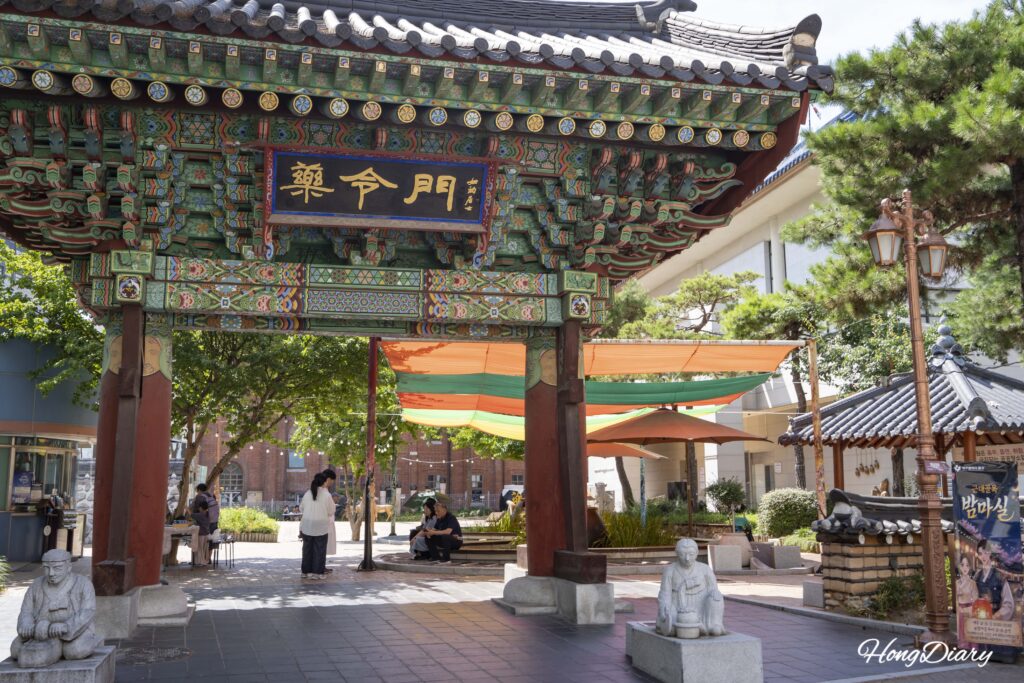
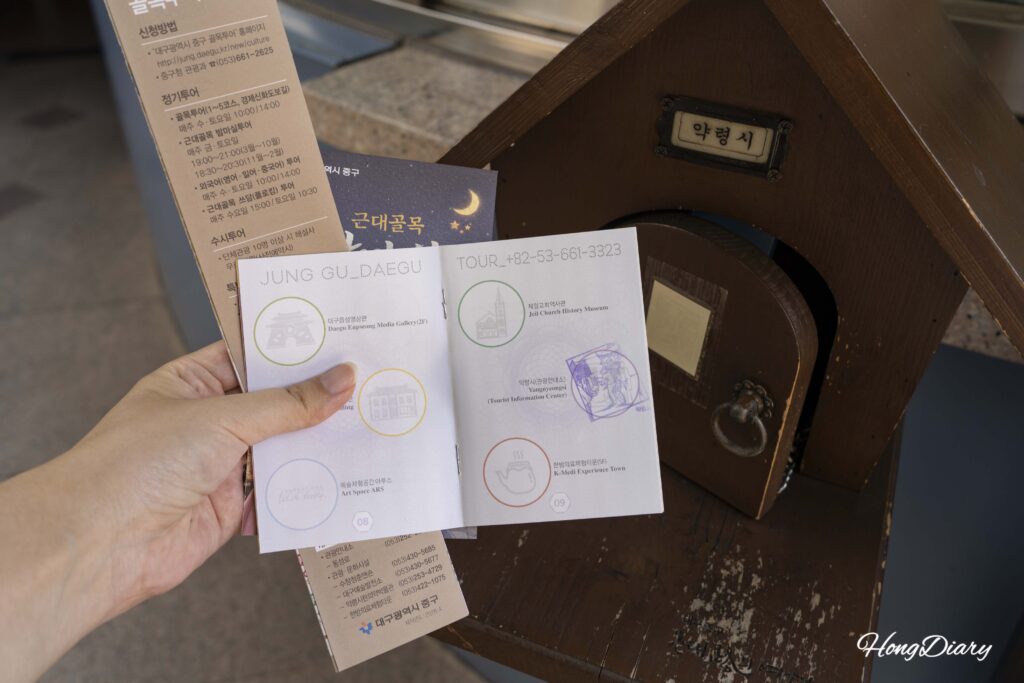
Next to the museum is Yakryeong Park, where an herbal-medicine-themed fountain sits surrounded by a reflexology walking path — rounded stones set into the ground for barefoot walking. There’s also an outdoor herbal foot bath station and a tourism information center where you can pick up stamp tour cards and area maps.
Nearby, the Yangnyeongsi Herbal Medicine Experience Town — run by Daegu Haany University — offers additional programs including herbal beauty treatments, VR/AR oriental medicine experiences, and a children’s “become a Korean doctor” workshop. If you have extra time, it extends the theme naturally.
By the time I left, I realized the museum alone would have been enough for a satisfying visit. But what makes this area special is that the museum doesn’t end at its walls. The entire district — the alley, the park, the experience centers — functions as one continuous space where a 370-year tradition is still alive and still selling herbs to people who use them.
If you’re spending more time in Daegu, a few other spots pair well with a visit here, depending on your mood and how the weather is behaving.
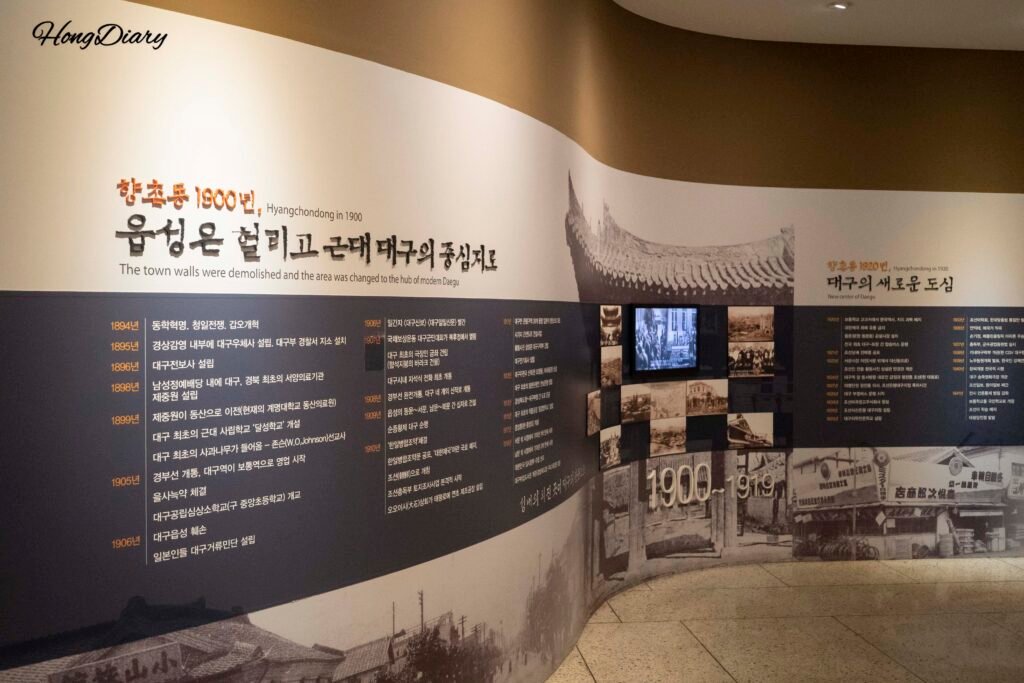
The Hyangchon Cultural Center is another indoor museum that surprised me — a former bank building in the city center converted into three floors of local history. If you liked the Yangnyeongsi Museum’s approach to preserving Daegu’s identity, this one works as a companion piece.
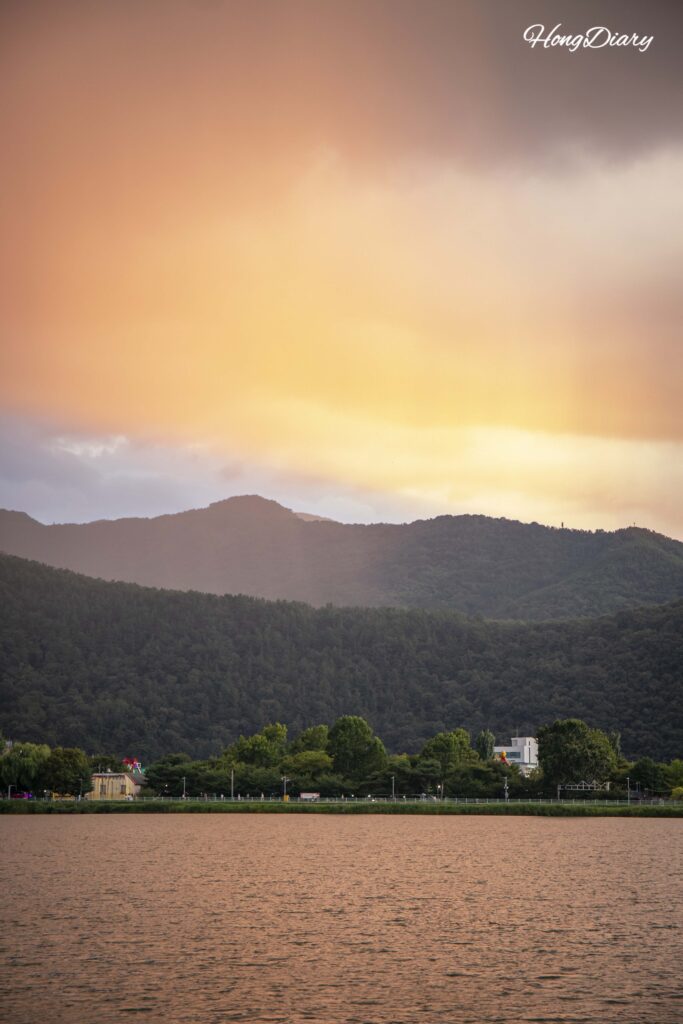
For something outdoors, Suseongmot is a lakeside park with a music fountain, walking paths, and one of the best sunset and night-view spots in the city. It’s the kind of place you go to after a museum morning when you want to sit and do nothing for a while.
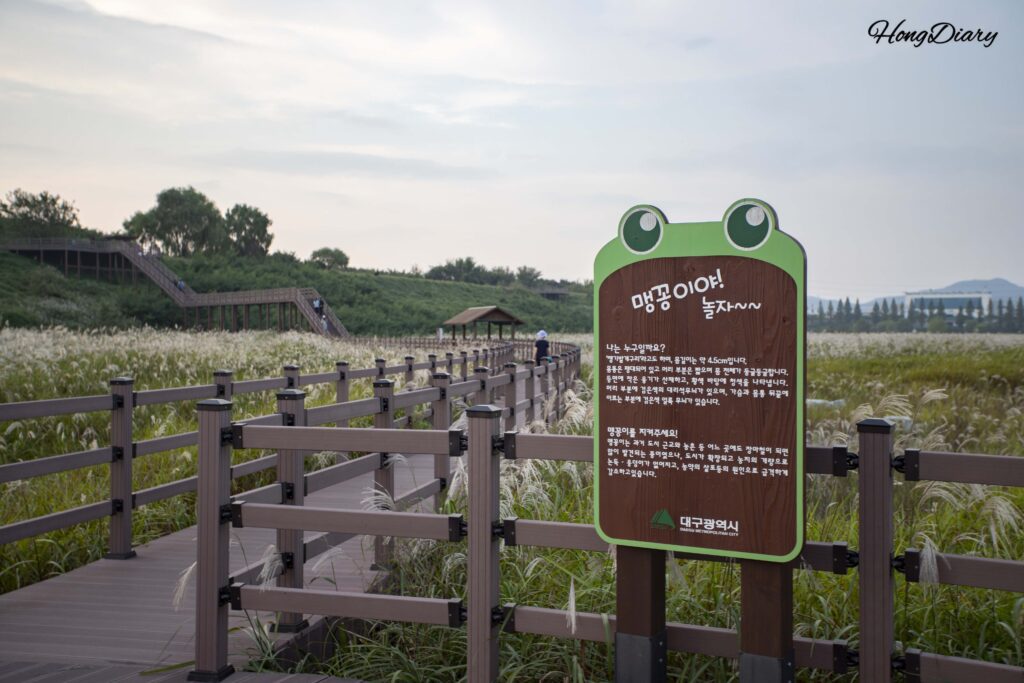
If you’re drawn to nature, Dalseong Wetland is a riverside reed field with protected wildlife — including a rare toad species — and a sunset walking trail that feels far removed from the city even though it isn’t.
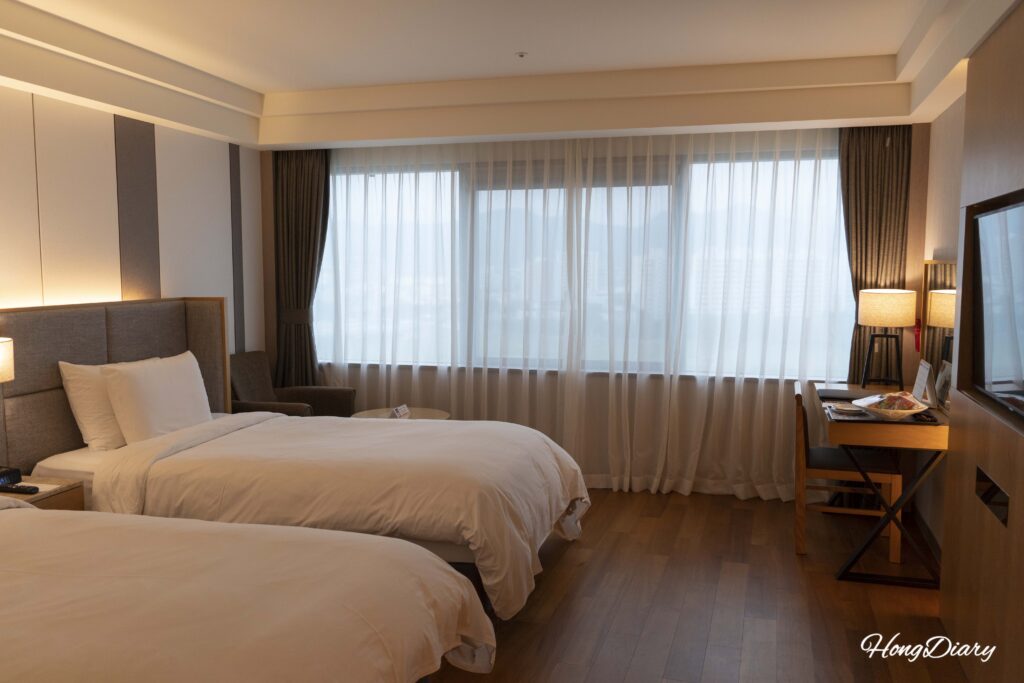
And if you need a place to stay, the Hotel Inter-Burgo Daegu is a five-star option on the Geumho River that delivers well above its price point. I stayed there and wrote an honest review — it’s one of the better value-for-money luxury stays I’ve found in Korea.
The Daegu Yangnyeongsi Museum is free, fully indoors, and sits in the middle of a district that’s been trading herbal medicine since before most countries had pharmacies. For a hot afternoon, a cold morning, or just a genuinely interesting two hours in Daegu’s city center, it’s one of the easiest recommendations I can make.
Visiting Daegu Yangnyeongsi Museum: FAQ & Travel Tips
How much does it cost to visit the Daegu Yangnyeongsi Museum?
Admission to all exhibitions on both floors is free. Paid experiences on the 2nd floor — such as the herbal foot bath (₩5,000 / $3 USD / €3 EUR) and herbal soap making (₩4,000 / $3 USD / €2 EUR) — are available separately. On the last Wednesday of every month (Korea’s Culture Day), paid experiences are discounted 20%.
How do I get to the Daegu Yangnyeongsi Museum by subway?
Take Daegu Subway Lines 1 or 2 to Banwoldang Station and use Exit 16 (toward Yangnyeongsi) or Exit 18 (toward Hyundai Department Store). Alternatively, take Line 1 to Jungangno Station, Exit 1, and walk about ten minutes. The museum is in Jung-gu, Daegu’s historic downtown.
What are the museum’s hours and when is it closed?
The museum is open from 09:00 to 18:00. It is closed every Monday. If Monday falls on a public holiday, the museum opens that day and closes the next weekday instead. It is also closed on January 1.
Is there an audio guide in English?
Yes. Audio guides are available in four languages — Korean, English, Chinese, and Japanese. You can borrow one at the information desk on the 3rd floor at no charge.
What is Yangnyeongsi?
Yangnyeongsi refers to a traditional market district that specialized in distributing and selling herbal medicine. The one in Daegu was established in 1658 under the Joseon Dynasty and grew to become the largest and longest-running herbal medicine market in Korea. The surrounding Yakjeon Alley still operates as an active herbal market today.
Can I try on Hanbok at the Daegu Yangnyeongsi Museum?
Yes. A free Hanbok experience room on the 2nd floor offers traditional Korean clothing styled as Joseon-era medical officials (uigwan) and female medical practitioners (uinyeo). No reservation is needed for the Hanbok experience.
What else is there to do near the Daegu Yangnyeongsi Museum?
Directly outside the museum is Yakjeon Alley, the active herbal medicine market. Yakryeong Park next door has a reflexology walking path, an outdoor foot bath station, and a tourist information center. The nearby Yangnyeongsi Herbal Medicine Experience Town offers additional programs including herbal beauty treatments, VR/AR experiences, and a children’s traditional doctor workshop.