
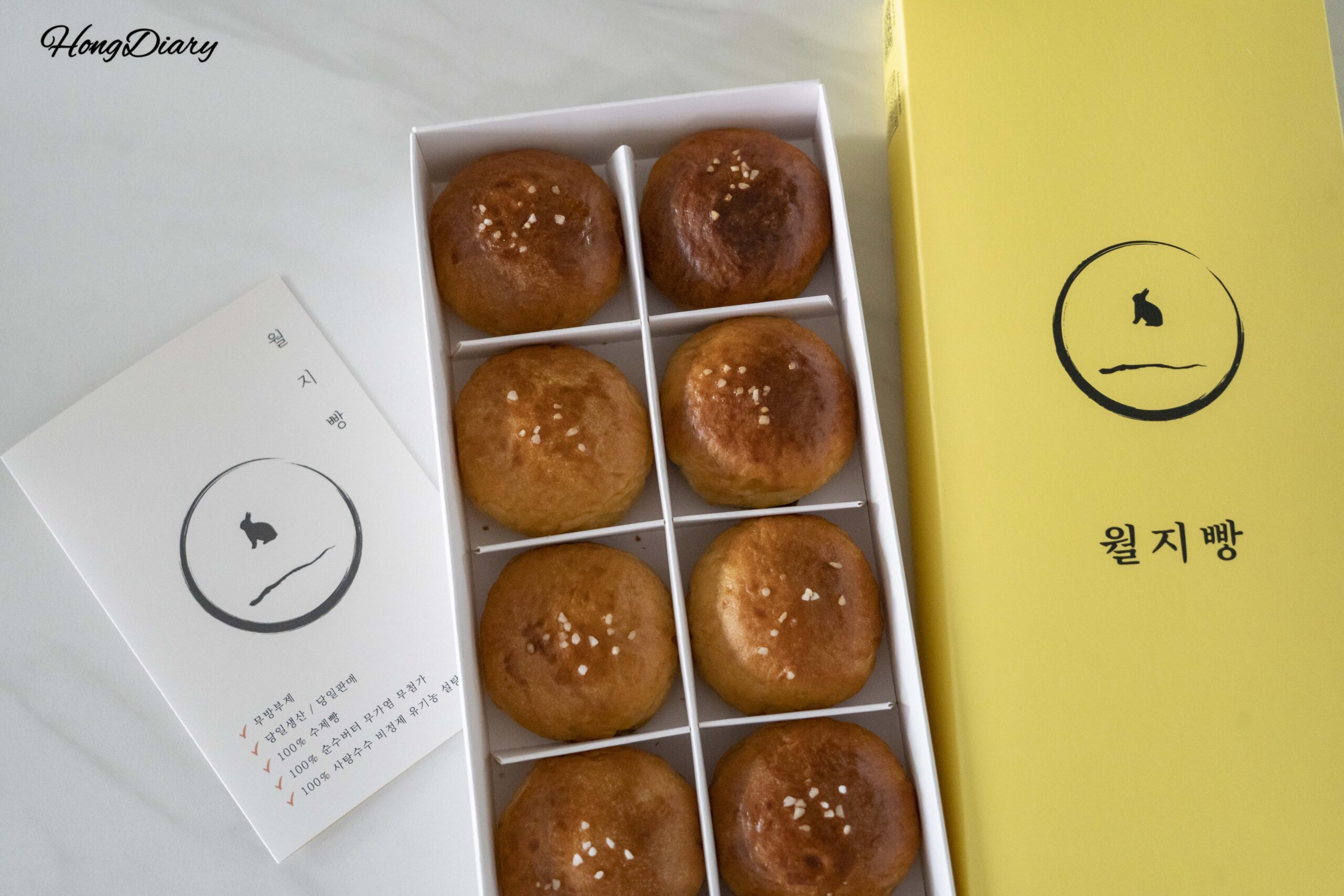
When most people think of Gyeongju souvenirs, Hwangnam-ppang and chalbori-ppang come to mind first. Red bean paste, thin dough, decades of tradition. I get it. But on my last trip, I came back with something completely different — a box of Gyeongju salt bread from a small hanok bakery I almost drove past.
Wolji Bread sits on Bunhwang-ro, a quiet street in Gyeongju’s downtown area within Gyeongsangbuk-do Province. The bakery is about a five-minute drive from Hwangridan-gil, the city’s busiest pedestrian food street, and not far from the Bomun Tourist Complex where many travelers base themselves. Despite being close to major sites like Donggung Palace and Wolji Pond, the stretch around Bunhwang-ro stays relatively calm and easy to navigate by car — which makes it a convenient final stop before heading out of the city.
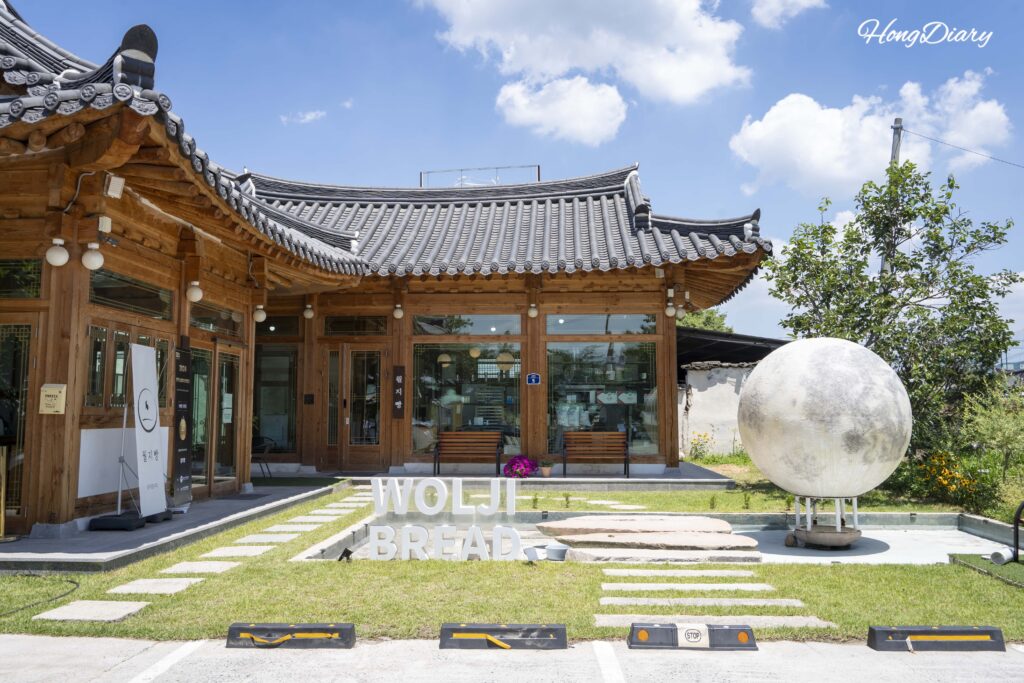
Table of Contents
Wolji Bread Gyeongju: Essential Visitor Information
| Detail | Info |
|---|---|
| Name | Wolji Bread |
| Address | 5 Bunhwang-ro, Gyeongju-si, Gyeongsangbuk-do |
| Hours | 10:00 AM – 6:00 PM |
| Closed | Every Wednesday |
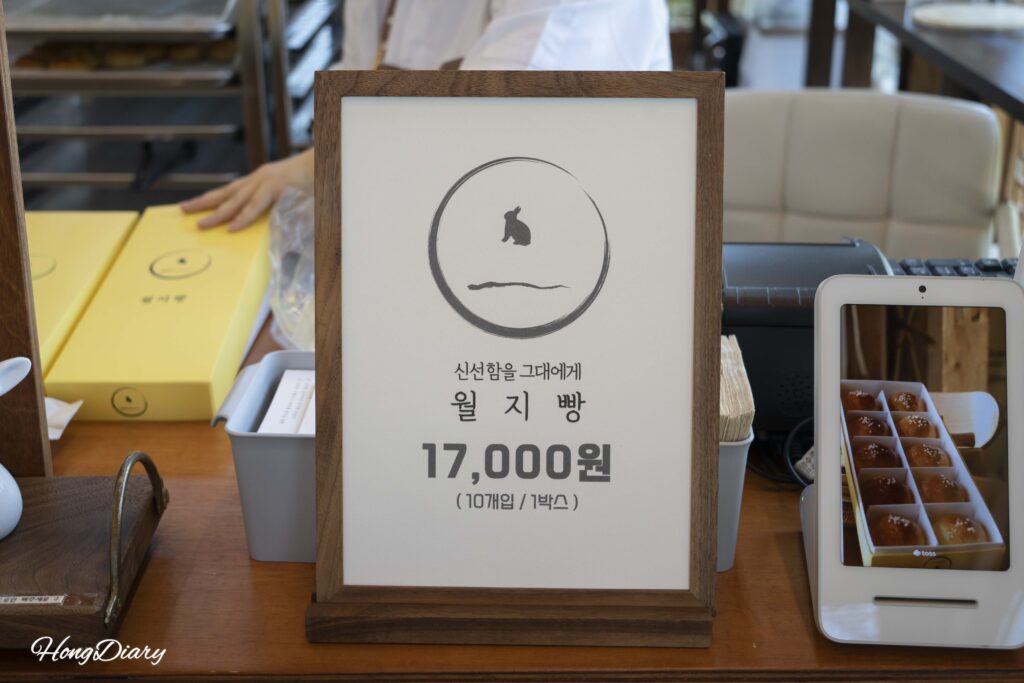
| Price | Box of 10 rolls: ₩17,000 (~$11 USD / €10 EUR) |
| Reservation | Available (recommended on weekends) |
What Is Korean Salt Bread? (And Why Full Moon?)
If you haven’t tried Korean salt bread before, here’s what you need to know: it’s a soft, butter-loaded bread roll with coarse salt sprinkled on top, giving it a balance of rich butteriness and gentle saltiness in every bite.
The concept originated in Japan as shio pan, and the trend crossed over to South Korea in the early 2020s, where bakeries put their own spin on it and turned it into a nationwide craze. The hype has cooled a bit since then, but in Gyeongju, salt bread is still very much a thing — and Wolji Bread is one of the reasons why. Their version stands out because of the shape: each roll is molded into a full moon, the kind you’d imagine a rabbit hiding inside, a nod to the old East Asian folktale about the moon rabbit.
The Hanok Bakery with a Promise
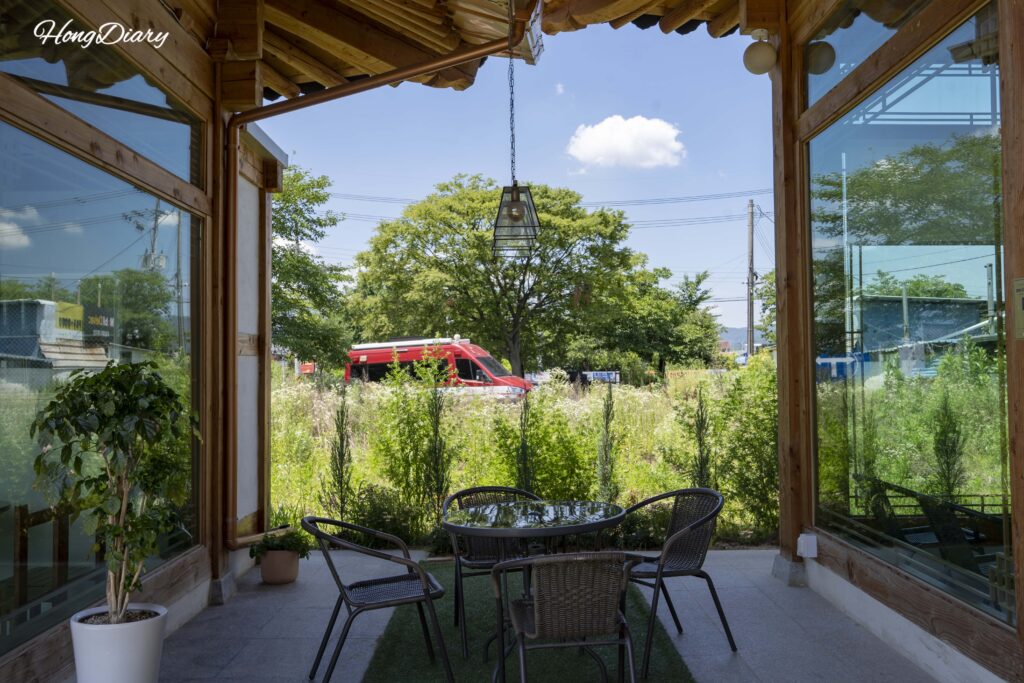
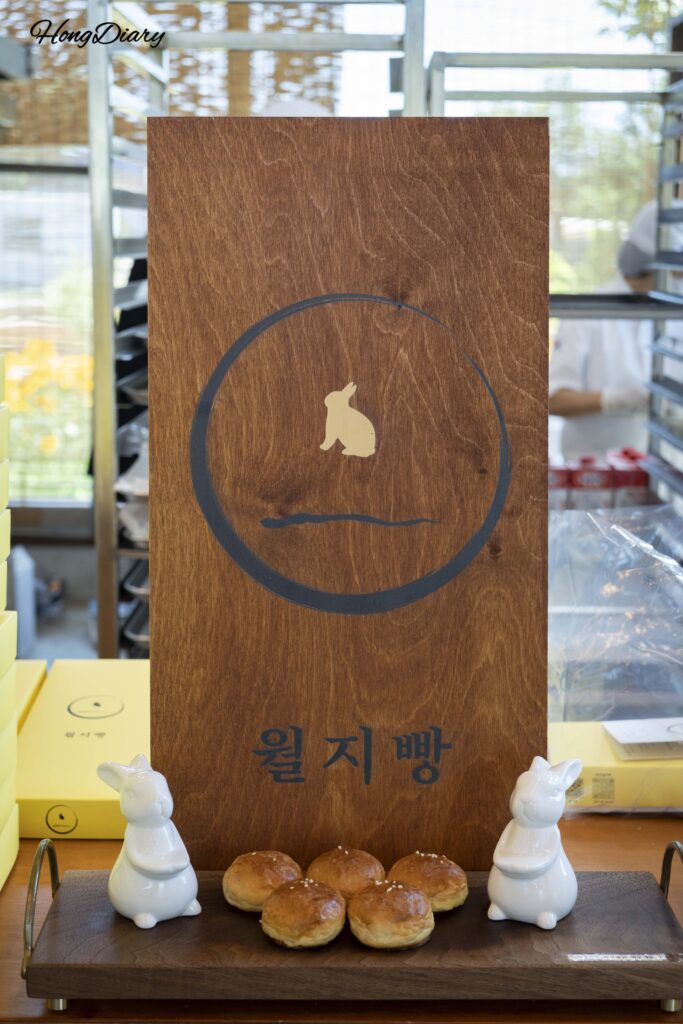
The first thing you notice is the building itself. Wolji Bread operates out of a tidy hanok structure with a small courtyard and a round photo spot shaped like a full moon at the entrance. The signage is minimal, the interior gets plenty of natural light, and the overall feel is more like a small design shop than a typical Korean bakery.
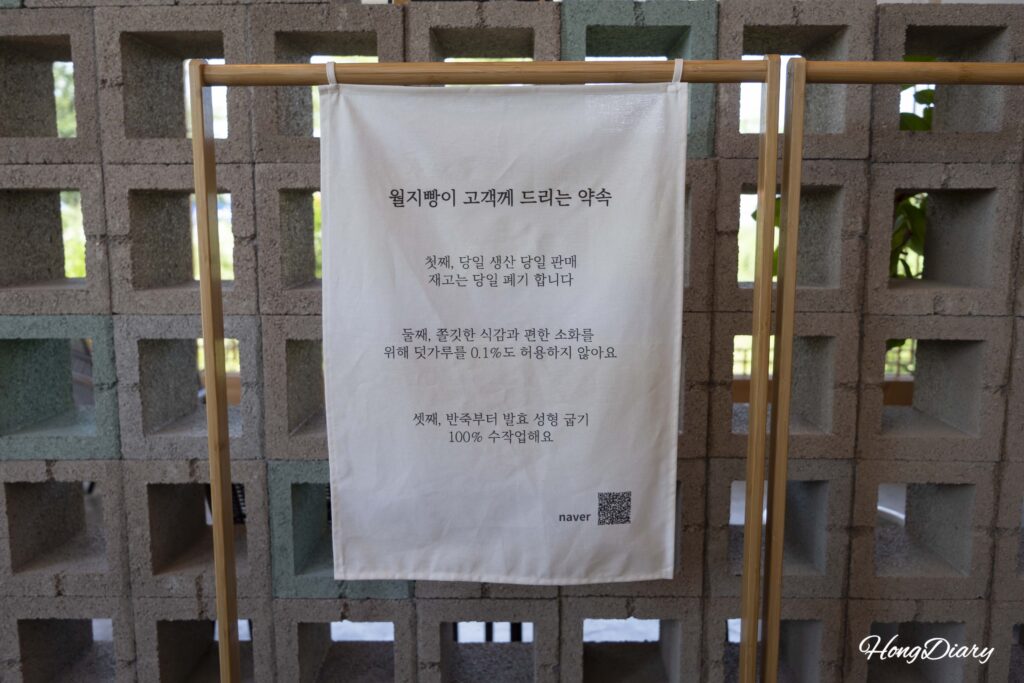
Inside, a posted sign lays out the bakery’s commitments to customers. Every roll is baked and sold on the same day, with unsold stock discarded at closing. No extra dusting flour is used — the team says this keeps the texture chewier and easier to digest. And the entire process, from mixing the dough to shaping each roll to loading the oven, is done by hand. No automation, no shortcuts.
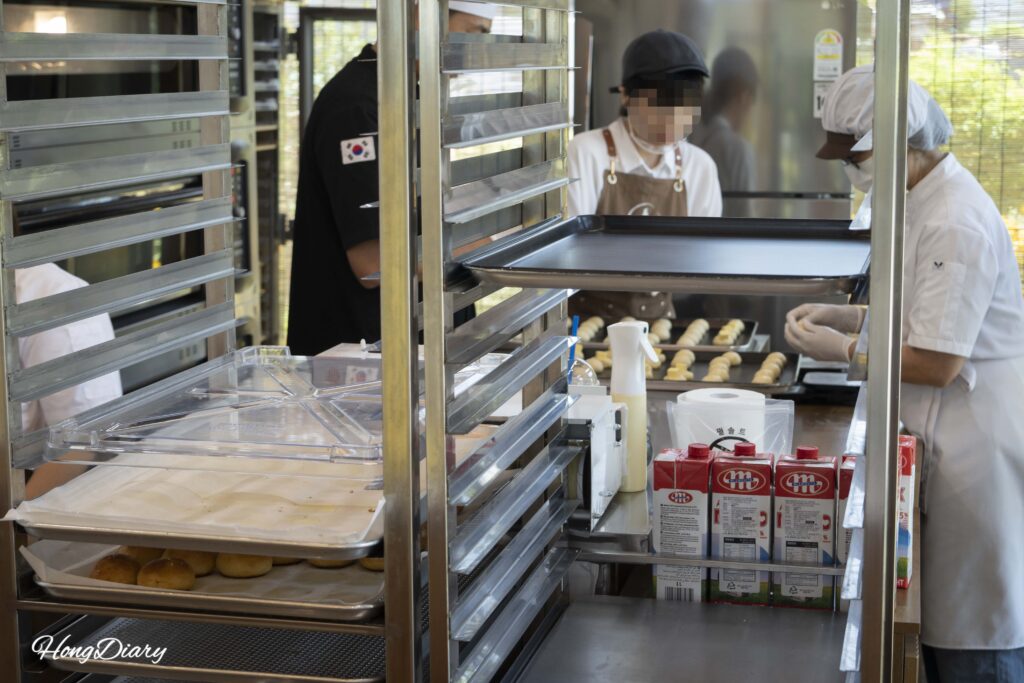
Whether or not these details matter to you flavor-wise, they signal a level of care that sets this place apart from larger bakeries churning out hundreds of loaves on conveyor belts. When every step is manual, you start to understand why each roll comes out with a slightly different character — and why they only produce a limited batch each day.
Ordering and Pickup
I placed a reservation ahead of time and picked up my box right when I walked in. If you’re visiting on a weekend or during a holiday period, calling ahead is the move — those slots tend to sell out. On a regular weekday, though, you can usually walk in and grab a box without any trouble.
When I arrived, the bakers were shaping fresh rolls behind the counter in plain view. Watching them work added a nice touch to the experience. You could see each piece of dough being individually molded into that round, full-moon form before heading into the oven.
Unboxing the Full Moon Salt Bread
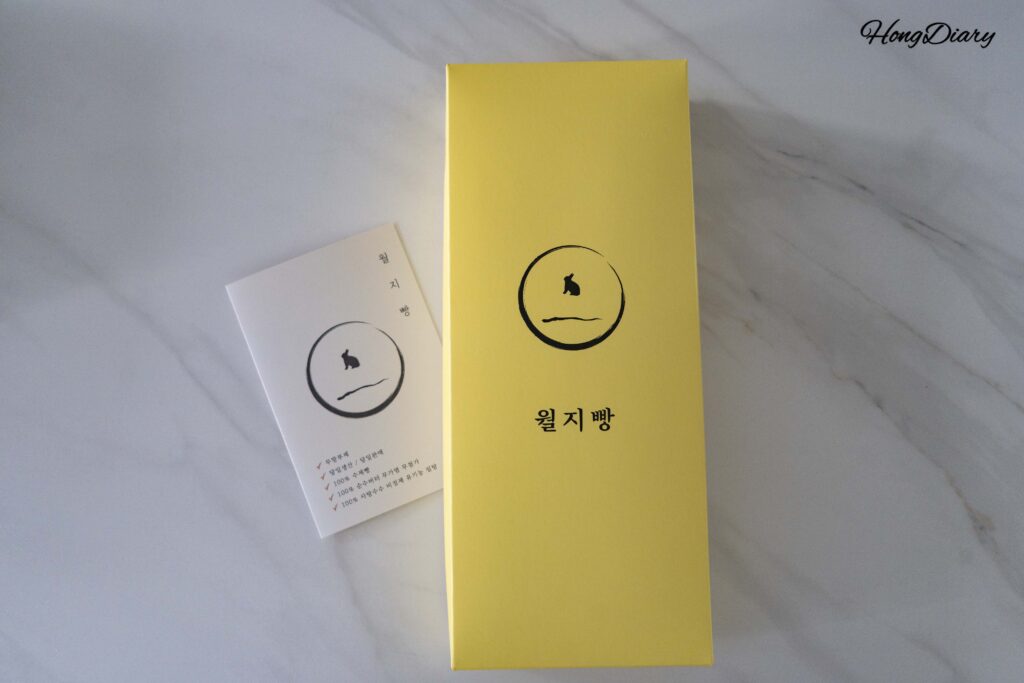
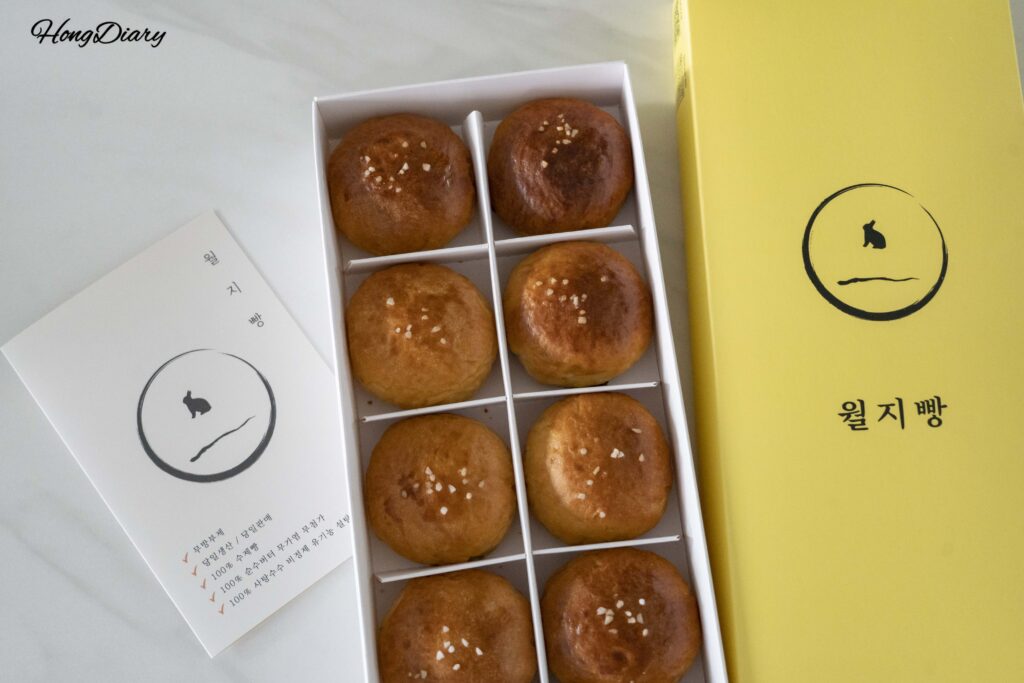
The box comes wrapped in a bright yellow package that honestly looks more like a gift than a bakery purchase. If you handed this to someone without context, they’d assume it was something from a specialty boutique.
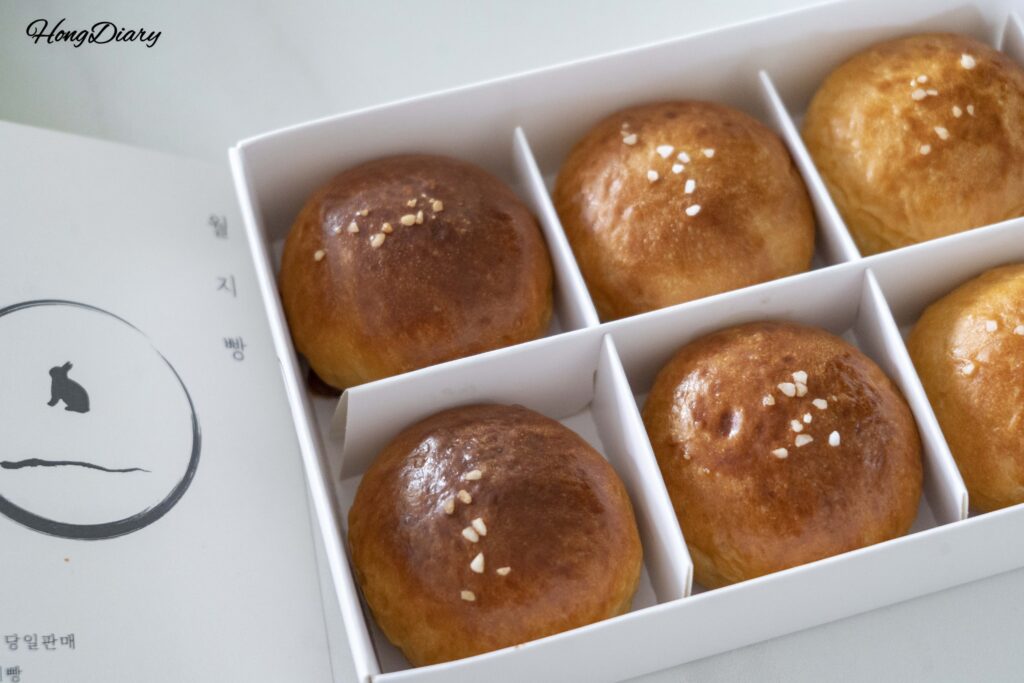
Inside, ten moon-shaped rolls sit neatly in a row. Each one is dusted with coarse salt crystals on top — not fine table salt, but the kind with visible, crunchy grains that catch your eye before you even take a bite.
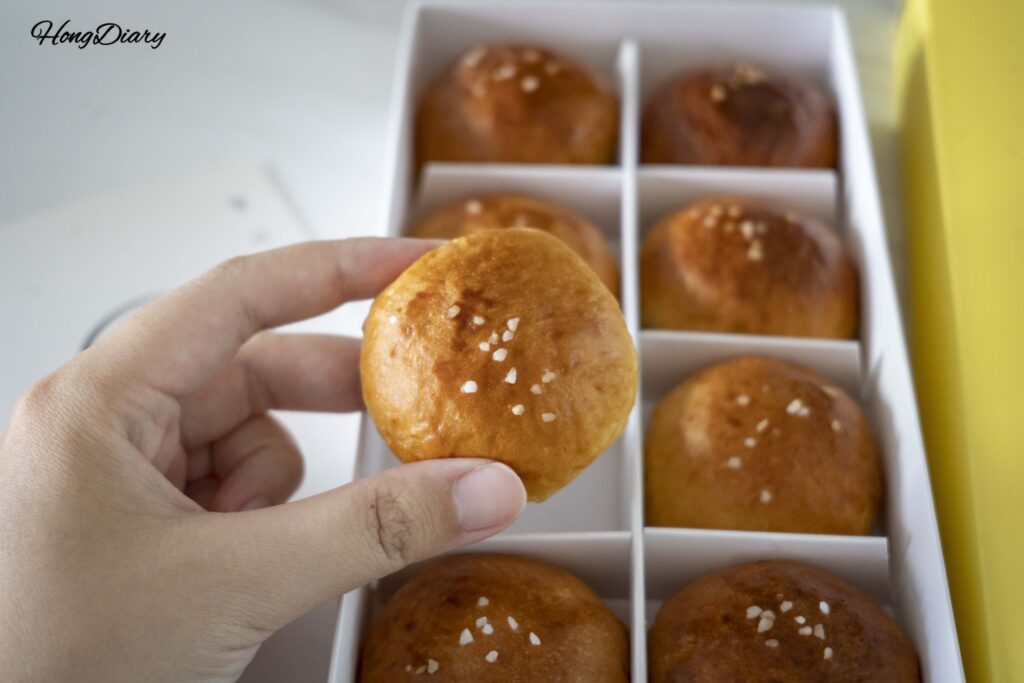
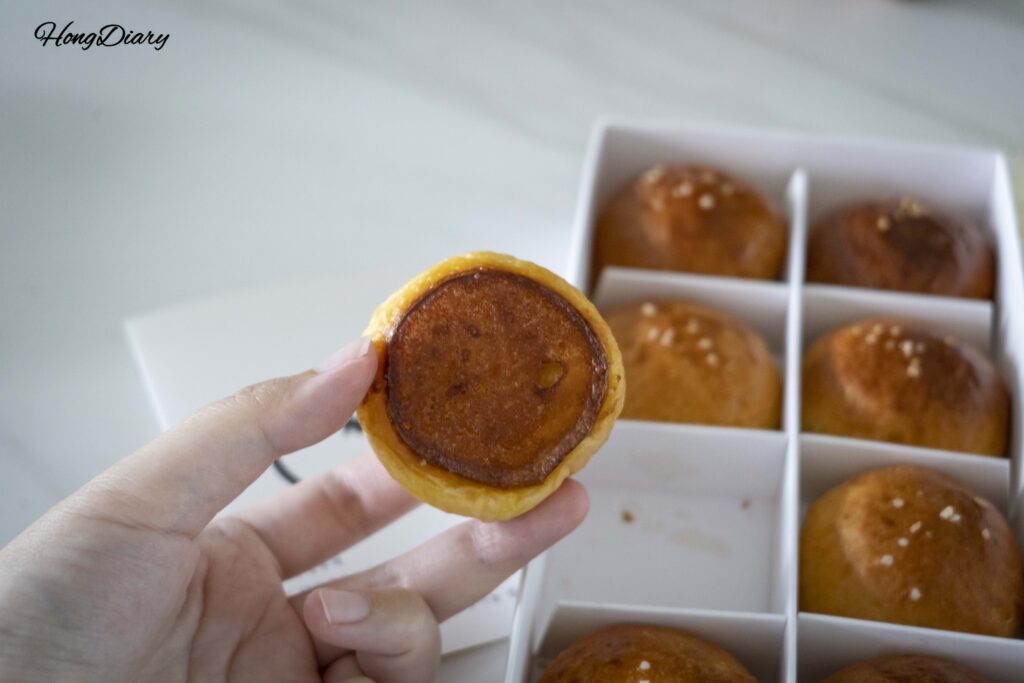
I picked one up and the butter aroma hit immediately, gentle but unmistakable. The top is soft and pillowy, with a slight chew that makes you slow down while eating. The butter melts gently on your tongue, and the warmth sticks around just long enough. But the real standout is the bottom. Flip the roll over and you’ll see a golden, almost caramelized crust where the butter pooled and crisped up during baking. That contrast — crispy base, chewy top — is what keeps you reaching for the next one.
The salt level is restrained. It’s enough to bring out the butter flavor without making the bread taste heavy. My son loves bread more than anything — and watching him tear through these with a huge grin made the detour worth it all on its own. They’re mild enough for young kids and satisfying enough for adults who like something savory-leaning without the full salt punch.
Is It Worth It as a Gyeongju Souvenir?
This is where Wolji Bread makes a strong case. Hwangnam-ppang is the classic choice, and chalbori-ppang has its loyal fans. But both lean sweet, and both have been around for decades. Wolji Bread fills a gap: a buttery, lightly salted alternative with a visual presentation that works as a gift right out of the box.
There are a few practical things to keep in mind for storage, though. These rolls contain no preservatives, so the bakery recommends eating them the same day. For short-term storage, keep them in a cool spot at room temperature. If you need to keep them longer than that, freeze the box and reheat later by thawing at room temperature, or warming them briefly in a microwave or air fryer. The air fryer method in particular brings back the crispy bottom nicely.
At ₩17,000 (~$11 USD / €10 EUR) for ten rolls, the price sits in a reasonable range for a specialty bakery item — especially one that doubles as a souvenir with packaging this polished.
Wrap-Up
Wolji Bread ended up being the last stop on my Gyeongju trip, and it turned out to be one of the most memorable. The full-moon shape, the no-nonsense baking philosophy, the butter-crisped base — it all adds up to something worth seeking out, especially if you’ve already done the Hwangnam-ppang circuit and want a different take on Gyeongju’s bakery scene.

Since the bakery is just a short drive from the main tourist corridor, it pairs well with a morning spent browsing Hwangridan-gil, Gyeongju’s most walkable food and cafe street.
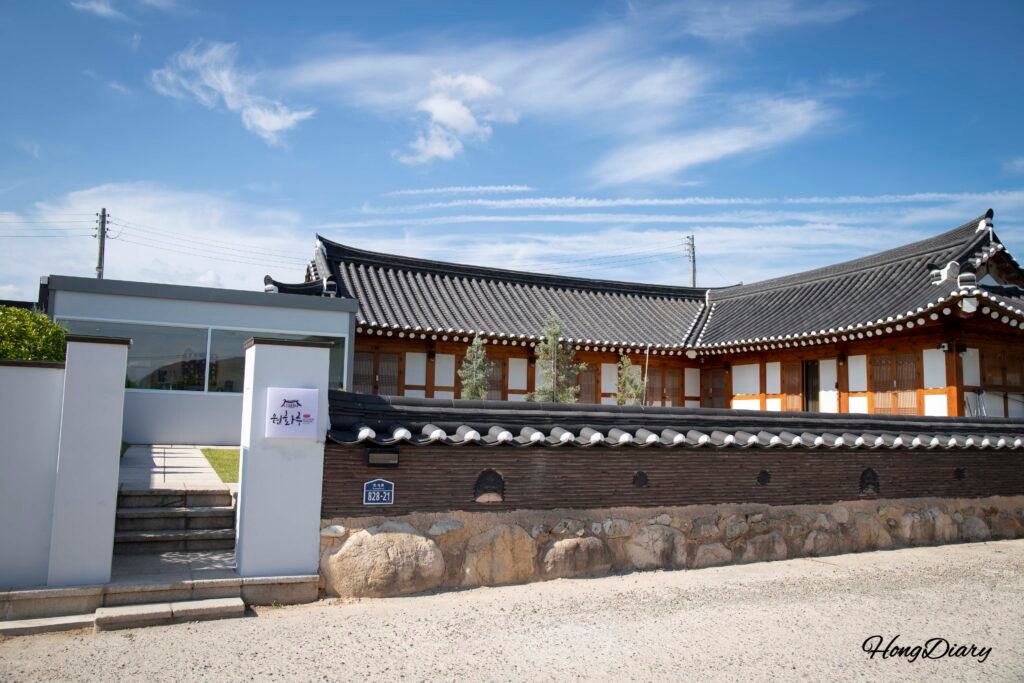
And if you’re staying in the Bomun area, Wonhwaru is a hanok guesthouse nearby with a resident cat, free breakfast, and the kind of stillness that earns its keep — a solid base for exploring this side of the city at a slower pace.
Gyeongju salt bread wasn’t on my radar before this trip. Now it’s the thing I’d tell a friend to grab before leaving town.
Wolji Bread Gyeongju: Frequently Asked Questions
What is Wolji Bread in Gyeongju?
Wolji Bread is a small hanok-style bakery on Bunhwang-ro in Gyeongju that specializes in moon-shaped salt bread rolls. Each roll is handcrafted daily, baked with butter, and topped with coarse sea salt. The full-moon shape is a distinctive feature, and the bakery follows a same-day baking and same-day sales policy with no preservatives.
How much does a box of Gyeongju salt bread at Wolji Bread cost?
A box of 10 salt bread rolls at Wolji Bread costs ₩17,000, which is approximately $11 USD or €10 EUR. The box comes in bright yellow gift-ready packaging, making it a convenient edible souvenir to bring home from Gyeongju.
Where is Wolji Bread located, and how do I get there from Hwangridan-gil?
Wolji Bread is located at 5 Bunhwang-ro, Gyeongju-si, Gyeongsangbuk-do. It is about a five-minute drive from Hwangridan-gil, the city’s main pedestrian food street. The bakery sits on a relatively quiet road that is easy to access by car, with parking available nearby.
Do I need a reservation to buy Wolji Bread?
On weekdays, you can usually walk in and buy a box without any issues. On weekends and holiday periods, however, popular time slots tend to sell out, so placing a pickup reservation in advance is recommended. This lets you grab your box as soon as you arrive, which is especially convenient if you are stopping by on your way out of the city.
What does Gyeongju salt bread taste like compared to Hwangnam-ppang?
Gyeongju salt bread at Wolji Bread has a soft, chewy top with a crispy, butter-crisped base and a light dusting of coarse sea salt. The flavor is buttery with mild saltiness, very different from Hwangnam-ppang, which is a sweet pastry filled with red bean paste. Wolji Bread offers a savory-leaning alternative for travelers who prefer something less sweet.
How should I store Wolji Bread if I cannot eat it the same day?
Wolji Bread contains no preservatives, so same-day consumption is recommended for the best texture. For short-term storage, keep them in a cool spot at room temperature. If you need to store the rolls longer than that, freeze them in the sealed box. When ready to eat, thaw at room temperature or reheat briefly in a microwave or air fryer. Using an air fryer helps restore the crispy butter base.
Is Wolji Bread a good souvenir gift to bring back from Gyeongju?
Yes — the polished yellow packaging and uniform full-moon shape make Wolji Bread one of the more visually appealing edible souvenirs available in Gyeongju. It works well as a gift straight from the bakery. Keep in mind the same-day freshness policy if you plan to share it after traveling, and freeze the box if needed for longer storage.