
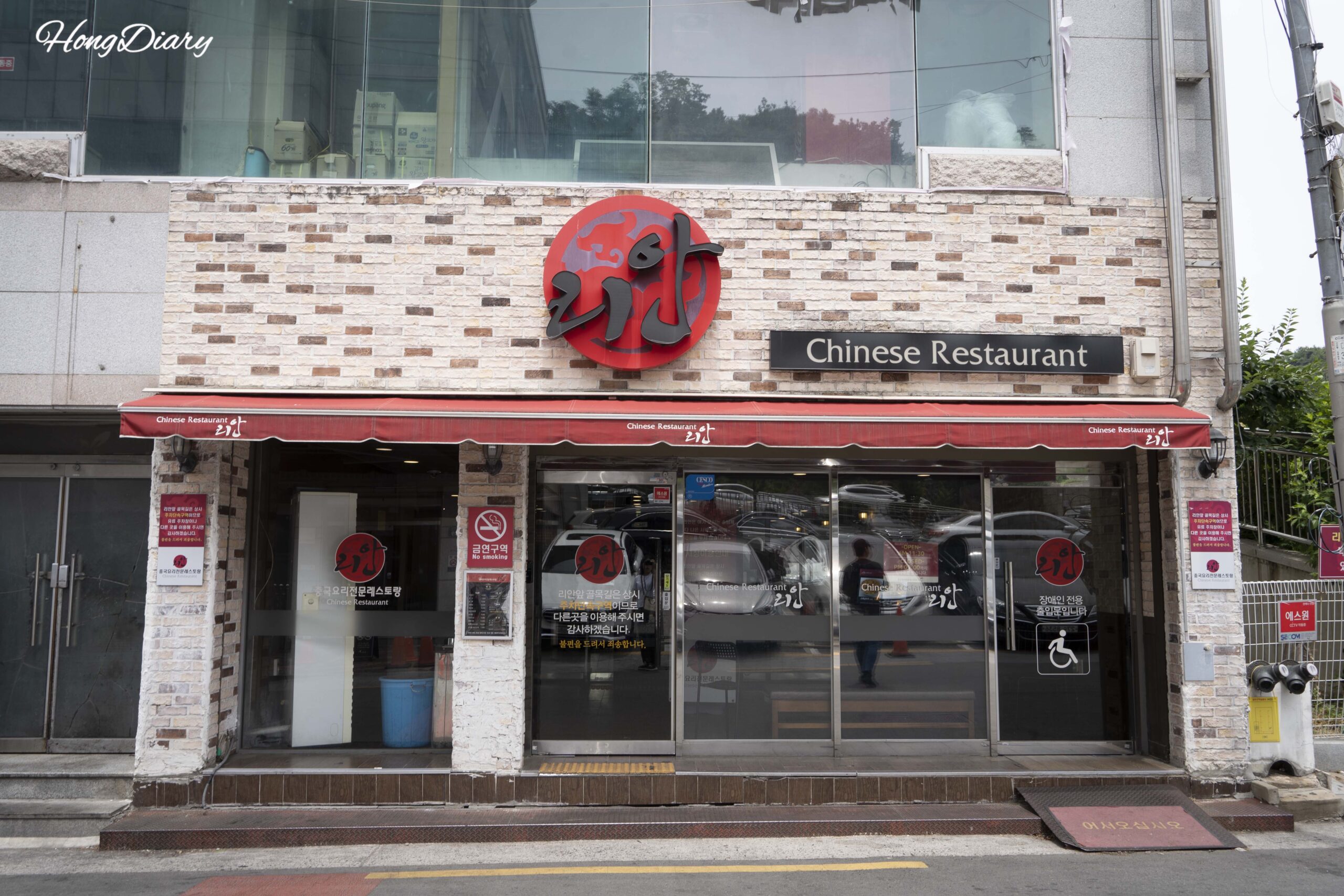
The first time I ate at Lian restaurant in Daegu was seven years ago. It was a Sunday, the wait was long, and parking was a disaster. So when I came back this time — on a Thursday, with two friends, by car — I expected things to be easier. The parking situation was not easier. But the food was exactly as good as I remembered, and that is the whole point of this place.
Lian is a single-location restaurant tucked into a narrow alley in the Suseong-gu district of Daegu, about a five-minute walk from Damti Station on Subway Line 2. It has no franchise, no branches, no second location. If you want to eat here, you come here — and people do, some traveling from Busan (about 50 minutes by KTX) specifically for a bowl of yakiudon.
Table of Contents
Daegu — A City That Takes Food Seriously
Most travelers to Korea head straight for Seoul or Busan, but Daegu is the city that Koreans themselves visit when they want to eat well. It is widely known within the country as a food destination, and on weekends, restaurants across the city fill up with visitors from neighboring provinces. Lian is one of the places that keeps that reputation intact, drawing a loyal crowd of students from nearby Suseong University, local residents, and out-of-town visitors who heard about the yakiudon and made the trip.
Essential Information: How to Get to Lian Daegu (Hours, Parking & Transit)
| Detail | Information |
|---|---|
| Restaurant | Lian (Korean-Chinese cuisine) |
| Address | 48 Gyohak-ro 4-gil, Suseong-gu, Daegu |
| Hours | 11:30 AM – 9:00 PM |
| Closed | Only on Chuseok and Seollal (Korea’s two major holidays, dates vary yearly) — open every other day |
| Subway | Daegu Line 2, Damti Station Exit 2 → 400 m walk (~5 min) |
| Parking | Small dedicated lot behind the building; spaces fill up fast. Street parking in front is a tow-away zone — fines are enforced |
| Reservations | Not accepted. Walk-in only with chalkboard waitlist |
| Note | Uses 100% Korean-sourced pork and rice |
What to Order
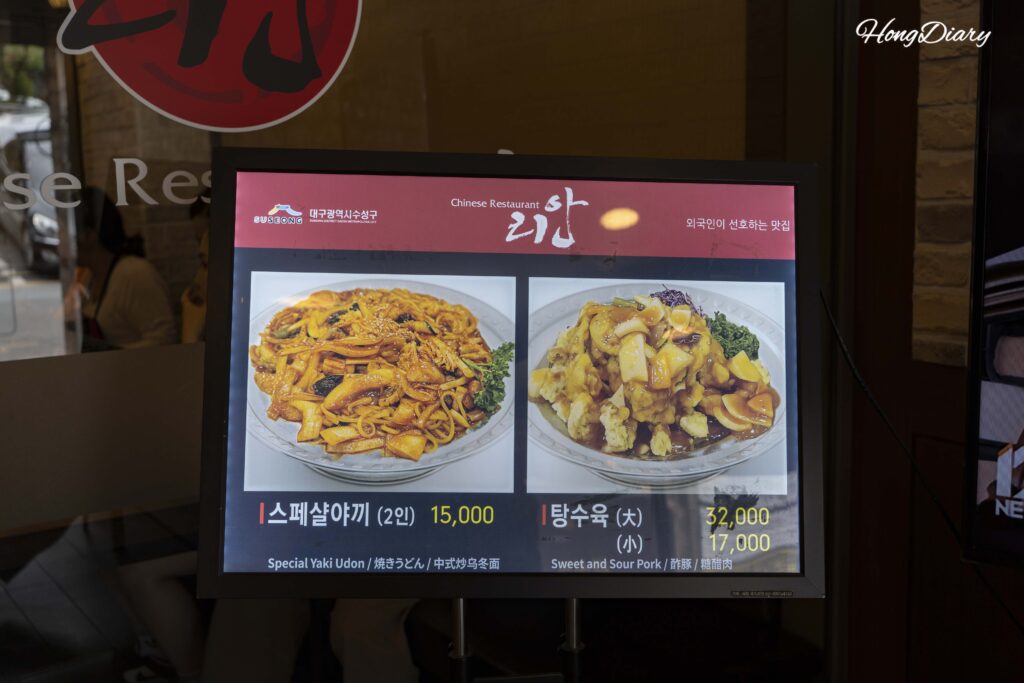
Lian serves what Koreans call junghwa yori — Korean-Chinese cuisine. This is a distinct culinary category that developed over the past century through Chinese immigrants in Korea. Dishes like jajangmyeon and tangsuyuk share Chinese roots but have evolved into something entirely their own, and most Koreans grow up eating them regularly. Lian’s menu covers the standard range — jajangmyeon (black bean noodles), jjamppong (spicy seafood noodle soup), fried rice, dumplings — but the two items that built this restaurant’s reputation are the yakiudon and the chapssal tangsuyuk.
| Menu Item | What It Is | Price |
|---|---|---|
| Yakiudon | Stir-fried noodles with seafood and vegetables in a spicy-sweet sauce | ₩9,000 / $6.00 USD / €5.09 EUR |
| Special Yaki | Larger portion with extra seafood, serves 2 | ₩15,000 / $10.00 USD / €8.48 EUR |
| Tangsuyuk (S) | Korean-style sweet and sour fried pork (glutinous rice batter), small | ₩17,000 / $11.33 USD / €9.61 EUR |
| Tangsuyuk (L) | Same dish, larger portion | ₩32,000 / $21.33 USD / €18.09 EUR |
| Special Jjajang | Premium black bean noodles, serves 2 | ₩15,000 / $10.00 USD / €8.48 EUR |
| Jajangmyeon | Classic black bean noodles | ₩6,000 / $4.00 USD / €3.39 EUR |
| Jjamppong | Spicy seafood noodle soup | ₩8,000 / $5.33 USD / €4.52 EUR |
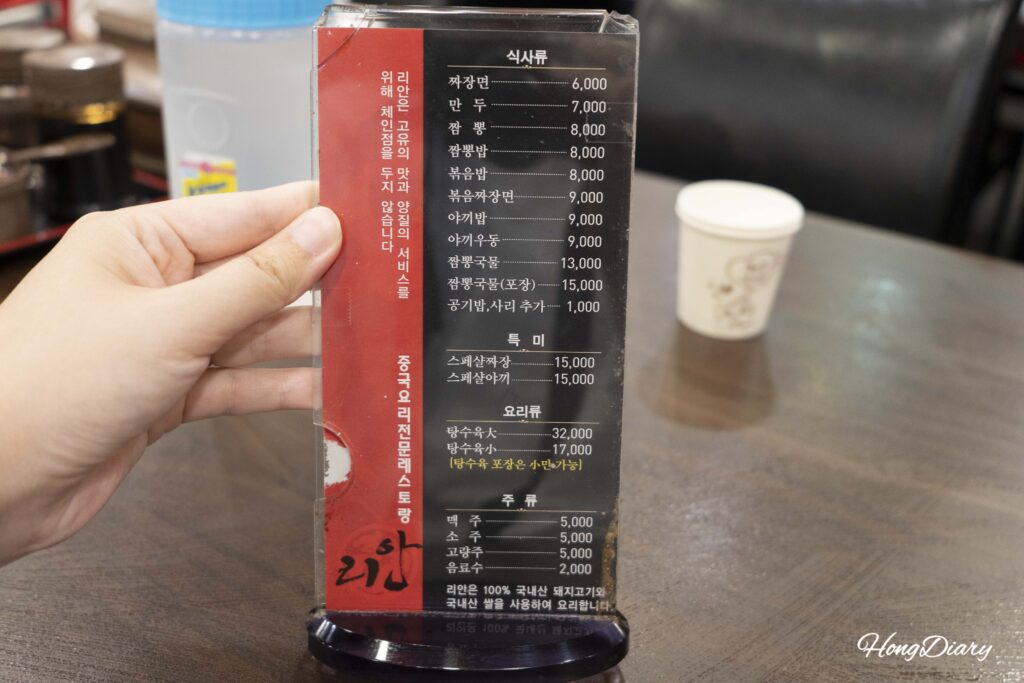
The full menu also includes dumplings (₩7,000 / $4.67 USD / €3.96 EUR), fried rice (₩8,000 / $5.33 USD / €4.52 EUR), and drinks. The “Special” versions of both the yakiudon and jjajang are sized for two people, so if you’re dining in a group, ordering one of each to share is the way to go. Takeout is available, though from July through September, leftover food cannot be packed to go due to food safety concerns in the summer heat.
The Wait and the Chalkboard
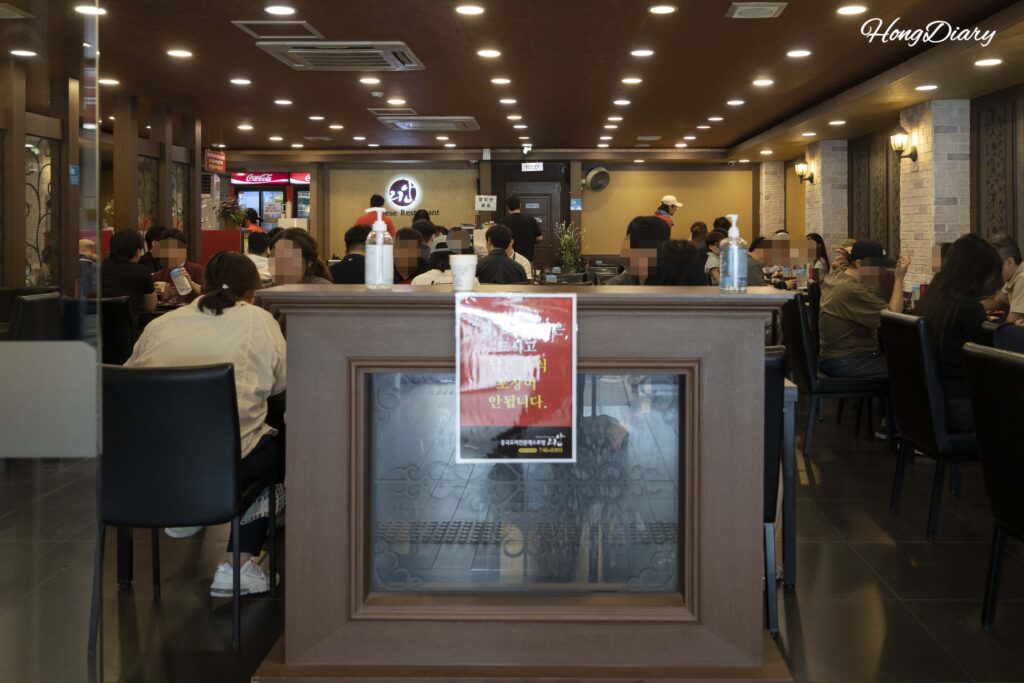
Lian does not take reservations. When you arrive, you step inside and find a chalkboard near the entrance. You write your name and the number of people in your group, then wait to be called. When I arrived on a Thursday around lunchtime, there were about ten groups ahead of me. I expected a long wait, but the turnover was faster than I thought — the kitchen moves quickly, and most tables don’t linger.
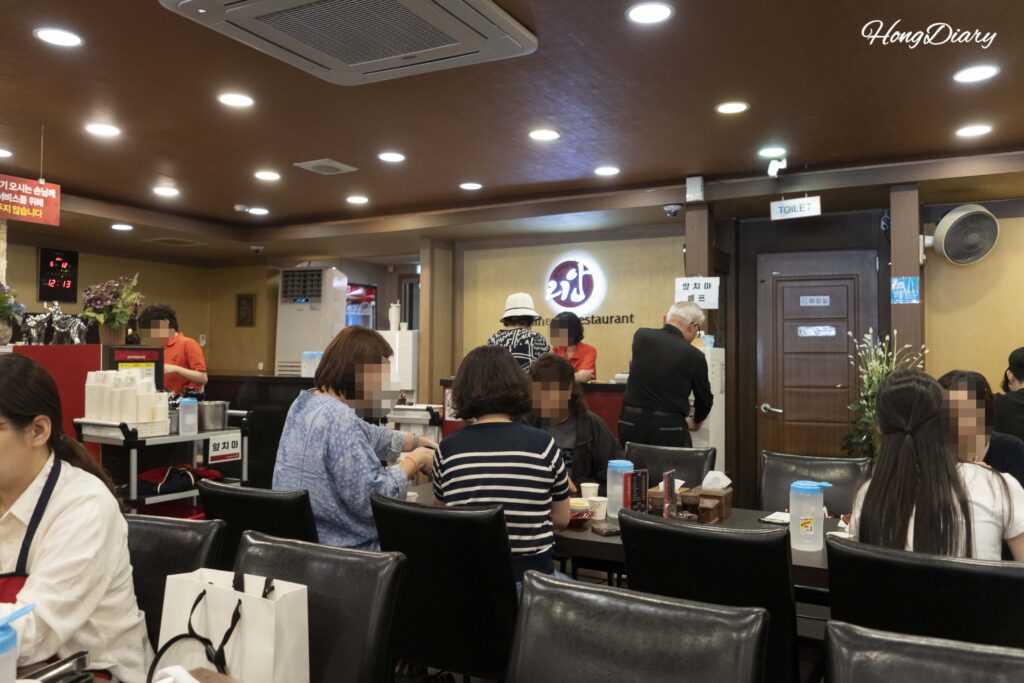
On weekends, the wait is longer. Seven years ago, on a Sunday, I remember the line stretching outside. If you’re visiting on a weekday, the lunch window between noon and 2:00 PM is your best bet. On Sundays, a church across the street adds to the congestion, making both parking and waiting worse.
One detail I noticed while waiting: the display area near the entrance features photos of the two signature dishes — yakiudon and tangsuyuk — set apart from the rest of the menu. Once I was seated, I looked around and realized that almost every table had a plate of yakiudon on it, regardless of what else they ordered.
Tangsuyuk First
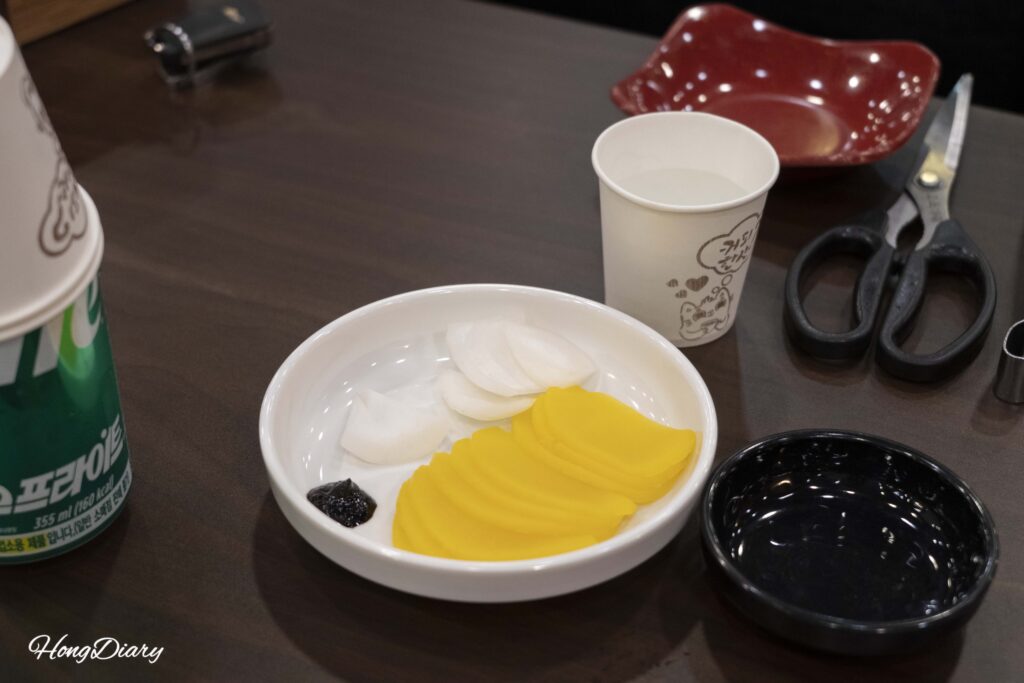
The side dishes arrived first — sliced raw onion, pickled radish, and black bean paste for dipping, the standard trio at any Korean-Chinese restaurant. Then came the tangsuyuk.
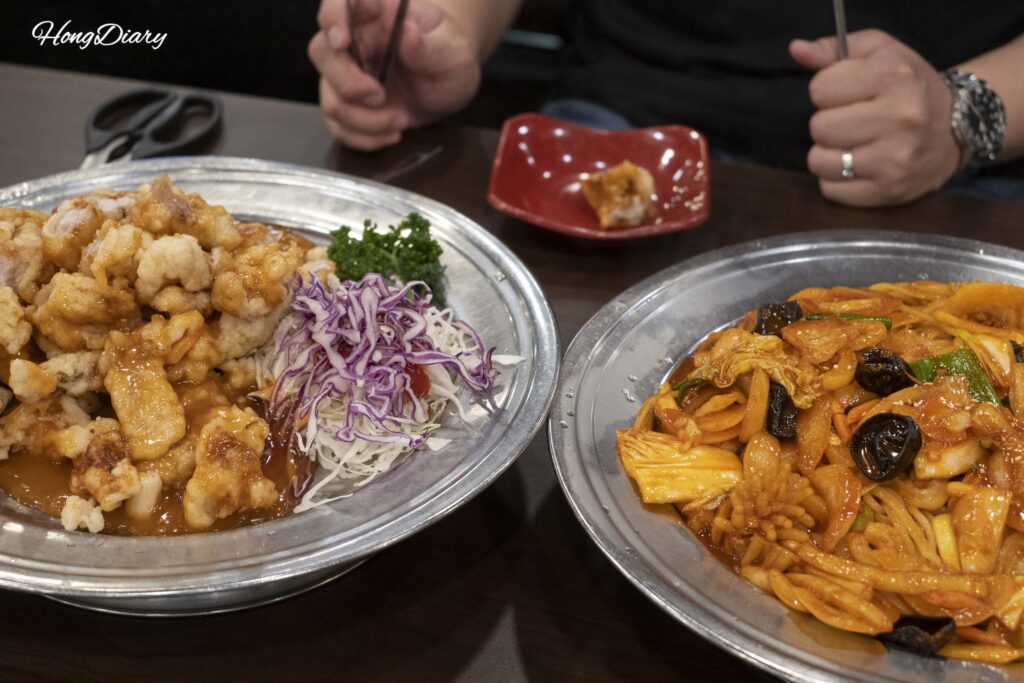
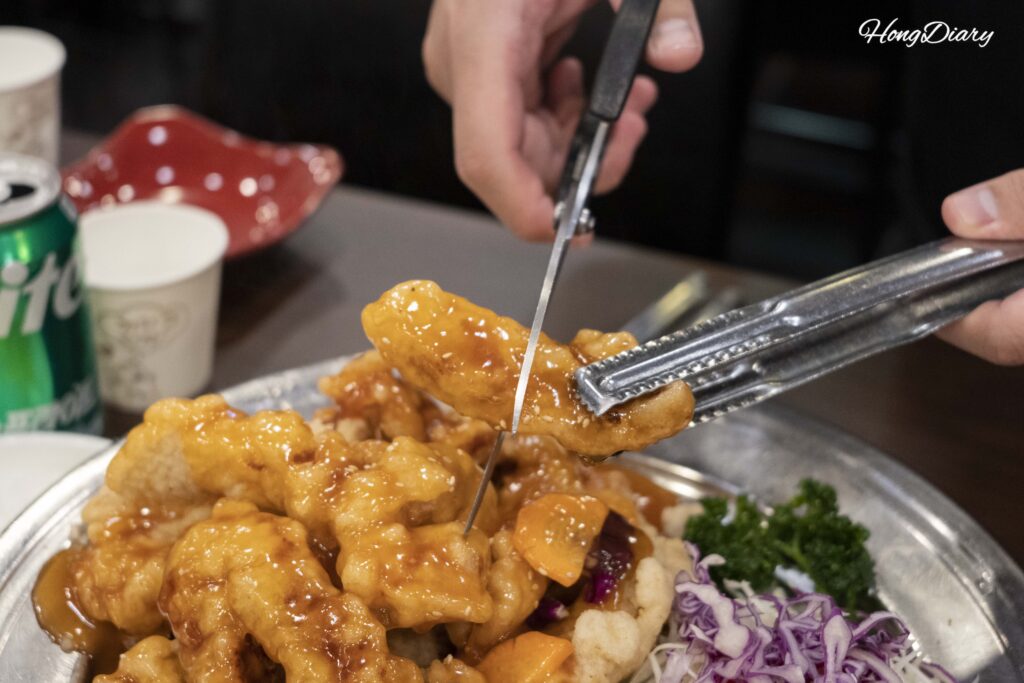
We ordered the small size, but “small” is relative here. The pieces of fried pork were large — too large to eat in one bite. There are no knives on the table at a Korean-Chinese restaurant, so you do what everyone else does: cut them with scissors.
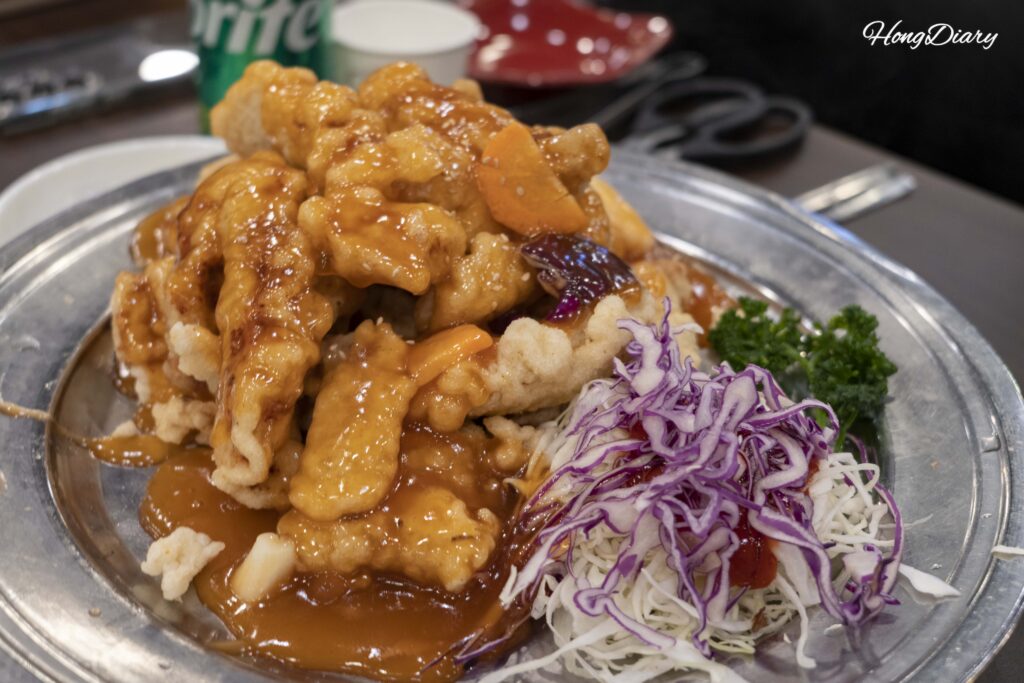
For anyone unfamiliar with tangsuyuk: it is Korea’s version of sweet and sour pork, but the texture and flavor profile are distinctly different from the Chinese or Western versions. What makes Lian’s version stand out is the batter — it is made with glutinous rice flour (called chapssal in Korean), which gives it a distinctively chewy-crispy texture that holds up even after the sauce is poured on. At Lian, the sauce came poured over the pork rather than on the side. I saw another table that had their sauce served separately — they must have asked. Either way works, but even with the sauce poured on, the batter held its crunch. The pork inside was thick-cut and substantial, and the sauce had a light sweetness that kept pulling me back for another piece.
Then Came the Yakiudon
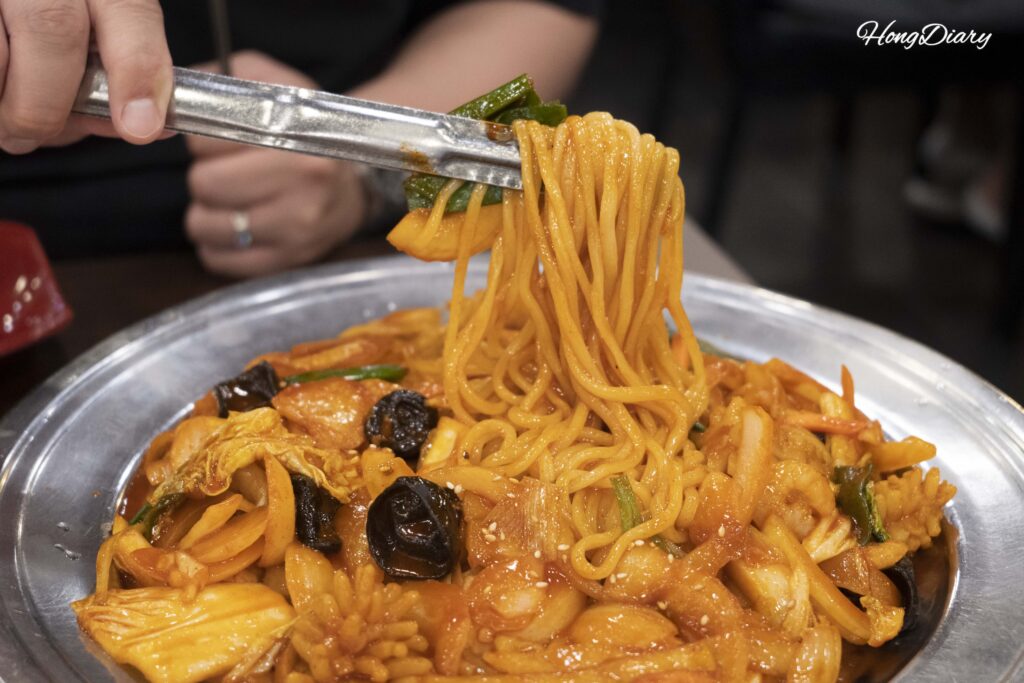
This was the dish I came for. I ordered the Special Yaki, which is the larger version with extra seafood, served on a wide plate meant for two. Despite the name, yakiudon at a Korean-Chinese restaurant is nothing like Japanese udon. The noodles are thinner and closer to the type used in jajangmyeon or jjamppong — springy, chewy, and already tossed in a red, spicy-sweet sauce when it arrives at the table.
I lifted the noodles to check whether I needed to mix them further, but everything was already evenly coated. The flavor sat somewhere between a stir-fried jjamppong and a dry spicy noodle — slightly sweet, moderately spicy, and deeply savory from the seafood and vegetables mixed in. The Special version had a generous amount of shrimp, squid, and vegetables throughout.
This was my first time eating yakiudon, and I’m glad Lian was where I started. There is a particular kind of mildly spicy, sweet, wok-fried flavor here that I have not had anywhere else. Seven years ago, I came with a friend who ordered it while I had something else. This time, I ordered it myself. It was worth the seven-year wait.
A Note on Parking
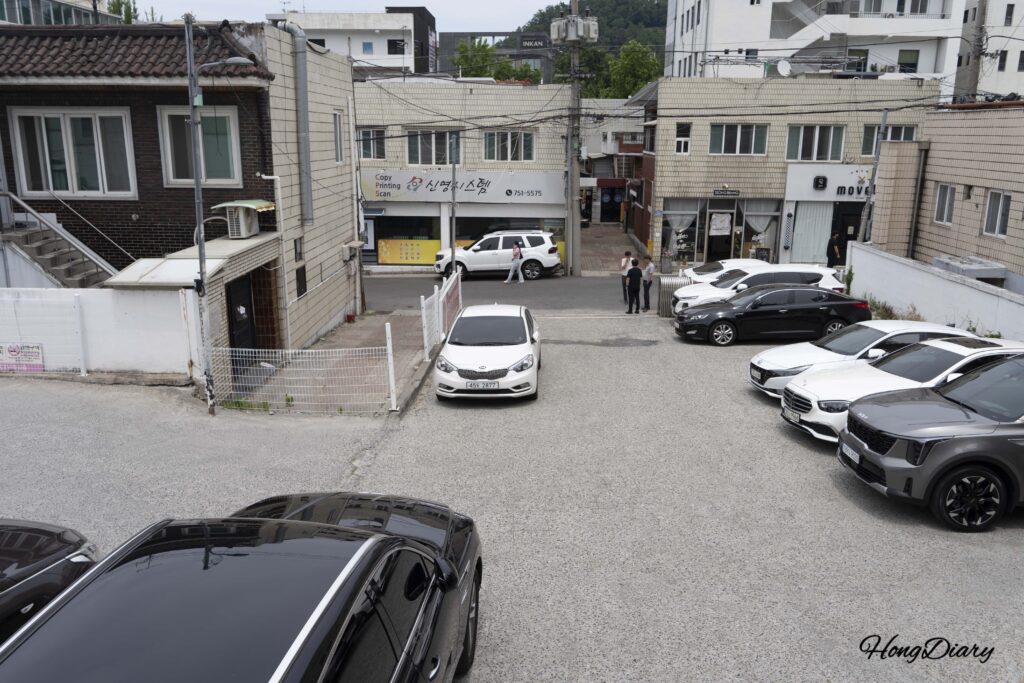
I’m bringing this up because it was the most stressful part of the visit, and if you’re driving, you should plan for it. The alley in front of Lian is a permanent no-parking enforcement zone. Fines are issued regularly, and tow trucks are not uncommon. There are signs everywhere warning against it.
Behind the building, Lian has its own small parking lot. On the Thursday I visited, a few spots were open — but barely. On a weekend, expect it to be full. One tip: my husband dropped me off at the entrance so I could get our names on the chalkboard while he circled for parking. That saved us real time.
If you’re coming by public transit, it’s simpler: Damti Station (Line 2), Exit 2, and a short walk through the neighborhood. For a food-focused trip to Daegu, that might be the less stressful option.
While You’re in Daegu
Lian restaurant in Daegu is not the kind of place that tries to impress you with its decor or atmosphere. It’s a neighborhood Korean-Chinese restaurant near a university campus that has been doing two things very well for a long time — yakiudon and chapssal tangsuyuk — and has never bothered to open a second location. That stubbornness is part of the appeal.
If Daegu is on your itinerary, the city has more to offer beyond the food.
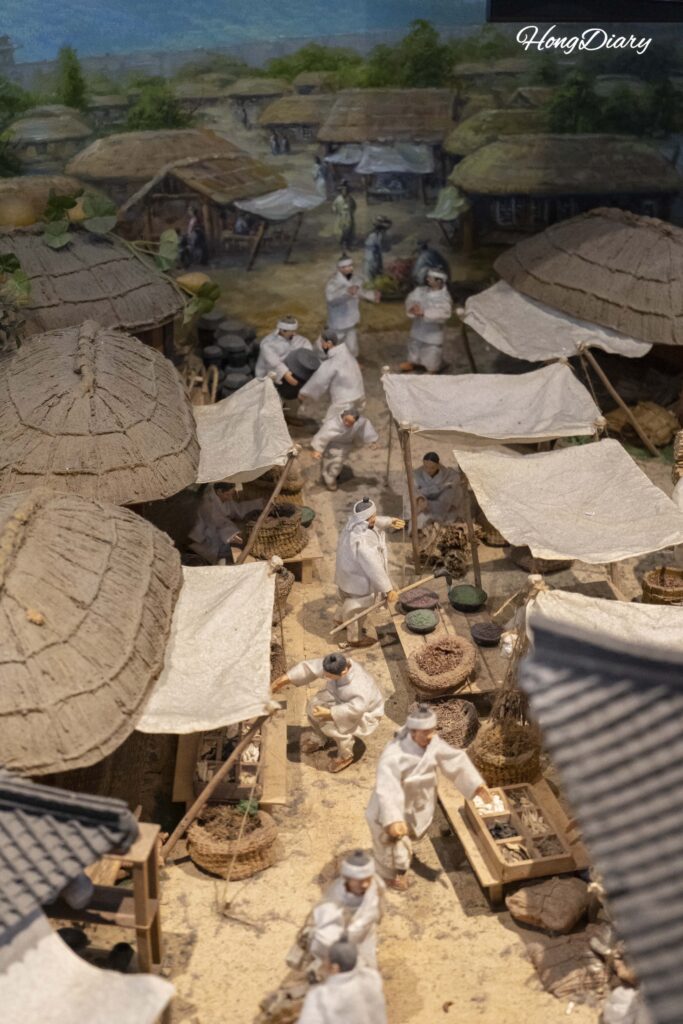
A short trip from the city center takes you to the Yangnyeongsi Museum, where 370 years of herbal medicine history is on display for free.

For an evening stop, Suseongmot Lake offers music fountain shows and one of the best night views in the city.
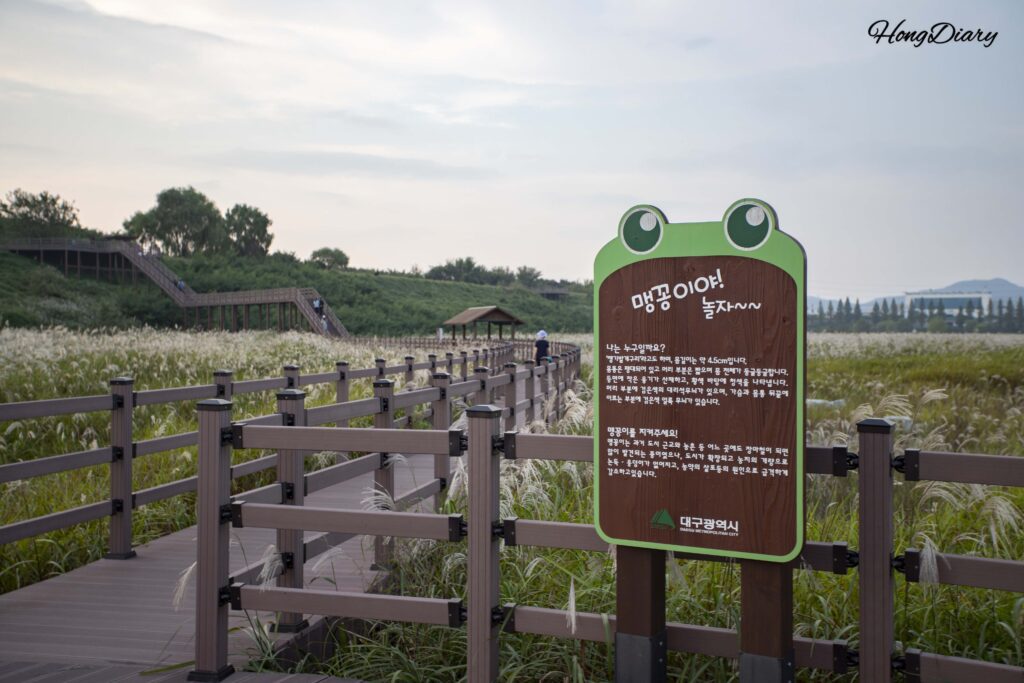
Nature-minded visitors should consider Dalseong Wetland, a quiet reed-lined walking path with rare toads and golden-hour sunsets.
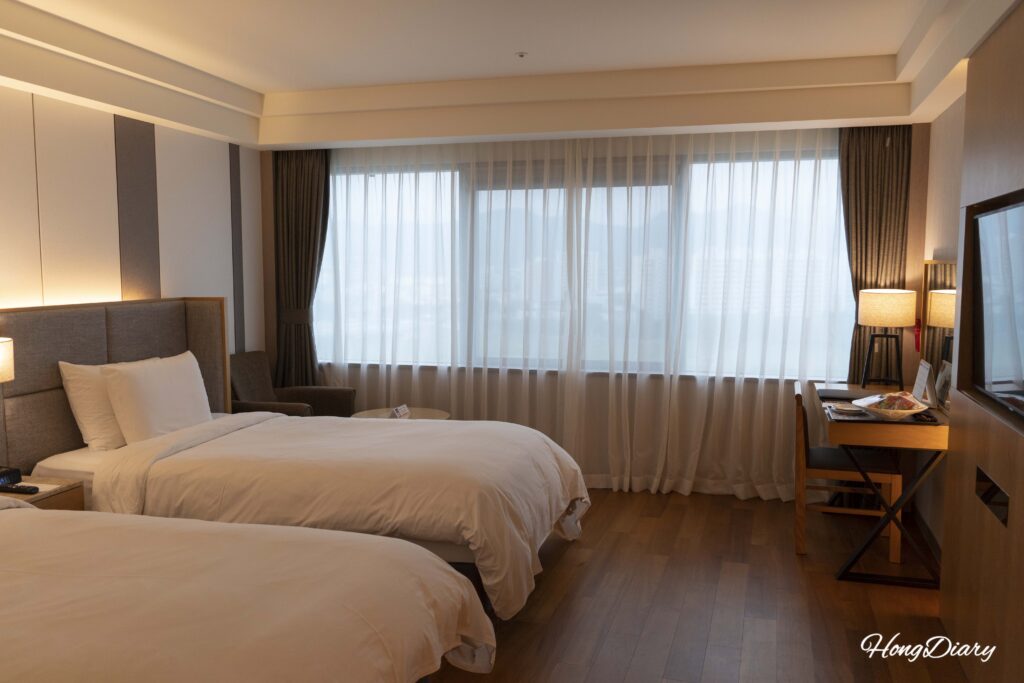
And if you’re spending the night, Hotel Inter-Burgo is a riverside five-star on the Kumho River that I’ve reviewed separately.
Next time I come to Lian, I’m ordering the Special Jjajang. But I’ll still get the yakiudon, too. Some things you don’t skip.
Frequently Asked Questions (FAQ) about Lian Restaurant in Daegu
What is Lian restaurant in Daegu known for?
Lian is a Korean-Chinese (junghwa yori) restaurant in the Suseong-gu district of Daegu. Korean-Chinese cuisine is a distinct culinary tradition developed by Chinese immigrants in Korea, featuring dishes that share Chinese roots but have evolved into something uniquely Korean. Lian is known for its yakiudon (stir-fried noodles with seafood in a spicy-sweet sauce) and chapssal tangsuyuk (sweet and sour fried pork made with glutinous rice flour batter for a chewy-crispy texture). It is a single-location restaurant with no franchise or branches.
Do I need a reservation at Lian restaurant in Daegu?
No. Lian does not accept reservations. Upon arrival, you write your name and party size on a chalkboard inside the entrance and wait to be called. On weekdays, the wait is manageable; on weekends, expect a longer line. Arriving during the weekday lunch window (12:00–2:00 PM) is recommended for shorter waits.
What are the prices at Lian restaurant?
Yakiudon is ₩9,000 ($6.00 USD / €5.09 EUR), and the Special Yaki for two is ₩15,000 ($10.00 USD / €8.48 EUR). Tangsuyuk starts at ₩17,000 ($11.33 USD / €9.61 EUR) for the small size. Classic jajangmyeon (black bean noodles) is ₩6,000 ($4.00 USD / €3.39 EUR). Prices are as of the most recent visit.
Is there parking at Lian restaurant in Daegu?
There is a small dedicated parking lot behind the building, but spaces fill up quickly, especially on weekends. The alley in front of the restaurant is a permanent no-parking enforcement zone where fines are regularly issued. If you’re driving, having someone drop you off at the entrance while the driver finds parking nearby is a practical approach. By public transit, the restaurant is a five-minute walk from Damti Station (Daegu Subway Line 2, Exit 2).
What days is Lian restaurant closed?
Lian is open every day of the year except during Chuseok and Seollal, Korea’s two major traditional holidays. The dates vary each year as they follow the lunar calendar. Outside of those two holidays, the restaurant operates daily from 11:30 AM to 9:00 PM.
Can I get takeout from Lian restaurant?
Yes, takeout is available. However, from July through September, leftover food cannot be packed to go due to food safety concerns in the summer heat. The tangsuyuk can only be packed for takeout in the small size.
How do I get to Lian restaurant in Daegu from Busan?
Take a KTX train from Busan to Dongdaegu Station, which takes about 50 minutes. From there, transfer to Daegu Subway Line 2 and ride to Damti Station. Exit through Exit 2 and walk about 400 meters (roughly 5 minutes) to the restaurant. Some visitors make the trip from Busan specifically for Lian’s yakiudon.